
ABOUT
The inability of the central nervous system (CNS) to regenerate has been attributed to several factors: First, the natural formation of cellular «bridges» essential for axonal regeneration does not occur at the site of injury. Second, the injured CNS fails to produce growth factors necessary to stimulate regeneration. Third, neurons in the injured CNS do not adequately initiate a «growth program» necessary for new regeneration. Finally, the environment of the injured adult spinal cord presents obstacles to regeneration, specifically due to inhibitory extracellular matrix molecules that accumulate around the injury site and the presence of inhibitory proteins in adult myelin that hinder regeneration.
We are committed to elucidating the molecular processes underlying neuronal regeneration and using these insights to develop practical strategies for repairing damaged CNS circuits.
Our research covers a broad spectrum from the identification of ECM molecules that impede axon regeneration to the development and application of advanced biomimetic materials in spinal cord injury (SCI) models.
Our group is interested in elucidating the molecular mechanisms governing regenerative failure after central nervous system injury and leveraging this knowledge to develop rationally tuned biomaterial strategies to reverse paralysis. Our goal is to translate these findings to humans.
RESEARCH FOCUS
Understanding the Barriers to Regeneration:
The primary focus of this research is to understand the role of the extracellular matrix (ECM) in spinal cord injury and regeneration.
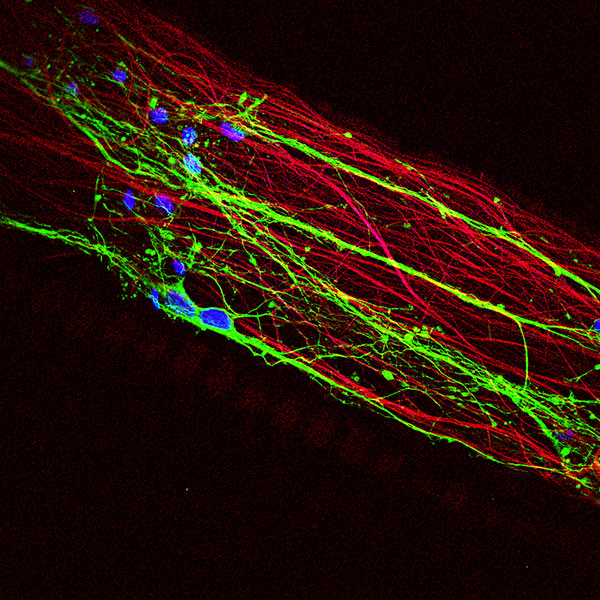
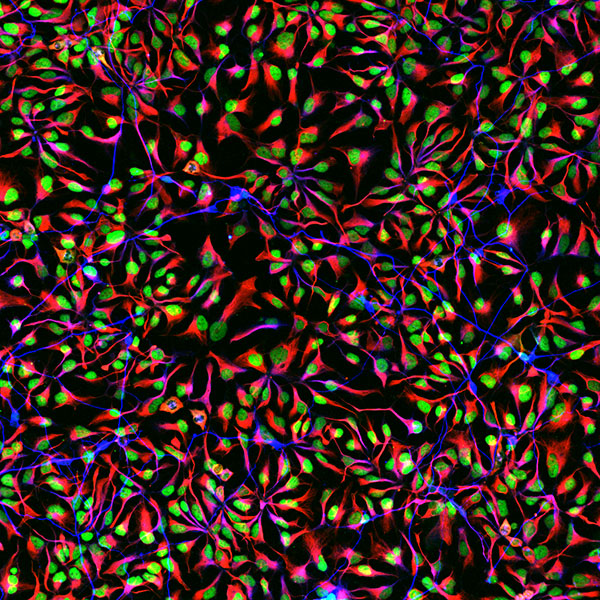
Using quantitative mass spectrometry proteomics, our team is characterizing the ECM and ECM-associated proteome in spinal cords across developmental stages and injury conditions. This approach allows the identification of specific ECM components that change after injury, providing insight into potential therapeutic targets.
The comprehensive proteomic profile is further enhanced by transcriptomic profiling to identify soluble components, cellular contributors, and spatial information. This in-depth analysis of the ECM in both healthy and injured states aims to unravel the complex interactions and changes that occur and to guide the development of strategies to modulate the ECM to promote regeneration
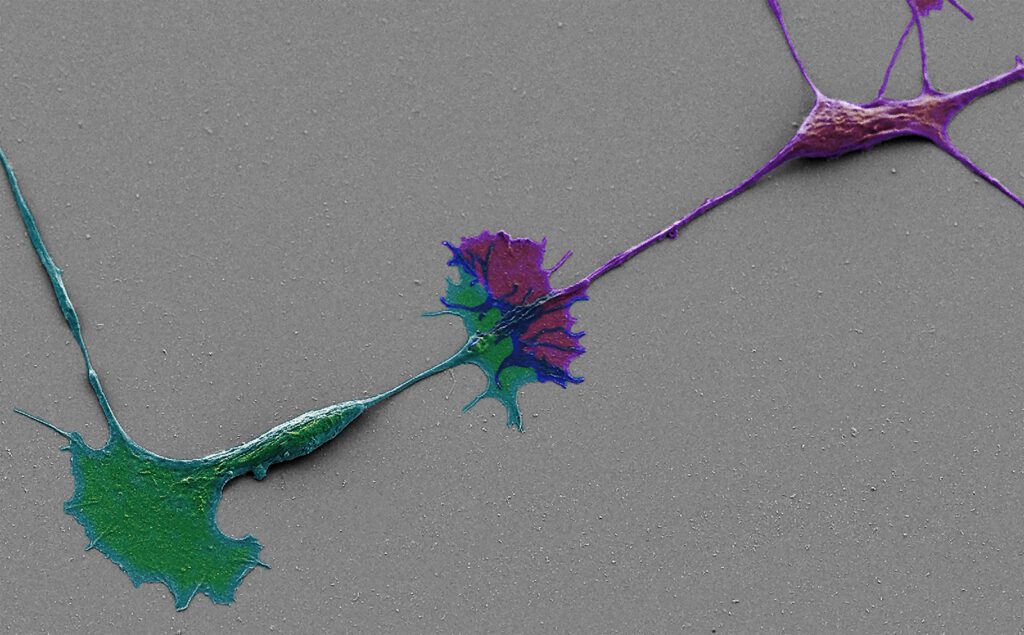
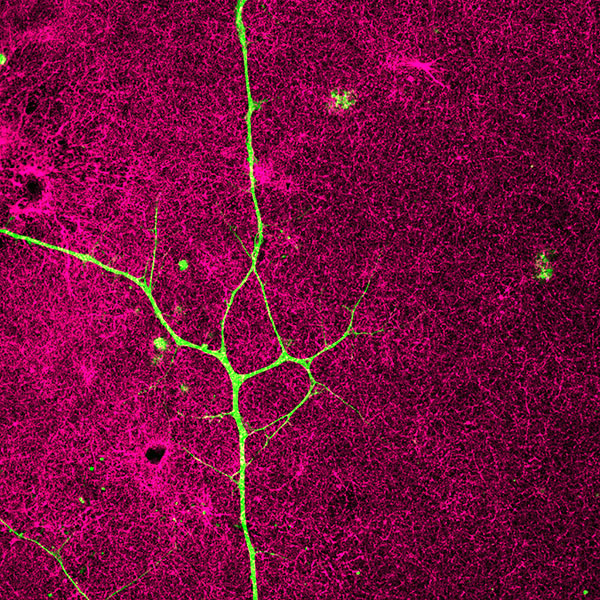
Human spinal motor neurons grown on artificial matrix. SEM image of neurons interacting through their growth cones. Cells are falsely colored in green and purple.
New tools to study injury and regeneration in vitro:
This research area uses cutting-edge bioengineering methods and three-dimensional systems to mimic spinal cord structures and analyze their responses to injury in the laboratory. It uses two primary techniques:
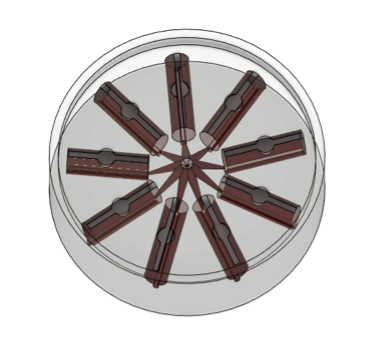
1. Human Spinal Cord Organoids (hSCOs): hSCOs are generated using 3D printed organoid-on-a-chip technology, which creates a tubular shape that mimics the geometry of the spinal cord. This structure allows us to study how the shape of the tissue affects cellular organization within the organoids. In addition, by incorporating ECM signals at specific times after spinal cord injury, the study aims to explore the evolving nature of spinal cord injury and evaluate treatments based on ECM components identified through this research.
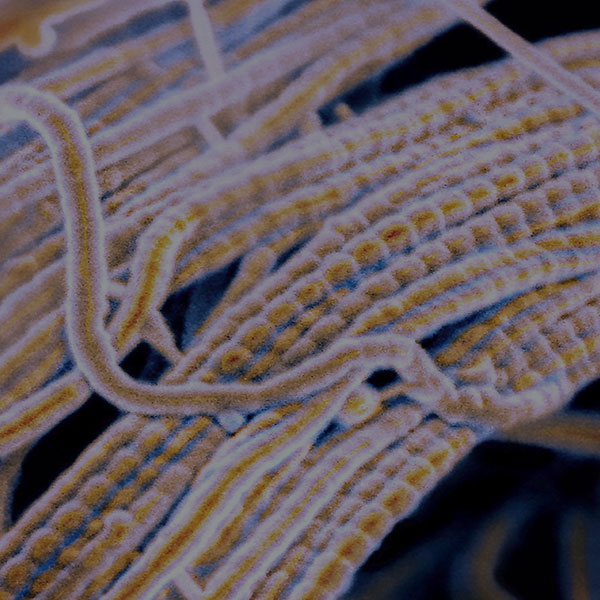
2. 3D printed human spinal cord constructs: This method combines two sophisticated printing technologies – cell bioprinting and volumetric printing – to produce a detailed, four-dimensional model of the human spinal cord with precise accuracy. The focus is on faithfully reproducing the white and gray matter of the spinal cord. It uses an exoskeletal framework to strategically place each bioprinted cell, closely mimicking the architecture of the spinal cord. This approach is designed to provide insight into the dynamic functional behavior of the spinal cord in vitro.
Translational Strategies for the Treatment of Spinal Cord Injury:
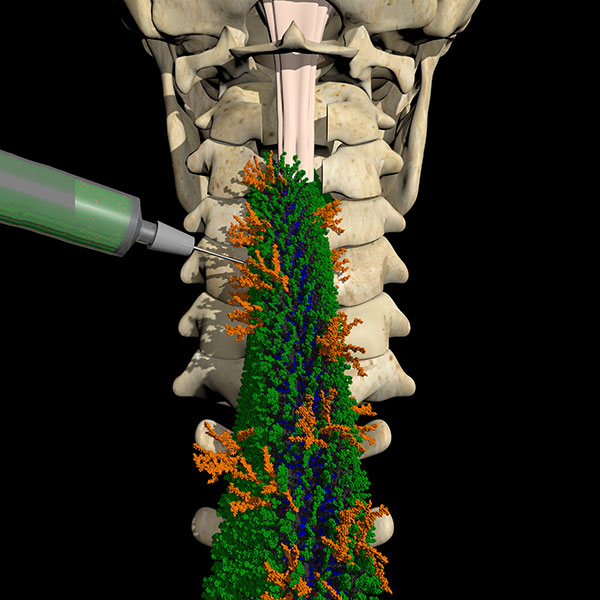
The third area of our research focuses on the development of innovative and effective biomaterial-based therapies for spinal cord injury (SCI) using in vivo models. Our team is implementing two different approaches depending on the stage of injury:
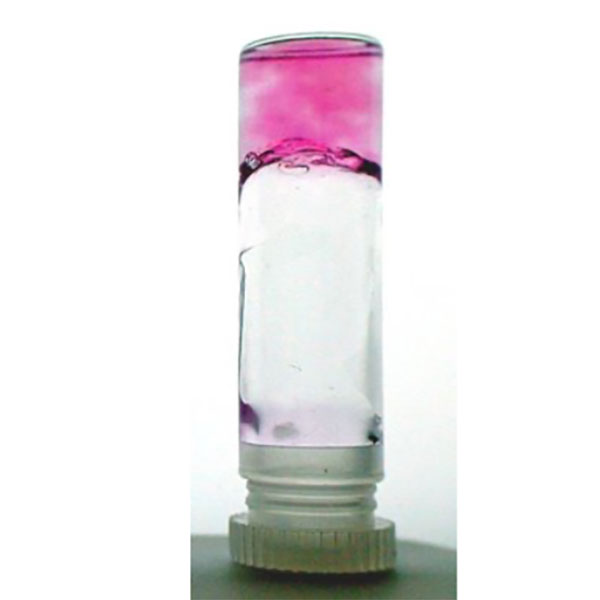
1. Injectable functionalized synthetic hydrogels for acute injury: We are creating chemically defined hydrogels that mimic various ECM signals, specifically tailored to treat the early stages of spinal cord injury. The goal is to study their impact on factors such as inflammation, cell survival, blood vessel formation, glial scar formation, and nerve fiber regeneration
2. 3D printed spinal cord constructs for chronic injury: For more advanced chronic spinal cord injuries, we are developing artificial 3D constructs embedded with ECM signals and living cells. These constructs are designed to provide nutritional support, promote neural growth, and support the functional development of native cells in nearby tissues. The primary goal is to enhance the integration, maturation, and connectivity of transplanted cells, which is critical for restoring motor function in models of chronic spinal cord injury.
HIGHLIGHTS
Expanding Our Capabilities in 3D Bioprinting
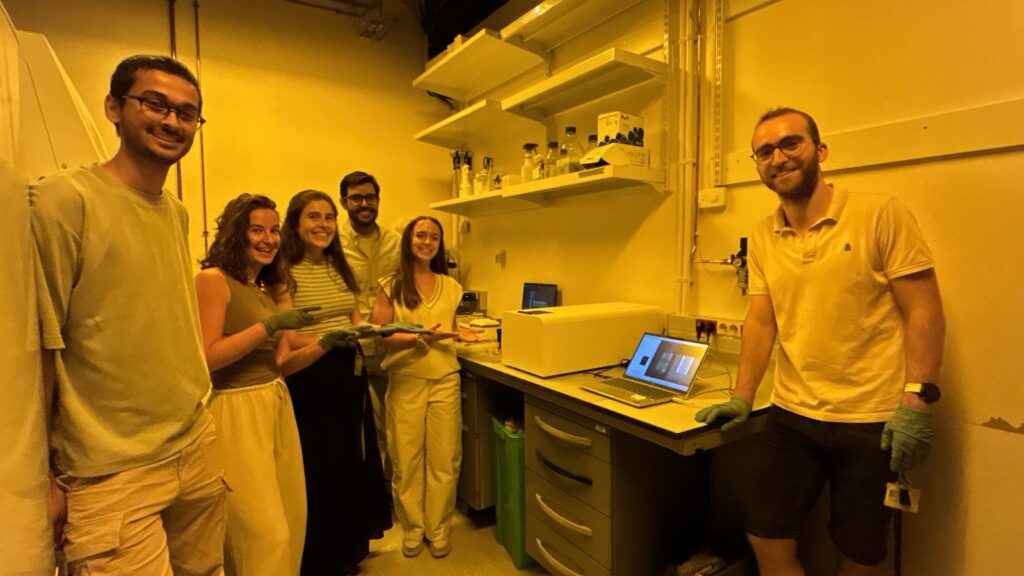
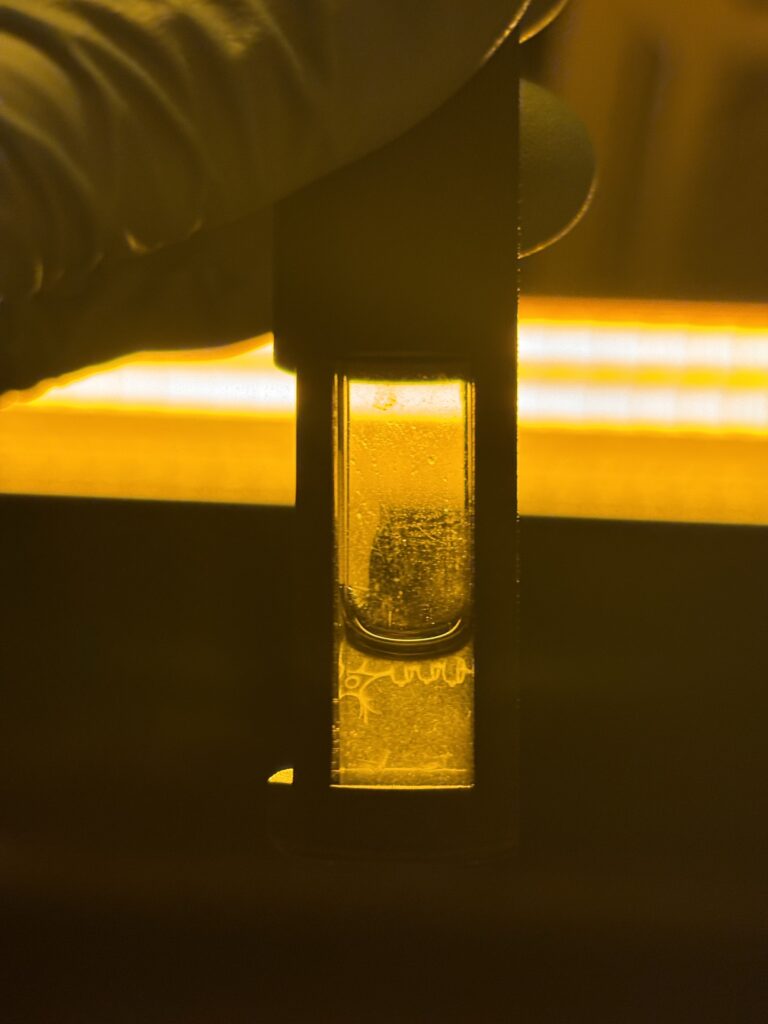
We are pleased to share that our lab has incorporated a new Volumetric Bioprinter, currently unique in Spain, with support from the ERC Consolidator Grant SPINECRAFT. Our team has already followed hands-on training delivered by the Readily 3D team and printed the first structures, including the logo of the lab! The printer will be dedicated to scaffold fabrication to build more advanced spinal cord models and accelerate our research.
IBEC NEWS
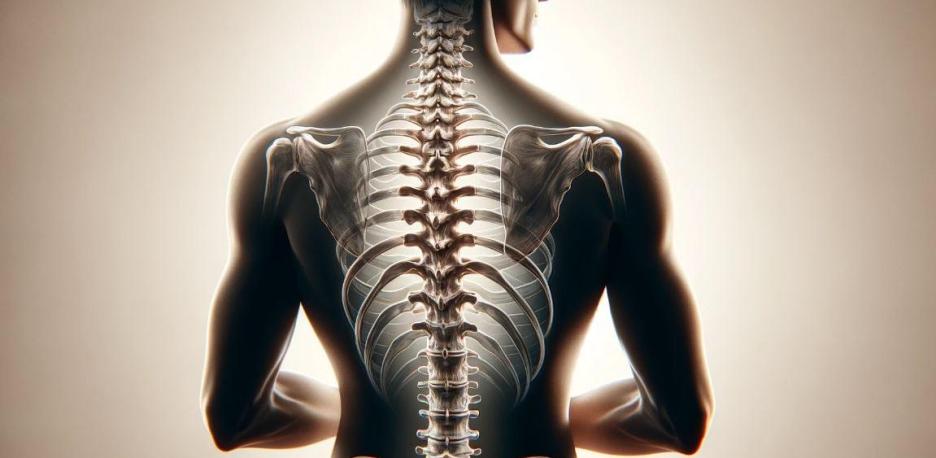
LA VANGUARDIA: ¿Estudiar lesiones medulares sin recurrir a la experimentación animal?
El proyecto utilizará organoides creados a partir de células madre para reproducir lesiones medulares en condiciones similares a las humanas.
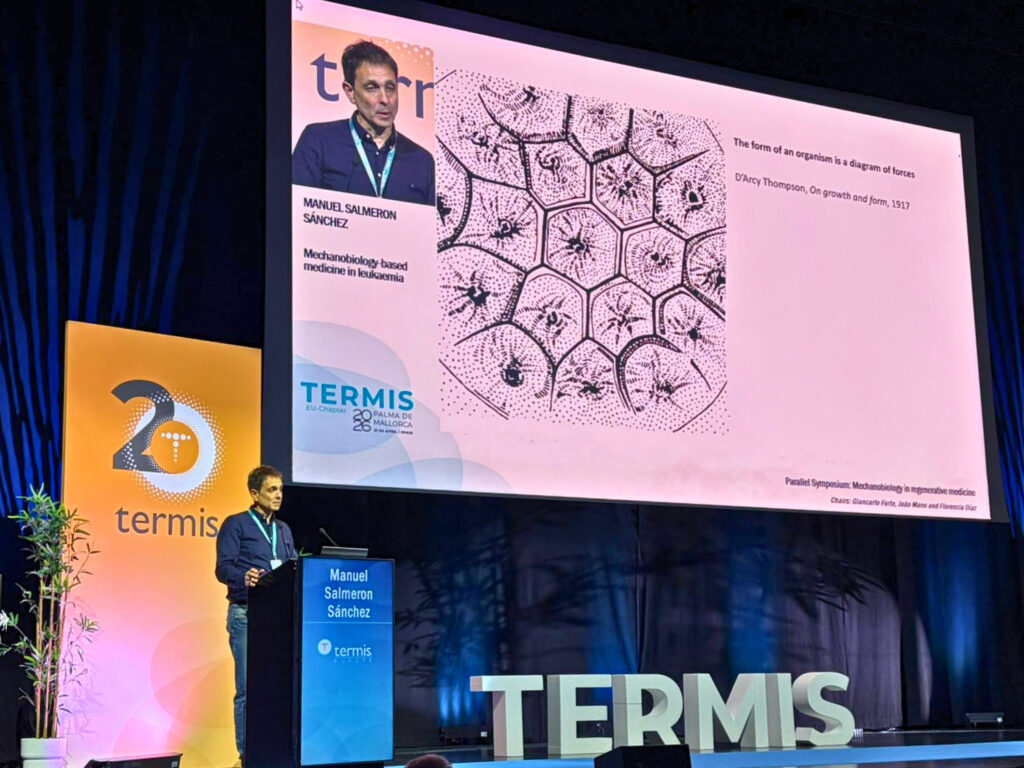
El IBEC destaca en TERMISEU 2026 con una amplia participación científica y un papel clave en el liderazgo del congreso
El IBEC destaca en TERMISEU 2026, el congreso europeo de referencia en ingeniería de tejidos y medicina regenerativa, celebrado del 21 al 24 de abril de 2026 en el Palacio de Congresos de Palma (Mallorca), con una participación muy relevante en un evento que ha reunido a más de 1.600 investigadoras e investigadores.
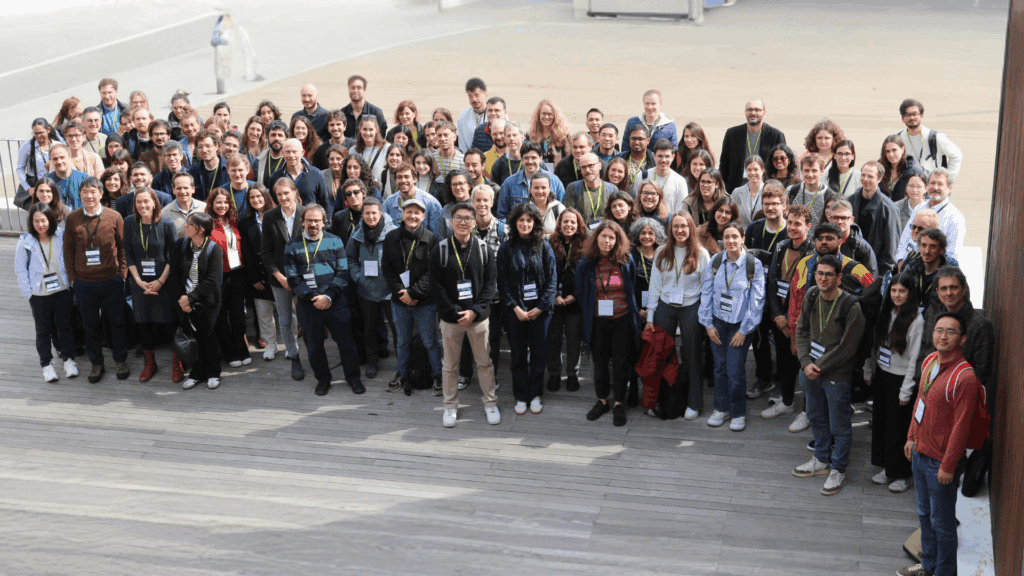
Se celebra en Barcelona la cuarta edición de la Conferencia EMBL‑IBEC
La cuarta edición de la Conferencia EMBL-IBEC organizada por el Instituto de Bioingeniería de Cataluña (IBEC) y el Laboratorio Europeo de Biología Molecular (EMBL) giró en torno a en el modelado de enfermedad biología del desarrollo y medicina regenerativa, y reunió esta semana en el PRBB de Barcelona a cerca de 130 expertos y expertas internacionales en el campo de la bioingeniería.

BUSINESS INSIDER: Científicos españoles desarrollarán un nuevo modelo humano que promete mejores tratamientos para lesiones medulares
Tras el fracaso del 95% de los tratamientos probados en animales, este proyecto innovador está generado a partir de células madre humanas. Liderado por la investigadora Zaida Álvarez, del Instituto de Bioingeneria de Catalunya (IBEC), este nuevo modelo ha recibido cerca de un millón de euros de la Fundación «la Caixa» en la convocatoria de Investigación en Salud 2025.
Zaida Álvarez galardonada con una prestigiosa beca europea ERC Consolidator
The researcher at the Institute for Bioengineering of Catalonia has been awarded an ERC Consolidator Grant. This prestigious European funding supports excellent scientists and scholars who are consolidating their independent research teams to pursue their most promising scientific ideas. The €2.8 million SPINECRAFT grant, awarded for five years, will enable Álvarez and her team to build a high-fidelity, 4D human spinal cord model using advanced bioprinting and patient-derived cells. This platform aims to transform the study of spinal cord biology, neurodegenerative disorders, and regenerative therapies, setting the stage for breakthroughs previously out of reach.
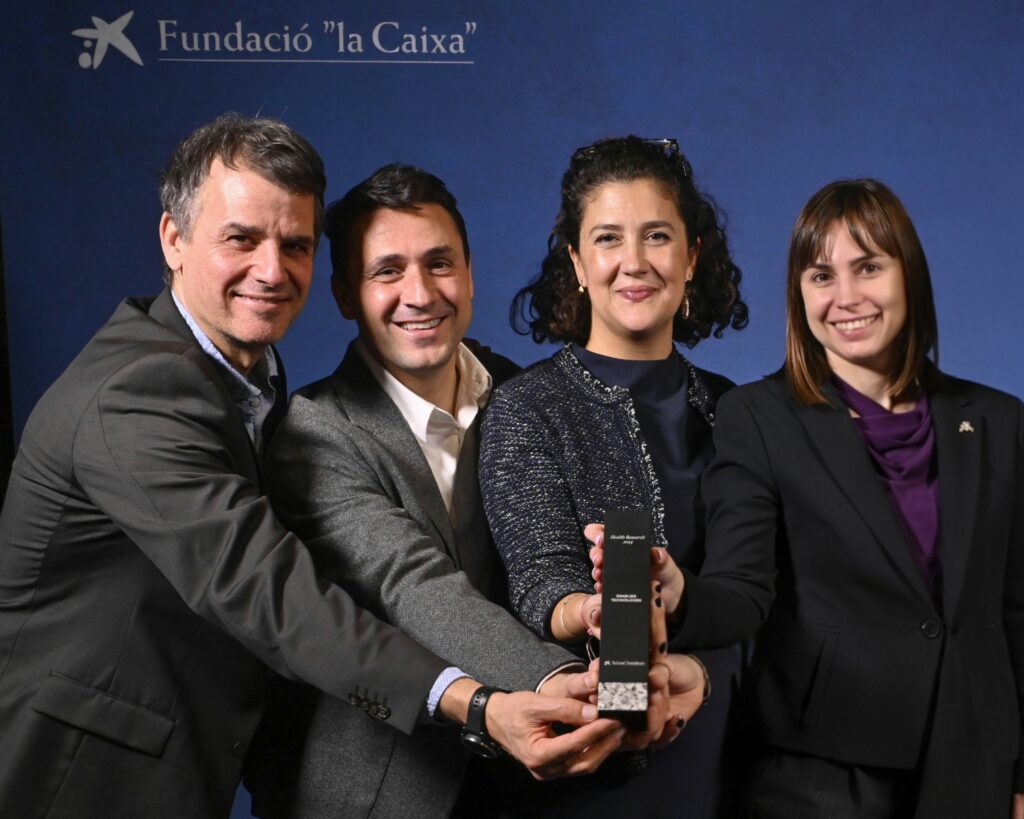
El IBEC recibe financiación de la Convocatoria Health Research 2025 de la Fundación «la Caixa» para estudiar nuevos tratamientos para las lesiones medulares
Zaida Álvarez Pinto, Investigadora principal del IBEC, liderará un proyecto de investigación biomédica seleccionado en la edición 2025 de la convocatoria de Investigación en Salud de la Fundación «la Caixa». El proyecto se enfocará en el desarrollo de una nueva plataforma de ensayo de tratamientos para las lesiones medulares y se llevará a cabo en consorcio con el IDIBELL, la UB, la Fundación Hospital Nacional de Parapléjicos y la Fundacion Lesionados Medulares.
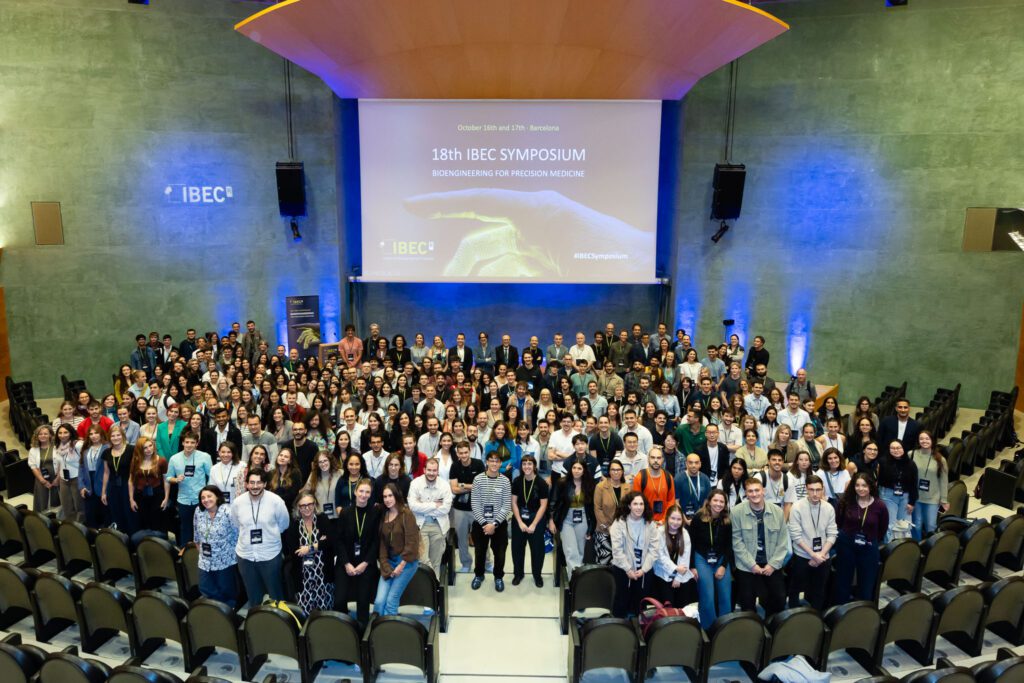
Bioingeniería para la medicina de precisión en el 18º Simposio del IBEC
El 18º Simposio anual del IBEC se centró en ‘Bioingeniería para la Medicina de Precisión’, una de las áreas clave de aplicación del IBEC. Fueron cerca de 300 las personas asistentes al evento, entre las que se encontraba personal investigador local e internacional. Un ambiente multidisciplinar en el que expertos y expertas de otros centros y la propia comunidad del IBEC tuvieron la oportunidad de presentar sus proyectos e intercambiar conocimiento.
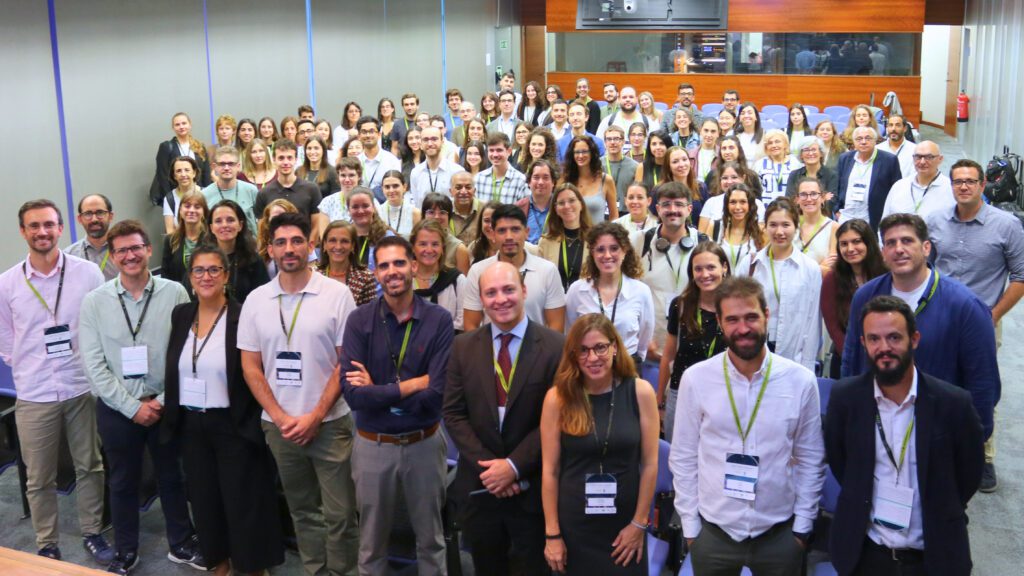
El IBEC y SEMIT organizan el primer Congreso SEMIT en Barcelona
El Instituto de Bioingeniería de Cataluña (IBEC) y la Sociedad Española de Medicina Regenerativa e Ingeniería de Tejidos (SEMIT) han organizadp el Congreso inaugural SEMIT 2025. El evento reunió a los principales expertos nacionales e internacionales en medicina regenerativa e ingeniería de tejidos, creando una plataforma única para el intercambio de conocimientos entre personal investigador, médico e industria.
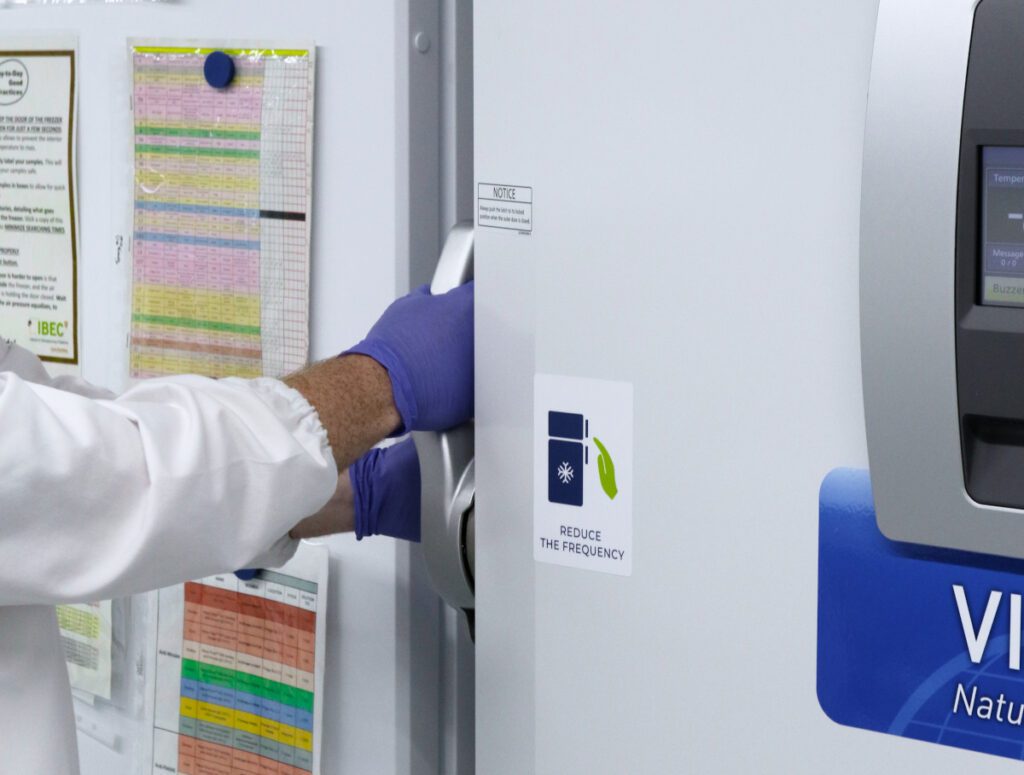
Siete laboratorios adicionales del IBEC alcanzan el nivel superior en la certificación My Green Lab
Siete grupos de investigación más del Instituto de Bioingeniería de Cataluña (IBEC) han sido certificados por My Green Lab, alcanzando la calificación más alta, el Green Level, por prácticas de laboratorio sostenibles. Con estas incorporaciones, el 70% de los laboratorios del Instituto ya están certificados.
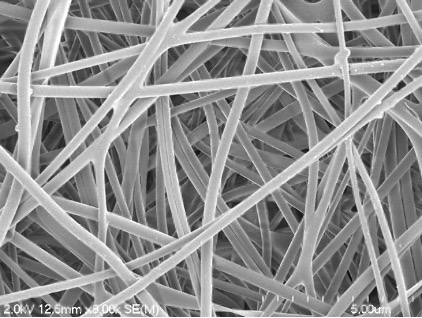
Una nanoterapia recubierta de azúcar protege a las neuronas en enfermedades neurodegenerativas
El nuevo tratamiento, basado en nanofibras y trehalosa, un azúcar natural de las plantas, atrapa y neutraliza las proteínas tóxicas para detener la progresión de la enfermedad. Una vez atrapadas, las proteínas tóxicas ya no pueden penetrar en las neuronas y se degradan sin causar daños. El estudio, publicado en la revista Journal of the American Chemical Society ha sido desarrollado por científicos del Instituto de Bioingeniería de Cataluña (IBEC) y la Northwestern University, en Estados Unidos.

El IBEC recibe financiación de los Institutos Nacionales de Salud de Estados Unidos para avanzar en la regeneración neural
La investigadora principal del IBEC, Zaida Álvarez, ha recibido financiación los Institutos Nacionales de Salud (NIH) de Estados Unidos para desarrollar modelos de médula espinal basados en células madre. El proyecto, coordinado por la Northwestern University con la participación del IBEC y el IDIBELL, permitirá estudiar enfermedades neurodegenerativas y desarrollar nuevos tratamientos para lesiones medulares y otras patologías neurodegenerativas.

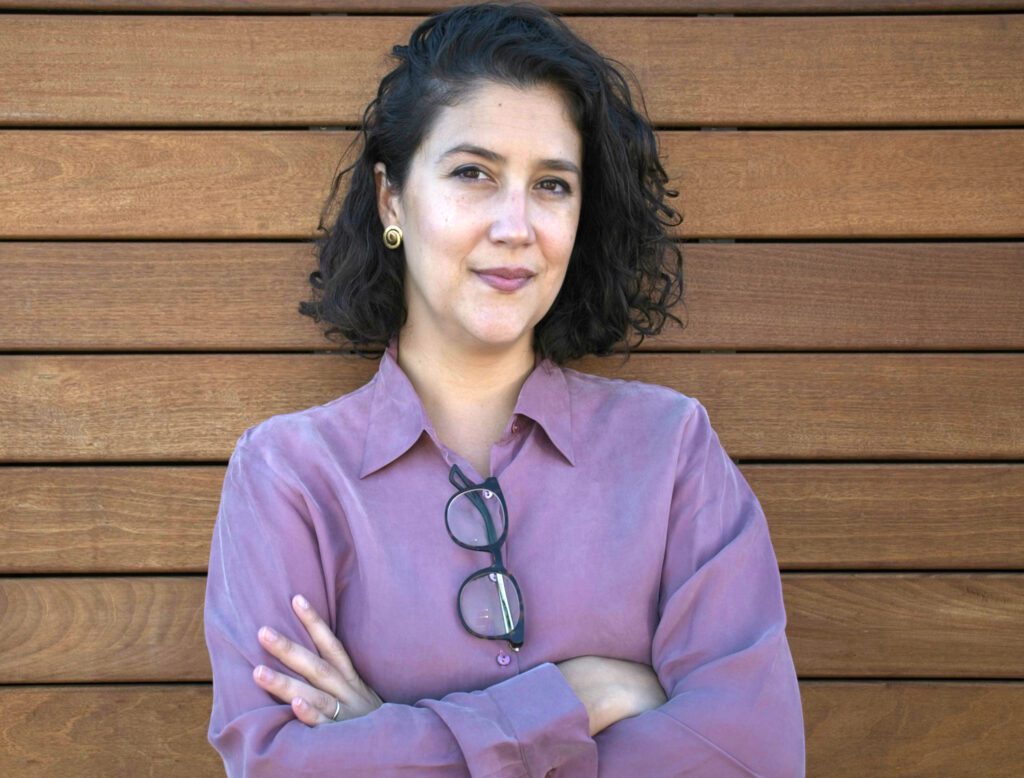
Organoides de médula espinal para estudiar tratamientos para la paraplejia
Se trata de un proyecto centrado en la creación de un dispositivo impreso en 3D donde se cultivará un organoide de médula espinal humana para estudiar el daño medular y el posterior testeo de fármacos. La investigación, liderada por la investigadora principal del IBEC Zaida Álvarez, ha recibido financiación de la Fundación Internacional para la Investigación de la Paraplejia.
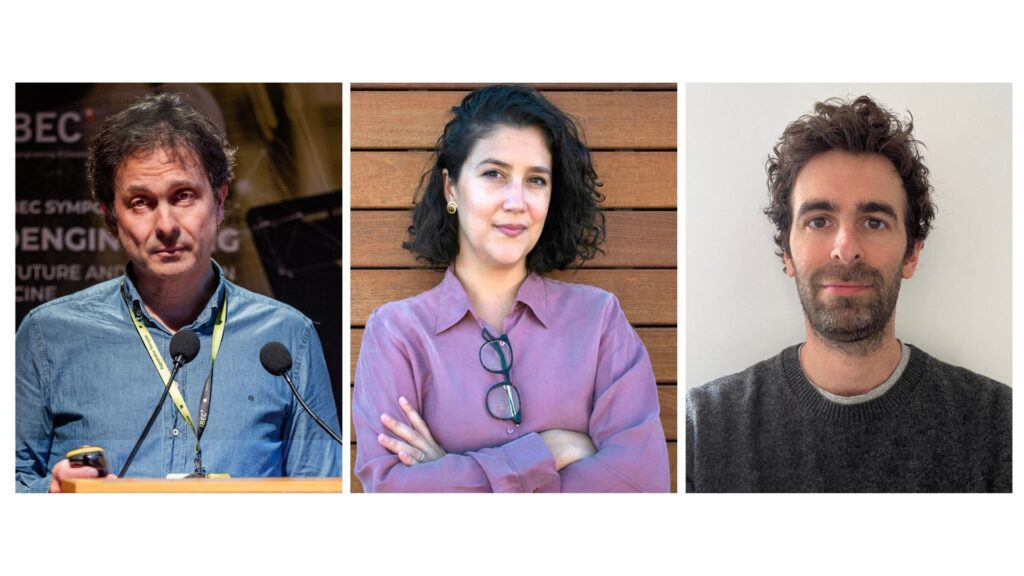
El IBEC se refuerza con tres nuevos grupos de investigación en terapias avanzadas y emergentes
El IBEC estrena el 2024 con la incorporación de tres nuevos grupos de investigación que serán liderados por Manuel Salmerón Sánchez, Zaida Álvarez Pinto y Xavier Rovira Clavé. Con estas incorporaciones, el IBEC fortalece su posicionamiento en el campo de las terapias avanzadas y emergentes.
Investigadoras del IBEC ponen de manifiesto el papel de la mujer en ciencia en diferentes medios
Coincidiendo con la celebración del día 11 de febrero, Día de la Niña y la Mujer en Ciencia, Nuria Montserrat es una de las tres protagonistas de la campaña de Constantes y Vitales titulada … Read more
Consiguen neuronas maduras en el laboratorio a partir de células madre para poder mejorar el estudio de enfermedades neurodegenerativas
Zaida Álvarez, investigadora del IBEC, y Alberto Ortega, investigador de la UB, han conseguido las primeras neuronas altamente maduras cultivadas en el laboratorio, a partir de células madre pluripotentes, usando … Read more
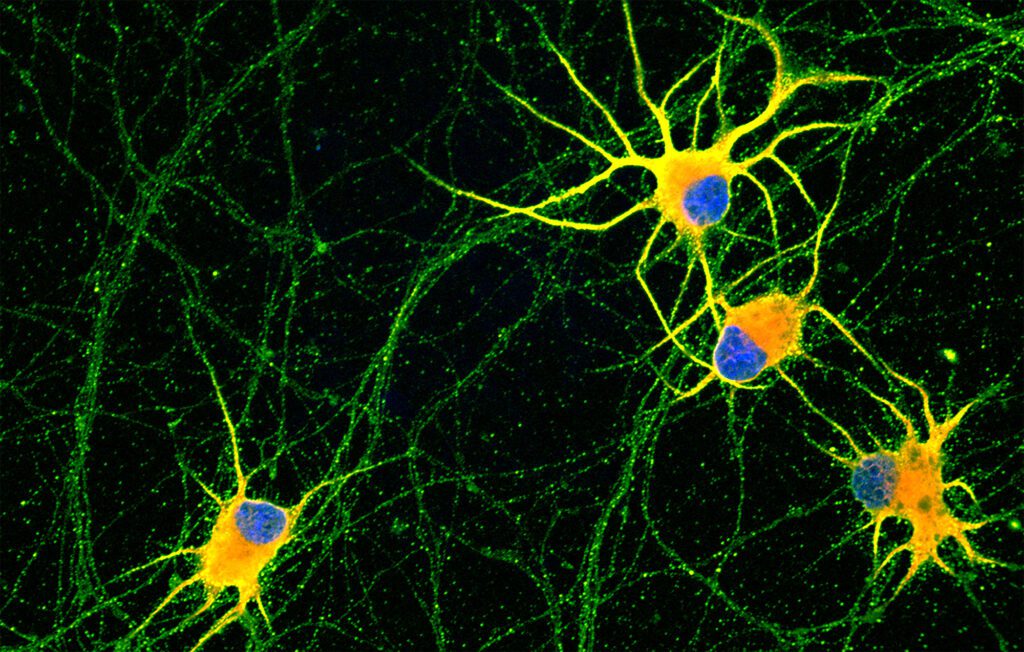
Investigadores logran cultivar neuronas maduras en el laboratorio para estudiar enfermedades neurodegenerativas
Investigadores del Instituto de Bioingeniería de Cataluña (IBEC) y de la Universidad de Barcelona (UB) han logrado crear las primeras neuronas altamente maduras a partir de células madre pluripotentes inducidas … Read more
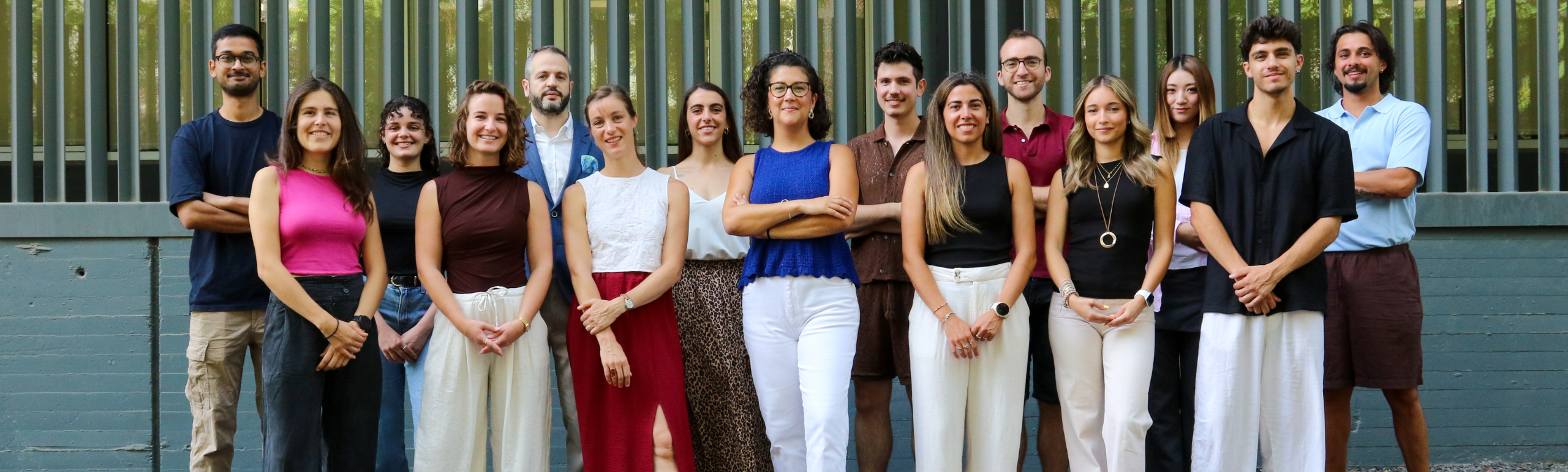
STAFF
Staff members
 ibecbarcelona.eu
PROJECTS
Projects as Principal Investigator
ERC-CoG (European Research Council)
Engineered Humanized Spinal Cord Constructs for Advanced Regeneration
Project code: ERC-COG-2025-101230979
Period: 2026–2031
CaixaHealth (La Caixa Foundation)
Human Vascularized Spinal Cord Organoid Device for Drug Discovery after Traumatic Injury
Project code: HR25-00406
Period: 2025–2028
Generación de Conocimiento (Ministerio de Ciencia, Innovación y Universidades)
In vivo Models of Humanized Spinal Cord Injury
Project code: PID2024-162574OB-I00
Period: 2025–2028
International Foundation for Research in Paraplegia (IFRP)
Human Vascularized Spinal Cord Organoids
Period: 2024–2026
R01 Grant NIH (National Institutes of Health)
Refining iPSC-Based Spinal Cord Model Systems by Fabricating Developmentally Programmed Extracellular Matrix Cues
Project code: R01 AG086270
Period: 2024–2029
Competitive Fellowships and Grants Obtained for Supervised Researchers
INPhINIT (La Caixa Foundation)
Recipient: Alexiane Touzé
Period: 2026–2029
Juan de la Cierva (Ministerio de Ciencia, Innovación y Universidades)
Code: JDC2023-051798
Recipient: Xavier Barceló
Period: 2024–2026
FPI (Ministerio de Ciencia, Innovación y Universidades)
Code: PRE2022-101803
Recipient: Palash Chavandranshi
Period: 2023–2027
IBEC Master Fellowship
Recipient: Anton Fornies
Period: 2023–2024
FI-STEP (AGAUR Generalitat de Catalunya)
Code: 2025 STEP 00182
Recipient: Rita Grimalt
Period: 2022–2025
PUBLICATIONS

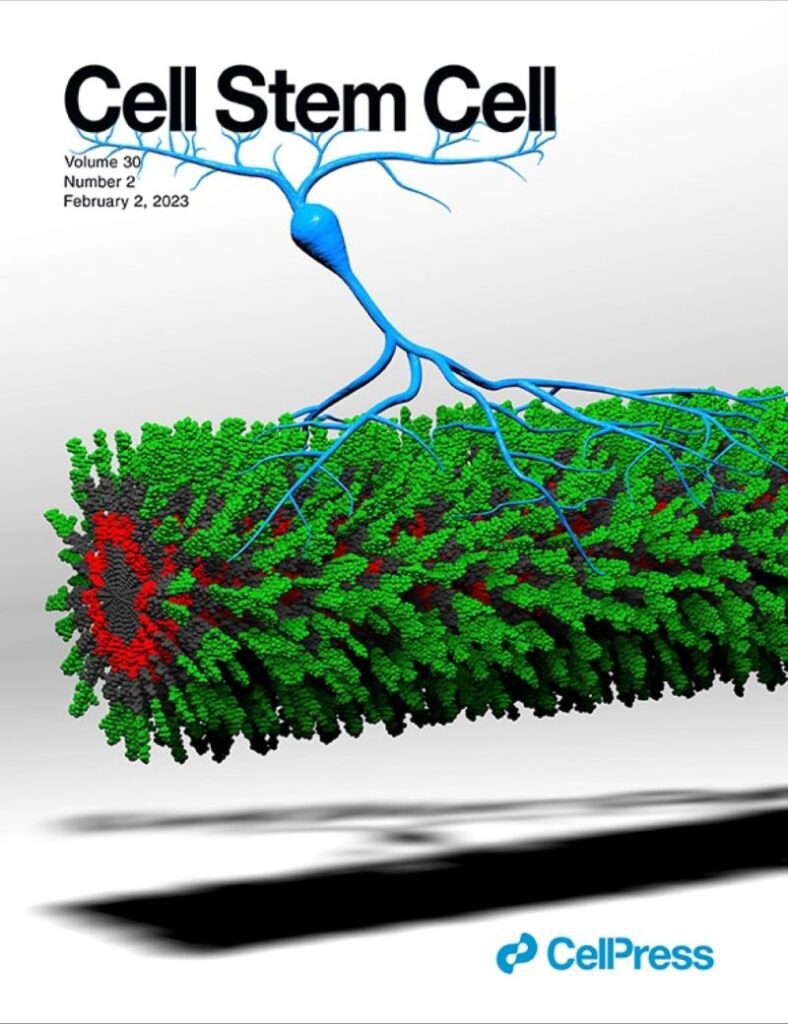
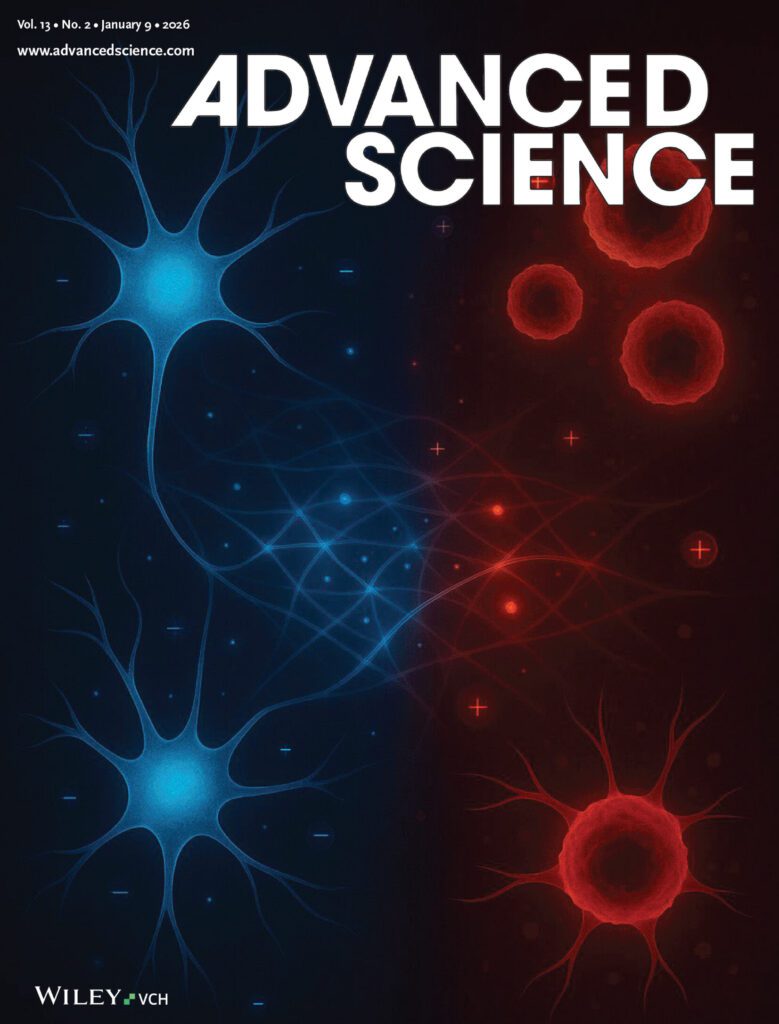
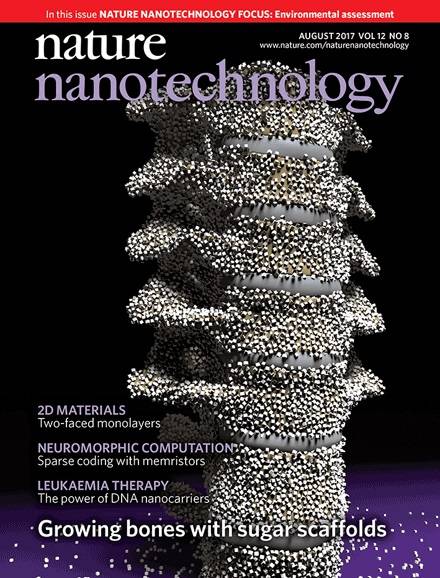
Check for more detailed information on the outputs of the Group at IBEC CRIS portal.
Publications list:
EQUIPMENT
3D PRINTING
- Bio II Advance PLUS 3. Biological Safety Cabinet (TELSTAR)
- Anycubic Photon mono 4k + curing station (ANYCUBIC)
- Anycubic Photon M3 Premium + curing station (ANYCUBIC)
- Original Prusa Mini+ (PRUSA)
- LUMEN X Gen 3 3D Bioprinter (Lumenex)
- Volumetric 3D printer Tomolite v2.0 (Readily3D)
- R-GEN 200 BIOPRINTER (RegenHU)
- Microelectrode array (MEA) Maestro Pro (AXION Biosystem)
- IMARIS WORK STATION
ANIMAL FACILITY
- IH-0415 Infinite Horizon IMPACTOR Mouse/Rat
- DigiGait Imaging System – Mouse Only with Incline
- WPI Stereotaxic for mice, Digi and Portable, SGL M
COLLABORATIONS
- Samuel I. Stupp (Simpson Querrey Institute, Northwestern University)
- Aitziber López Cortajarena (CICbiomagune)
- Juan Alberto Ortega (Universitat de Barcelona)
- Evangelos Kiskinis (Northwestern University)
- Ivan R. Sasselli (CSIC)
- Elena Sanchez Lopez (Universitat de Barcelona)
- Riccardo Levato (Utrect University)
- Simone Di Giovani (Imperial College)
- Antonio Oliviero (Hospital Nacional de Parapléjicos de Toledo)
JOBS

Research in Training at the Biomaterials for Neural Regeneration Research Group
RT-ZA // Deadline: 05/07/2026
Researcher in Training at the Biomaterials for neural Regeneration Research Group
Ref: RT – ZA // Deadline: 6/04/2026
Postdoctoral Researcher at the Biomaterials for Neural Regeneration Research Group
Ref: ERC-CoG-SPINECRAFT-Postdoc-Neuro // Deadline: 20/02/2026
Predoctoral at the Biomaterials for Neural Regeneration Research Group
Ref: ERC-CoG-SPINECRAFT-PhD // Deadline: 20/02/2026
Technical Support to Research (Bioinformatician) at the Biomaterials For Neural Regeneration Research Group
Ref: GC-Bioinformatician // Deadline: 30/01/2026
PhD at the Biomaterials for Neural Regeneration Research Group
Ref: PhD-ZA // Deadline: 04/11/2025

Researcher in Training for Neural Regeneration Research Group
Ref: RT-ZA // Deadline: 12/03/2025
PhD at the Biomaterials for Neural Regeneration Research Group
Ref: PHD_ZA // Deadline: 10/03/2025
Research Assistant at the Biomaterials for Neural Regeneration Research Group
Ref: (RA_ZA)// Deadline: 30/10/2024

Laboratory technician at the Biomaterials for neural regeneration (LT_ZA)
Ref: LT_ZA // Deadline: 22/03/2023