DONATE

IBEC Seminar: Kara Spiller

Immunomodulatory Biomaterials for Limb Salvage Kara Spiller, School of Biomedical Engineering, Science, and Health Systems, Drexel University Diabetes and peripheral arterial disease affect hundreds of millions of people worldwide. Patients … Read more

Predoctoral researcher at the Phase Transitions in Health and Disease Research Group


Application Deadline: 05/09/2019
Ref: PH-BB

The Protein phase Transitions in Health and Disease group at the Institute for Bioengineering of Catalonia (IBEC) is looking for an Early Stage Researcher (PhD student) to develop his/her PhD thesis project on Deep Mutagenesis of Prion Domains. The project will develop starting from recent work from the lab aimed at understanding the mechanisms by which certain proteins become toxic in neurodegenerative diseases, such as https://www.biorxiv.org/content/10.1101/592121v1.

Postdoc at the Research Group Molecular and Cellular Neurobiotechnology


Application Deadline: 22/08/2019
Ref: PD-JAD

The Molecular and cellular neurobiotechnology group at the Institute for Bioengineering of Catalonia (IBEC) is looking for a Postdoctoral Researcher to develop a project on the development of in vitro and in vivo spreading model of different isoforms of Tau.

The contract will be within the framework of La Caixa Health Foundation Project, whose objective is to determine the differential spreading of different isoforms of Tau.

Postdoctoral Researcher for Tecniospring INDUSTRY programme

IBEC opens a call to receive candidates to apply to the Tecniospring INDUSTRY programme.

The candidates preselected by IBEC will be presented, together with the project proposals to the Tecniospring INDUSTRY programme launched by the Catalan Government. Please note that the Tecniospring INDUSTRY programme is a competitive call and that only successful proposals selected by the Tecniospring INDUSTRY programme selection committee will be offered a position at IBEC.

El nanodron de Santi Marco en prensa internacional

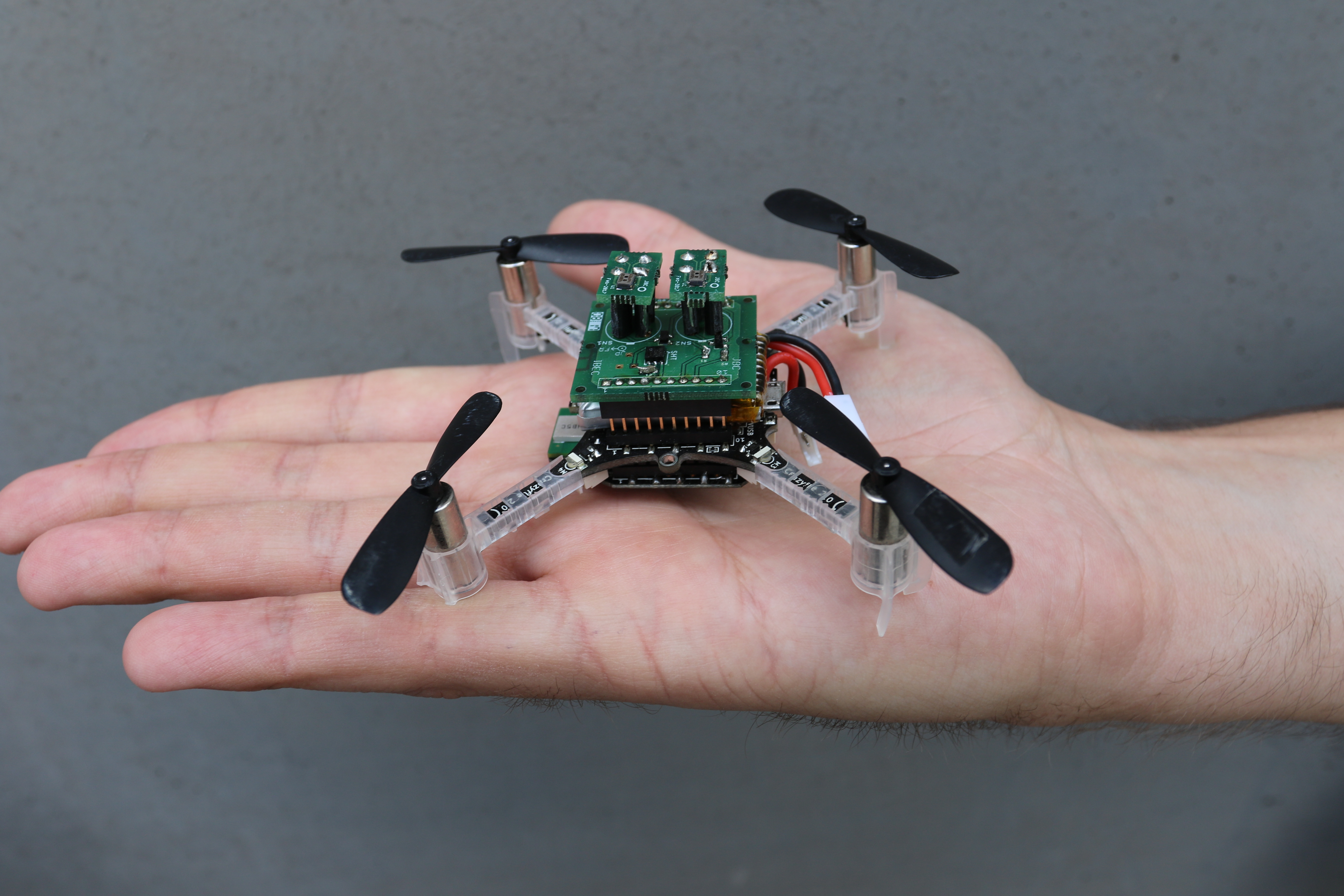
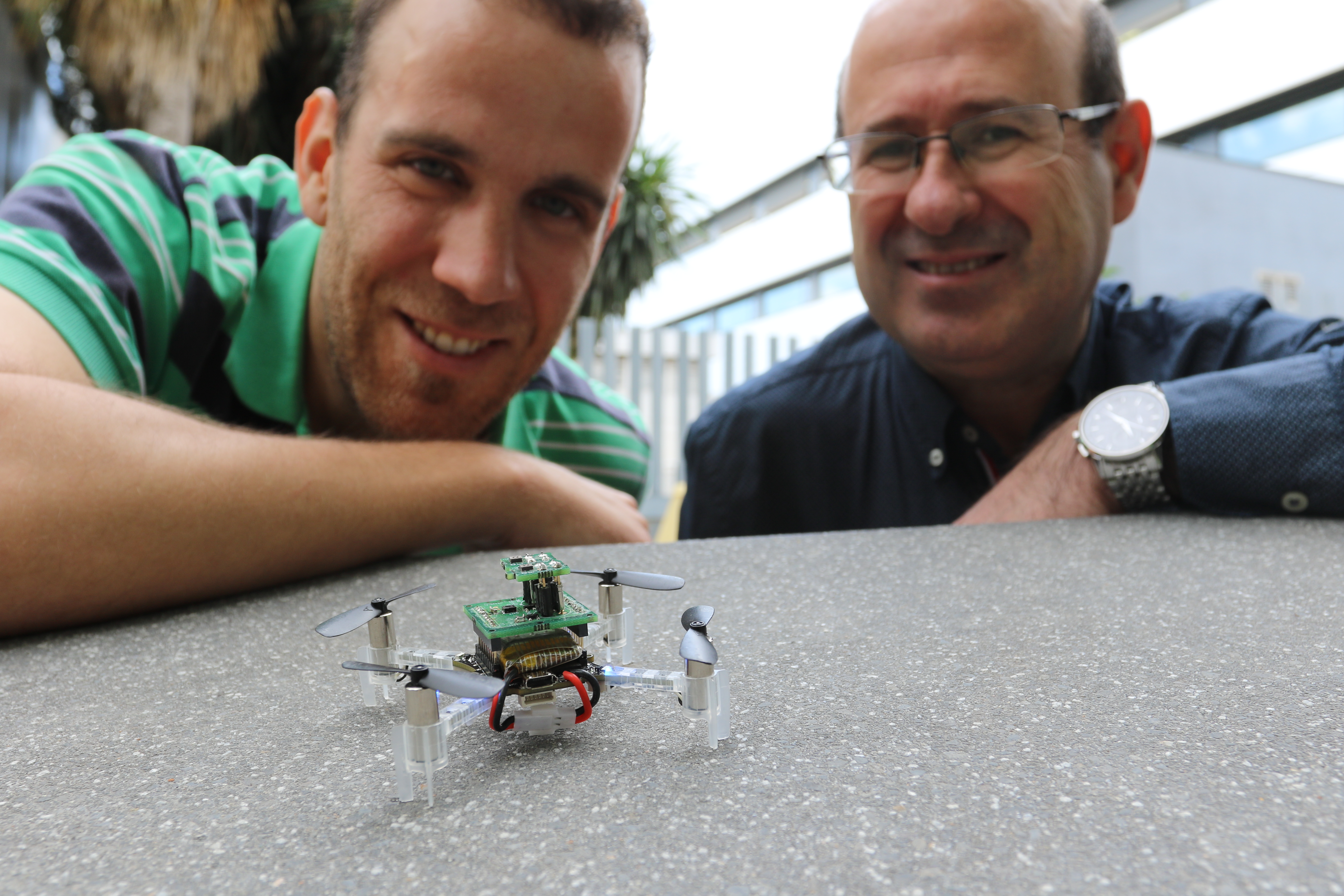
Investigadores del grupo de Procesamiento de señales e información para sistemas de sensores del IBEC, dirigido por Santiago Marco, diseñan un nanodrón que podría identificar gases tóxicos en edificios derrumbados por el efecto de terremotos o de explosiones. El nuevo aparato, que pesa 35 gramos, también podría ser útil para detectar la presencia de víctimas en espacios cerrados y de difícil acceso.

Postdoc researcher at the Biosensing for Bioengineering Research Group (Ref.: PD-JRESQ)


Application Deadline: 22/08/2019
Ref: PD-JRESQ

The Biosensors for bioengineering group at the Institute for Bioengineering of Catalonia (IBEC) lead by Dr. Javier Ramon is looking for a Postdoctoral Researcher to develop work in the project Diabetes Approach by Multi-Organ-on-a-Chip (DAMOC).

The contract will be within the framework of the “ERC Starting Grant” from the European Research Council (ERC) whose objective Diabetes Approach by Multi-Organ-on-a-Chip.

Postdoc researcher at the Biosensing for Bioengineering Research Group


Application Deadline: 22/08/2019
Ref: PD-JR

The Biosensors for bioengineering group at the Institute for Bioengineering of Catalonia (IBEC) lead by Dr. Javier Ramon is looking for a Postdoctoral Researcher to develop work in the project Diabetes Approach by Multi-Organ-on-a-Chip (DAMOC).

The contract will be within the framework of the “ERC Starting Grant” from the European Research Council (ERC) whose objective Diabetes Approach by Multi-Organ-on-a-Chip.

Diseñado un nanodrón capaz de detectar gases tóxicos en situaciones de emergencia

Investigadores del grupo de Procesamiento de señales e información para sistemas de sensores del IBEC, dirigido por Santiago Marco, diseñan un nanodrón que podría identificar gases tóxicos en edificios derrumbados por el efecto de terremotos o de explosiones. El nuevo aparato, que pesa 35 gramos, también podría ser útil para detectar la presencia de víctimas en espacios cerrados y de difícil acceso.

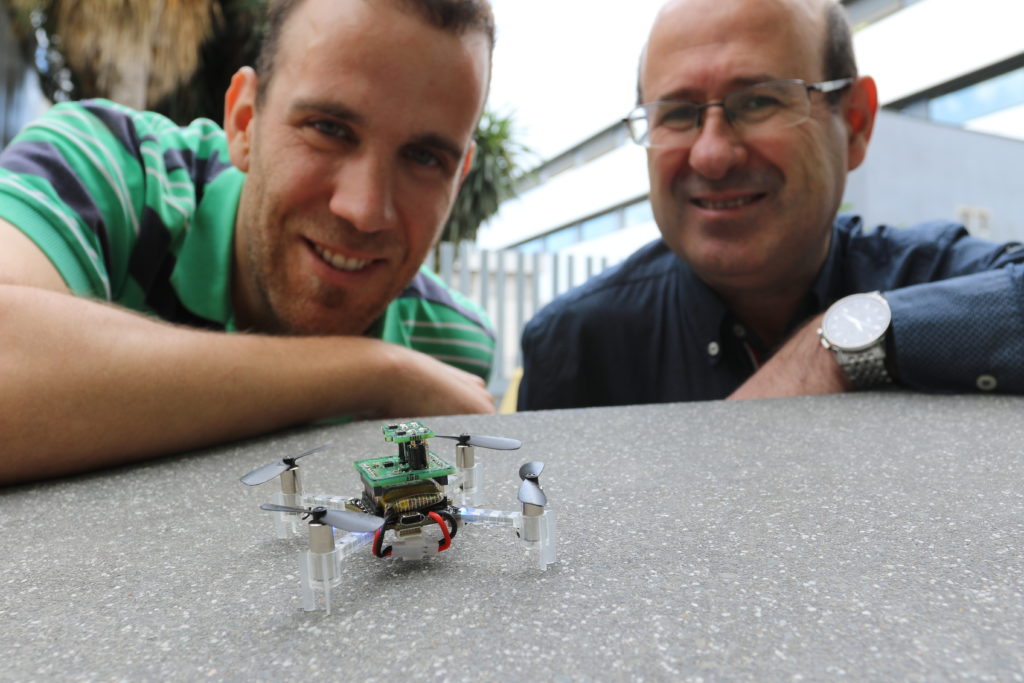
Detectar gases peligrosos en edificios derrumbados por terremotos o explosiones e, incluso, identificar la presencia de posibles víctimas en lugares difícilmente accesibles son algunos escenarios de acción del smelling nanoaerial vehicle (SNAV), un nanodrón que han diseñado y desarrollado los investigadores Santiago Marco y Javier Burgués, de la Facultad de Física de la Universidad de Barcelona y del Instituto de Bioingeniería de Cataluña (IBEC).