TV3 Telenotícies migdia, 02/01/2015
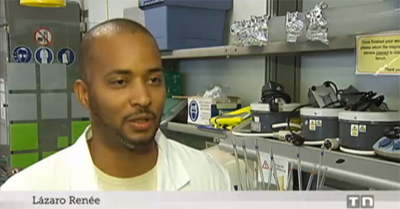
 El pasado viernes el IBEC apareció en las noticias del mediodía en un reportaje sobre la capacidad de Barcelona para atraer a investigadores extranjeros y cómo el Barcelona Centre Universitari ayuda a los recién llegados con el idioma, la administración, el networking y los aspectos legales.
 El Instituto de Bioingeniería de Cataluña (IBEC) es socio en el proyecto ganador de la nueva convocatoria Comunidad para el Conocimiento y la Innovación (del inglés KIC) centrada en vida saludable y el envejecimiento activo.
Innolife, un consorcio de 144 empresas europeas, universidades e institutos de investigación – entre los que se incluye al IBEC – ha sido seleccionados por el Instituto Europeo de Innovación y Tecnología (del inglés EIT) como constituyentes de la comunidad de conocimiento e innovación para la salud.
Former members Prof. Alícia Casals | Group leader Now: UPC / Associated researcher, IBEC The growing potential of robotics in the medical field leads to face challenging problems, but at the same time creates great expectations in society, as new devices and equipment are envisioned as killing solutions with respect to current technology. The IBEC’s … Read more
We are interested in cell–biomaterials interaction, and more specifically, on the dynamic formation of the provisional extracellular matrix (ECM) – the thin protein layer that cells recognize, produce, and remodel at the materials interface. We aim to learn how this process affects the biocompatibility of materials, and if it can be controlled by engineering the … Read more
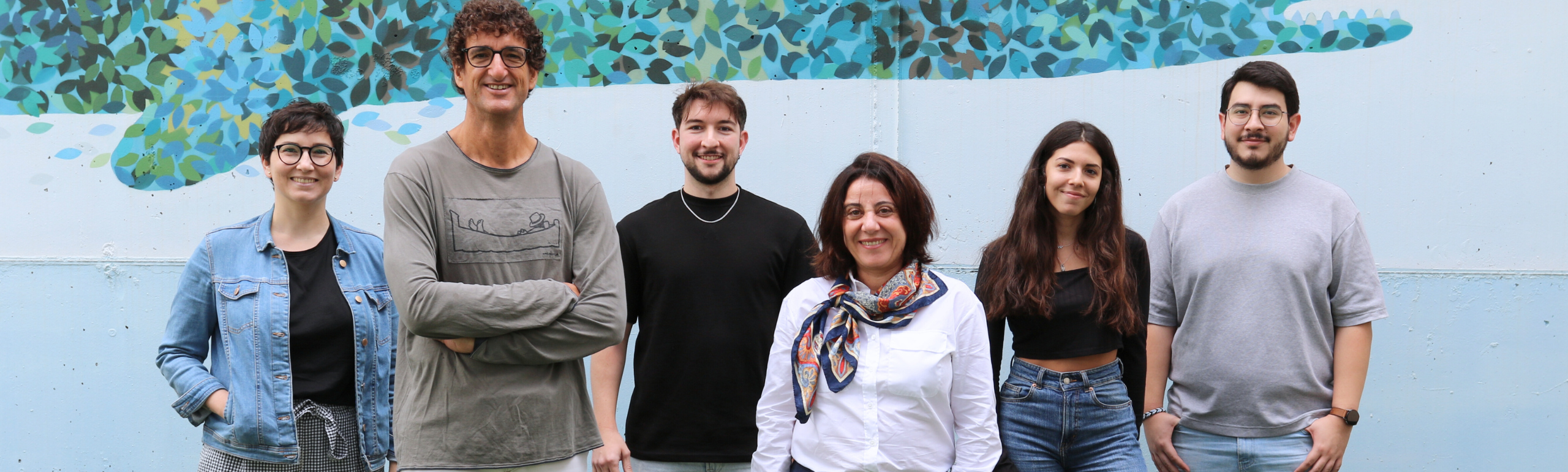
The main goal of the Nanoscale Bioelectrical Characterization group is to develop a multiscale and multimodal (electrical, mechanical) approach to Bioelectricity, covering from the nano- to the microscale. To this end the group combines methods and techniques from Scanning Probe Microscopy, Artificial Intelligence and Organic Bioelectronics. The main objective is to contribute to develop new … Read more
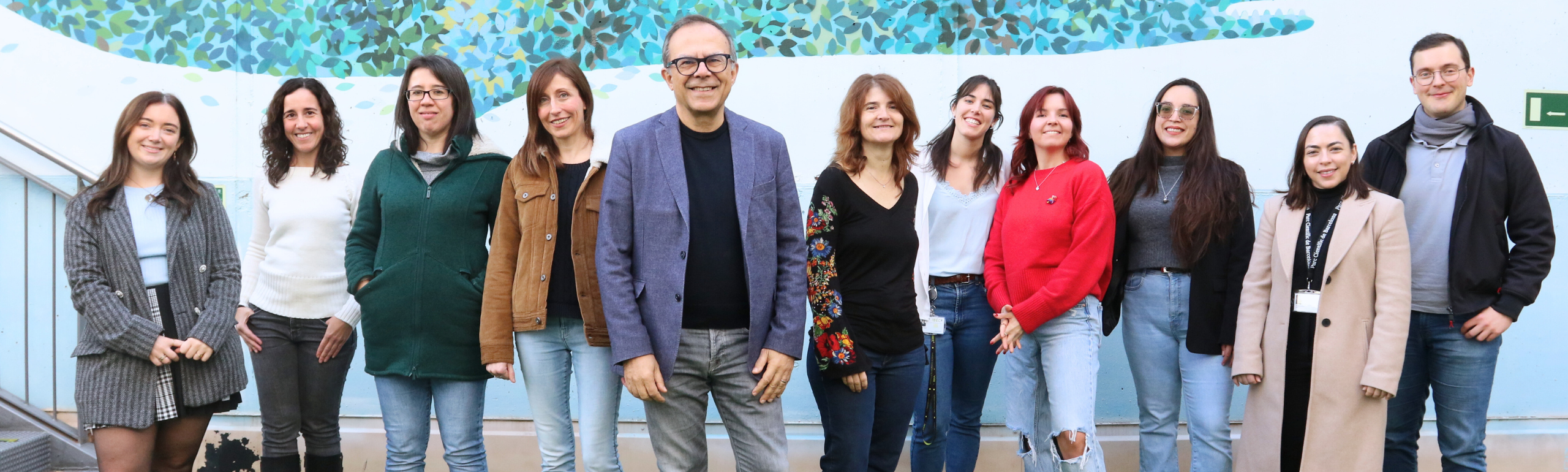
The Nanobioengineering group is a truly multidisciplinary team composed by researchers coming from very diverse backgrounds working together in applying nanotechnology for the development of new biomedical systems and devices, mainly for diagnostic purposes, and integrated microfluidic Organ-on-Chip devices for the study of organ physiology, disease etiology, or drug screening. The goal is to fabricate … Read more
Research in the laboratory focuses on developing nanoscale tools to study biological systems. These tools include instrumentation based on proximity probes, such as electrochemical tunnelling microscopy and spectroscopy and single molecule force spectroscopy, that we apply to investigate electron transfer in individual redox proteins, and other biophysical and biochemical interactions. These studies are relevant to … Read more
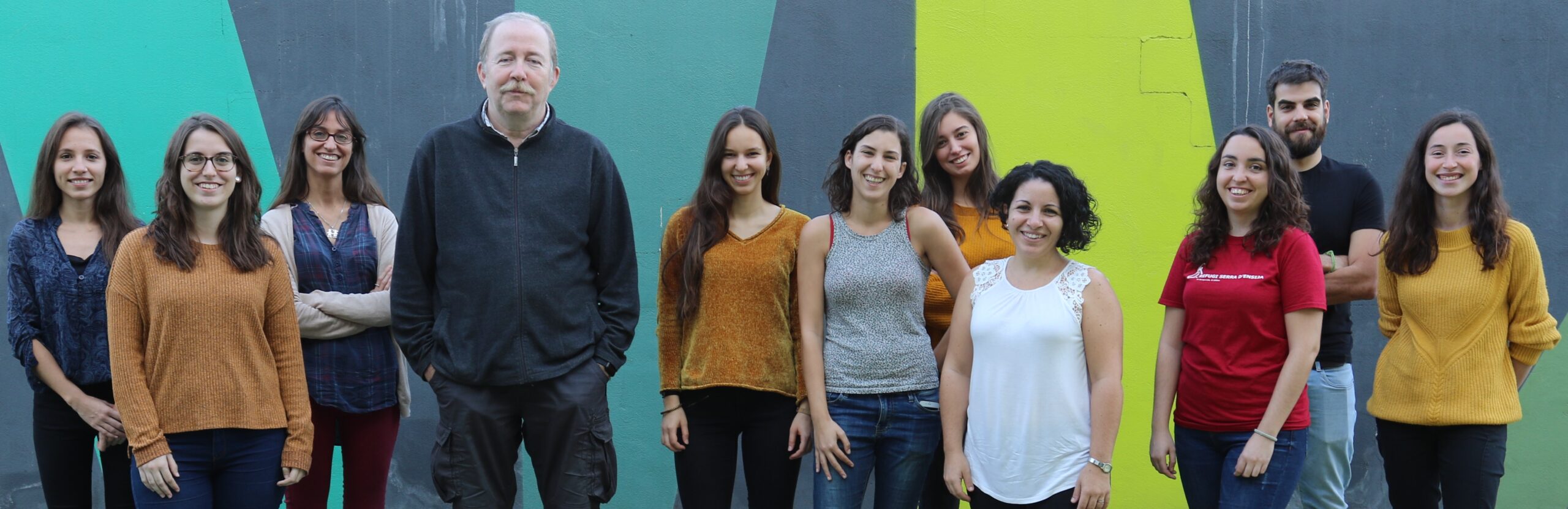
Our research interests are focused on three main aspects of developmental neurobiology and neurodegeneration: development of new lab on chip devices for neurobiological research, new strategies to avoid α-synuclein and tau transport in neurons and new approaches to enhance axon regeneration after lesion. Development of new lab on chip devices for neurobiological research One of our focus is to mimic the … Read more
Former group leader: Antonio Juárez 1. Structure and function of bacterial proteins that modulate virulence expression Protein–protein and protein–DNA interactions play key roles in the ability of virulent bacteria to adapt to the host environment and cause disease. A group of proteins is currently the focus of our research: nucleoid-associated proteins (NAPs) that contribute to … Read more
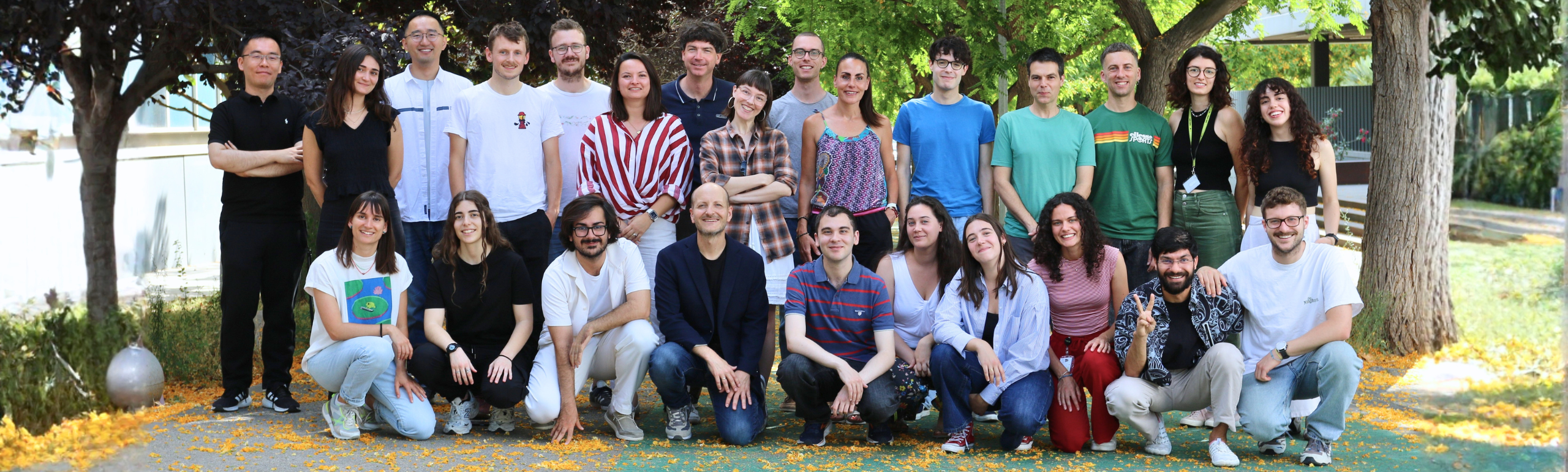
We aim at understanding how physical forces and molecular control modules cooperate to drive biological function. We develop new technologies to map and perturb the main physical properties that determine how cells and tissues grow, move, invade and remodel. By combining this physical information with systematic molecular perturbations and computational models we explore the principles … Read more