

ABOUT
The inability of the central nervous system (CNS) to regenerate has been attributed to several factors: First, the natural formation of cellular “bridges” essential for axonal regeneration does not occur at the site of injury. Second, the injured CNS fails to produce growth factors necessary to stimulate regeneration. Third, neurons in the injured CNS do not adequately initiate a “growth program” necessary for new regeneration. Finally, the environment of the injured adult spinal cord presents obstacles to regeneration, specifically due to inhibitory extracellular matrix molecules that accumulate around the injury site and the presence of inhibitory proteins in adult myelin that hinder regeneration.
We are committed to elucidating the molecular processes underlying neuronal regeneration and using these insights to develop practical strategies for repairing damaged CNS circuits.
Our research covers a broad spectrum from the identification of ECM molecules that impede axon regeneration to the development and application of advanced biomimetic materials in spinal cord injury (SCI) models.
Our group is interested in elucidating the molecular mechanisms governing regenerative failure after central nervous system injury and leveraging this knowledge to develop rationally tuned biomaterial strategies to reverse paralysis. Our goal is to translate these findings to humans.
RESEARCH FOCUS
Understanding the Barriers to Regeneration:
The primary focus of this research is to understand the role of the extracellular matrix (ECM) in spinal cord injury and regeneration.
Using quantitative mass spectrometry proteomics, our team is characterizing the ECM and ECM-associated proteome in spinal cords across developmental stages and injury conditions. This approach allows the identification of specific ECM components that change after injury, providing insight into potential therapeutic targets.
The comprehensive proteomic profile is further enhanced by transcriptomic profiling to identify soluble components, cellular contributors, and spatial information. This in-depth analysis of the ECM in both healthy and injured states aims to unravel the complex interactions and changes that occur and to guide the development of strategies to modulate the ECM to promote regeneration
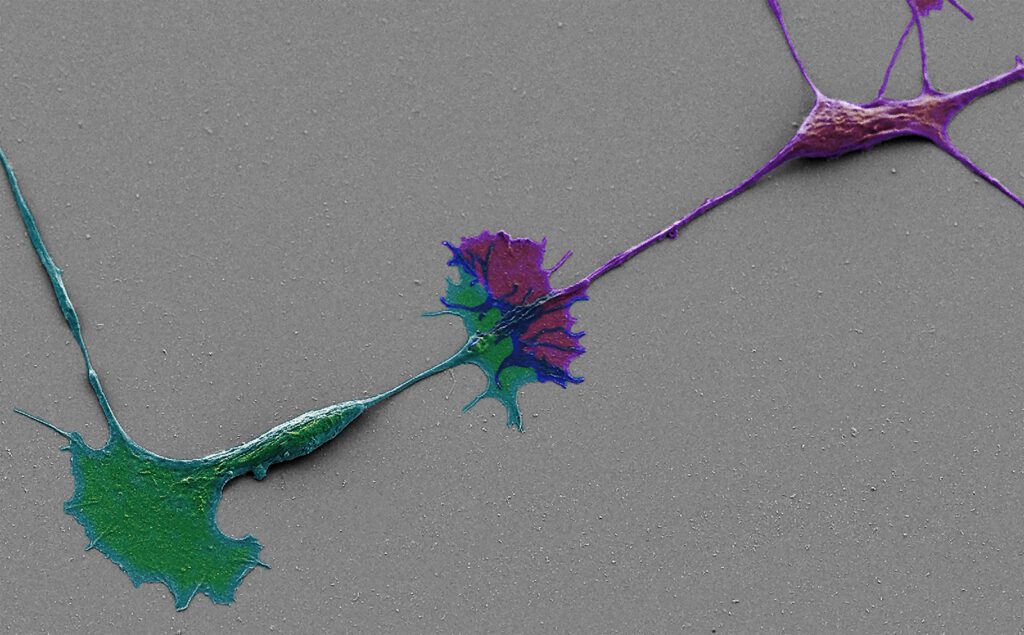
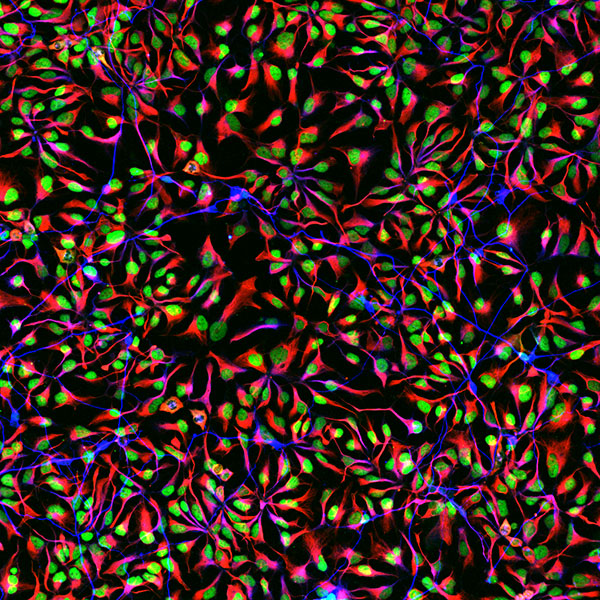
Human spinal motor neurons grown on artificial matrix. SEM image of neurons interacting through their growth cones. Cells are falsely colored in green and purple.
New tools to study injury and regeneration in vitro:
This research area uses cutting-edge bioengineering methods and three-dimensional systems to mimic spinal cord structures and analyze their responses to injury in the laboratory. It uses two primary techniques:
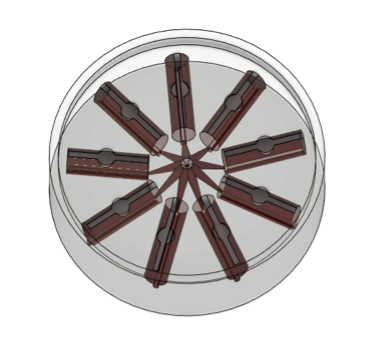
1. Human Spinal Cord Organoids (hSCOs): hSCOs are generated using 3D printed organoid-on-a-chip technology, which creates a tubular shape that mimics the geometry of the spinal cord. This structure allows us to study how the shape of the tissue affects cellular organization within the organoids. In addition, by incorporating ECM signals at specific times after spinal cord injury, the study aims to explore the evolving nature of spinal cord injury and evaluate treatments based on ECM components identified through this research.
2. 3D printed human spinal cord constructs: This method combines two sophisticated printing technologies – cell bioprinting and volumetric printing – to produce a detailed, four-dimensional model of the human spinal cord with precise accuracy. The focus is on faithfully reproducing the white and gray matter of the spinal cord. It uses an exoskeletal framework to strategically place each bioprinted cell, closely mimicking the architecture of the spinal cord. This approach is designed to provide insight into the dynamic functional behavior of the spinal cord in vitro.
Translational Strategies for the Treatment of Spinal Cord Injury:
The third area of our research focuses on the development of innovative and effective biomaterial-based therapies for spinal cord injury (SCI) using in vivo models. Our team is implementing two different approaches depending on the stage of injury:
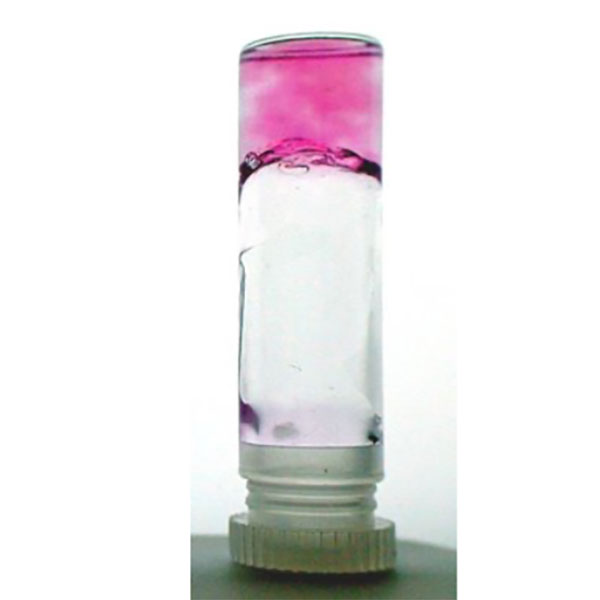
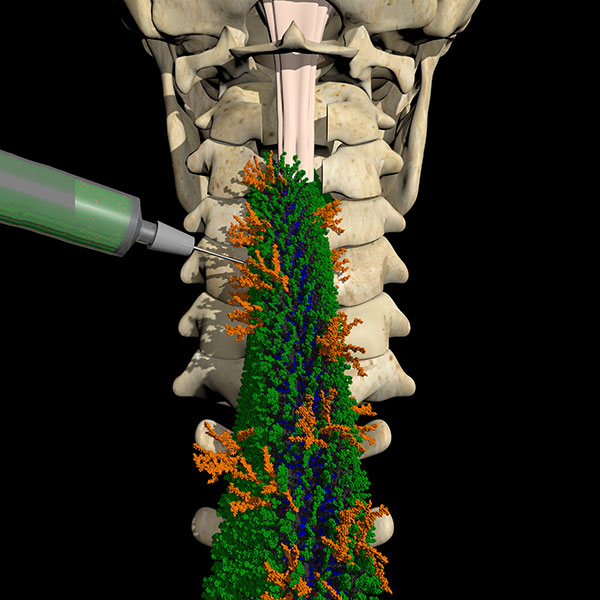
1. Injectable functionalized synthetic hydrogels for acute injury: We are creating chemically defined hydrogels that mimic various ECM signals, specifically tailored to treat the early stages of spinal cord injury. The goal is to study their impact on factors such as inflammation, cell survival, blood vessel formation, glial scar formation, and nerve fiber regeneration
2. 3D printed spinal cord constructs for chronic injury: For more advanced chronic spinal cord injuries, we are developing artificial 3D constructs embedded with ECM signals and living cells. These constructs are designed to provide nutritional support, promote neural growth, and support the functional development of native cells in nearby tissues. The primary goal is to enhance the integration, maturation, and connectivity of transplanted cells, which is critical for restoring motor function in models of chronic spinal cord injury.
HIGHLIGHTS
October 27th, 2026
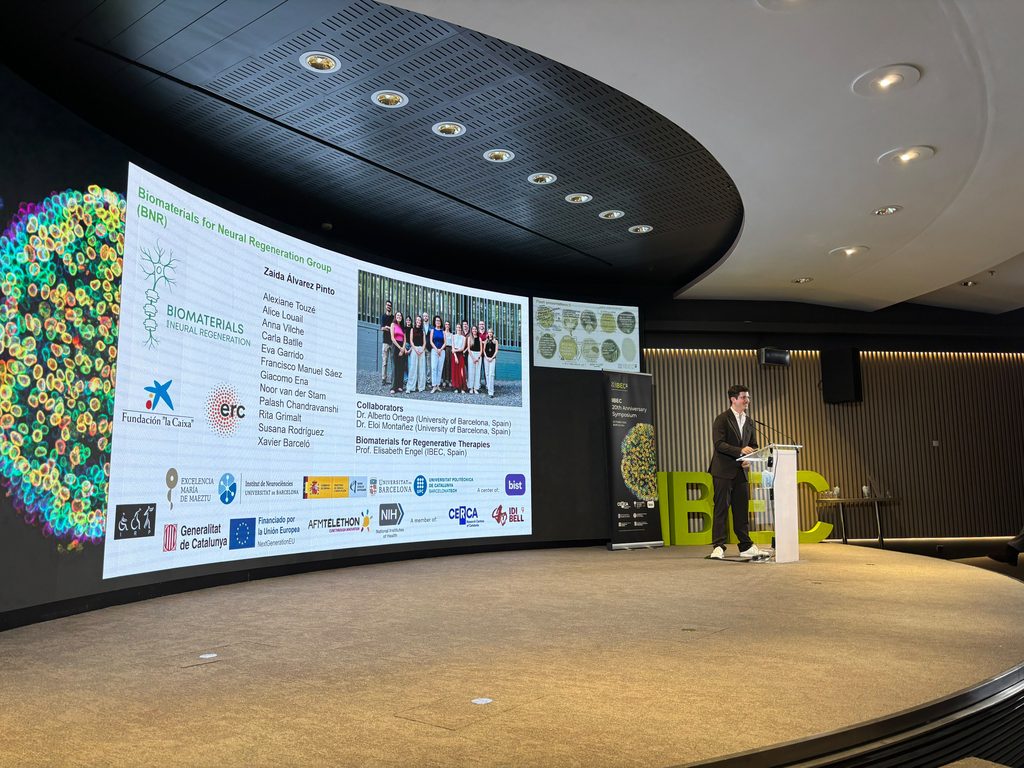
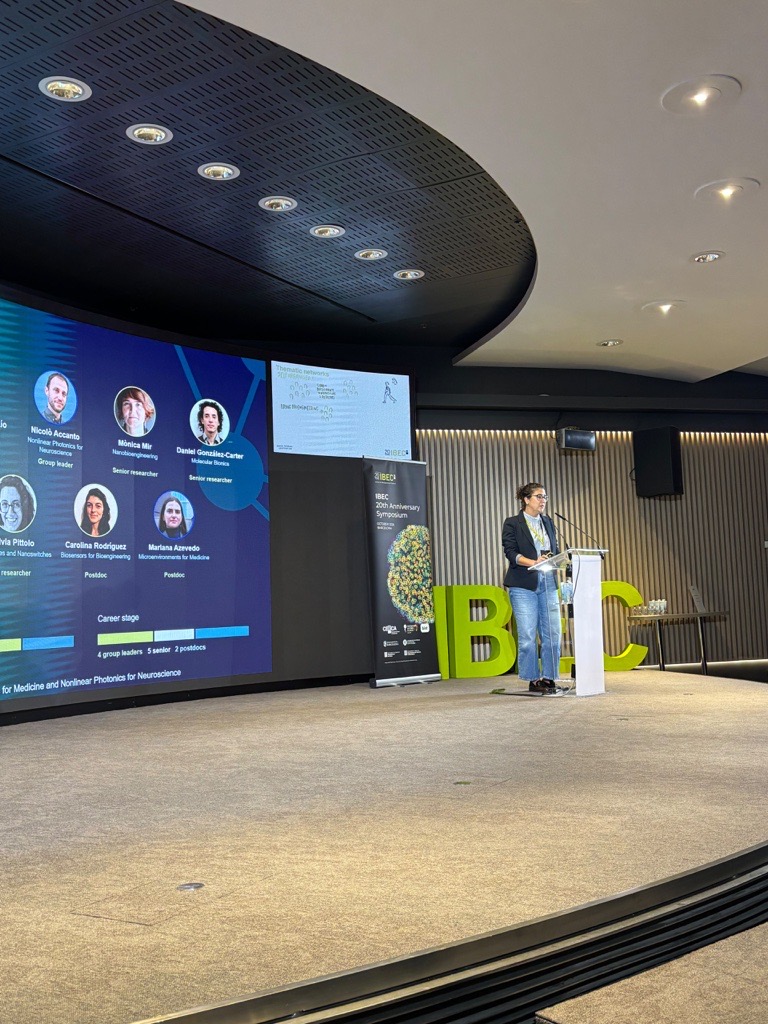
IBEC 20th Anniversary Symposium
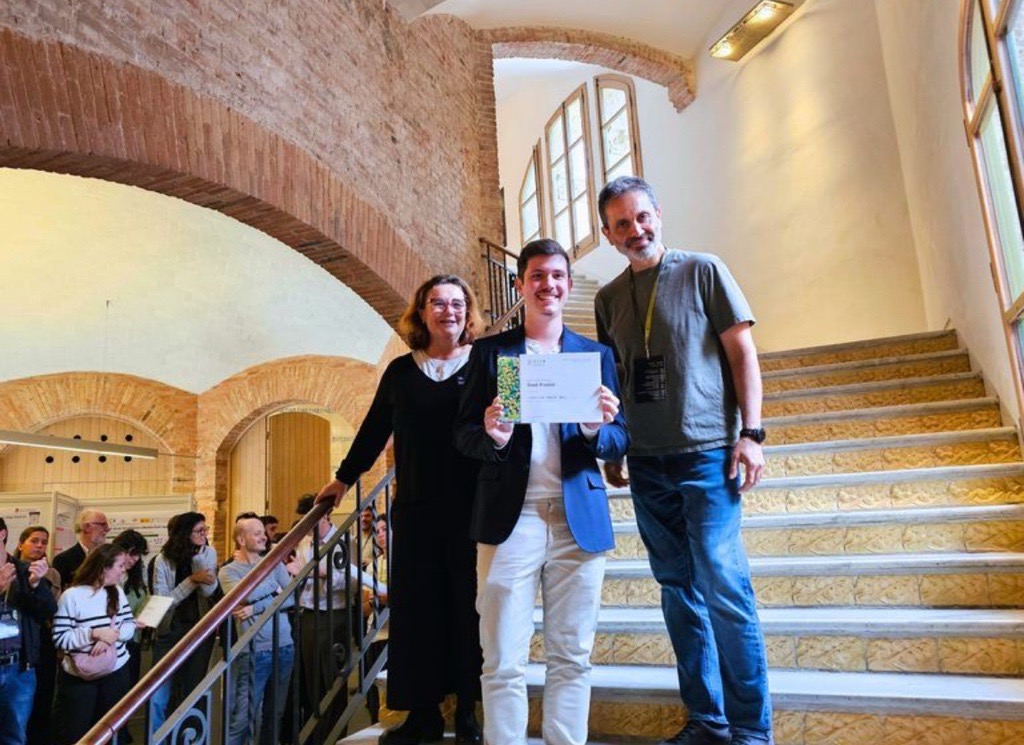
Last week, we celebrated the 20th anniversary of IBEC with a special edition of our annual symposium. It was a great couple of days of science, ideas, and conversation. We learned a lot about the ongoing research at IBEC through a series of flash talks and had the chance to exchange with colleagues from across the community. Thank you to the organizers for such a stimulating event, and to everyone who stopped by to discuss our research.
We’re especially proud to share that Francisco Sáez from our lab was awarded Best Poster for the work “From Organoids to Assembloids: Modelling Neurovascular Dynamics in Spinal Cord Injury”. Congratulations, Fran! 👏
July 22nd, 2026
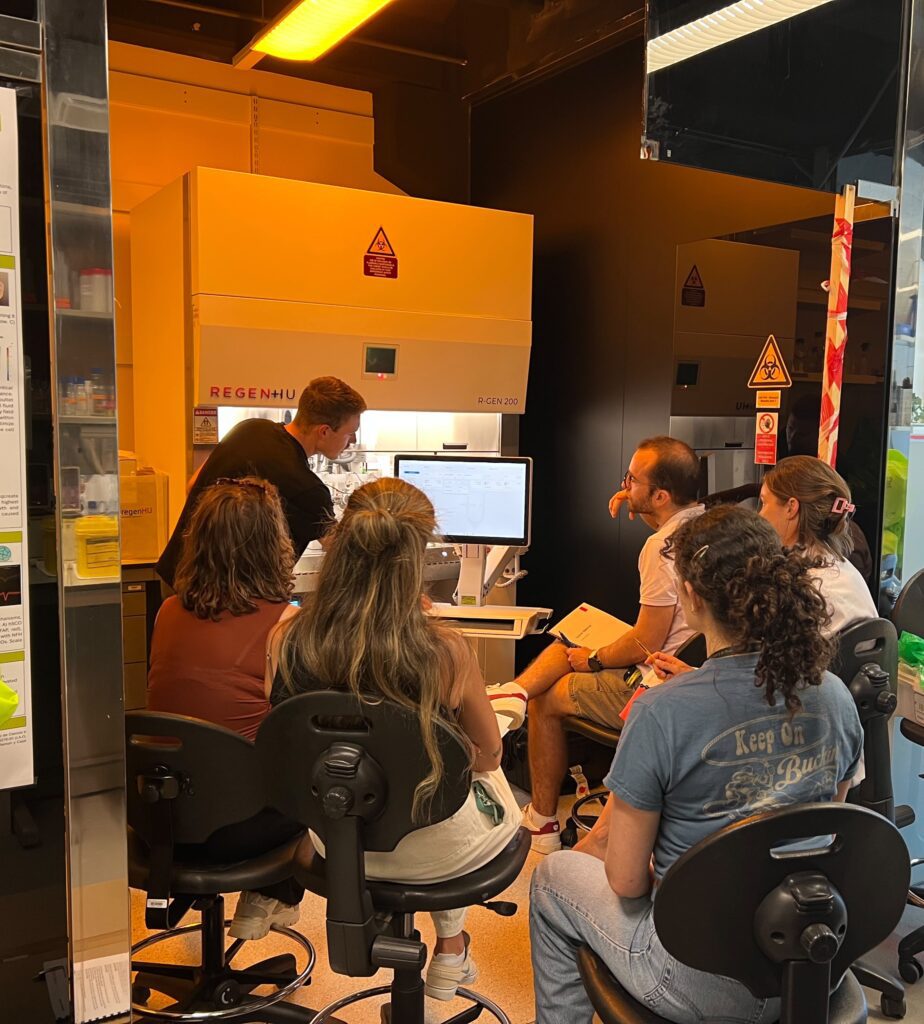
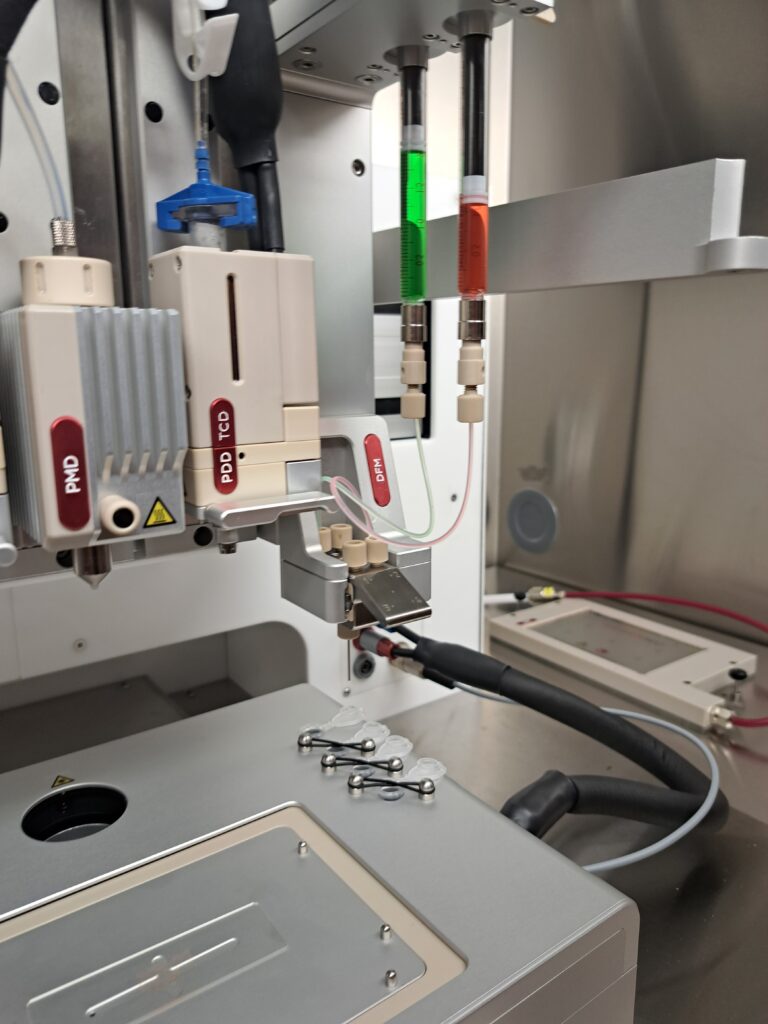
Arrival of our new RegenHU R-GEN 200 Bioprinter
Exciting news! We are proud to announce the arrival of our new RegenHU R-GEN 200 Bioprinter, a major milestone for our laboratory, thanks to the support of the ERC Consolidator Grant SPINECRAFT. This investment will expand our capabilities in advanced biofabrication and tissue engineering, enabling us to accelerate research, explore new applications, and continue pushing the boundaries of innovation in regenerative medicine and biotechnology. With this cutting-edge technology, we will bioprint living cells and biomaterials, creating advanced 3D spinal cord in vitro models to support research on spinal cord injury and regenerative therapies. We’re excited to begin this new chapter and look forward to sharing our progress and discoveries.
July 13th, 2026
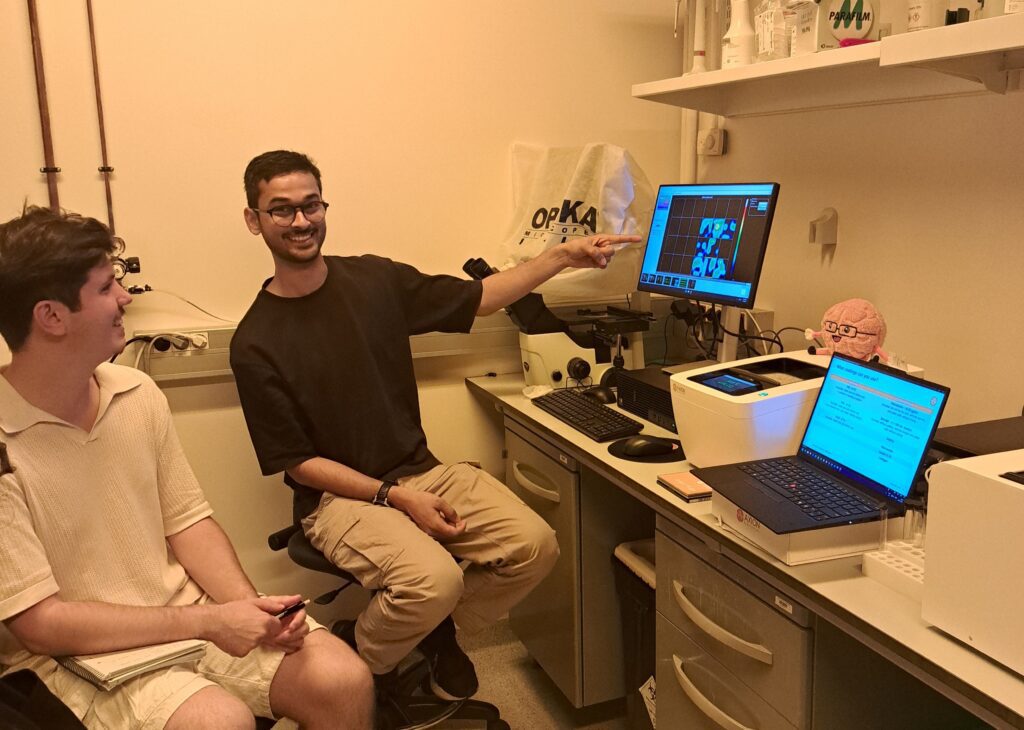
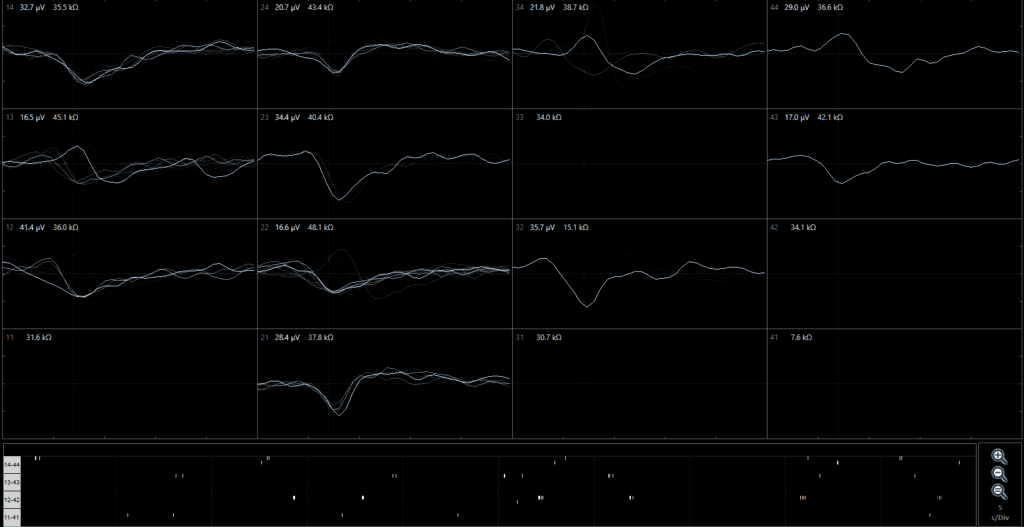
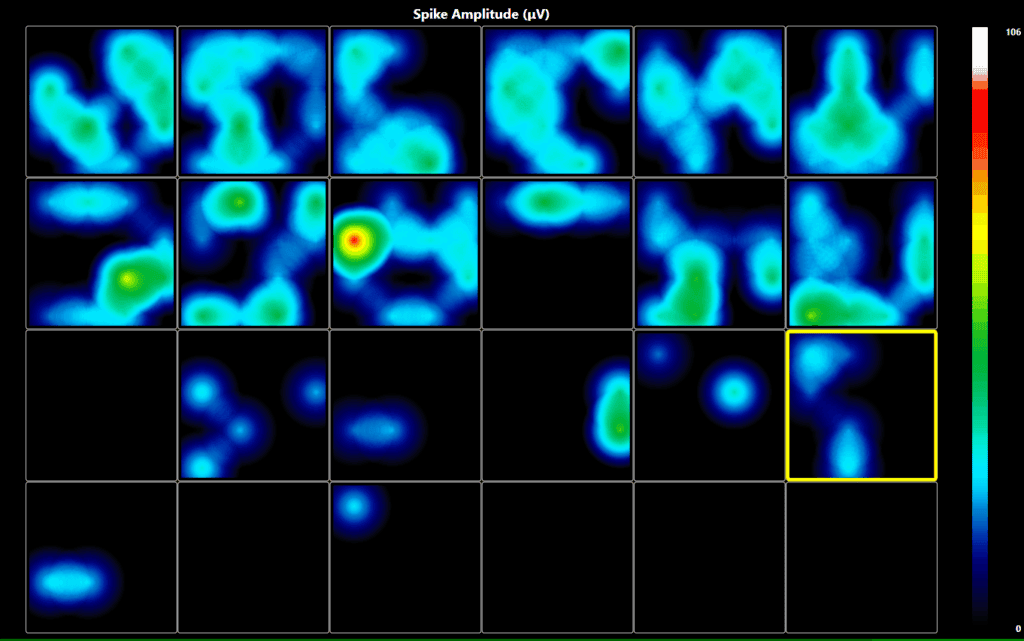
New MEA Platform to Boost Electrophysiology Research
This week, our lab received a Maestro Pro Multi-Electrode Array (MEA) platform, thanks to the support of the ERC Consolidator Grant SPINECRAFT. We completed training with AXION Biosystems and have already started playing and recording neuronal activity both in 2D and 3D cultures. The MEA platform will be an essential part of our electrophysiology workflow, enabling reliable, high-throughput functional recordings with excellent data quality and reproducibility, and serving as a valuable resource to advance our research.
June 15th, 2026
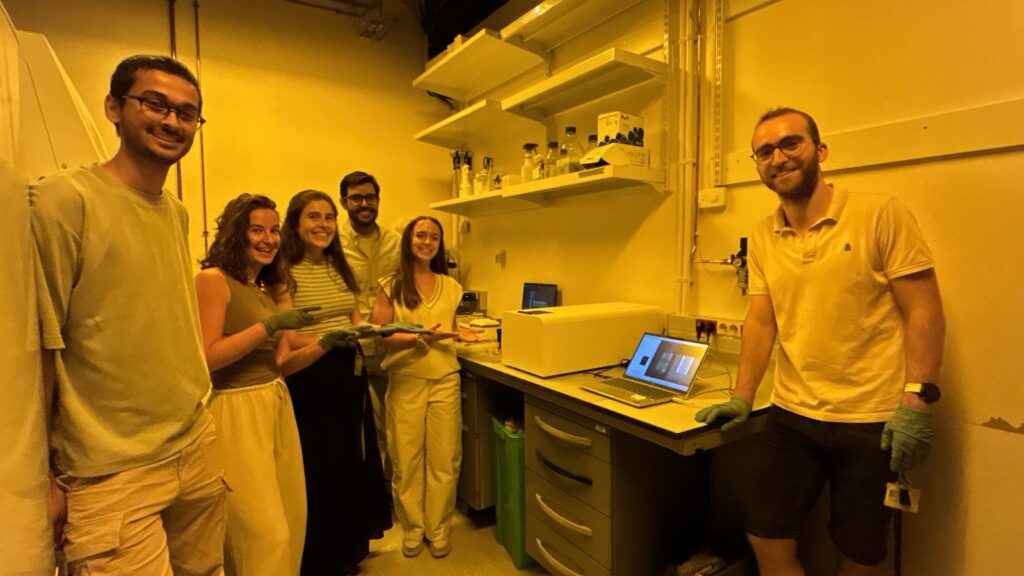
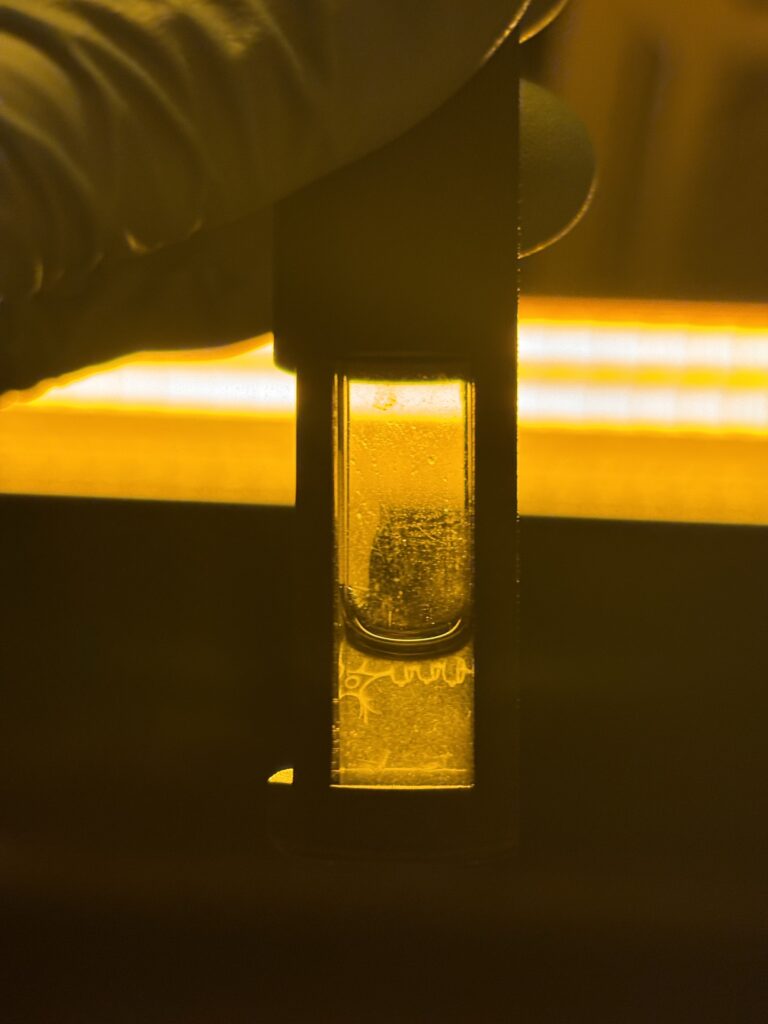
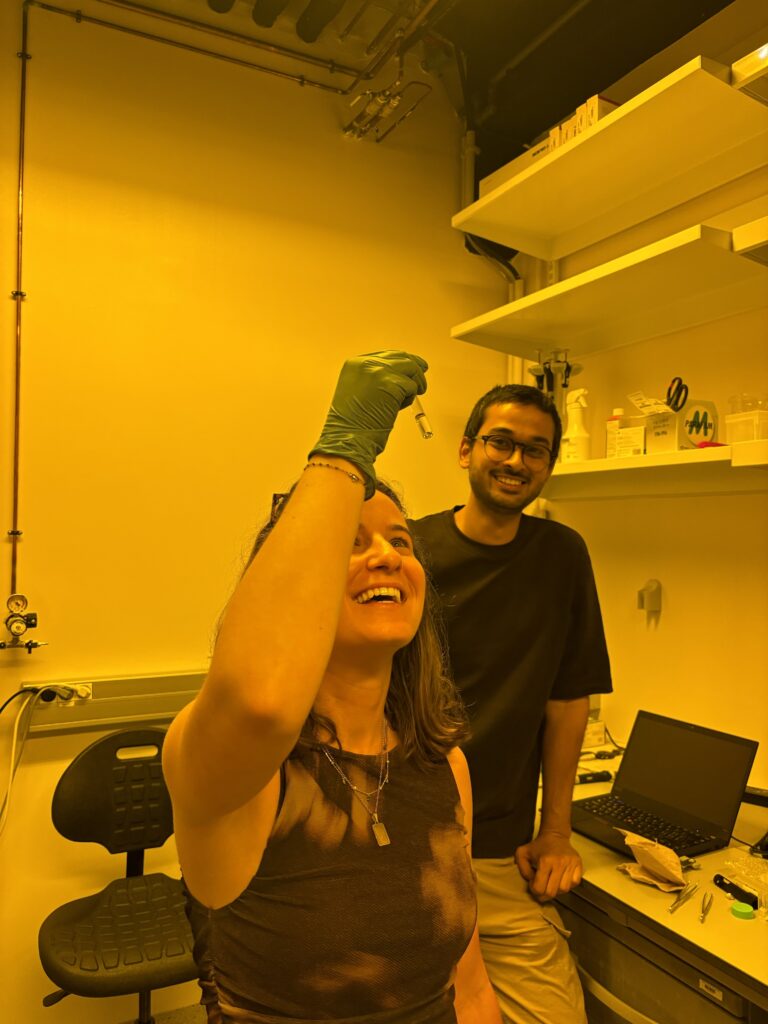
Expanding Our Capabilities in 3D Bioprinting
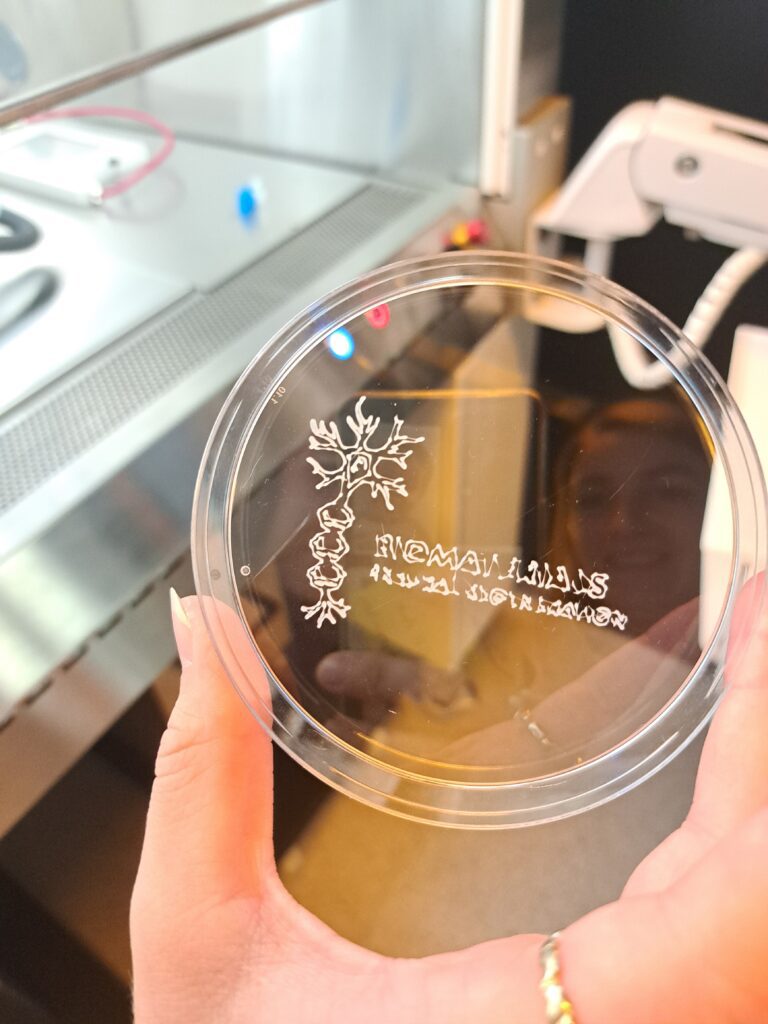
We are pleased to share that our lab has incorporated a new Volumetric Bioprinter, currently unique in Spain, with support from the ERC Consolidator Grant SPINECRAFT. Our team has already followed hands-on training delivered by the Readily 3D team and printed the first structures, including the logo of the lab! The printer will be dedicated to scaffold fabrication to build more advanced spinal cord models and accelerate our research.
IBEC NEWS
IBEC researchers highlight the role of women in science in different media
Coinciding with the celebration of 11 February, the Day of Girls and Women in Science, Nuria Montserrat is one of the three protagonists of the Constantes y Vitales campaign entitled … Read more
Scientists obtain mature neurons from stem cells in the lab to improve the study of neurodegenerative diseases
IBEC researcher Zaida Álvarez and UB researcher Alberto Ortega have produced the first highly mature neurons grown in the lab from pluripotent stem cells using a synthetic matrix. Until now, … Read more
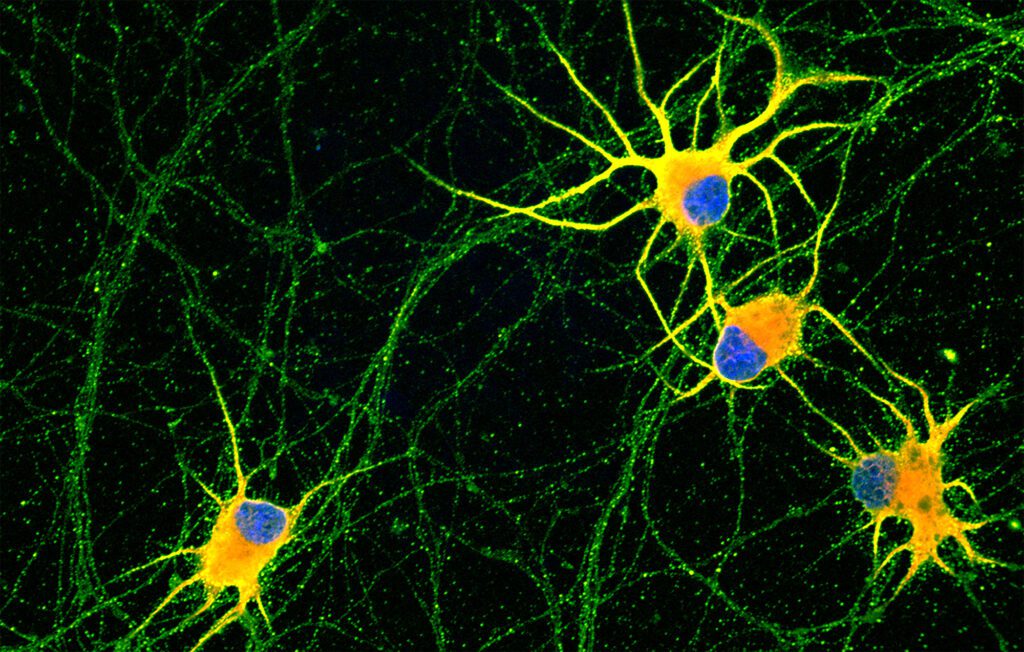
Researchers manage to grow mature neurons at the lab to study neurogenerative diseases
Researches from the Institute for Bioengineering of Catalonia (IBEC) and the University of Barcelona (UB) have achieved the creation of the first highly mature neurones from human induced pluripotent stem … Read more

Zaida Álvarez receives the Muy Nanotecnología award and a special mention from the Duran Farell Research Technology Award
On November 29th, Zaida Álvarez, a ‘Ramon y Cajal’ researcher at the Institute of Bioengineering of Catalonia (IBEC), received the Muy Nanotecnología award from the Minister of Science and Innovation, … Read more
STAFF
Staff members
 ibecbarcelona.eu
PROJECTS
Projects as Principal Investigator
ERC-CoG (European Research Council)
Engineered Humanized Spinal Cord Constructs for Advanced Regeneration
Project code: ERC-COG-2025-101230979
Period: 2026–2031
CaixaHealth (La Caixa Foundation)
Human Vascularized Spinal Cord Organoid Device for Drug Discovery after Traumatic Injury
Project code: HR25-00406
Period: 2025–2028
Generación de Conocimiento (Ministerio de Ciencia, Innovación y Universidades)
In vivo Models of Humanized Spinal Cord Injury
Project code: PID2024-162574OB-I00
Period: 2025–2028
International Foundation for Research in Paraplegia (IFRP)
Human Vascularized Spinal Cord Organoids
Period: 2024–2026
R01 Grant NIH (National Institutes of Health)
Refining iPSC-Based Spinal Cord Model Systems by Fabricating Developmentally Programmed Extracellular Matrix Cues
Project code: R01 AG086270
Period: 2024–2029
Competitive Fellowships and Grants Obtained for Supervised Researchers
INPhINIT (La Caixa Foundation)
Recipient: Alexiane Touzé
Period: 2026–2029
Juan de la Cierva (Ministerio de Ciencia, Innovación y Universidades)
Code: JDC2023-051798
Recipient: Xavier Barceló
Period: 2024–2026
FPI (Ministerio de Ciencia, Innovación y Universidades)
Code: PRE2022-101803
Recipient: Palash Chavandranshi
Period: 2023–2027
IBEC Master Fellowship
Recipient: Anton Fornies
Period: 2023–2024
FI-STEP (AGAUR Generalitat de Catalunya)
Code: 2025 STEP 00182
Recipient: Rita Grimalt
Period: 2022–2025
PUBLICATIONS

Check for more detailed information on the outputs of the Group at IBEC CRIS portal.
Publications list:
EQUIPMENT
3D PRINTING
- Bio II Advance PLUS 3. Biological Safety Cabinet (TELSTAR)
- Anycubic Photon mono 4k + curing station (ANYCUBIC)
- Anycubic Photon M3 Premium + curing station (ANYCUBIC)
- Original Prusa Mini+ (PRUSA)
- LUMEN X Gen 3 3D Bioprinter (Lumenex)
- Volumetric 3D printer Tomolite v2.0 (Readily3D)
- R-GEN 200 BIOPRINTER (RegenHU)
- Microelectrode array (MEA) Maestro Pro (AXION Biosystem)
- IMARIS WORK STATION
ANIMAL FACILITY
- IH-0415 Infinite Horizon IMPACTOR Mouse/Rat
- DigiGait Imaging System – Mouse Only with Incline
- WPI Stereotaxic for mice, Digi and Portable, SGL M
COLLABORATIONS
- Samuel I. Stupp (Simpson Querrey Institute, Northwestern University)
- Aitziber López Cortajarena (CICbiomagune)
- Juan Alberto Ortega (Universitat de Barcelona)
- Evangelos Kiskinis (Northwestern University)
- Ivan R. Sasselli (CSIC)
- Elena Sanchez Lopez (Universitat de Barcelona)
- Riccardo Levato (Utrect University)
- Simone Di Giovani (Imperial College)
- Antonio Oliviero (Hospital Nacional de Parapléjicos de Toledo)