
The Bioengineering in the Territory project aims to decentralize scientific knowledge and promote scientific education in an equitable way across the region. We want to ensure that everyone, regardless of their geographic location or social background, has access to quality science education.
Territory is one of the core pillars of IBEC’s educational project, through which we aim to contribute to the democratization of science. With this program, we strive to ensure that scientific education reaches all areas equally, avoiding the concentration of initiatives in major urban centers.
Our goals:
- Democratize knowledge
- Bring science closer to society
- Encourage and strengthen scientific vocations among young people, especially girls
- Promote inclusion and equal opportunities
Schools
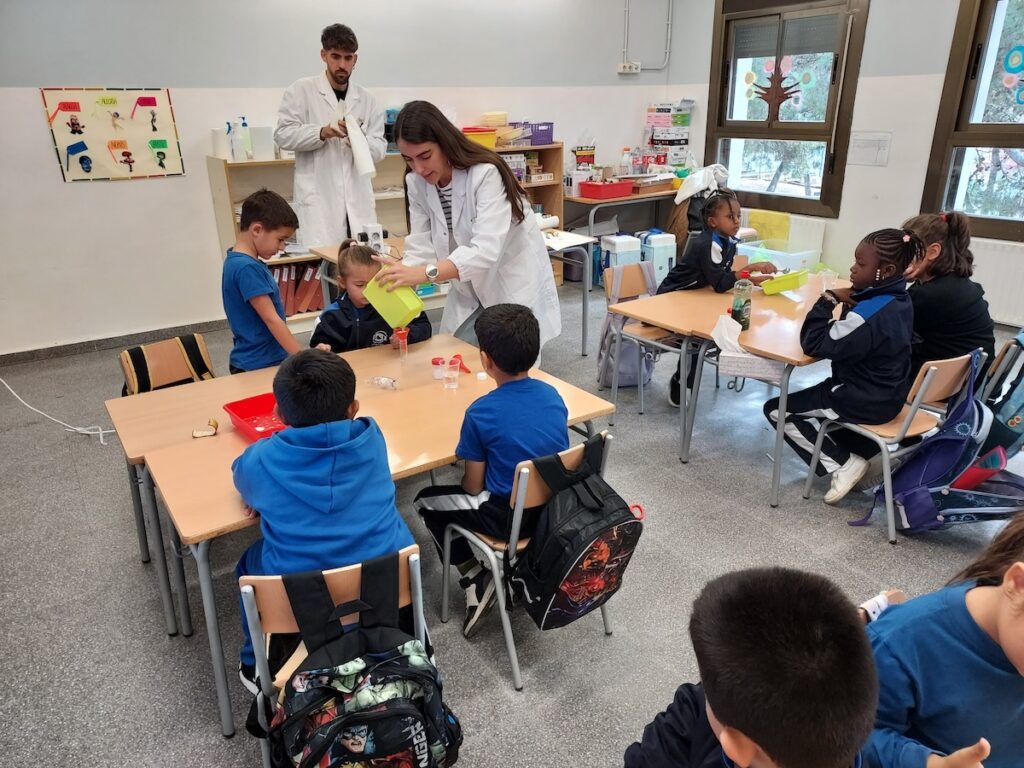
This initiative was launched in 2021, when IBEC and the Secretariat of Rural Schools of Catalonia (SERC) signed a collaboration agreement with the aim of promoting joint activities for rural primary schools. The goal is to bring bioengineering closer to the smallest schools and those with less access to scientific environments.
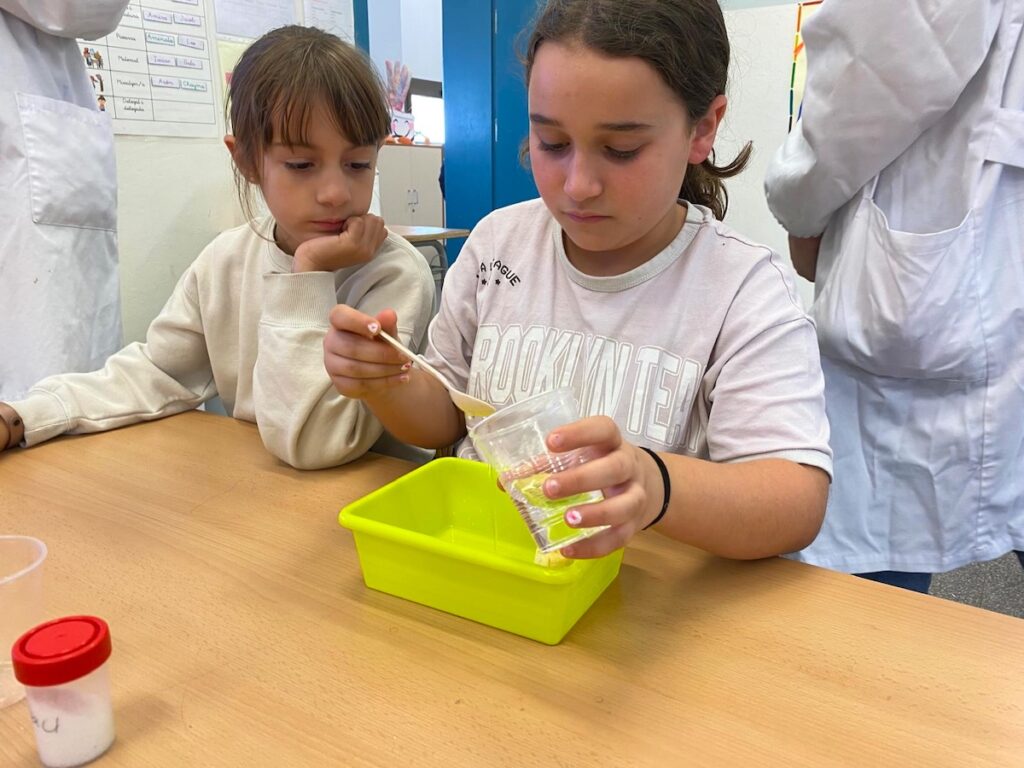
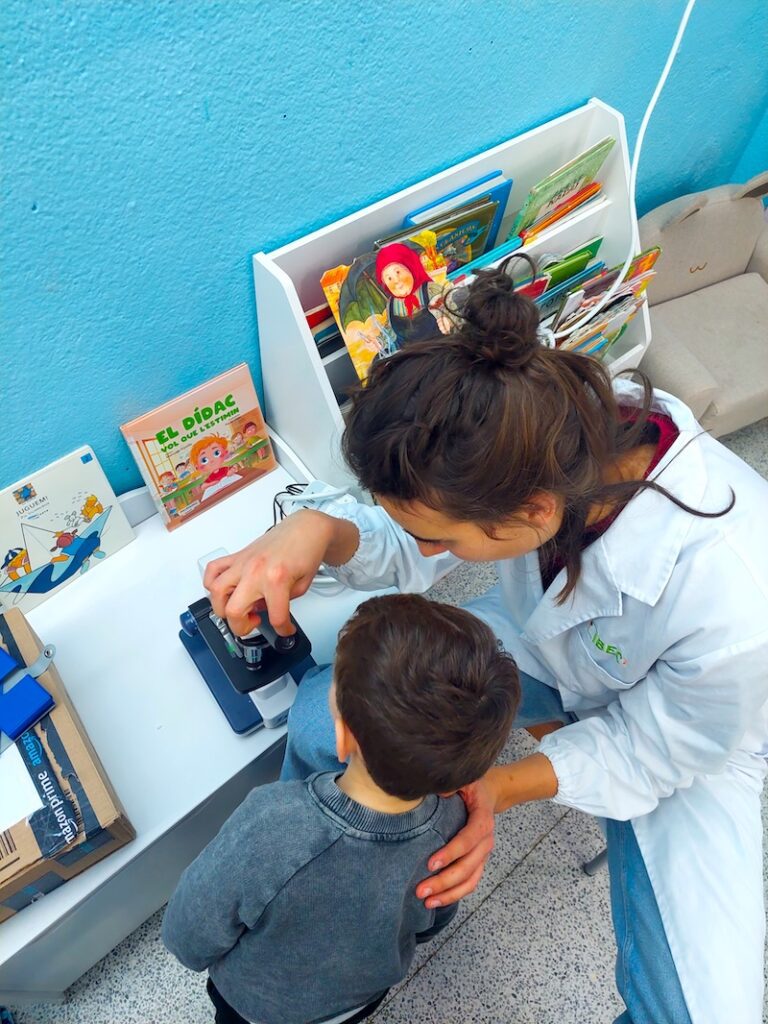
Each year, a team of researchers from IBEC travels to various rural school zones (ZERs) in Catalonia to carry out hands-on science workshops and activities. In this way, students from more remote areas can enjoy unique experiences that allow them to explore the world of research and technology first-hand.
As of March 2025, we have carried out activities in 16 of the 88 existing ZERs in Catalonia, as well as in two rural schools.
Schools visited by IBEC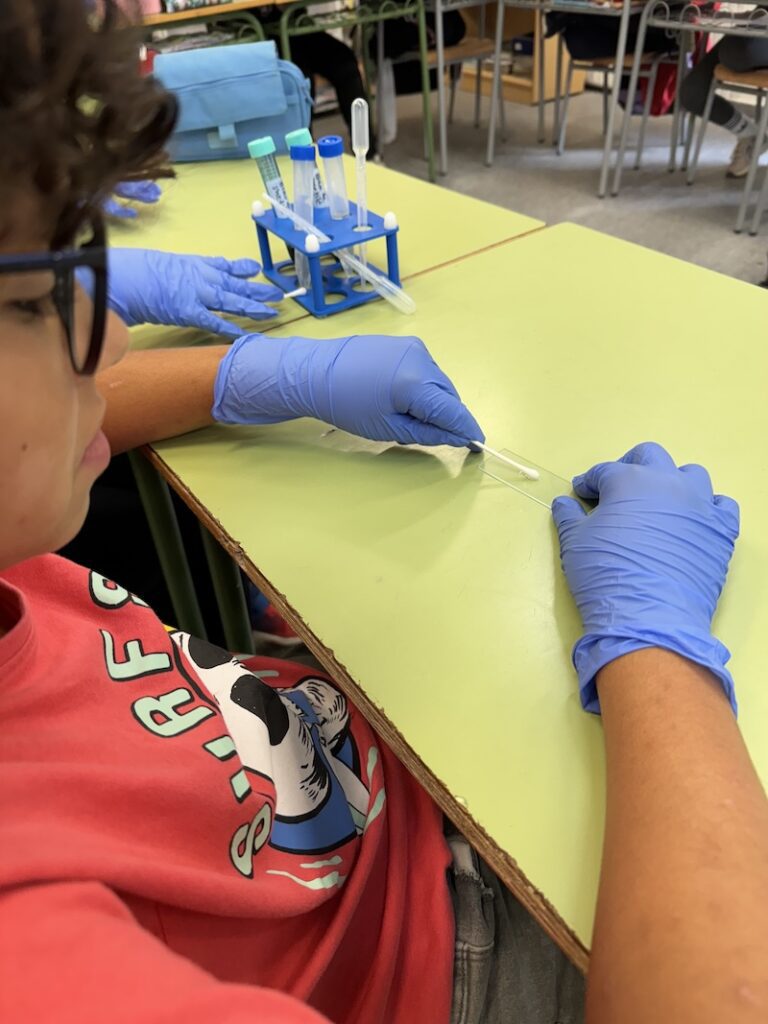
Bioengineering in Rural Areas Project
The project
The project “Bioengineering in Rural Areas: Science Education and Outreach for All” has received support from the Department of Research and Universities of the Government of Catalonia through the 2023 call for proposals “Grants for Projects with Social Impact (IMPACTE)” (2023 IMPAC 00016).
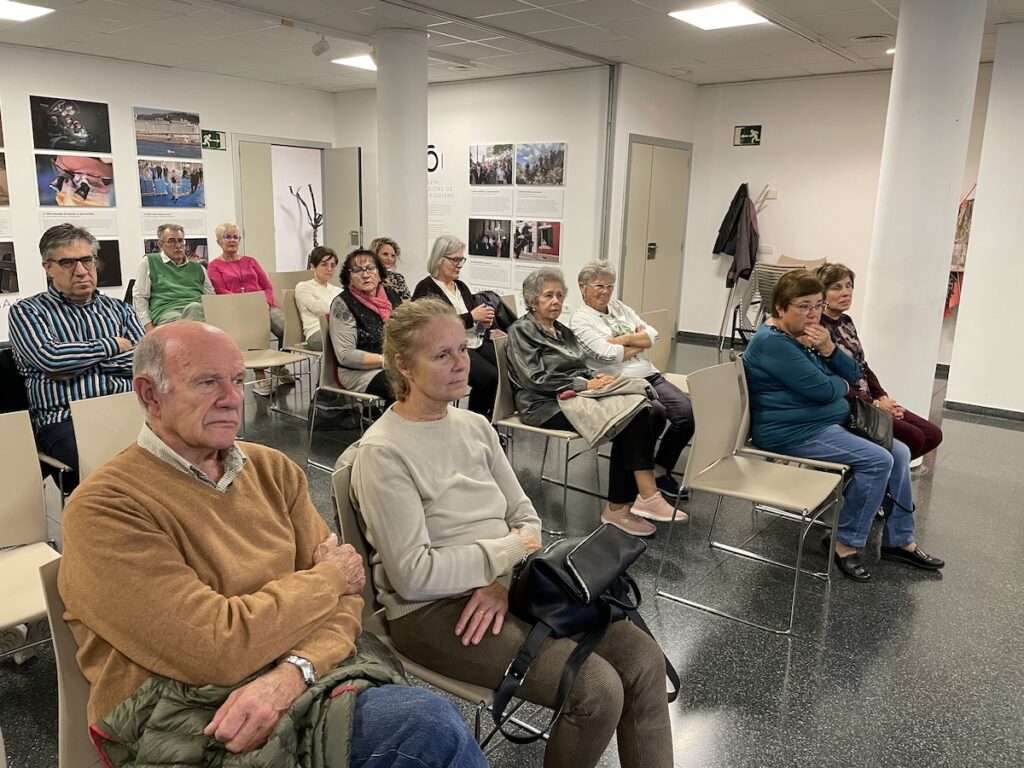
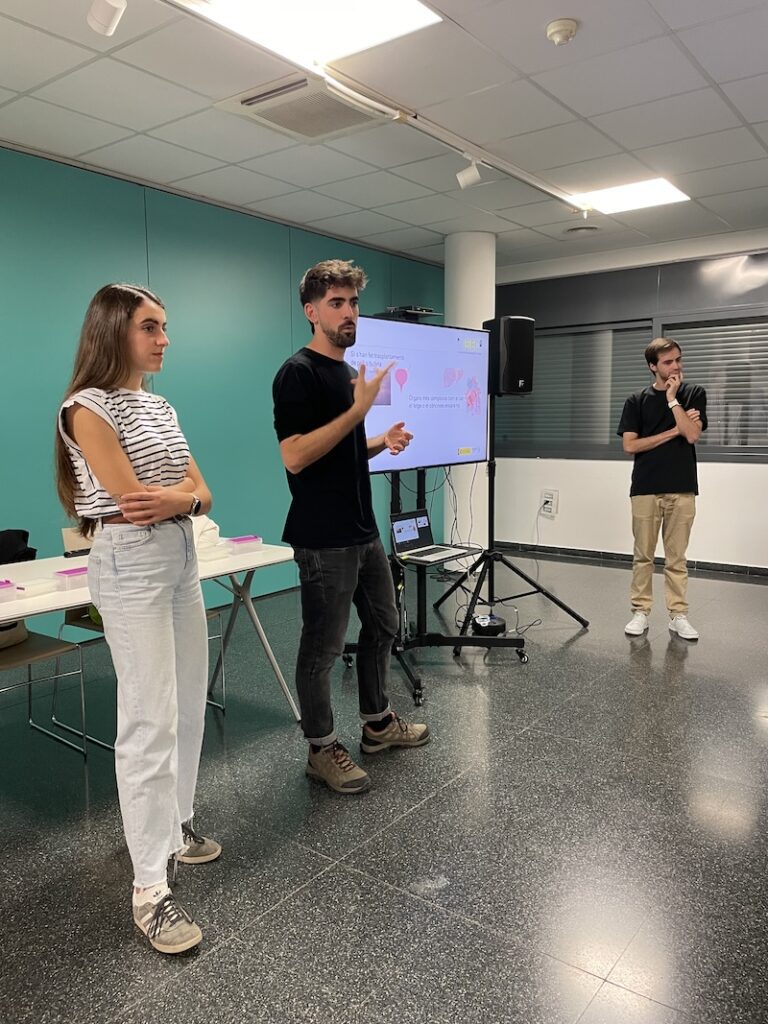
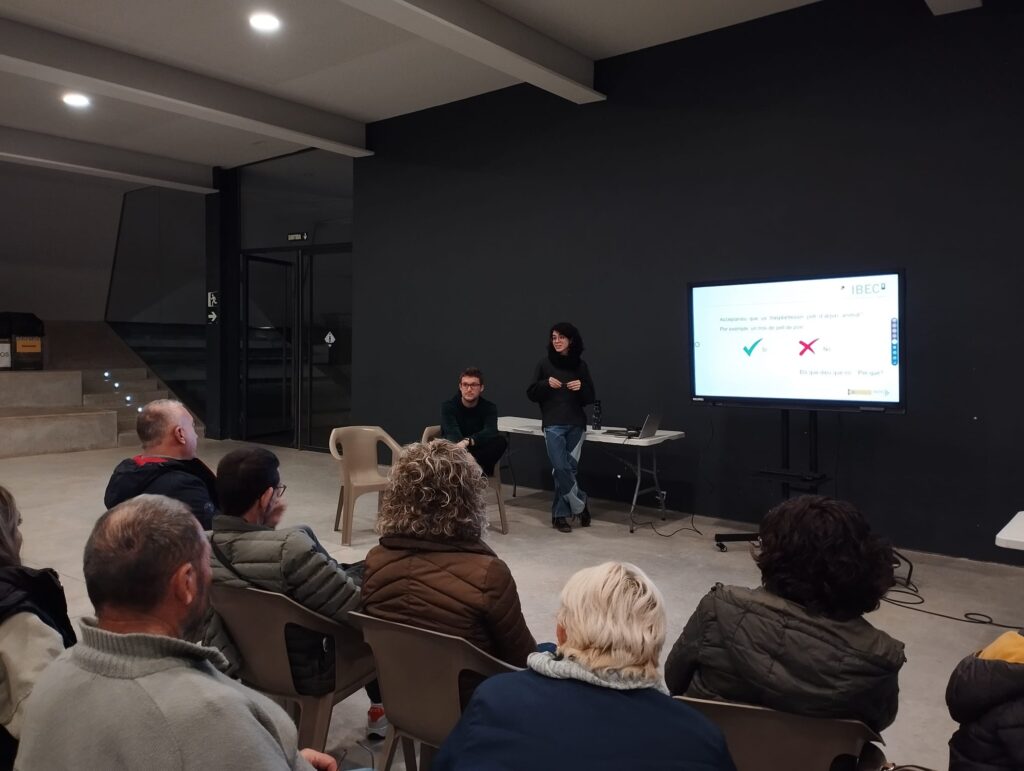
As part of the project, in addition to the traveling educational activities in schools, we offer an educational session for adults in the same village or a nearby village. This session explores the latest advances in bioengineering for health and healthy aging, such as 3D bioprinting and tissue regeneration. The activity concludes with an open discussion in which we gather the community’s opinions on this research and its potential future therapies.

Science in the Territory Day
On November 8, 2025, the event “Science in the Territory: Voices and Experiences from Rural Schools” will serve as a meeting point for the educational community, educators, institutions, and organizations that promote STEAM projects and activities throughout the region.
This event is co-organized by the Institute for Bioengineering of Catalonia (IBEC), the Secretariat of Rural Schools of Catalonia (SERC), and the Museu Terra in L’Espluga de Francolí.
More information and registration: https://events.ibecbarcelona.eu/ciencia-al-territori/
If you are a rural school interested in participating, don’t hesitate to contact us by writing to:
eduscience@ibecbarcelona.eu
Resources:
MICROART: From Microscopy to Artistic Expression
MICROART: From Microscopy to Artistic Expression
The project “Microart: From Microscopy to Artistic Expression” has received support from the Government of Catalonia and the Spanish Ministry of Culture. This funding scheme for innovative cultural and artistic projects in educational centres is part of the Culture and Education Programme, jointly promoted by the Departments of Culture and Education and Vocational Training.
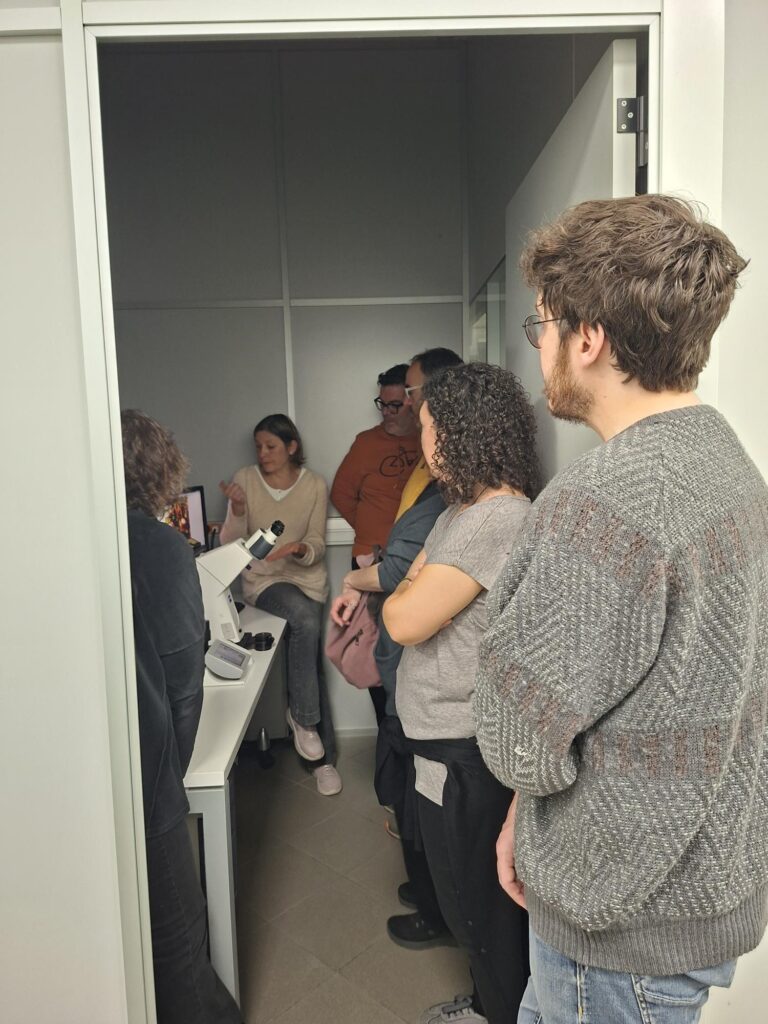
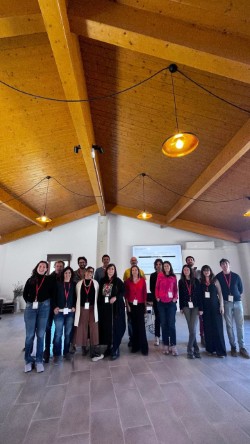
Microart is a co-creation project involving artists, IBEC researchers, and schools from the Moianès Llevant Rural School Zone (ZER). It brings together art and science through advanced microscopy images produced at IBEC. Through the artistic reinterpretation of these images, an exhibition and a mapping projection will be created and displayed at the Monastery of Santa Maria de l’Estany, bringing the science carried out at IBEC closer to local communities.

With the support of the Culture and Education Programme of the Departments of Culture and Education and Vocational Training, and the Ministry of Culture.