
Global health cannot advance without science, engineering, and innovation technologies.
We shape the present and future of medicine with Bioengineering.
From excellent research to innovative solutions, IBEC merges science and engineering for Active Ageing, Future Medicine and Regenerative Therapies
CERCA Center

Member of

Recognised by:


Latest News



IBEC in the media
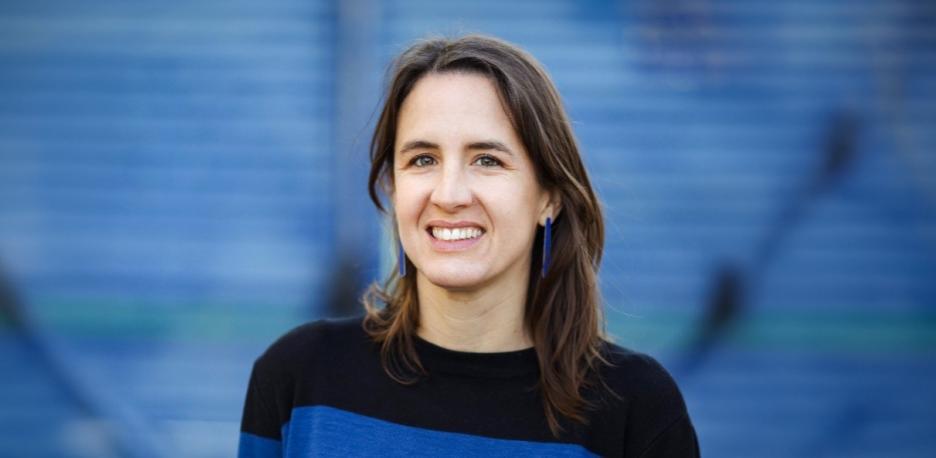
LA VANGUARDIA: Benedetta Bolognesi, biotecnóloga: “En el alzhéimer, las proteínas pueden empezar a acumularse veinte años antes de que aparezcan los síntomas”
Doctora por la Universidad de Cambridge, dirige desde 2018 el grupo Transiciones de Fase de Proteínas en la Salud y la Enfermedad del Instituto de Bioingeniería de Cataluña (IBEC). Bolognesi estudia cómo algunas proteínas empiezan a unirse y acumularse, cómo pueden contribuir al daño cerebral y cómo intervenir antes de que el daño sea irreversible.
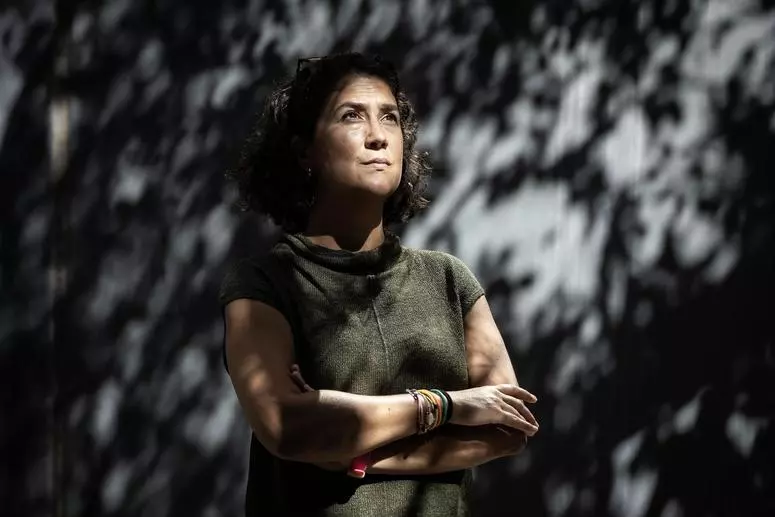
ARA: El repte de fer que es regeneri el sistema nerviós
Entrevista a Zaida Álvarez al suplement “Matèria Primera” del diari ARA.
MEDICAL DAILY: Light-Activated Compounds Designed to Stand In for Lost Photoreceptors Restore Visual Behavior in Blind Animals
A research consortium led by the Institute for Bioengineering of Catalonia in Barcelona has developed a family of light-switchable small molecules designed to occupy the gap. The compounds, called prosthe6, restored visual responses in zebrafish and mouse models of retinal degeneration under ordinary ambient light.

EL ECONOMISTA: Lumiris fabrica las primeras unidades de su plataforma para revolucionar la reproducción asistida
La biotecnológica española Lumiris avanza en su nueva ronda de financiación tras captar ocho millones.
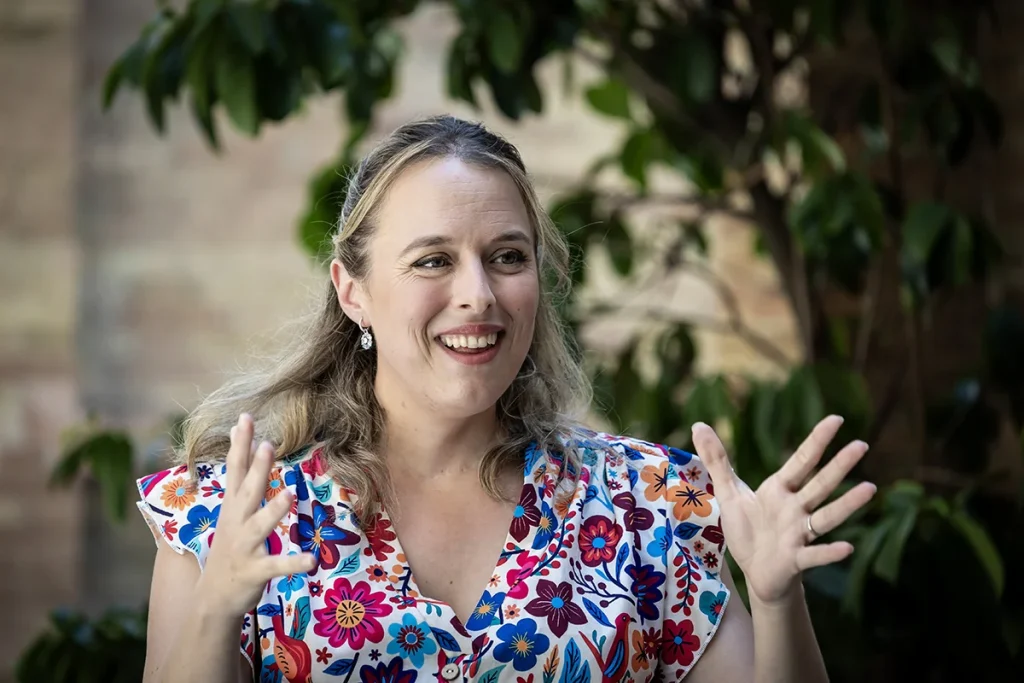
REVISTA CAPITAL: El talento que impulsa la investigación del futuro
Las becas de la Fundación ‘la Caixa’ espolean las carreras investigadoras en el ámbito de la salud. Irene Marco: “Sin esta beca, seguramente no habría vuelto a España”.
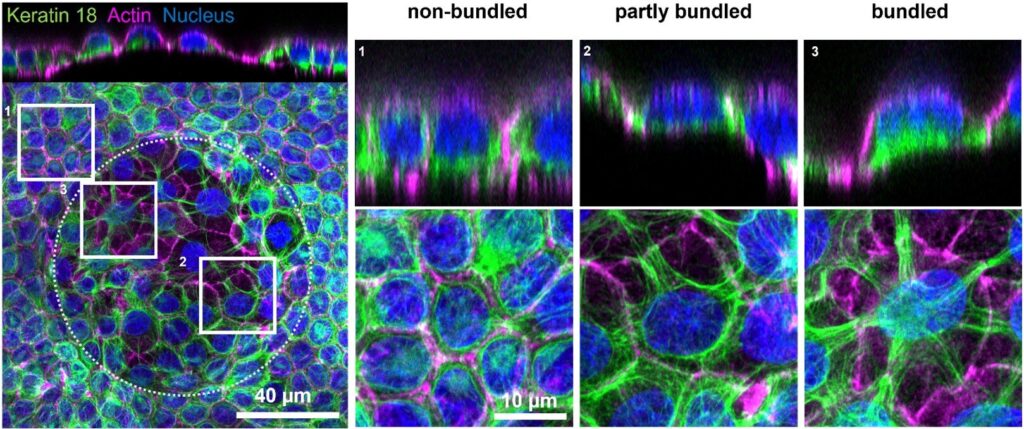
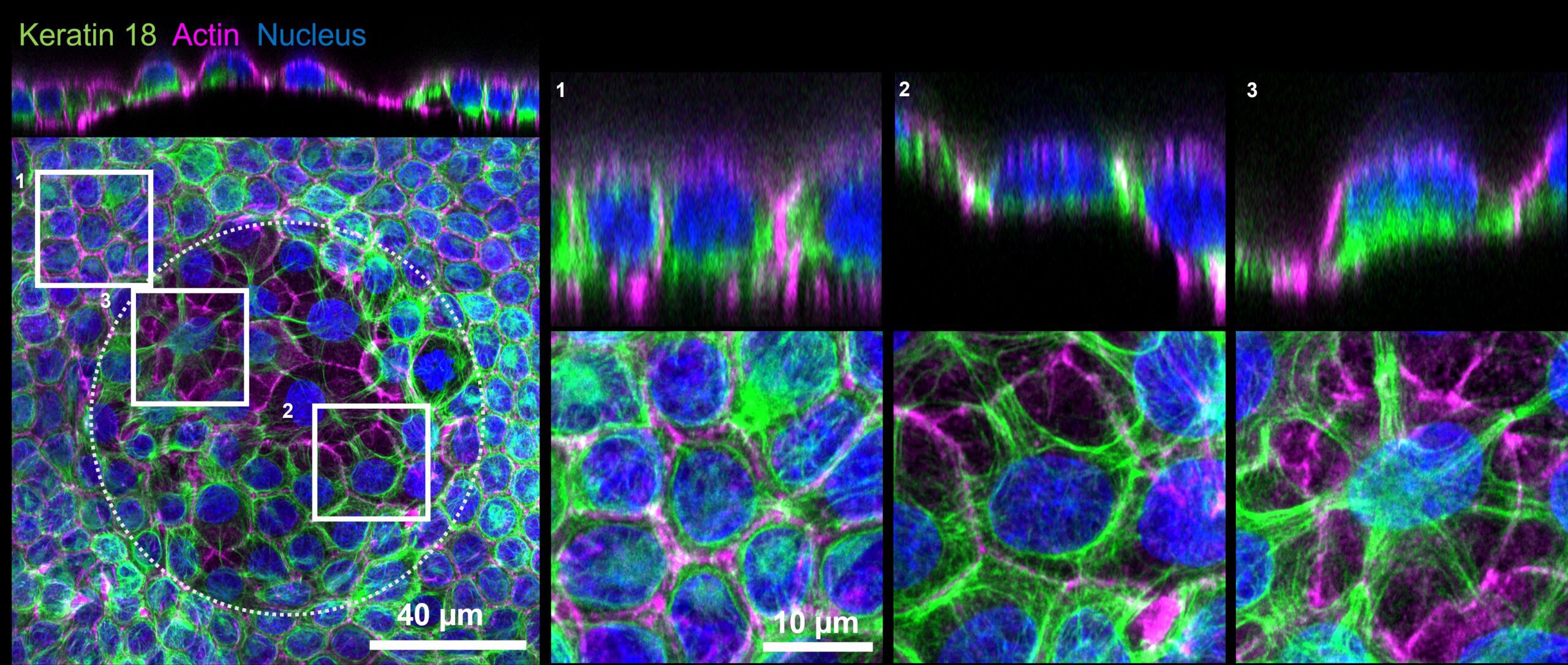
PHYS.ORG: Prolonged stretching reorganizes tissue scaffolds and uncages cell nuclei
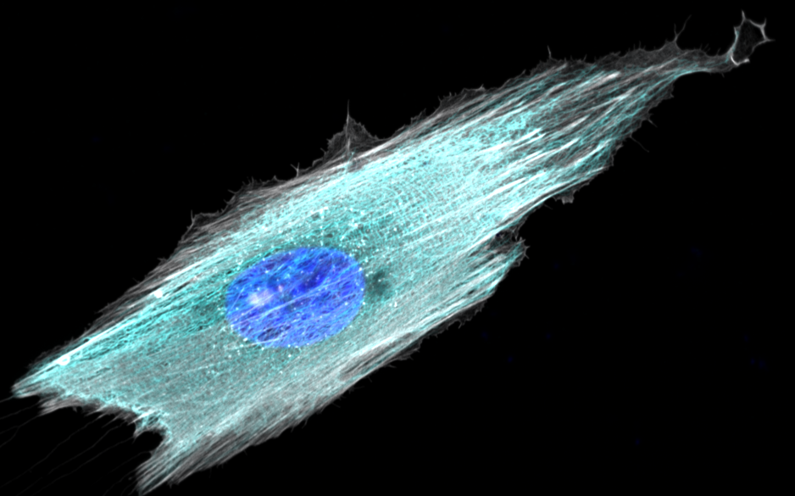
How do tissues cope with being stretched for hours or even days? A study led by researchers at the Institute for Bioengineering of Catalonia (IBEC) has uncovered an unexpected answer: Cells radically reorganize their internal scaffolding and, in the process, release their nuclei from a protective keratin network.

A MEDIA SESIÓN | RADIO INTERECONOMÍA: Ratones ciegos que recuperan la vista con un fármaco
Entrevista a la investigadora Rosalba Sortino, sobre los fármacos activados por luz que restauran la visión en ratones ciegos.
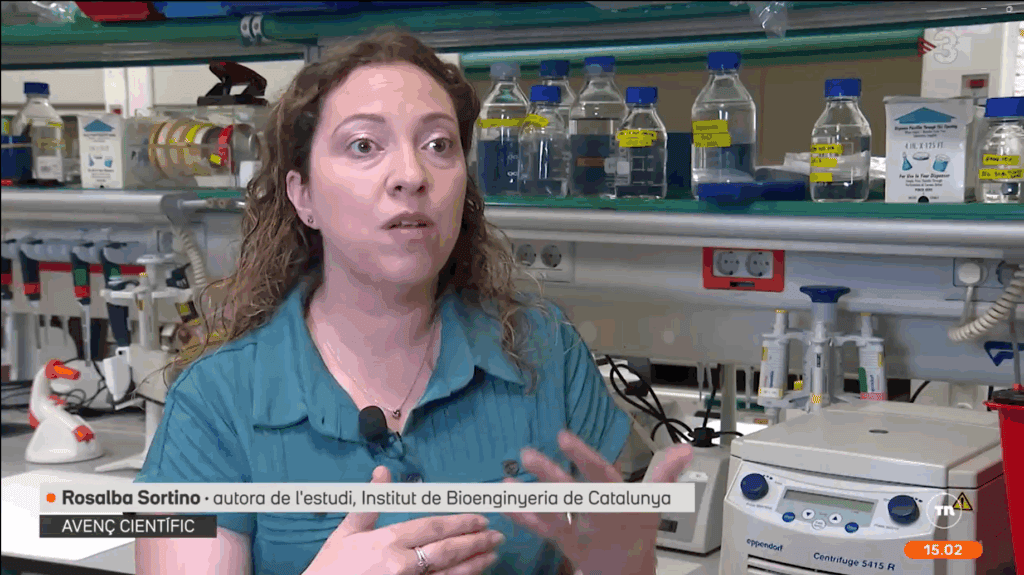
3Cat | TELENOTÍCIES MIGDIA: Ratolins cecs recuperen la visió amb un nou fàrmac
El Instituto de Biotecnología de Cataluña lidera una investigación que ha desarrollado un fármaco en forma de colirio que permite recuperar la visión en ratones ciegos, con ensayos clínicos previstos en humanos en cuatro años. Declaraciones de Rosalba Sortino, autora del estudio Instituto de bioingeniería de Cataluña.; Joaquín Martínez Tambella, coautor del estudio Instituto de Biotecnología de Cataluña.

IBEC FASTER FUTURE
¡Ayúdanos a acelerar la investigación!