
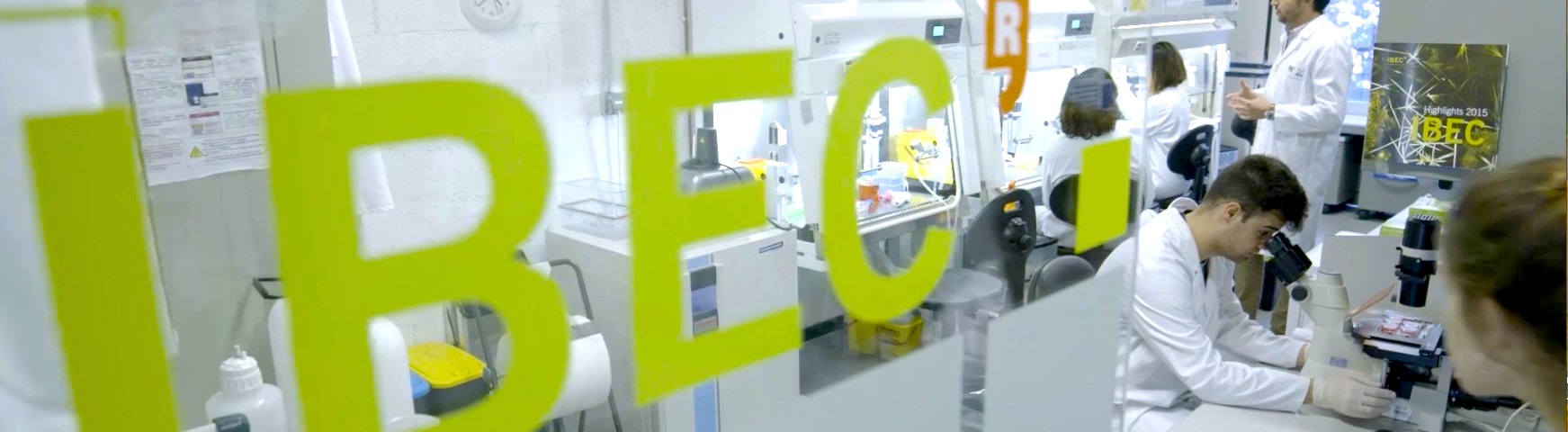
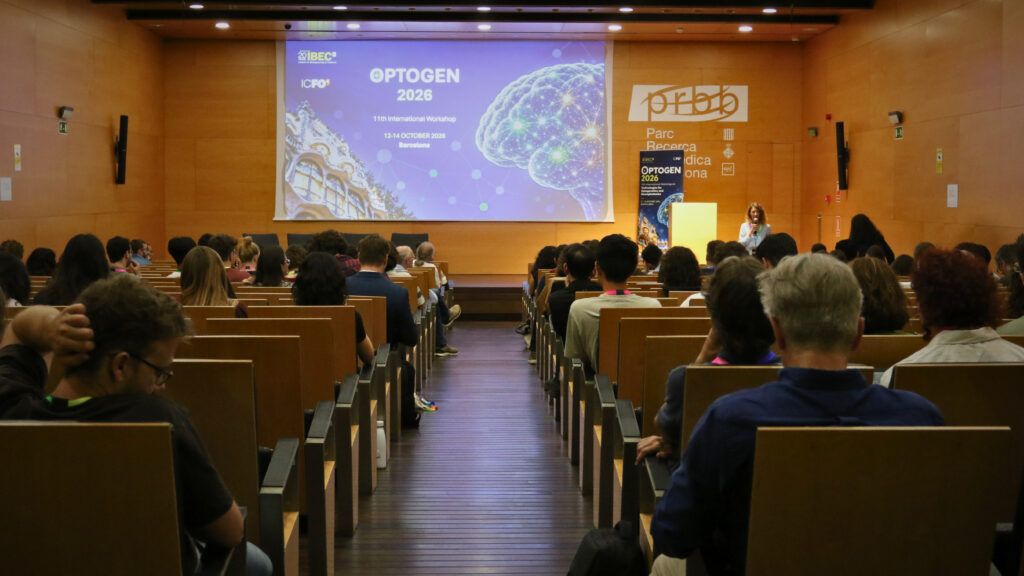
From 12 to 14 October, the Barcelona Biomedical Research Park (PRBB) hosted the 11th International Workshop on Technologies for Optogenetics and Neurophotonics (OPTOGEN 2026), co-organised by the Institute for Bioengineering of Catalonia (IBEC) and the Institute of Photonic Sciences (ICFO). Over three days, more than a hundred scientists and technologists from around the world gathered to discuss the latest advances in optical methods and their applications in neuroscience, from new implantable devices to the latest molecular tools to study and control brain activity.
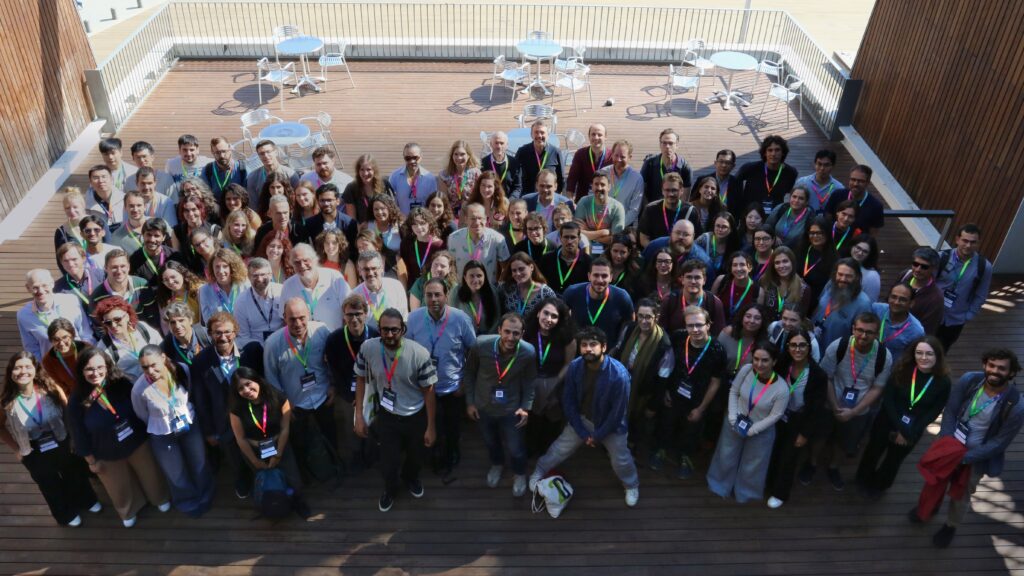
Launched in 2014, the OPTOGEN series has become a reference meeting on photonic technologies for studying the brain. Optogenetics uses light-sensitive proteins, introduced into specific groups of neurons, to switch their activity on or off with pulses of light. This makes it possible to test which cells are involved in a given brain function or behaviour. This year’s edition, supported by the Spanish Society for Neuroscience (SENC), opened just one week after the 2026 Nobel Prize in Physiology or Medicine was awarded to Karl Deisseroth, Peter Hegemann and Georg Nagel for their discoveries concerning light-gated ion channels and optogenetics.
Five keynote lectures
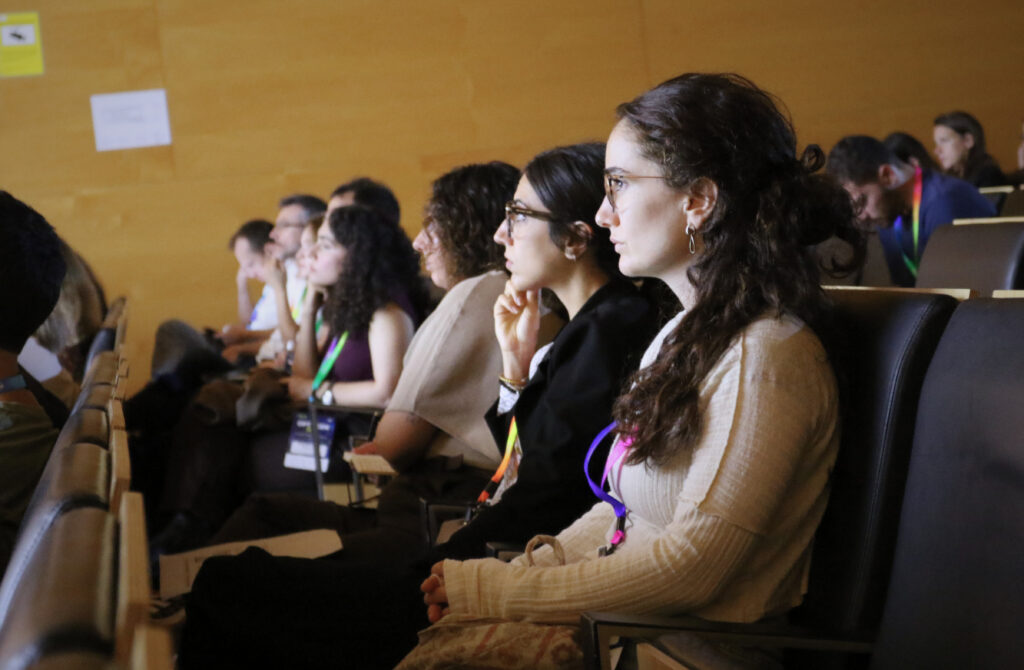
The keynote lectures showed the range of questions that light-based tools can now address.
Michael Häusser (University of Hong Kong and University College London) presented all-optical approaches that combine two-photon imaging with two-photon optogenetics. These techniques make it possible to target specific groups of neurons based on their activity and influence how brain circuits work, helping researchers understand how patterns of neural activity shape behaviour.
Alexander Gottschalk (Goethe University Frankfurt), who worked alongside researchers involved in the early development of optogenetics, offered a historical perspective on the field. He then explained how his lab uses optogenetic tools in the nematode Caenorhabditis elegans to study synaptic transmission and small neuronal circuits. His team is developing light-controlled tools to block specific steps in the cycle of neurotransmitter release and recycling, helping researchers understand the timing of communication between neurons. Linda Greensmith (UCL Queen Square Institute of Neurology) presented a cell-therapy strategy for amyotrophic lateral sclerosis (ALS). In this approach, stem cell-derived motor neurons engineered to respond to light are grafted into the nerve, where they reconnect with paralysed muscles. In mouse models, including an aggressive model of ALS, stimulating the grafted neurons with light made the reinnervated muscles contract and helped prevent the wasting of their fibres.
Michael Lin (Stanford University) presented the latest voltage indicators from his lab’s ASAP family. These are genetically encoded fluorescent proteins that report the electrical activity of neurons at millisecond speed making it possible to observe how brain circuits work in real time.
Kay Tye (Salk Institute and Howard Hughes Medical Institute), who previously completed her postdoctoral researcher with Nobel laureate Karl Deisseroth, delivered the workshop’s closing lecture. She discussed the brain circuits behind “social homeostasis”, that is, how the brain sets a preferred level of social contact and keeps it stable within a group. Using a range of approaches, from optogenetics to electrophysiology and imaging, her lab investigates how these circuits are interconnected and how different neural mechanisms work together to shape behaviour.
From molecular tools to start-ups
One of the main reasons we still don’t fully understand how the brain works is that we lack the tools to study it in sufficient detail. Optogenetics and other light-based methods are helping us overcome these limitations, but progress depends on developing new tools and bringing different scientific communities together.
Nicolò Accanto
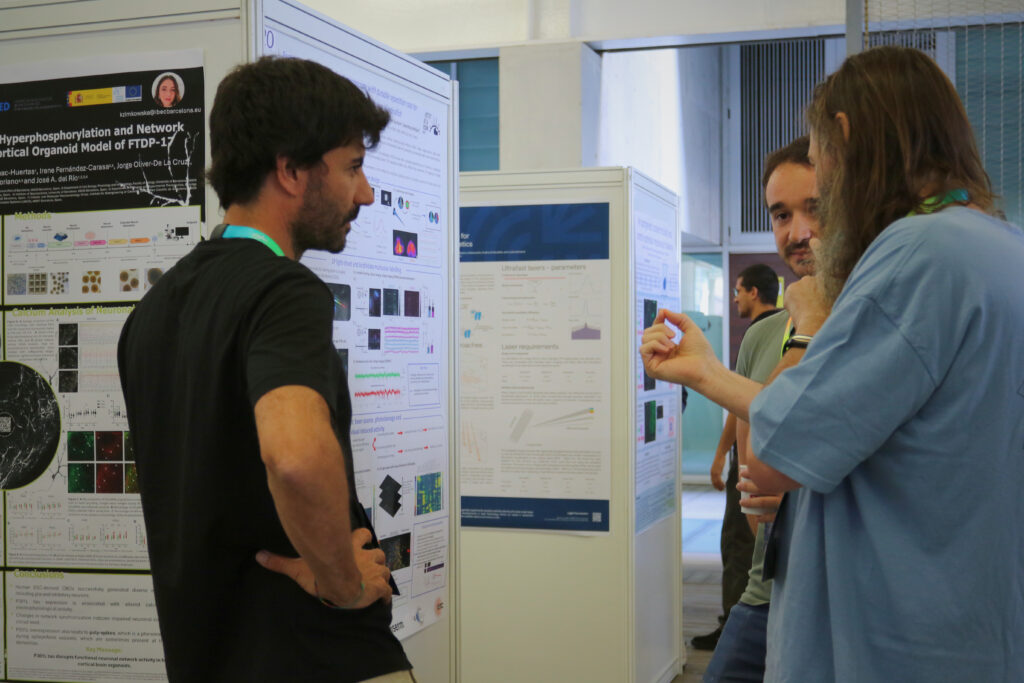
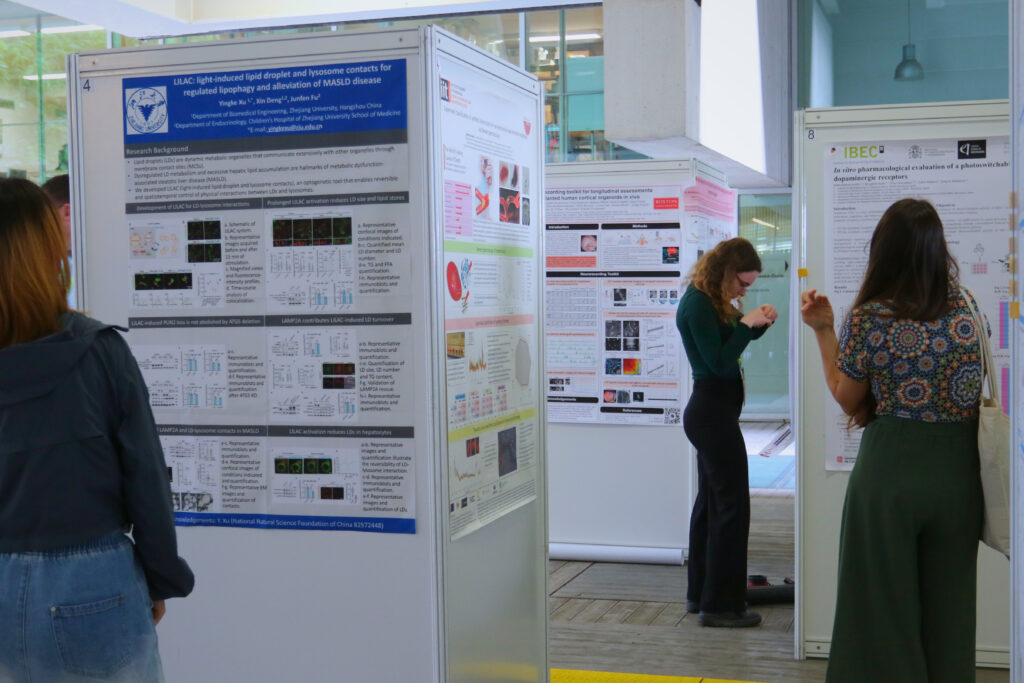
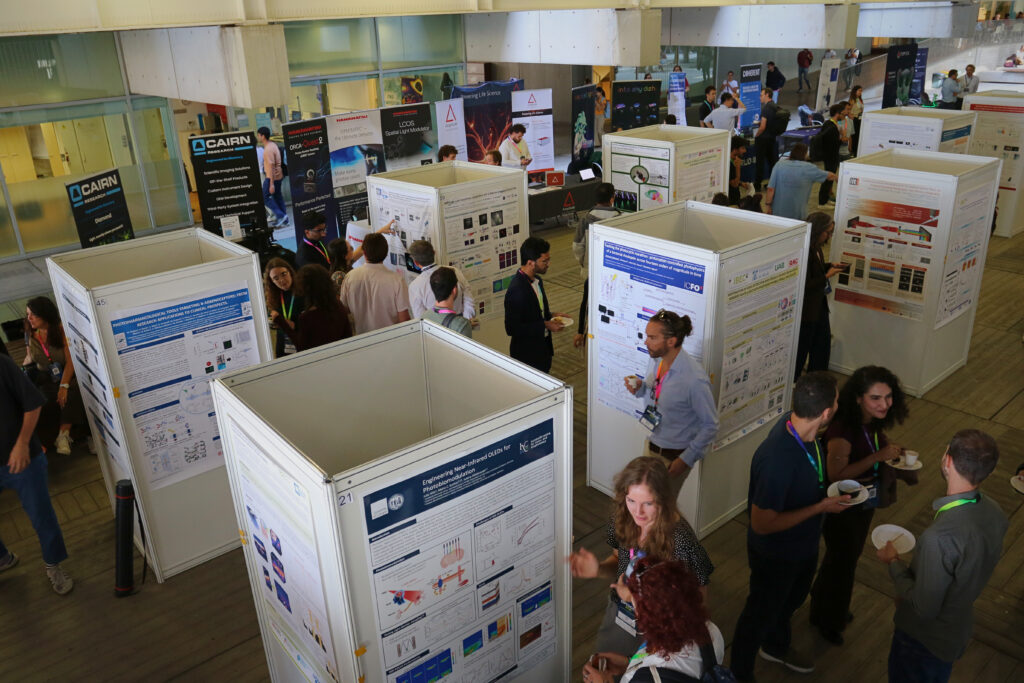
The programme also included twelve invited talks, eight selected oral presentations and nine flash talks. Topics ranged from flexible organic light sources for optogenetics and miniature head-mounted microscopes for freely moving animals, to tools activated by red and near-infrared light, photopharmacology, and imaging of brain circuits as they form in embryonic and newborn mice. Two poster sessions and daily meet-the-speaker slots gave participants the chance to discuss their work directly with the speakers. A round table, “From lab to startup”, looked at how technologies developed in research labs can reach the market.
“Holding OPTOGEN in Barcelona just a week after the Nobel Prize recognised optogenetics was a happy coincidence, but the real value of the meeting is the mix of people in the room: physicists, engineers, chemists and neuroscientists who rarely share the same programme,” said Nicolò Accanto, group leader of the Nonlinear Photonics for Neuroscience group at IBEC, and member of the organising committee. “ One of the main reasons we still don’t fully understand how the brain works is that we lack the tools to study it in sufficient detail. Optogenetics and other light-based methods are helping us overcome these limitations, but progress depends on developing new tools and bringing different scientific communities together. Creating opportunities for these communities to exchange ideas, while giving young researchers a platform to present their work, is what keeps the field moving forward.”
The organising committee also included Galyna Malieieva and Silvia Pittolo (IBEC) and Michael Krieg (ICFO). IBEC group leaders Pau Gorostiza, José Antonio del Río and Zaida Álvarez sat on the scientific committee, alongside researchers from the University of Barcelona and the Cajal Neuroscience Centre.
Three awards to recognise outstanding contributions
The workshop closed on Wednesday 14 October with three awards. The best poster awards went to Karolina Zimkowska, IBEC and Federica Antonelli, Italian Institute of Technology, and the best flash talk award went to Shu Xie, Peking University.
By hosting OPTOGEN 2026, IBEC strengthens its role in neurotechnology research in Barcelona and its commitment to connecting the local scientific community with leading international groups working at the interface between light, engineering and neuroscience.
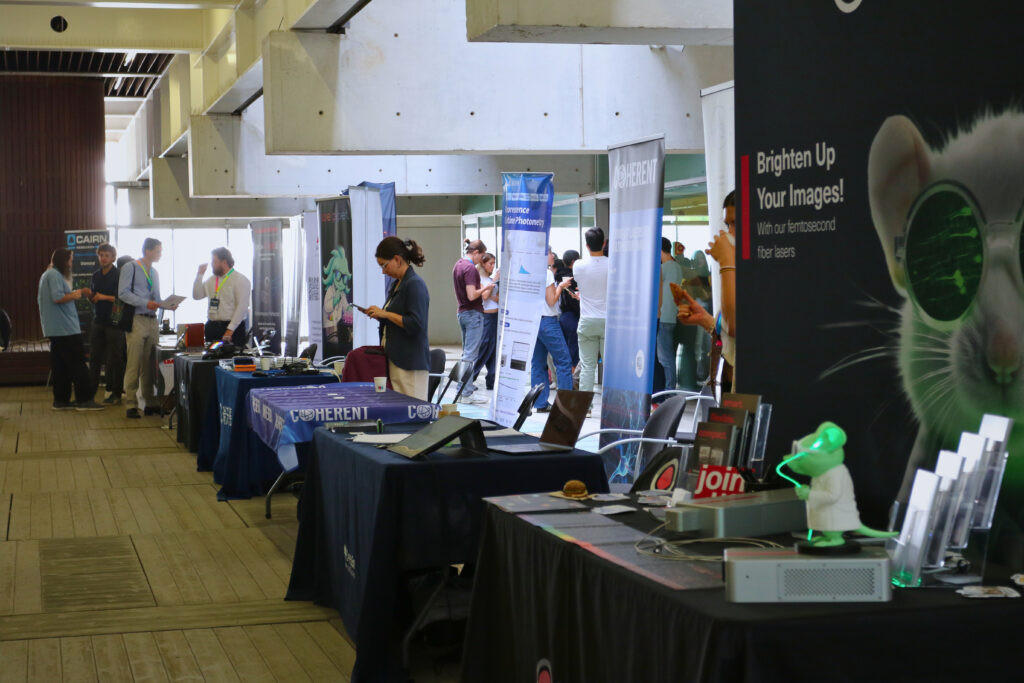
The organising committee would like to thank the sponsors that made OPTOGEN 2026 possible: AHF analysentechnik, Amplitude, Cairn Research, Coherent, DeepEn, Hamamatsu, HOLOEYE, Light Conversion, Mightex, Nanion, Opto Biolabs, OPTOGENIX, Photon Lines, RWD Life Scienc, TOPTICA, Tucsen and ViALUX.