LA VANGUARDIA: El IBEC crea un biomaterial resistente al agua que podría jubilar el plástico
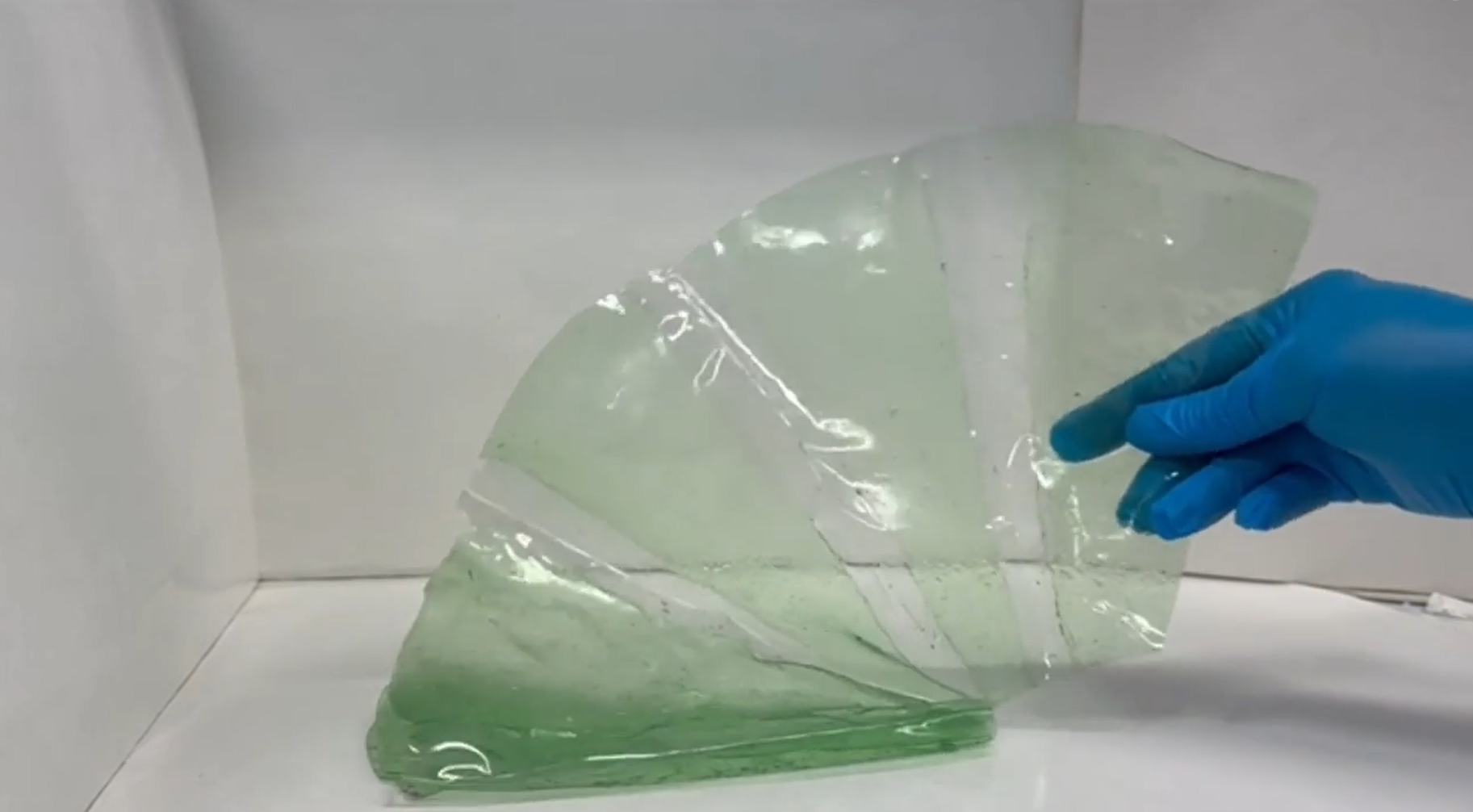
Obtenido a partir de los desechos de cáscaras de gambas, aumenta su fuerza un 50% al mojarse.
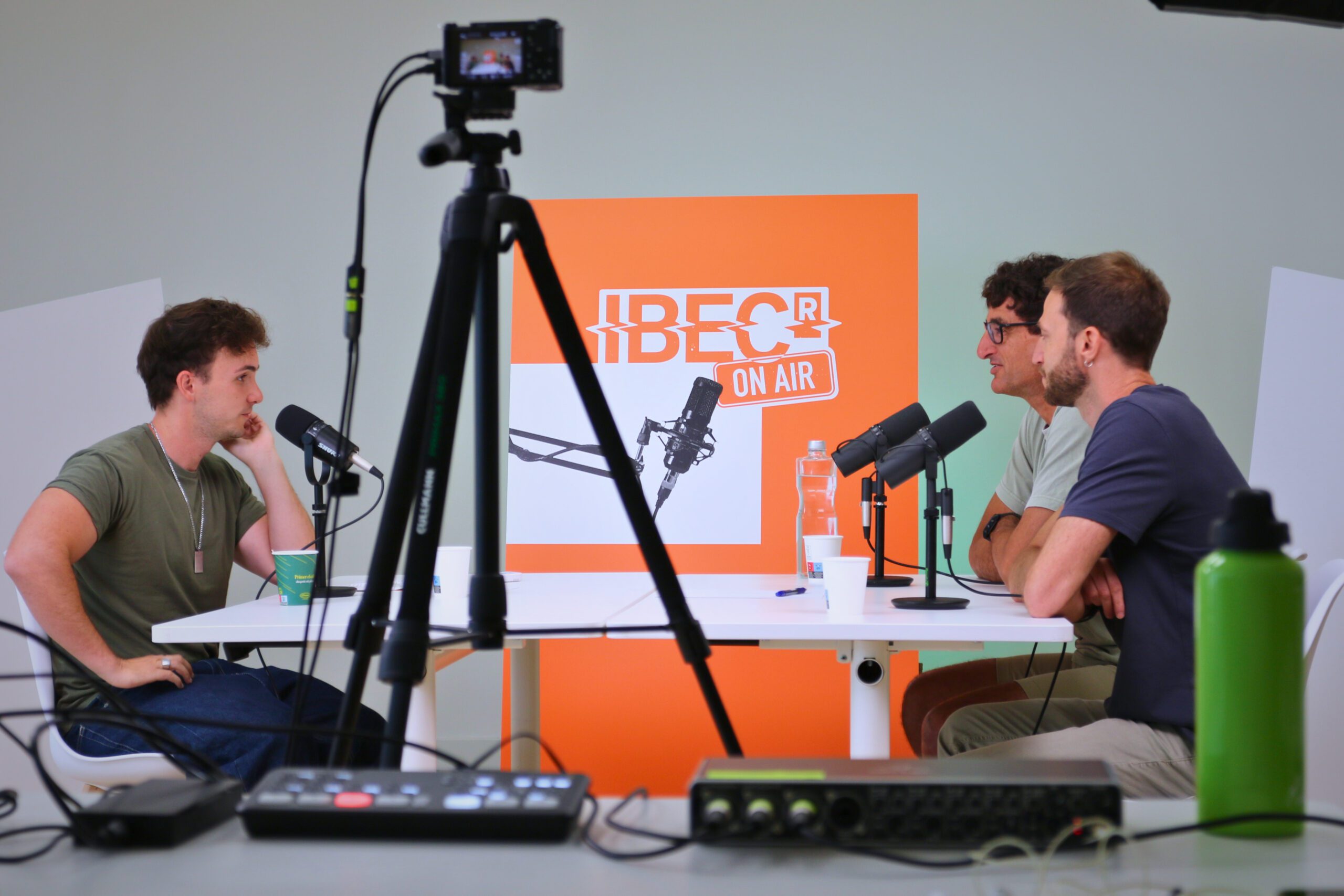
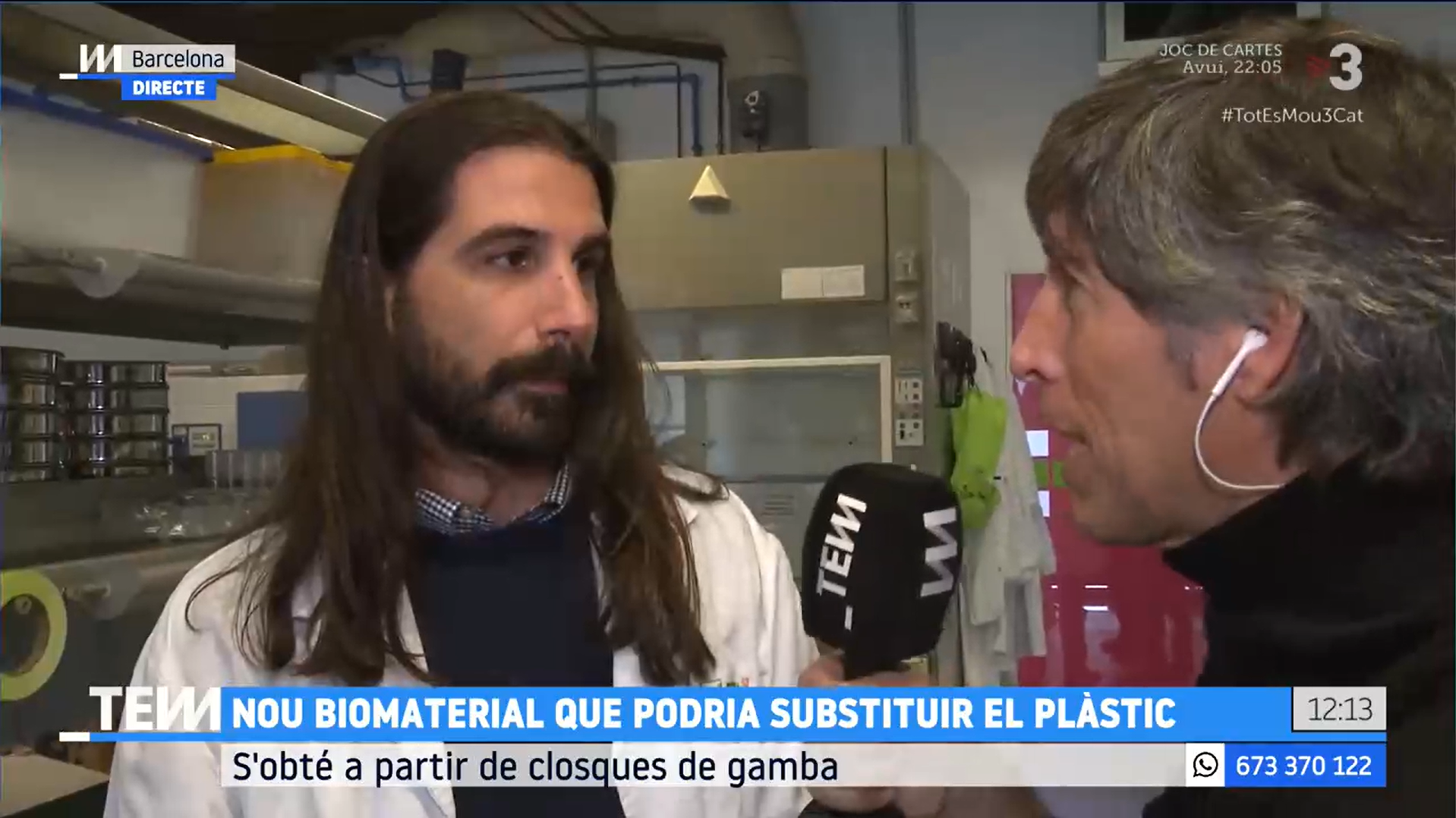
El Instituto de Bioingeniería de Cataluña presenta un nuevo material biológico que aumenta su fuerza cuando se moja y podría suspender el plástico. Conexión en directo desde Barcelona. Declaraciones de Javier Gómez Fernández, profesor ICREA-IBEC.
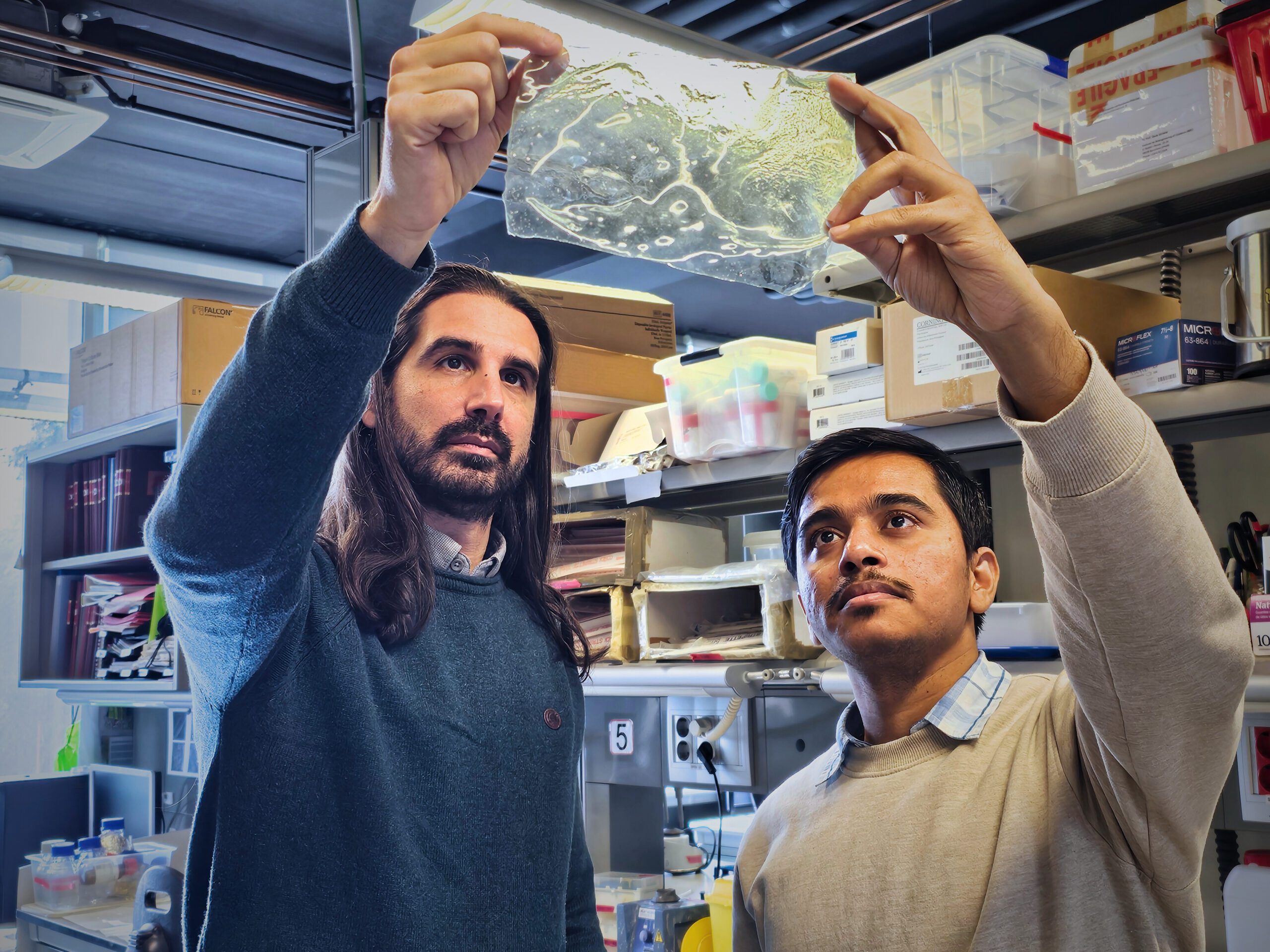
A new study led by the Institute for Bioengineering of Catalonia (IBEC) has unveiled the first biomaterial that is not only waterproof but actually becomes stronger in contact with water. The material is produced by the incorporation of nickel into the structure of chitosan, a chitinous polymer obtained from discarded shrimp shells. The development of this new biomaterial, published in Nature Communications, marks a departure from the plastic-age mindset of making materials that must isolate from their environment to perform well. Instead, it shows how sustainable materials can connect and leverage their environment, using their surrounding water to achieve mechanical performance that surpasses common plastics.
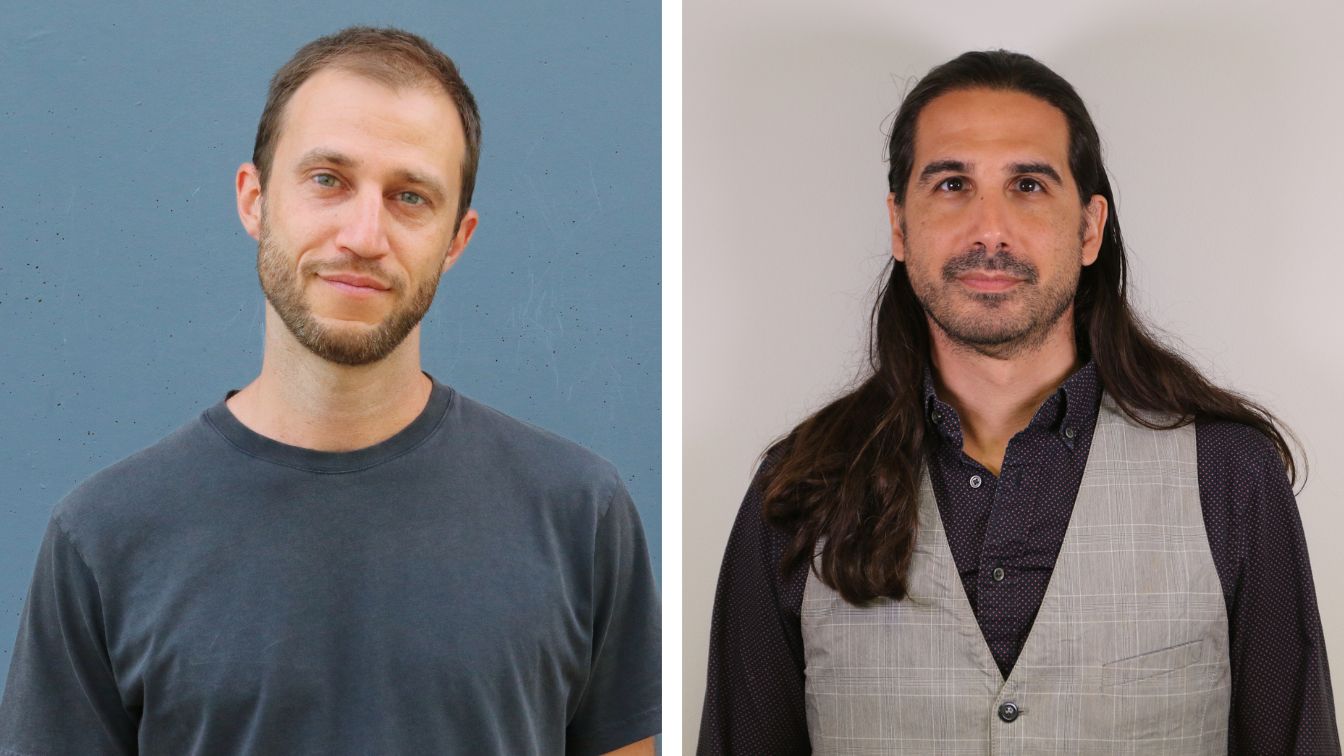
The Institute for Bioengineering of Catalonia (IBEC) has welcomed two new research groups this year, led by ICREA Research Professor Javier G. Fernández and Dr Nicolò Accanto respectively. Dr Fernández’s Biointegrated Materials and Engineering group aims to integrate biological principles and living components into engineering systems, marking the beginning of the “Era of Biomaterials”. Meanwhile, Accanto’s Nonlinear photonics for neuroscience group is developing advanced optical technologies to help us understand the mechanisms that govern neuronal activity.
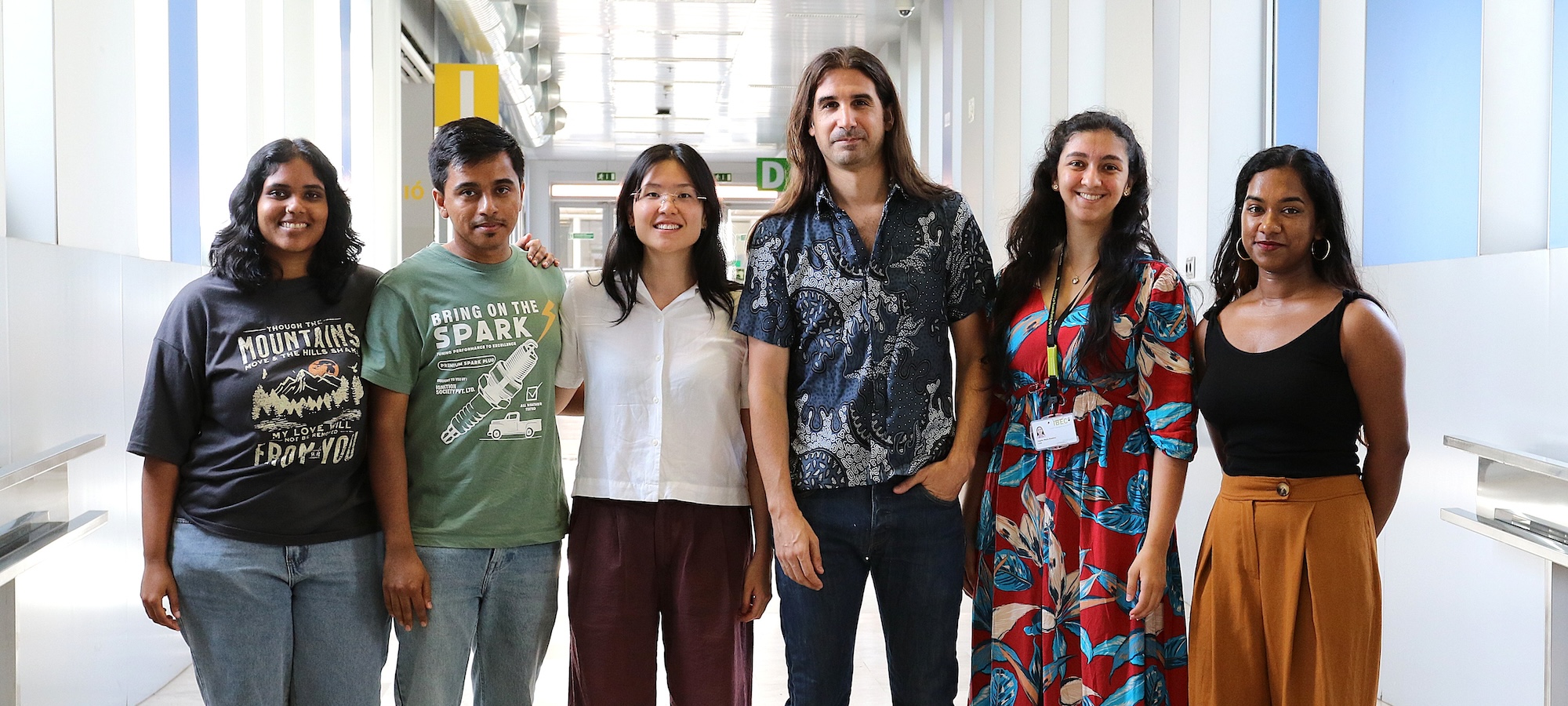
At the Biointegrated Materials and Engineering Lab (a.k.a., the Fermart Lab), we believe that materials science and engineering define the boundaries of technological progress and shape the nature of societies. … Read more