DONATE

IBEC consolidates its leading position in Horizon Europe and remains one of Spain’s leading research centres

The Institute for Bioengineering of Catalonia (IBEC) has secured over €27 million in Horizon Europe funding for the period 2021–2024, thus consolidating its position as one of Spain’s leading centres. IBEC ranks fifth among research centres in terms of return on investment and seventh among national entities in terms of ERC funding. This success is underpinned by a project management model that combines scientific excellence with robust support for securing European funding.

IBEC showcases cutting-edge biomedical innovation at the Health Revolution Congress 2026

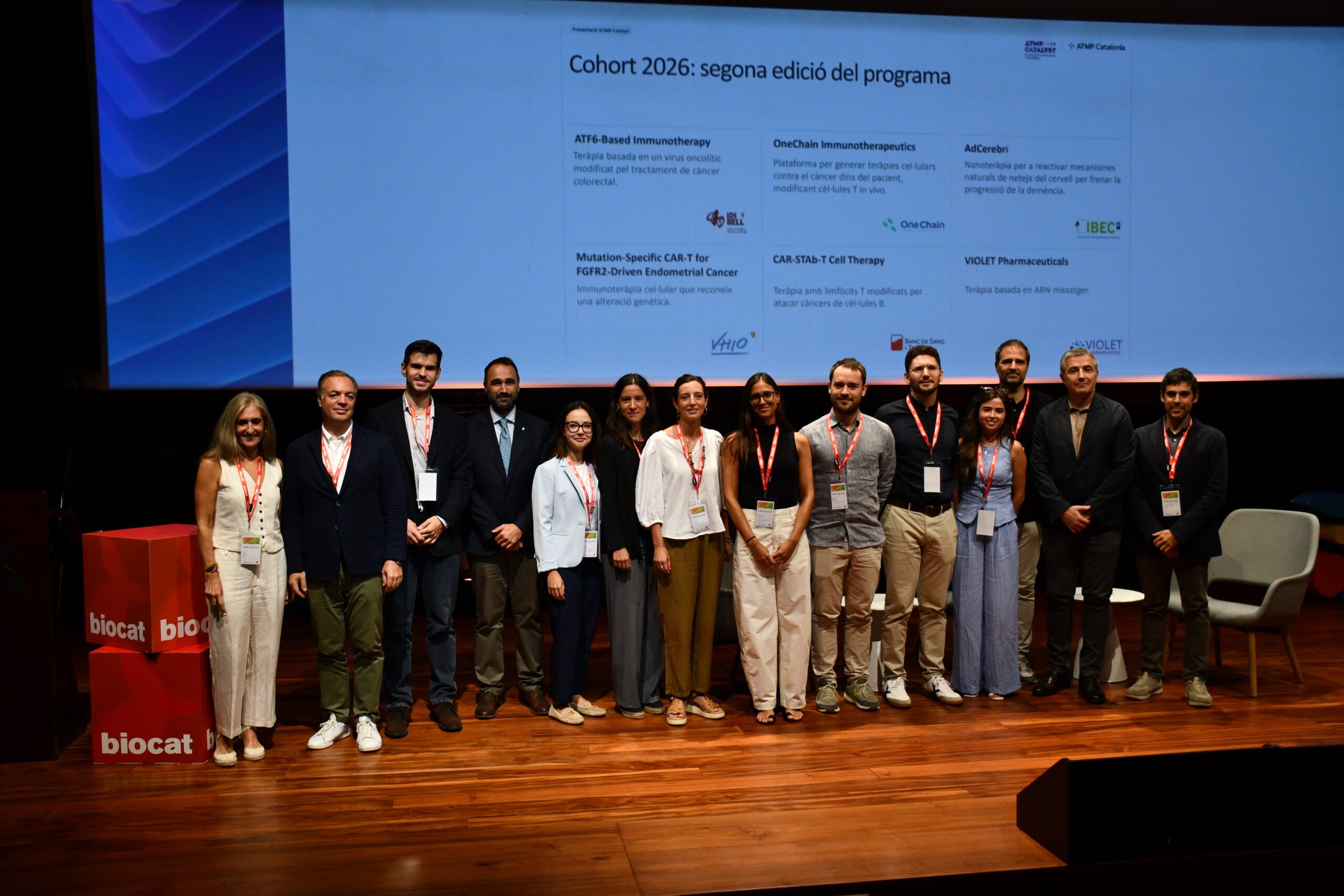
The Institute for Bioengineering of Catalonia brought together researchers, investors and industry leaders with its event “IBEC Health Revolution Day: Engineering the Future of Medicine”, as part of the Health Revolution Congress. Through expert panels, technology pitches and scientific talks, the event showcased cutting-edge biomedical technologies and discussed how to translate scientific discoveries into real-world healthcare solutions.

Students and artists explore the medicine of the future alongside IBEC as part of the CCCB’s ALIA project

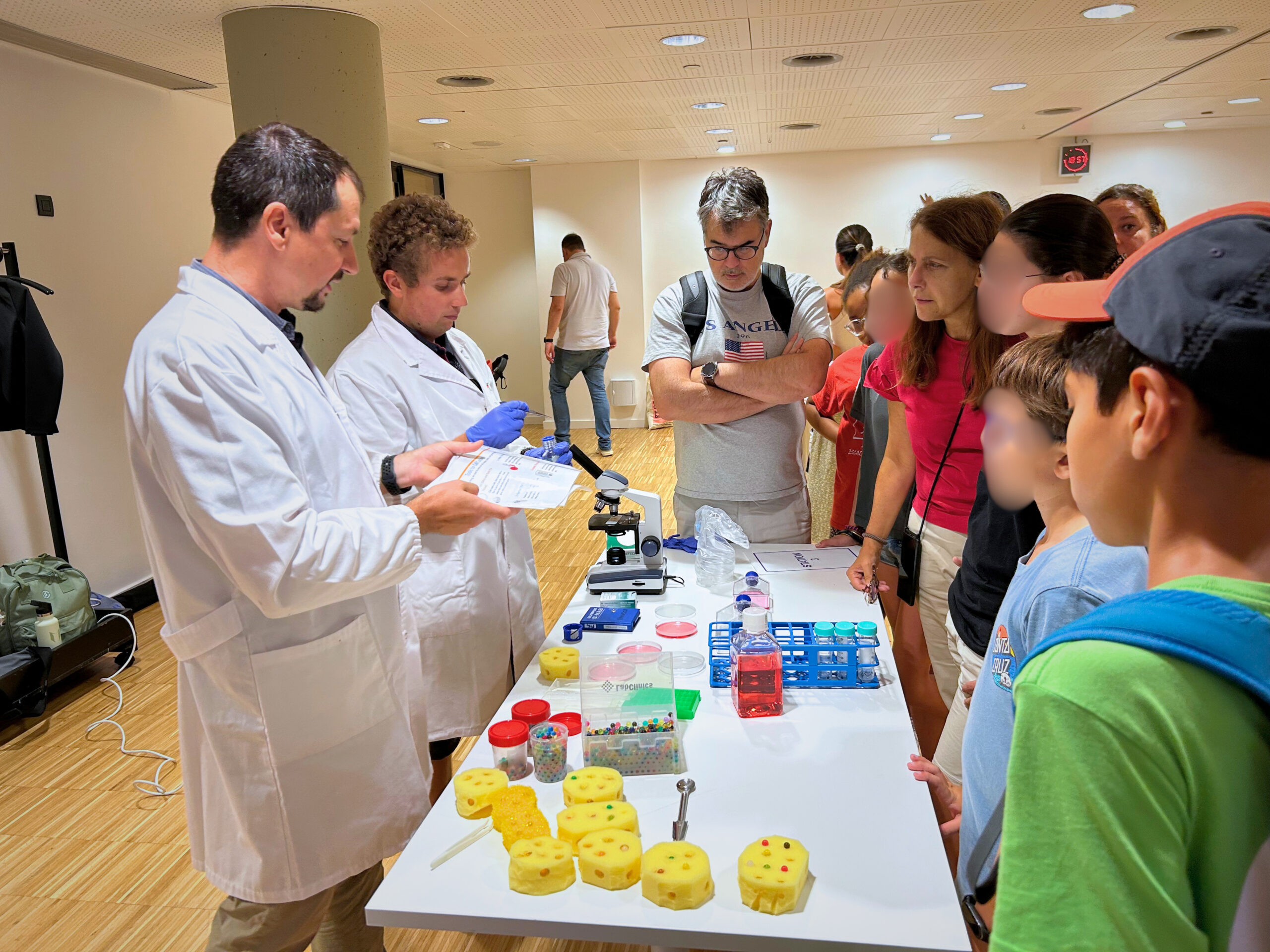
The Institute of Bioengineering of Catalonia took part in the 2025–2026 edition of the CCCB’s ALIA educational programme. This initiative brought around 170 secondary school students together with researchers and artists to explore the challenges facing future medicine through the lenses of bioengineering, bioethics, and artistic creation. The programme culminated in a closing ceremony held on 5 May.

IBEC launches the exhibition ‘Open Dialogues’ with three co-creation projects at the intersection of art and science

On 13 May, the Institute of Bioengineering of Catalonia opened an exhibition featuring three collaborative works created through the first edition of “Open Dialogues”, a programme that brings together artists and IBEC researchers. Addressing issues such as gender bias in healthcare, the sensory translation of cellular processes and the parallels between artistic and scientific practices based on the olfactory experience, the pieces were created through a dialogue between art and science.

Together with Patients with Duchenne, IBEC is developing a ‘heart-on-a-chip’ to halt the cardiac damage caused by the condition

Duchenne Parent Project Spain has invested €247,000 in the BEAT project, which will be carried out by the Institute for Bioengineering of Catalonia (IBEC).  Cardiomyopathy is the leading cause of death in patients with Duchenne muscular dystrophy (DMD). Around 20,000 new Duchenne cases are diagnosed globally each year.

IBEC makes its mark at TERMISEU 2026 with a strong scientific presence and a key role in the conference’s leadership

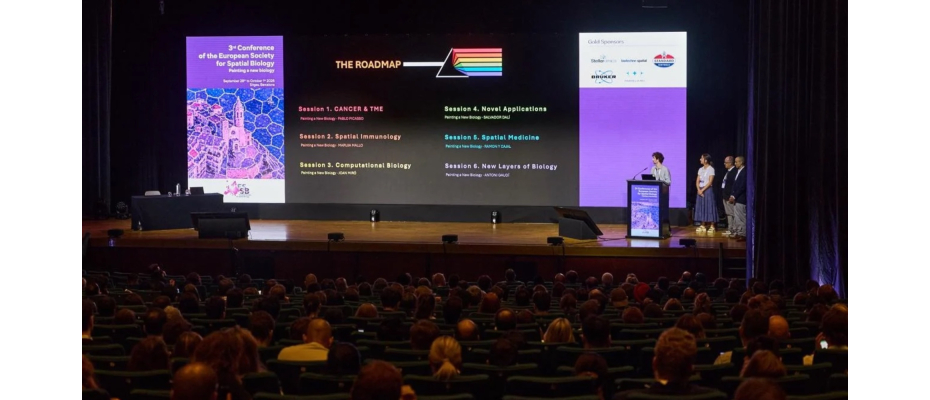
From 21 to 24 April 2026, IBEC had a significant presence at TERMISEU 2026, the leading European conference on tissue engineering and regenerative medicine. Held at the Palma Conference Centre in Mallorca, the event brought together more than 1,600 researchers.

A new generation of therapeutic nanorobots set to transform the medicine of the future

Samuel Sánchez

Research carried out at IBEC by Samuel Sánchez and his team has led to the development of a new generation of therapeutic nanorobots. These nanorobots can move through the body, reach tumours and deliver drugs with great precision. These nanorobots have already reduced bladder tumours by up to 90% in preclinical models and are being investigated for use in treating other diseases. They were presented to the public at MWC26 through an immersive experience demonstrating how this technology could transform future treatments.

IBEC participates in the first Workplace Travel Plan launched by the Barcelona Science Park to promote more sustainable mobility

The University of Barcelona Science Park (PCB-UB) has launched its first Workplace Travel Plan (PDE), a joint initiative by the Institute for Bioengineering of Catalonia (IBEC), the Institute for Research in Biomedicine (IRB Barcelona), Biocat, the Scientific and Technological Centers of the UB (CCiTUB), and the PCB itself, aimed at improving commuting mobility and reducing the environmental impact of daily travel.