DONATE

From the classroom to the laboratory: summer stays at IBEC

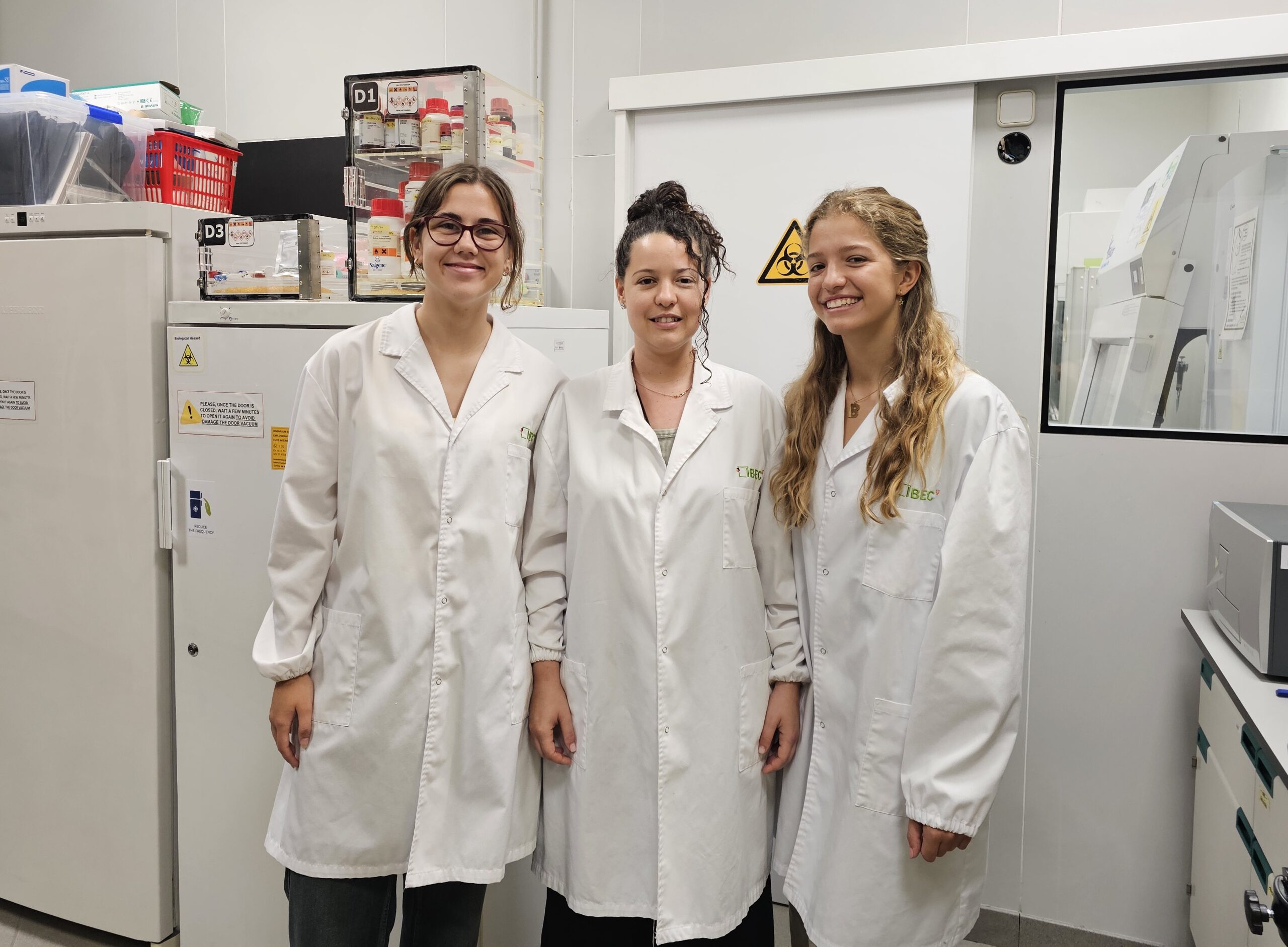
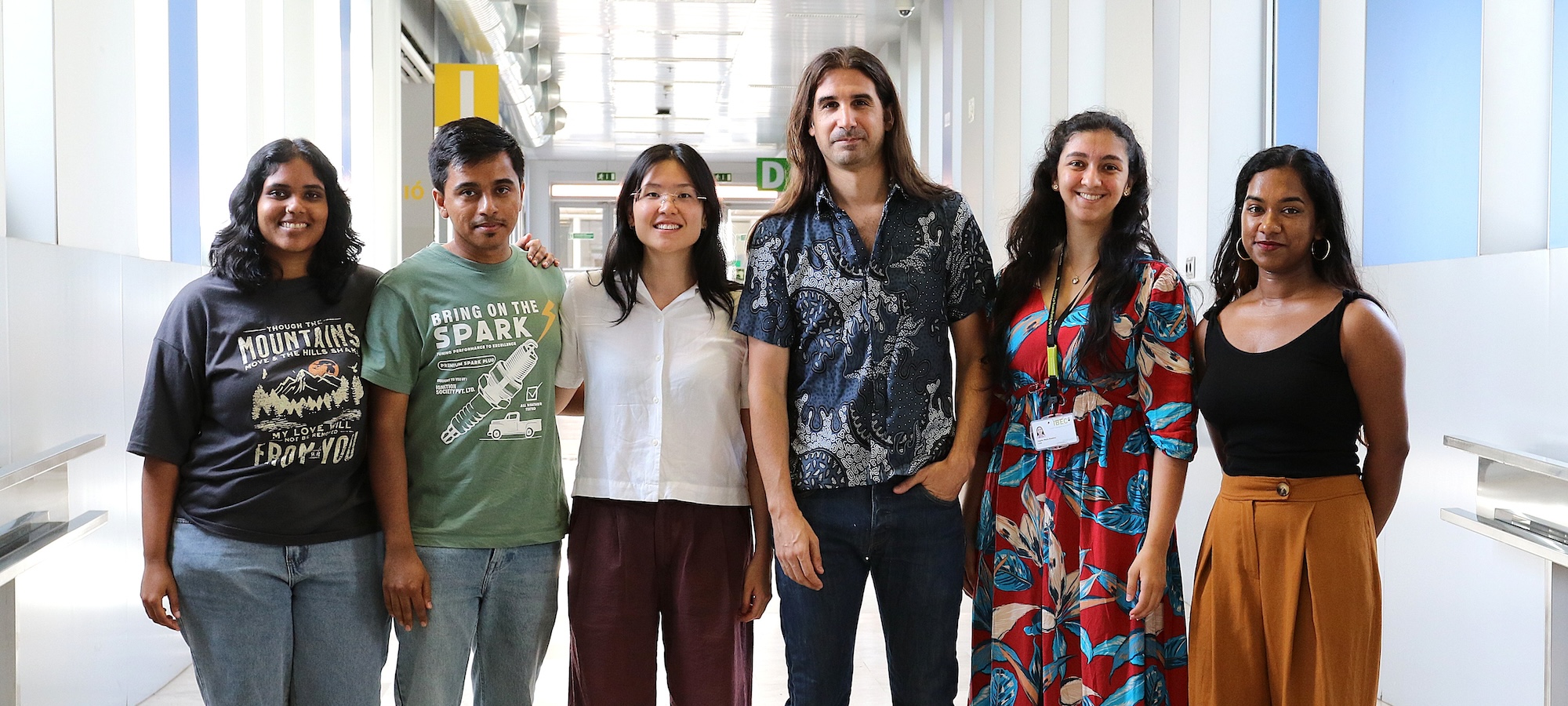
As every year, as soon as the school year ends, IBEC’s laboratories fill up with a new generation of future scientists. This summer, more than 20 secondary school, high school and undergraduate students took part in various programmes, gaining first-hand experience of the day-to-day work of bioengineering research in nine of the centre’s laboratories.

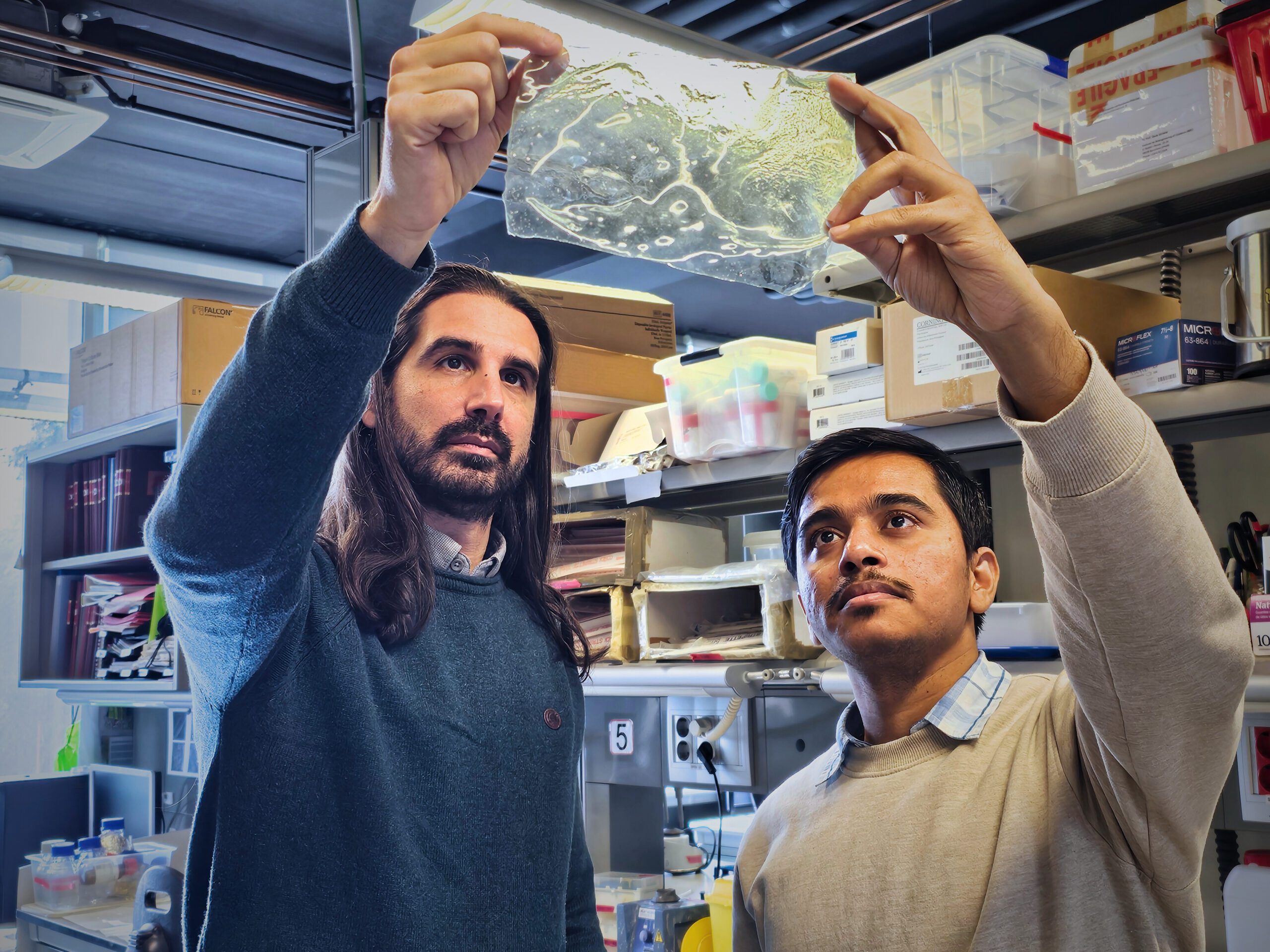
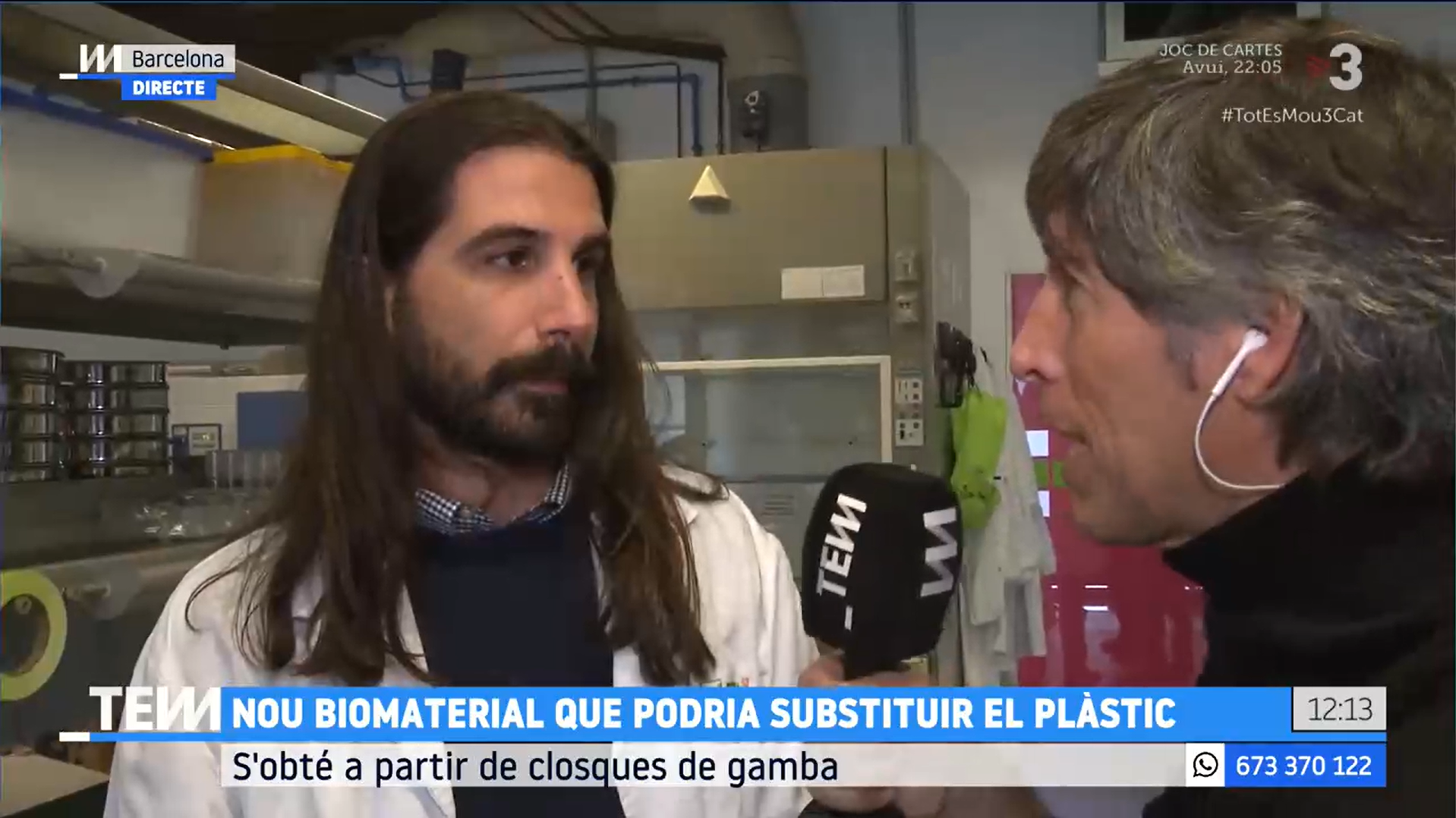
A biological material that becomes stronger when wet could replace plastics 

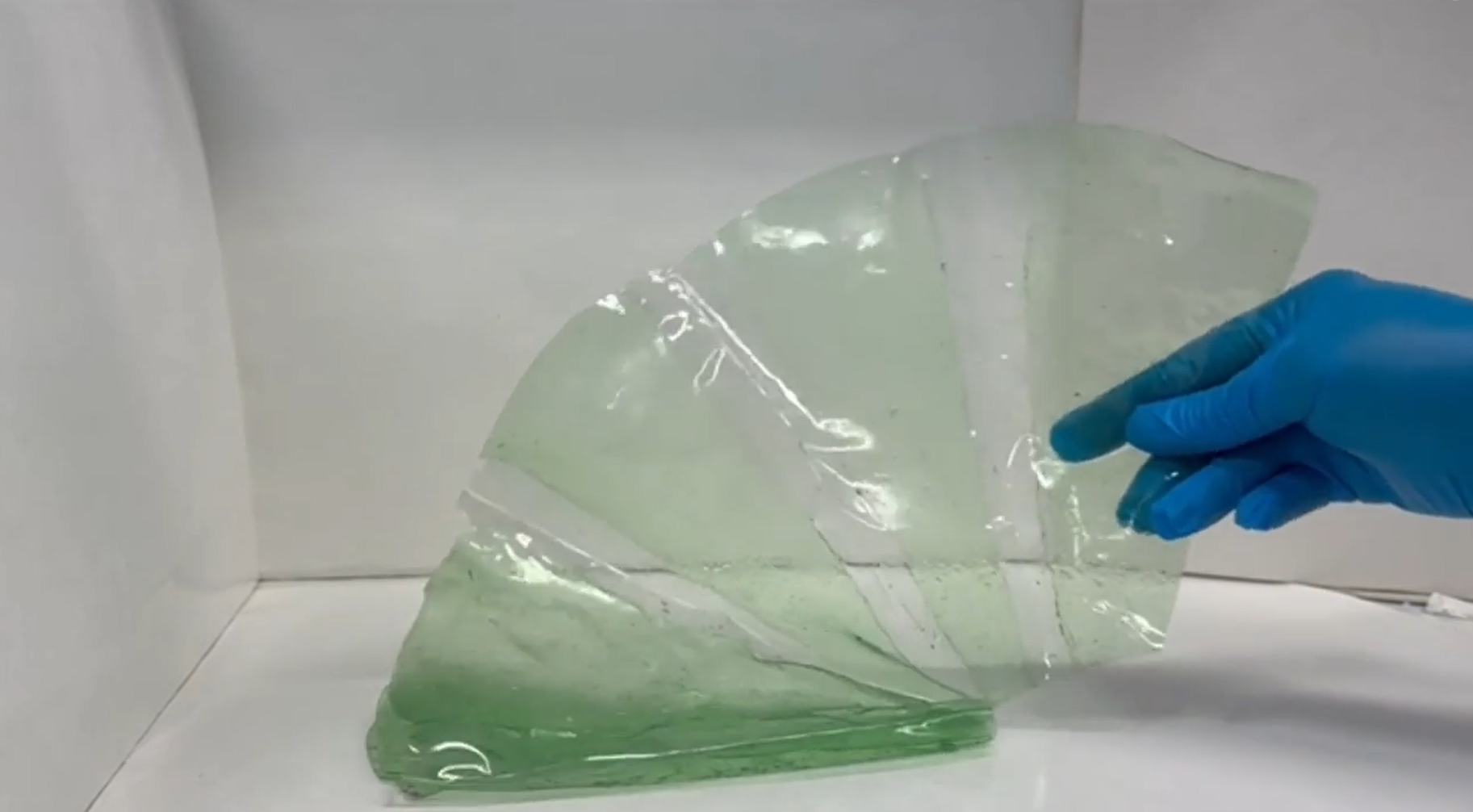
A new study led by the Institute for Bioengineering of Catalonia (IBEC) has unveiled the first biomaterial that is not only waterproof but actually becomes stronger in contact with water. The material is produced by the incorporation of nickel into the structure of chitosan, a chitinous polymer obtained from discarded shrimp shells. The development of this new biomaterial, published in Nature Communications, marks a departure from the plastic-age mindset of making materials that must isolate from their environment to perform well. Instead, it shows how sustainable materials can connect and leverage their environment, using their surrounding water to achieve mechanical performance that surpasses common plastics.

IBEC welcomes two new research groups

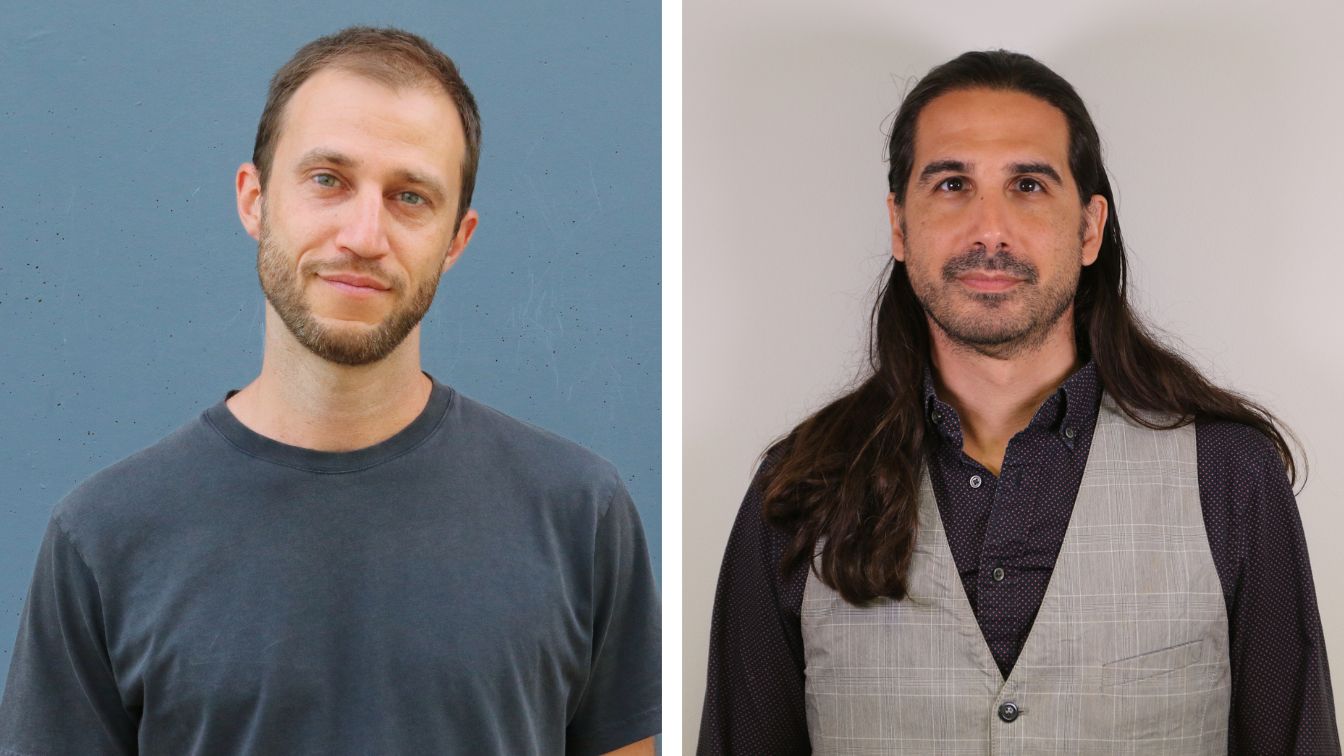
The Institute for Bioengineering of Catalonia (IBEC) has welcomed two new research groups this year, led by ICREA Research Professor Javier G. Fernández and Dr Nicolò Accanto respectively. Dr Fernández’s Biointegrated Materials and Engineering group aims to integrate biological principles and living components into engineering systems, marking the beginning of the “Era of Biomaterials”. Meanwhile, Accanto’s Nonlinear photonics for neuroscience group is developing advanced optical technologies to help us understand the mechanisms that govern neuronal activity.