
ABOUT
We engineer biomaterials with controlled properties for applications in cell engineering, to support in vitro models and as tools for mechanobiology.
Our research focuses on the design of advanced biomaterials to engineer the cellular microenvironment, and has the potential to impact health by translating fundamental research into innovative therapies.
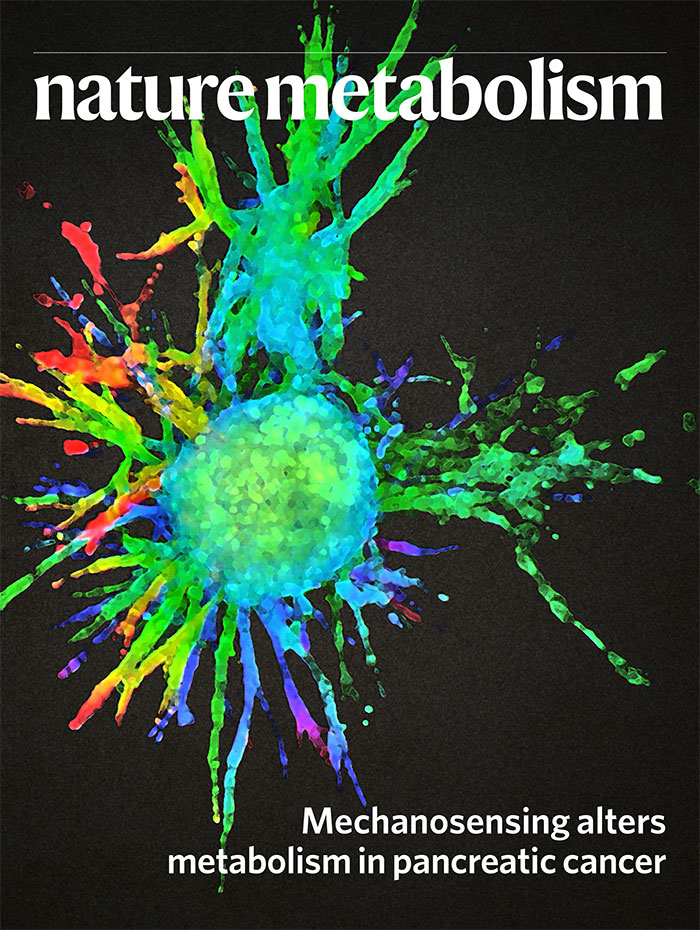
We have pioneered the design of materials that trigger the organisation of extracellular matrix proteins in a physiological way, a phenomenon that named material-driven protein fibrillogenesis (Science Advances 2016). We have also introduced new concepts in the field, such as the use viscosity to control cell behaviour (PNAS 2018); living biomaterials (bacteria-based materials) for stem cell engineering (Advanced Materials 2018); the low dose use of BMP-2 for bone regeneration (Advanced Science 2019), the relationship between matrix rigidity and metabolism (Nature Metabolism 2020) and interfaces that trigger the mechanical activation of growth factors (Advanced Materials 2024).
Our group develops radical new concepts that are pushed all the way through the translational ladder to tackle unmet clinical problems related to the health of people.
1. Engineered viscoelasticity in regenerative medicine and mechanobiology
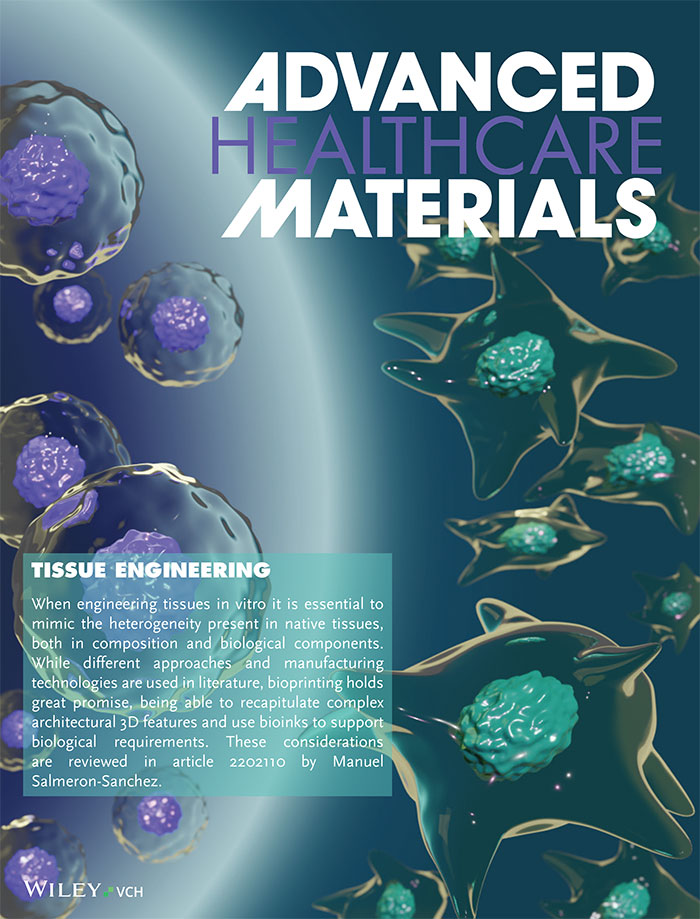
We know that the extracellular matrix is viscoelastic yet most biomaterials that support tissue engineering and regenerative medicine approaches only consider the elasticity of biomaterials. We strive at design of materials where elasticity and viscosity can be tuned independently to provide 2D and 3D hydrogels that support dynamic cellular process and their physical remodelling.
2. in vitro models in health and disease
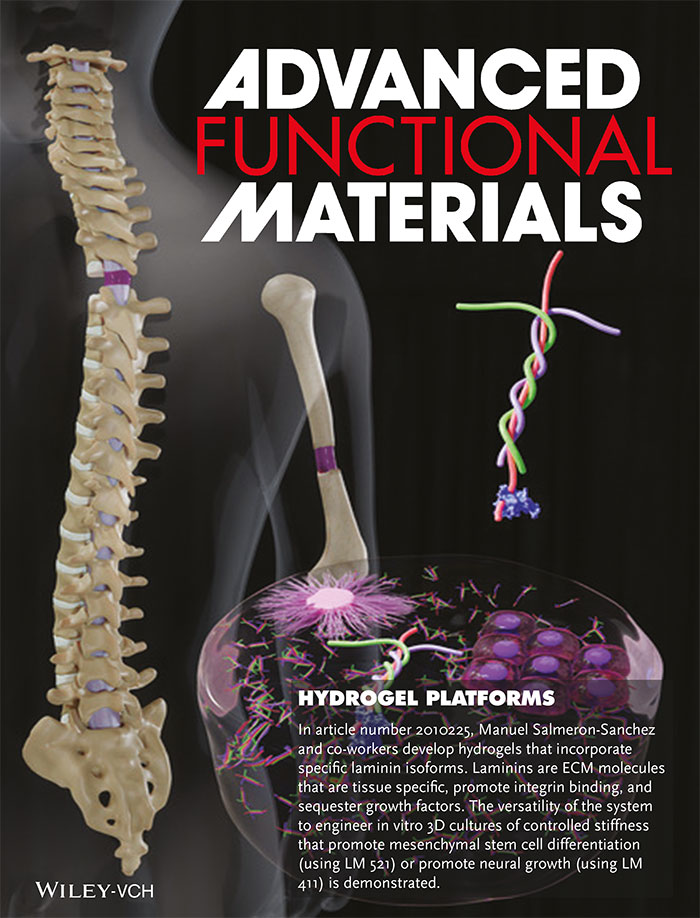
Improved in vitro models enable the study of human tissues in health and disease (e.g. cancer, degenerative diseases, inflammatory diseases), the assessment of new drug delivery tools (e.g. functional biomaterials, encapsulation delivery technologies, new microfluidic devices, etc.), and the cheaper and safer toxicity screening of new drug candidates. We develop robust extracellular matrix mimics, that provide the essential characteristics of a natural ECM in its ability to direct and control cell behaviour, yet with minimal complexity.
3. Engineered living biomaterials to control stem cell fate
Materials-based approaches to direct stem cell fate have resulted in major findings in relation to surface chemistry, stiffness and nanotopography. However, these models are a poor representation of in vivo behaviours, where cells interact with the extracellular matrix through a highly dynamic process. We have pioneered genetically engineered non-pathogenic bacteria that underpin living biomaterials that support stem cells. Living biomaterials that are responsive to small molecules and controlled by light will be new tools in the field.
STAFF
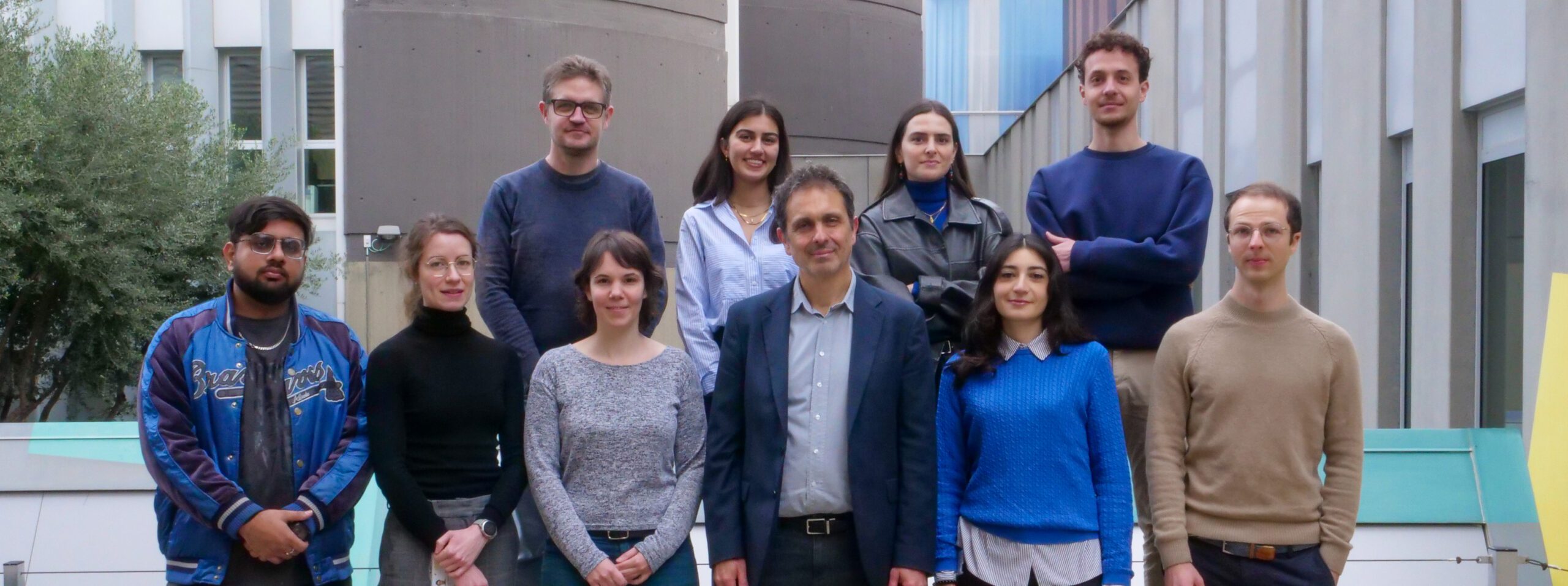
Manuel Salmeron Sanchez
 ibecbarcelona.eu
PROJECTS
| INTERNATIONAL GRANTS | FINANCER | PI |
|---|---|---|
| Devise · Engineered viscoelasticity in regenerative microenvironments (2023-2028) | European Commission / ERC AdG | Manuel Salmeron |
| NATIONAL PROJECTS | FINANCER | PI |
|---|---|---|
| Viscoliver · Hidrogeles viscoelásticos como plataformas de cultivo 3D de células hepáticas para el modelado de la enfermedad del hígado graso no alcohólico | Agencia Estatal de Investigación / Proyectos de Generación de conocimiento 2022 | Gloria Gallego & Manuel Salmeron |
PUBLICATIONS
Check for more detailed information on the outputs of the Group at IBEC CRIS portal.
Publications list:
EQUIPMENT
COLLABORATIONS
- Matt Dalby
University of Glasgow - Massimo Vassalli
University of Glasgow - Molly Stevens
University of Oxford - Pere Roca-Cusachs
Institute for Bioengineering of Catalonia - Sylvain Gabrielle
University of Mons - Amaia Cipitria
Biogipuzkoa Health Research Institute - Andrés Garcia
Georgia Institute of Technology - Gloria Gallego
Universitat Politècnica de València
NEWS/JOBS
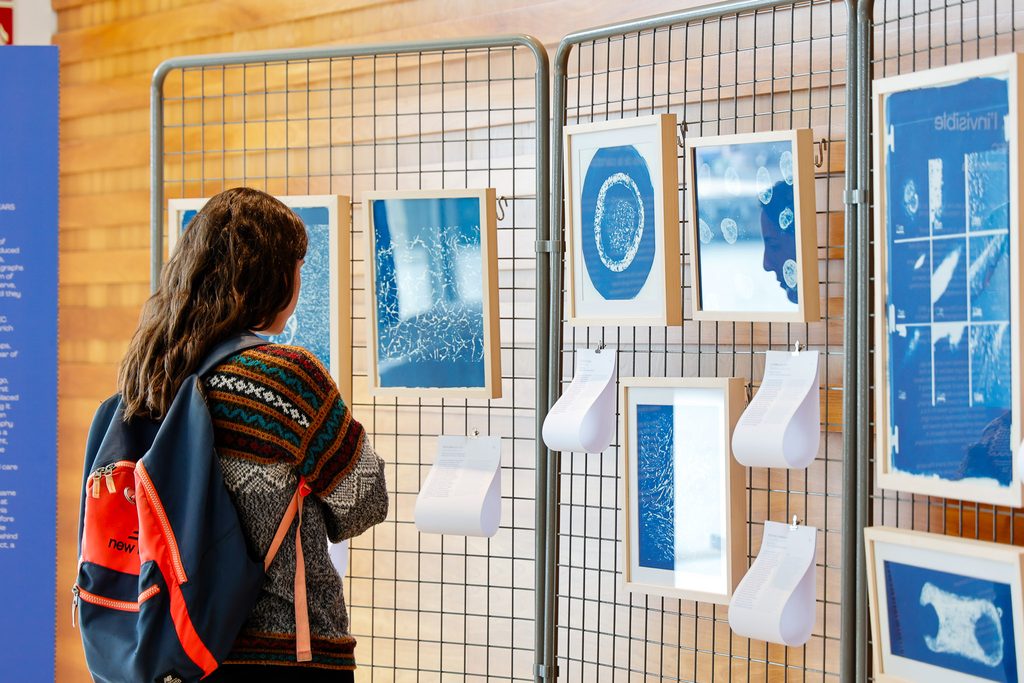
“Revealing the Invisible”: IBEC marks its 20th anniversary by turning research images into cyanotypes
To mark its 20th anniversary, the Institute for Bioengineering of Catalonia (IBEC) has launched “Revealing the Invisible”, an art and science project in which photographer Roser Salarich has transformed twenty images contributed by the institute’s research groups into cyanotypes, one for each year of its history. The exhibition was unveiled at the institutional event celebrating the anniversary and could be visited during IBEC’s annual Symposium.
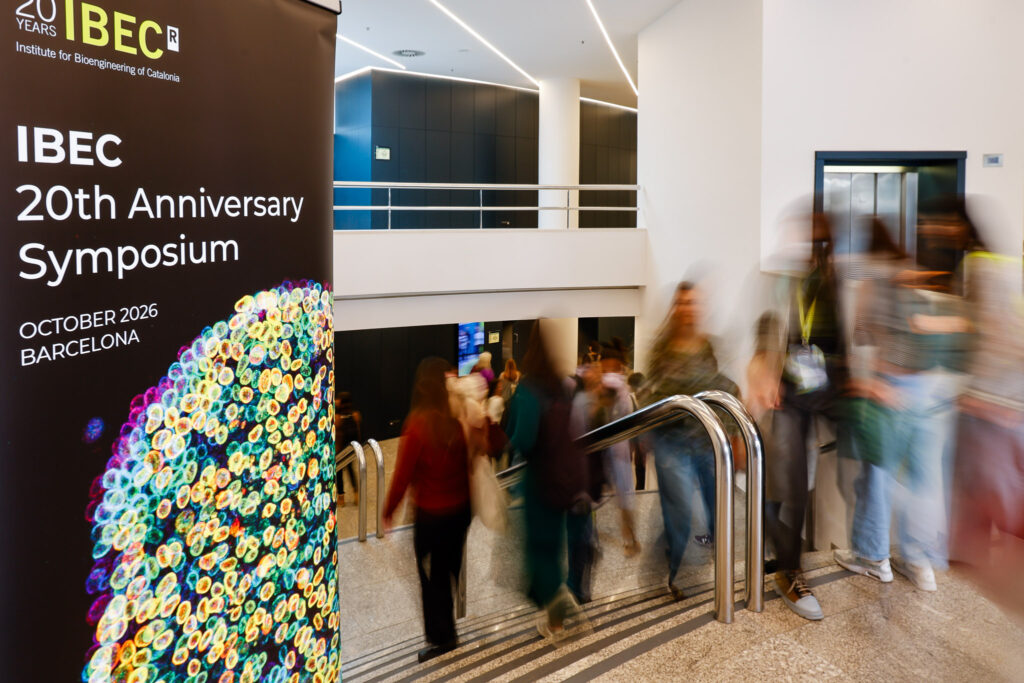
IBEC celebrates two decades of bioengineering at its 20th Anniversary Symposium, with more than 350 attendees
The Institute for Bioengineering of Catalonia (IBEC) marked its 20th anniversary with a special edition of its annual Symposium, under the theme ‘20 years shaping the present and future of medicine with bioengineering’. Over two days, more than 350 members of the IBEC community met in Barcelona to share their work, discuss the latest advances in bioengineering and celebrate two decades of interdisciplinary research at the institute.
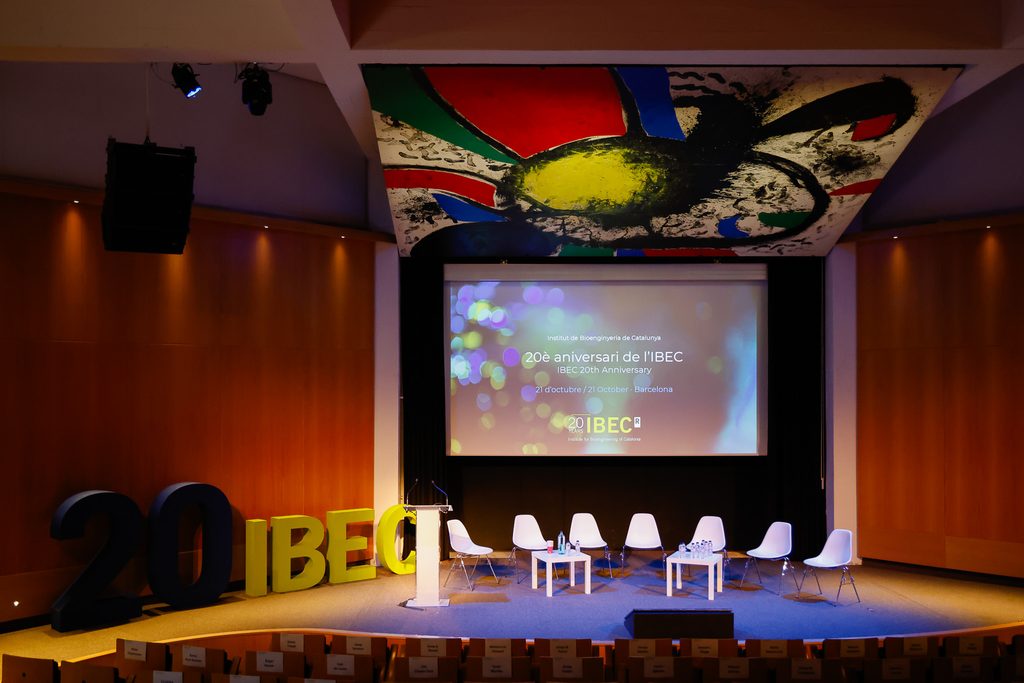
IBEC celebrates its 20th anniversary with an institutional event at the Fundació Joan Miró
The Institute for Bioengineering of Catalonia (IBEC) celebrated its 20th anniversary on Wednesday 21 October with an institutional event at the Auditorium of the Fundació Joan Miró in Barcelona. Representatives of the Catalan Government, people who have led and supported the centre since its creation, and IBEC researchers looked back on two decades of research at the interface between engineering and the life sciences, and shared their views on the challenges ahead.

IBEC launches IBEC On Air, a podcast exploring bioengineering beyond the lab
The Institute for Bioengineering of Catalonia (IBEC) has today released the first episode of IBEC On Air, its new science communication podcast and one of the activities marking the institute’s 20th anniversary. Across seven episodes of around 20 minutes each, researchers from the institute talk about their work, the questions that drive it and the journey behind each project. The podcast is available on Spotify, iVoox, Apple Podcasts and YouTube.
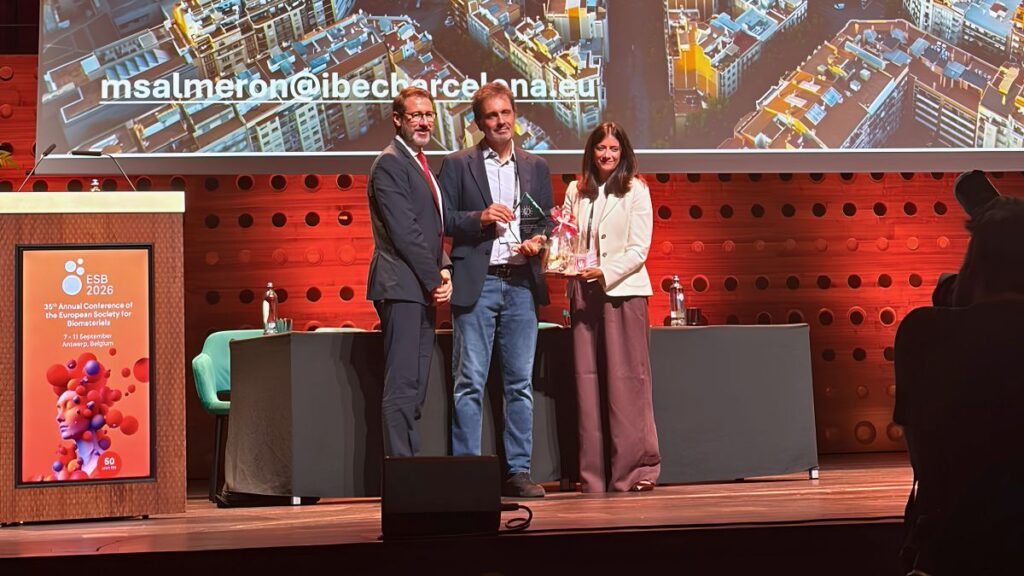
Manuel Salmeron receives the George Winter Award 2026
Manuel Salmeron, director and ICREA Research Professor at the Institute for Bioengineering of Catalonia (IBEC), received the George Winter Award 2026 in recognition of his outstanding contribution to biomaterials research. The European Society for Biomaterials’ (ESB) most prestigious individual honour was officially presented to Salmeron, he stated on Tuesday, 8 September 2026, during the ESB 2026 conference held in Antwerp, Belgium.
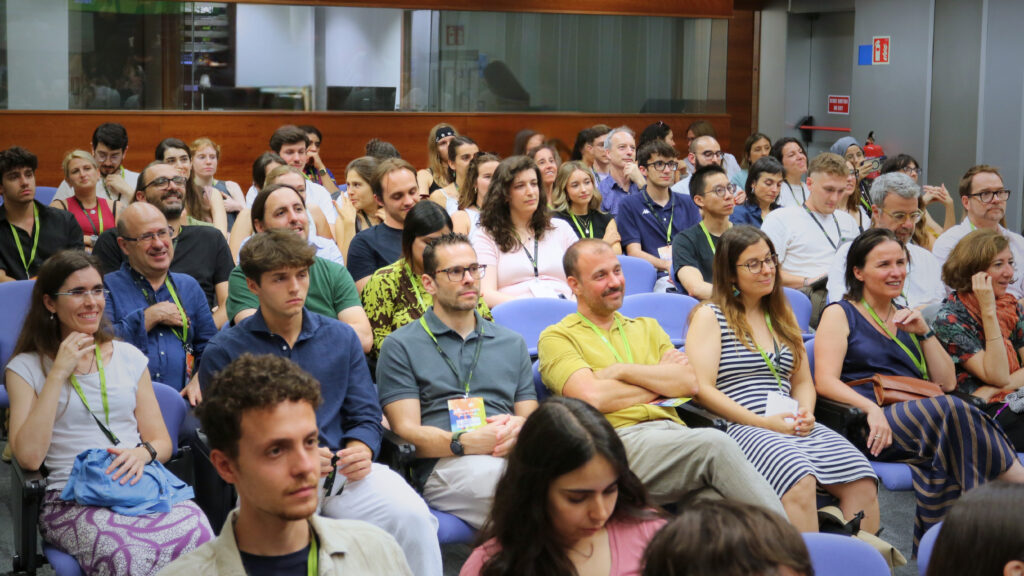
IBEC brings together around 100 professionals at the “IBEC Alumni – 20 Years of Community” event
On Thursday 18 June, IBEC held an event called “IBEC Alumni – 20 Years of Community” at the Barcelona Science Park. Around 100 people attended, including former members and staff of the institute. The event aimed to reconnect the alumni community, share career journeys, and showcase the talent nurtured at IBEC over the last 20 years.
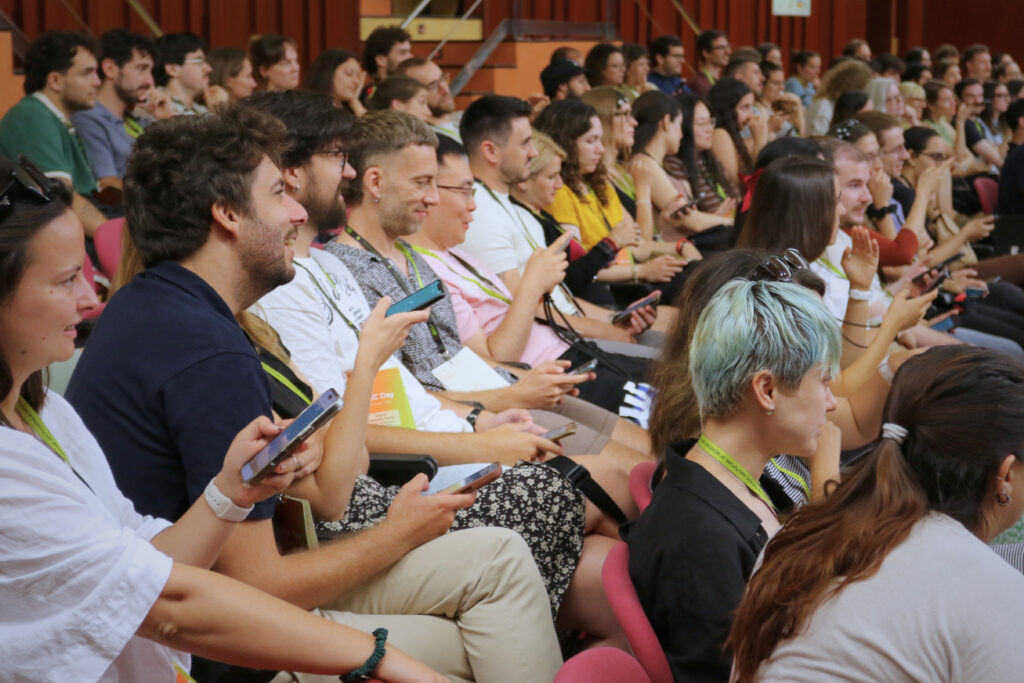
IBEC staff gather for IBEC Day to mark the institute’s 20th anniversary
Over 200 people took part in IBEC Day 2026, an event designed to encourage sharing, connection and celebration in honour of the institute’s 20th anniversary.
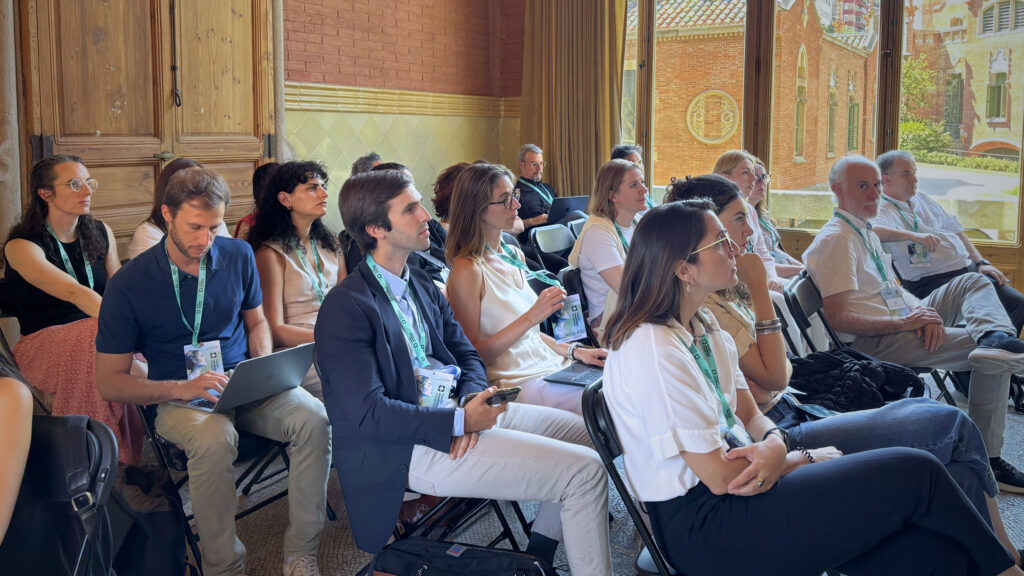
IBEC showcases cutting-edge biomedical innovation at the Health Revolution Congress 2026
The Institute for Bioengineering of Catalonia brought together researchers, investors and industry leaders with its event “IBEC Health Revolution Day: Engineering the Future of Medicine”, as part of the Health Revolution Congress. Through expert panels, technology pitches and scientific talks, the event showcased cutting-edge biomedical technologies and discussed how to translate scientific discoveries into real-world healthcare solutions.
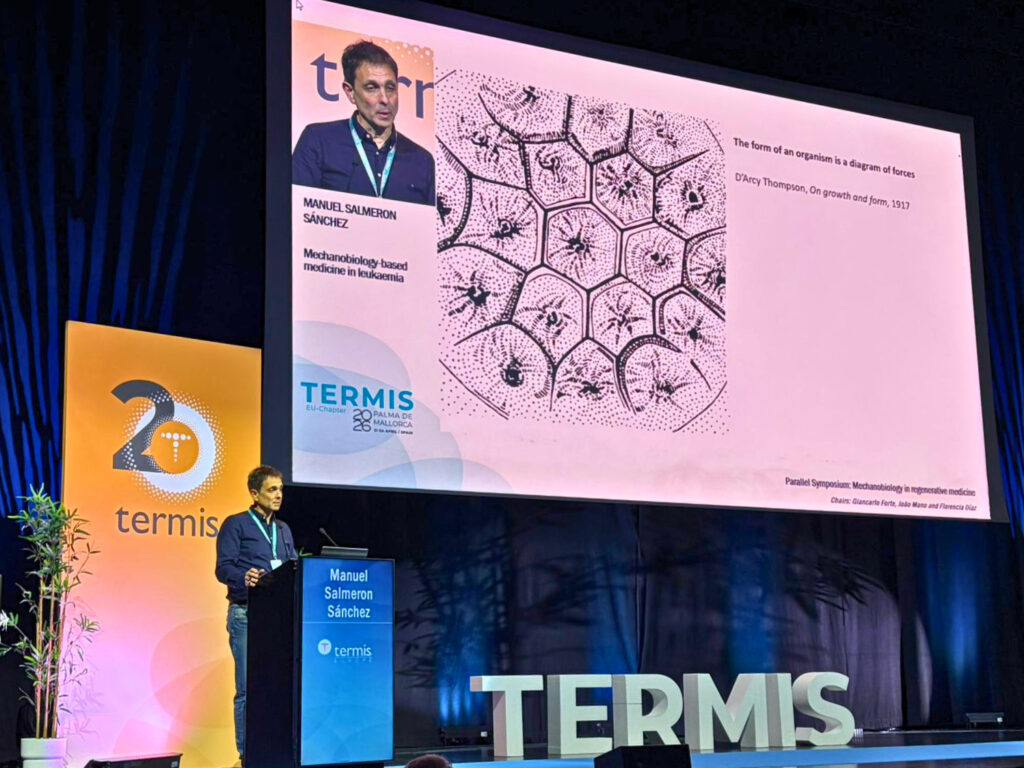
IBEC makes its mark at TERMISEU 2026 with a strong scientific presence and a key role in the conference’s leadership
From 21 to 24 April 2026, IBEC had a significant presence at TERMISEU 2026, the leading European conference on tissue engineering and regenerative medicine. Held at the Palma Conference Centre in Mallorca, the event brought together more than 1,600 researchers.
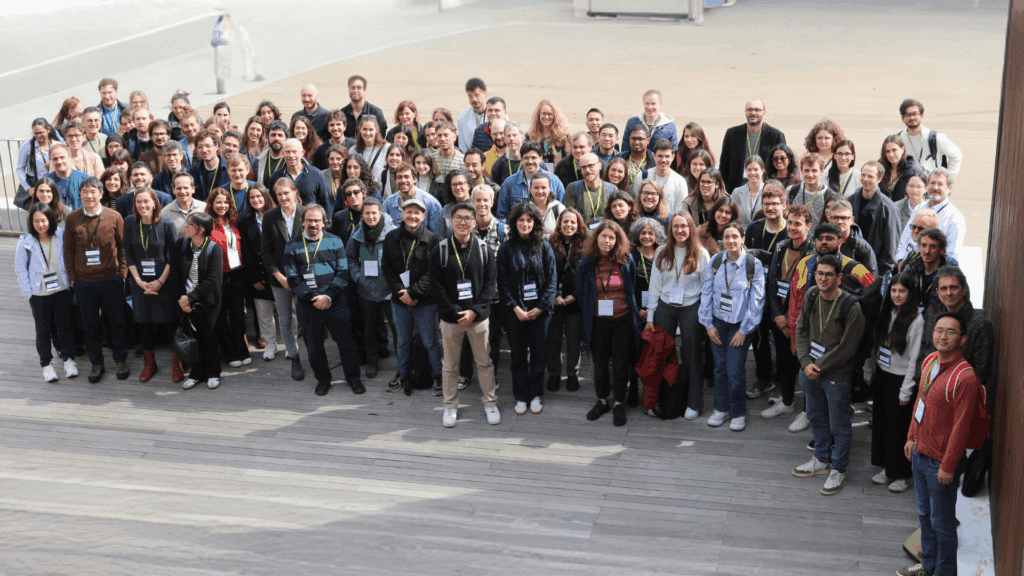
Barcelona hosts the fourth edition of the EMBL-IBEC Conference
The fourth EMBL-IBEC Conference, organised by the Institute for Bioengineering of Catalonia (IBEC) and the European Molecular Biology Laboratory (EMBL), focused on disease modelling, developmental biology, and regenerative medicine. The event brought around 130 international bioengineering experts together at the PRBB in Barcelona this week.