The Institute for Bioengineering of Catalonia (IBEC) marked its 20th anniversary with a special edition of its annual Symposium, under the theme ‘20 years shaping the present and future of medicine with bioengineering’. Over two days, more than 350 members of the IBEC community met in Barcelona to share their work, discuss the latest advances in bioengineering and celebrate two decades of interdisciplinary research at the institute.
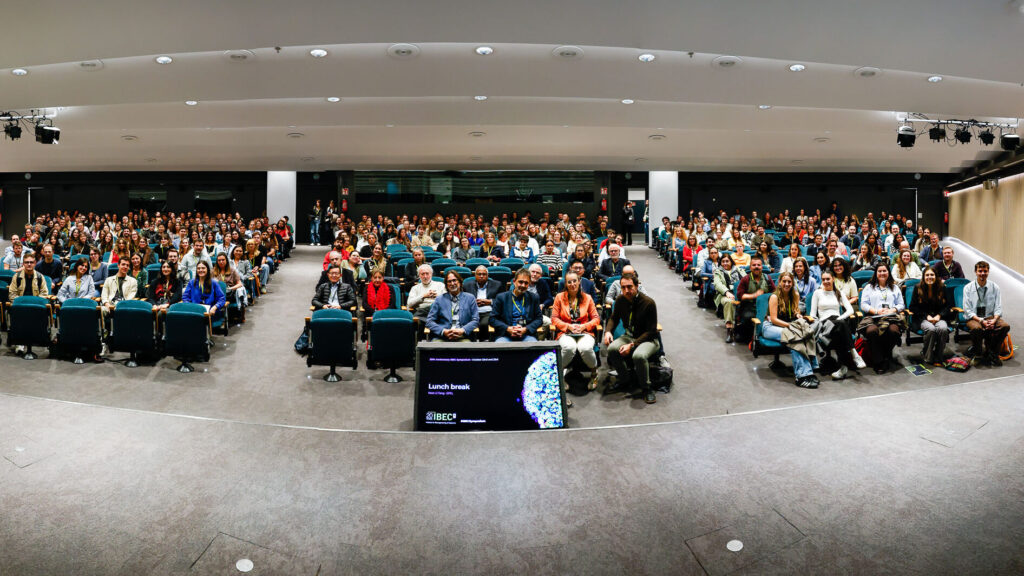
On Thursday, 22 October, the World Trade Center Barcelona hosted the IBEC 20th Anniversary Symposium. Although aimed especially at the IBEC community, the event was open to the entire scientific community and was attended by more than 350 people.
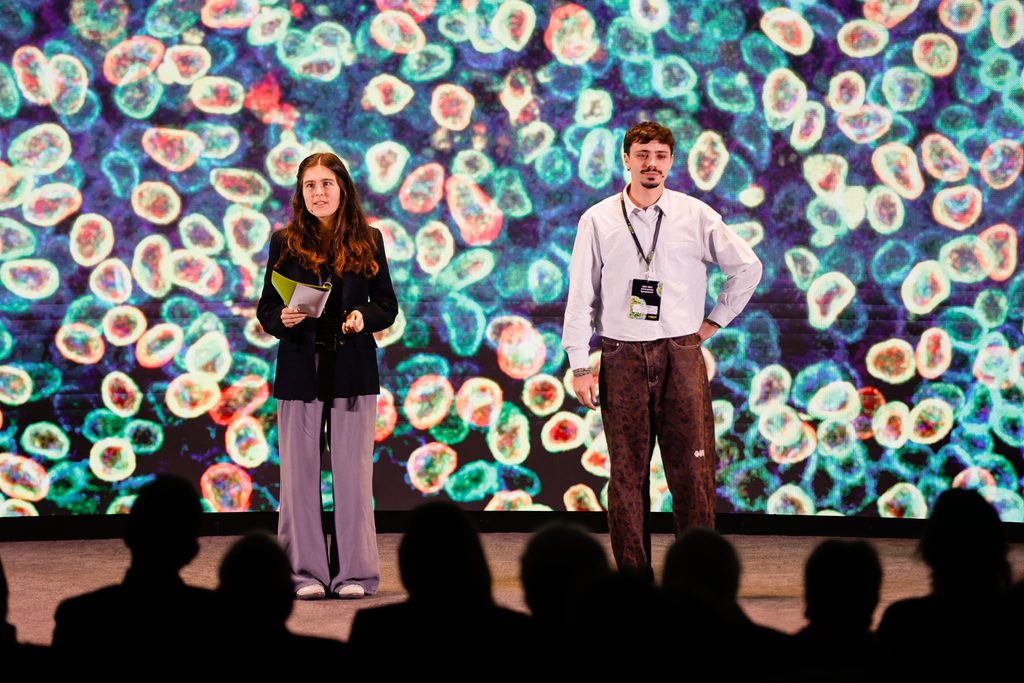
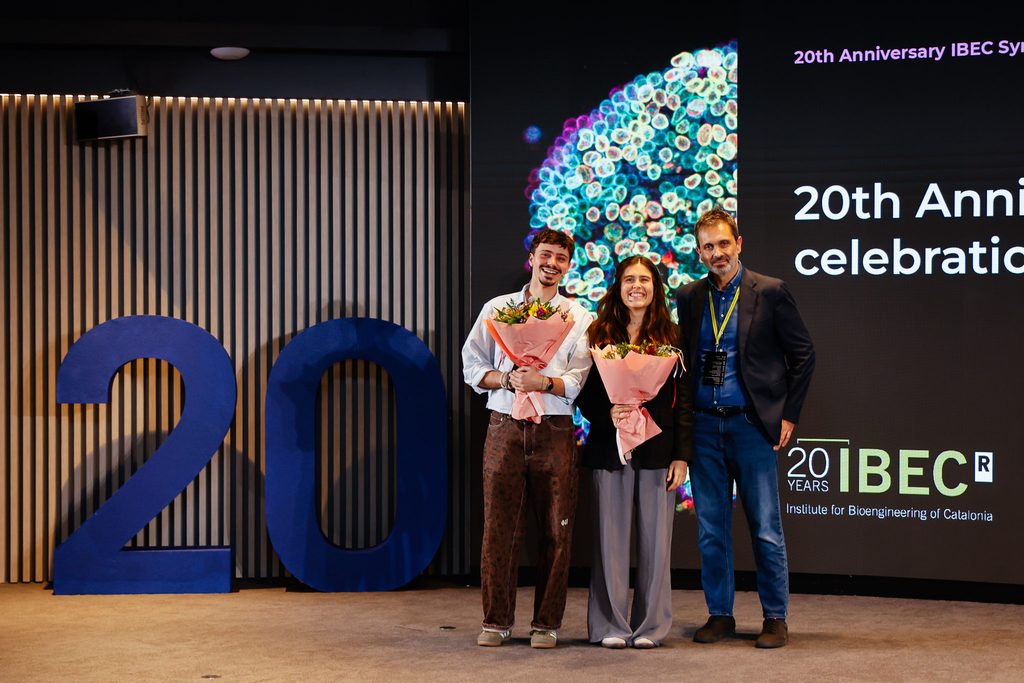
The symposium was hosted by Rita Grimalt Mirada and Timothée Caboche, researchers in IBEC’s Biomaterials for Neural Regeneration and Biosensors for Bioengineering groups, respectively.
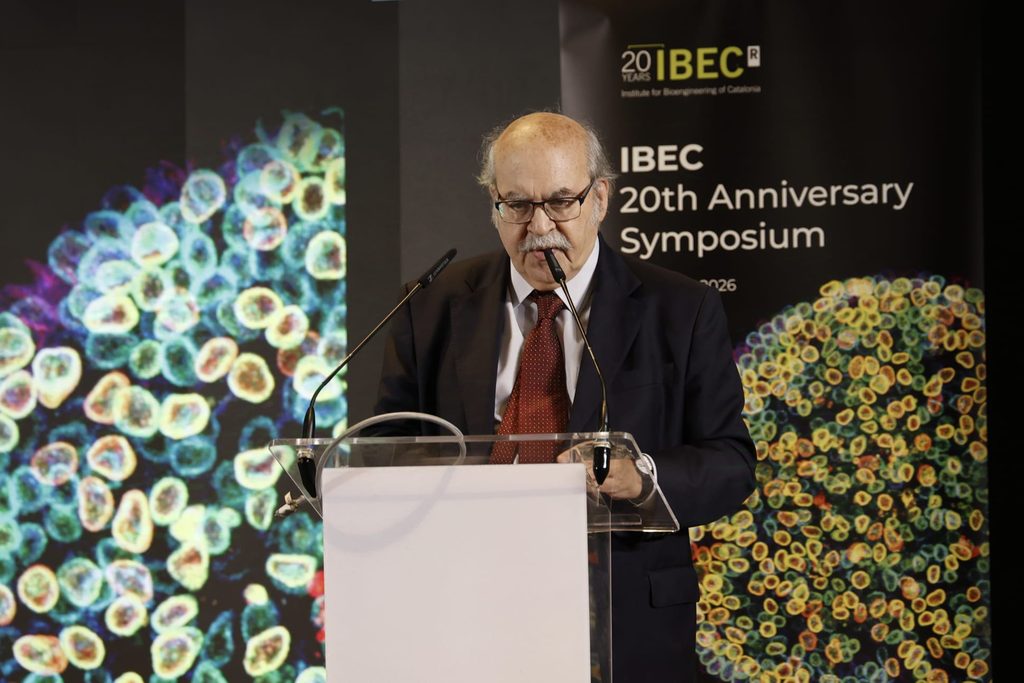
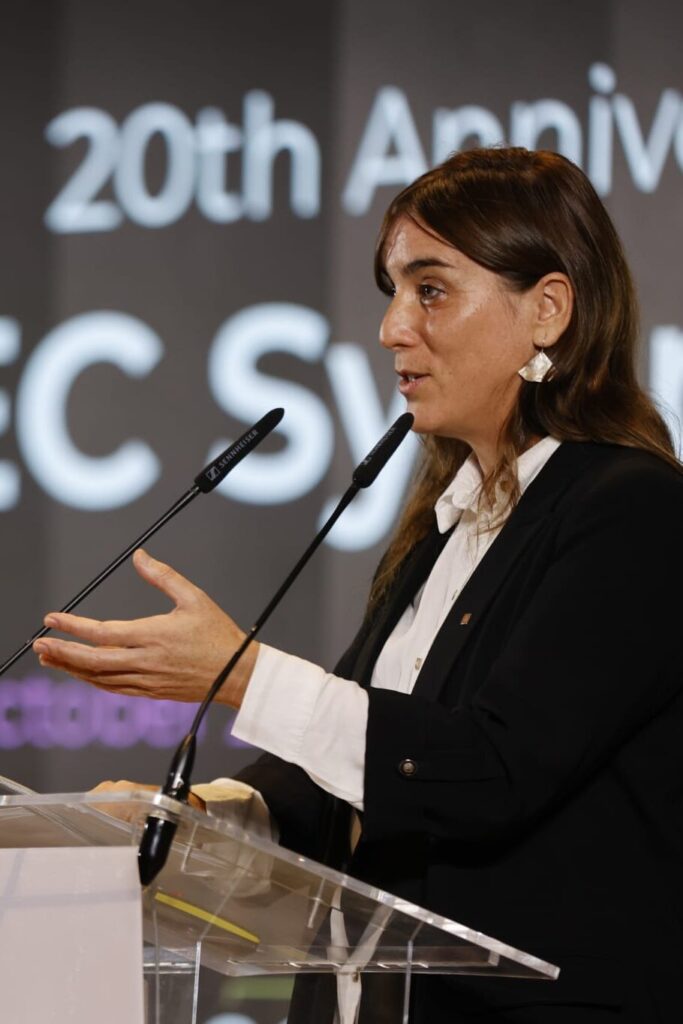
The event opened with speeches by Robert Fabregat, Director of Biocat; Andreu Mas-Colell, Chair of the Barcelona Institute of Science and Technology (BIST); and Núria Montserrat, Minister for Research and Universities of the Government of Catalonia.
Fabregat, who worked at IBEC in its early years, recalled his time at the institute, including the creation of its first spin-off, Rob Surgical, and the preparation of its first Severo Ochoa accreditation. He stressed that scientific excellence is built not only on talent but also on collaboration and shared ambition, and called for faster progress in translating scientific discoveries into real solutions for patients. Asked to describe IBEC in one word, he chose ‘visionary’.
“My wish for the next 20 years: never lose the courage, patience and vision of staying ahead of your time.”

Robert Fabregat
Mas-Colell recalled the creation of IBEC in the early 2000s, at a time when several new research centres were being set up in different thematic areas. IBEC and some of these centres would later join forces in BIST, created in 2015 to encourage interdisciplinary collaboration.
Montserrat described the symposium as an opportunity to look beyond what we already know. Reviewing IBEC’s history, she described its creation as a bold choice by people who believed that biologists and engineers could work together, and said that, 20 years later, the institute is an example of a model the Government of Catalonia wants to keep supporting.
The Minister reflected on how to bring discoveries from the laboratory into real life without losing ambition, and on who decides which risks can be taken, which she described as not only technical but also democratic questions. Drawing a parallel with organoids, she applied the same idea to the relationships between institutions and to the research system as a whole:
“Complex systems do not work only because of the quality of their parts, but also because of the quality of their
relationships.”

Núria Montserrat
Montserrat closed her speech by wishing attendees “a day of debate, with uncomfortable questions, shared discoveries and new ideas”.
After the speeches, a video looking back on IBEC’s 20 years was shown.
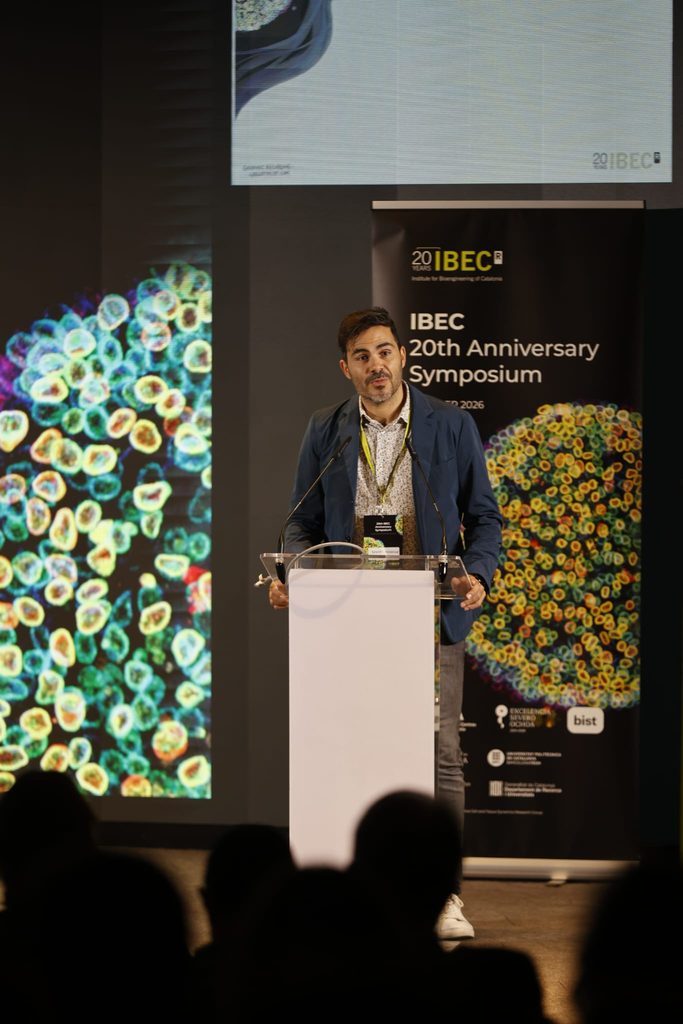
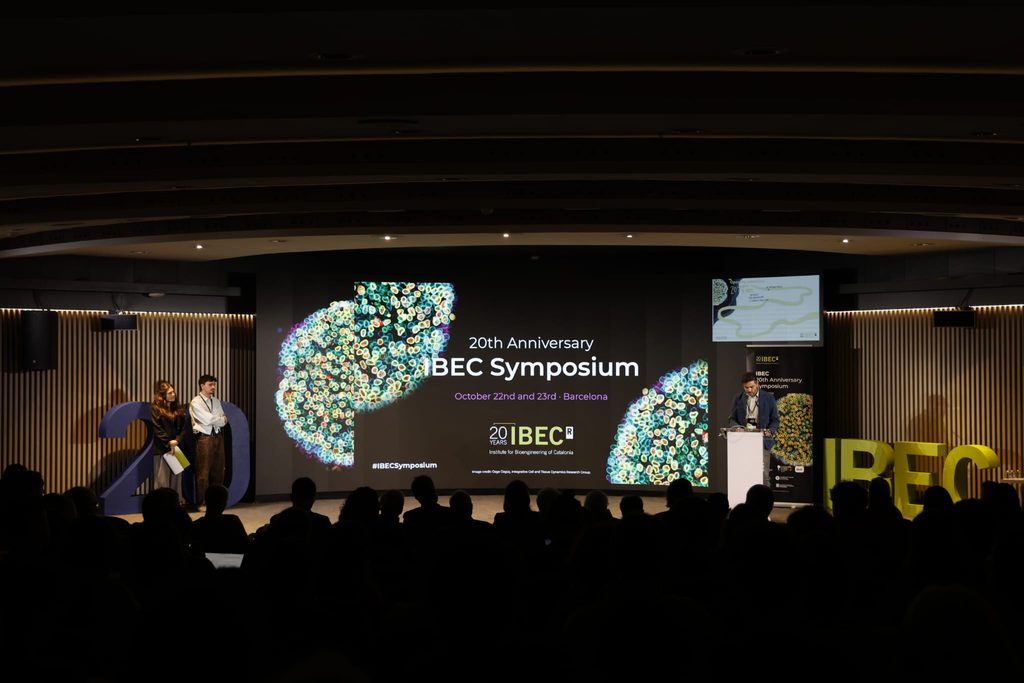
As is customary, IBEC Director Manuel Salmeron then opened the series of talks with a review of the institute’s past year, structured around five verbs: grow, shine, connect, impact and celebrate.
On growth, Salmeron highlighted IBEC’s portfolio of 16 active ERC projects, worth a total of €23 million, and the 19 new competitive grants obtained this year. These include an ERC Consolidator Grant and three ERC Proof of Concept grants, as well as new projects funded by Horizon Europe, the “la Caixa” Foundation, La Marató, the Spanish Association Against Cancer (AECC) and the Pasqual Maragall Foundation. According to provisional data from the Spanish Centre for the Development of Industrial Technology (CDTI) for Horizon Europe 2021–2024, IBEC ranks seventh among all Spanish entities for ERC funding and fifth among research centres for Horizon Europe funding overall. He also presented the new team and equipment of the microscopy core facility and the plan to bring the institute together in three buildings totalling 8,400 m².
Under ‘shine’, he reviewed some of the year’s research highlights, such as human kidney organoids that integrated into pig kidneys during ex vivo perfusion and light-switchable molecules that restored visually guided behaviour in blind mice. He also recalled the three major awards received by IBEC researchers in 2026: the Rei Jaume I Award to Samuel Sánchez, the George Winter Award to Salmeron himself and the RSEQ–Lilly Early Career Award to Irene Marco-Rius. In addition, he welcomed the institute’s newest group leaders, Javier G. Fernández and Carlos Moreno Yruela.
The presentation also covered the five Thematic Networks, which connect 17 research groups, IBEC’s international alliances and a new joint unit with SJD Barcelona Children’s Hospital focused on rare and paediatric diseases. On impact, Salmeron highlighted two new spin-offs, AEGISOME BIO and Eyelumina, IBEC’s presence at health innovation events such as MWC 2026, and its 1,681 media hits over the past year. Finally, he looked back on the 20th anniversary celebrations, including the Manel Xifra i Boada Award received by IBEC in 2025 and the IBEC Day and IBEC Alumni events, which brought together some 300 people.
“I hope for a very successful and scientifically inspiring symposium.”

Manuel Salmeron
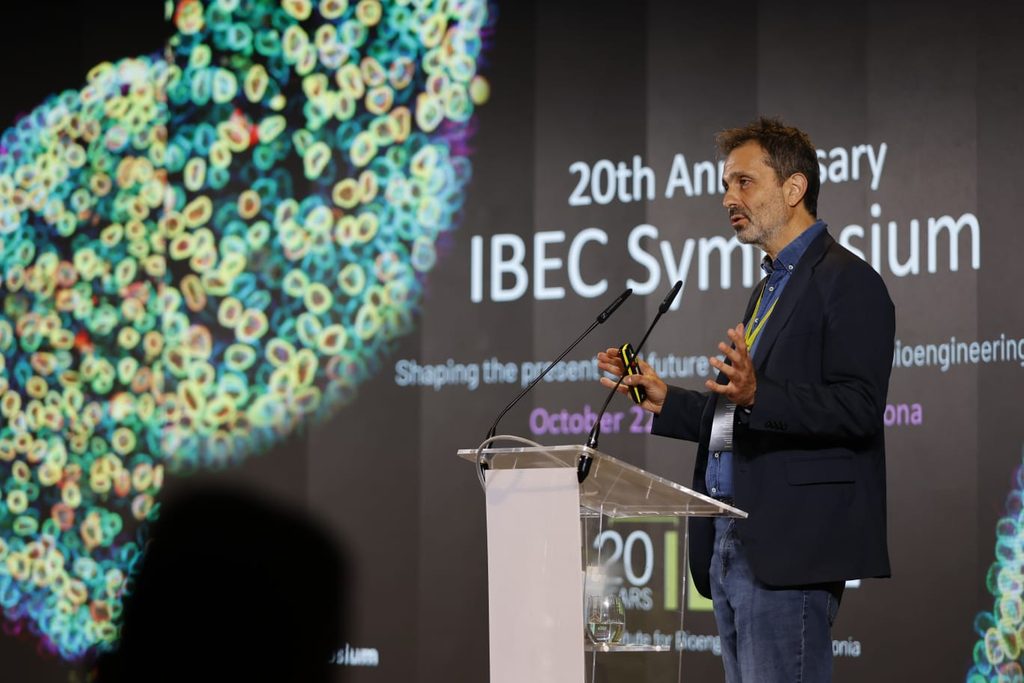
Keynote lectures
This year, two internationally renowned researchers gave keynote lectures.
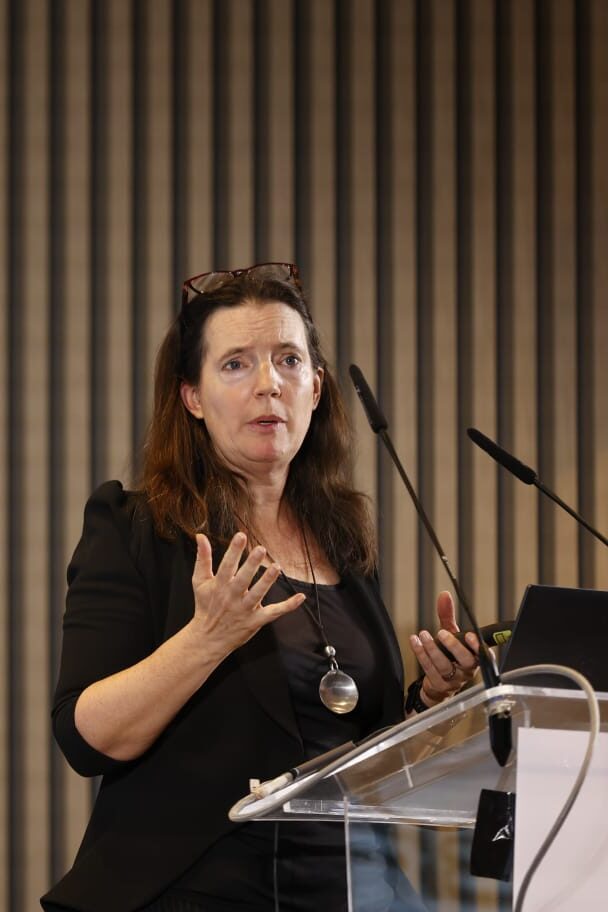
The first speaker was Molly Stevens, John Black Professor of Bionanoscience at the University of Oxford (United Kingdom) and Deputy Director of the Kavli Institute for Nanoscience Discovery. In her talk, ‘Designing and translating next generation biomaterials for disease detection and therapeutics’, she gave an overview of her group’s work on materials for therapeutic delivery and biosensing, from nanoparticle-based probes for disease diagnostics to Raman spectroscopy tools for characterising nanomedicines. She placed particular emphasis on building pipelines to bring these innovations to the clinic. One example is a gel designed to prevent tissue fibrosis, developed by the company TYBR Health, which was used clinically in the United States for the first time this year in complex tendon surgery on the hand.
“We went from really fundamental work to something that is now approved by the FDA for use in patients.”

Molly Stevens
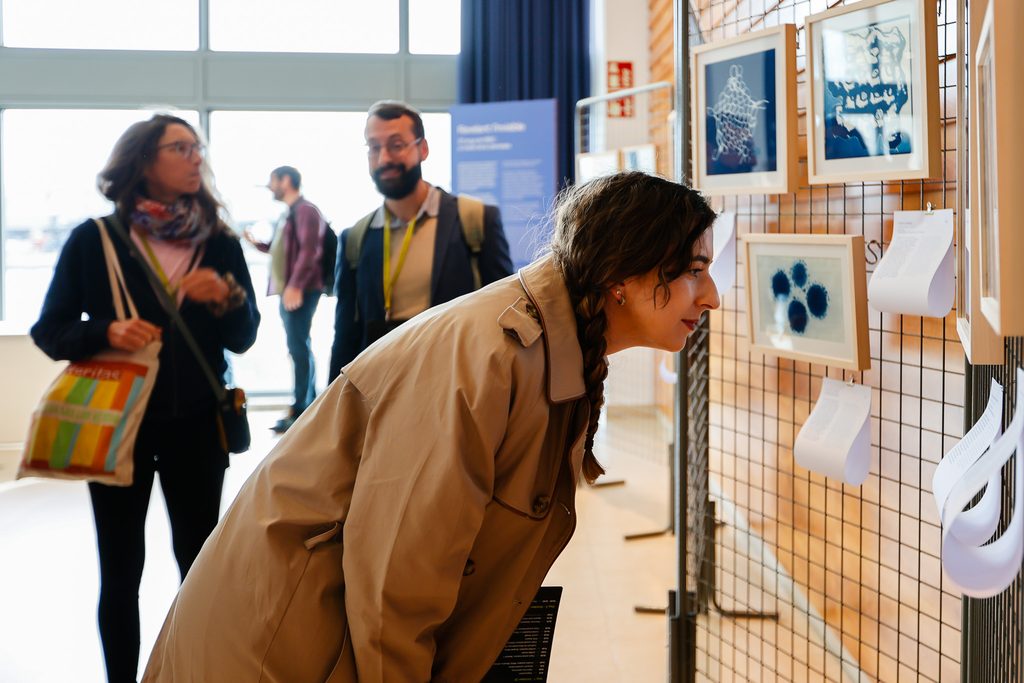
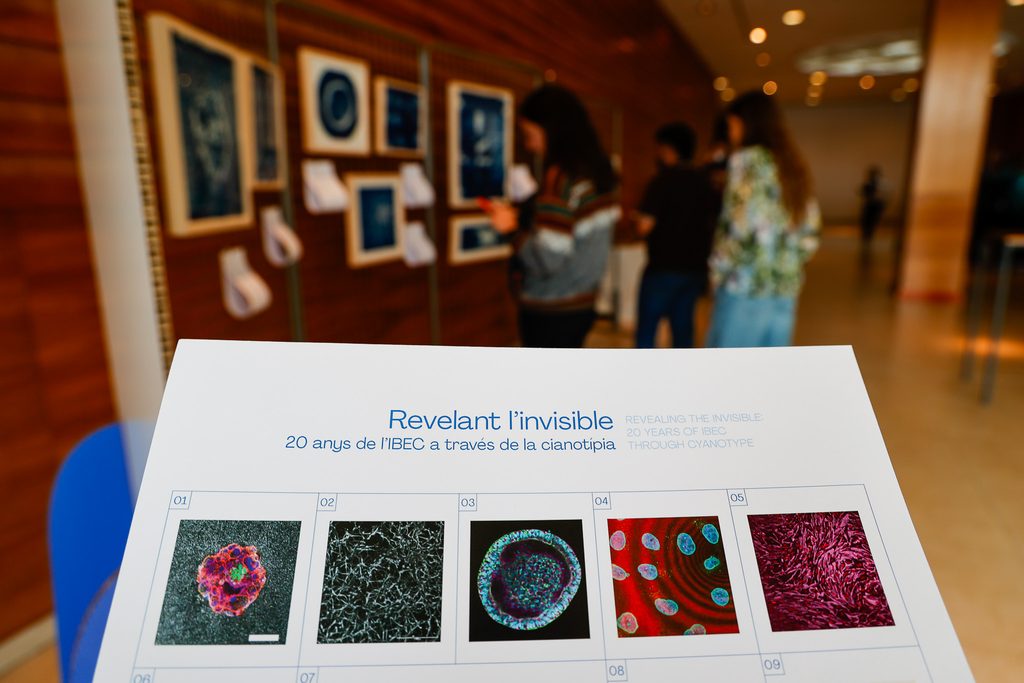
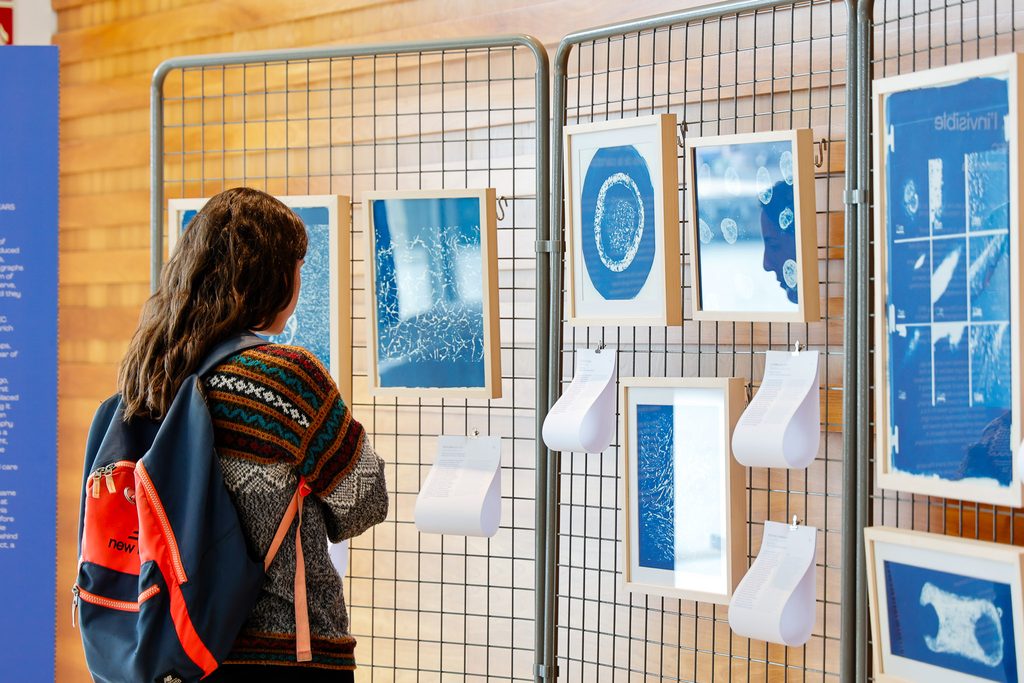
After Stevens’ lecture, a video introduced Revelant l’invisible (Revealing the invisible), an exhibition that reinterprets scientific images from IBEC research as cyanotypes, prints made with this 19th-century photographic technique in characteristic shades of blue. Attendees could visit the exhibition during the symposium breaks. More information is available on the exhibition website.
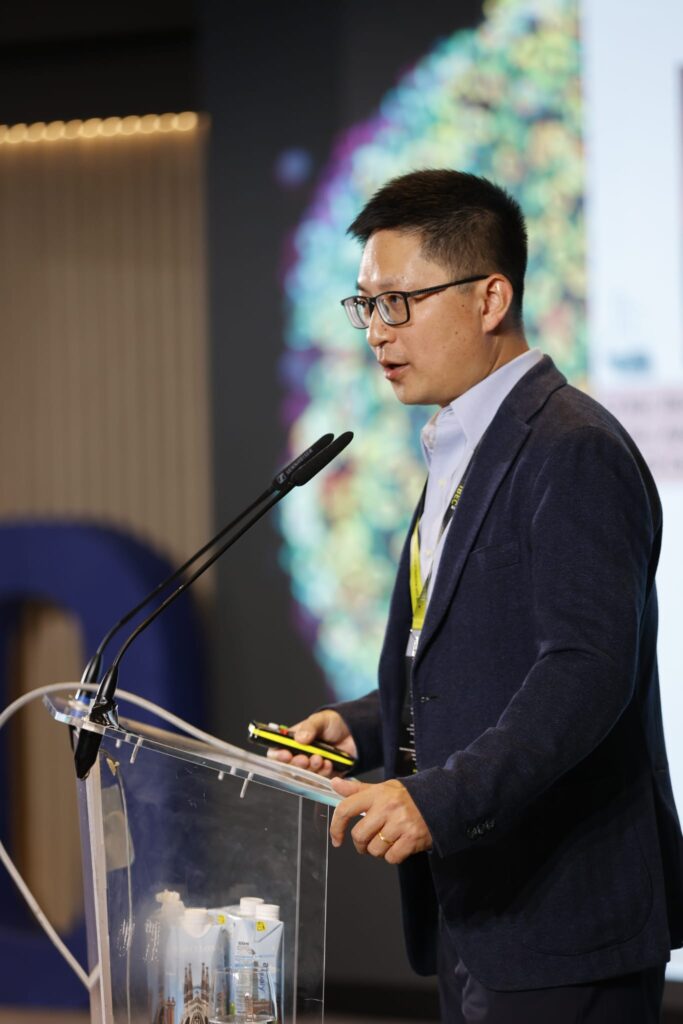
The afternoon session opened with Li Tang, Associate Professor at the Institute of Bioengineering of the École Polytechnique Fédérale de Lausanne (EPFL, Switzerland). His talk, ‘Multidimensional immunoengineering to advance cancer immunotherapy: the journey from bench to bedside and back’, focused on how engineering the interactions between the immune system and tumours can lead to new cancer therapies. Tang explained that immune cells sense and respond to the mechanical properties of their environment, and that the softness of cancer cells, which correlates with malignancy and metastasis, acts as a ‘mechanical immune checkpoint’. His group has also found that the chimeric antigen receptors (CARs) used in CAR-T cell therapies are themselves mechano-sensitive. He then questioned the current paradigm of cancer immunotherapy, centred on type 1 immune responses: a retrospective multi-omics study of patient samples with ten years of follow-up suggested that type 2 immunity is associated with remission lasting more than eight years. Building on this idea, his team has developed a new type of CAR-T cell, which is now being evaluated in early clinical trials in patients with blood cancers.
“This journey from the bench to the bedside would not be possible without extensive international cooperation.”

Li Tang
IBEC research in five minutes
To mark the anniversary, IBEC’s research groups presented their work in 26 five-minute flash presentations, distributed across three sessions throughout the day. The first session, chaired by Elena Garreta, leader of the Pluripotency for Organ Regeneration group, focused mainly on advanced microscopy and smart data analysis; the second, chaired by Javier G. Fernández, leader of the Biointegrated Materials and Engineering group, on biomodels and tissue engineering; and the third, chaired by Daniel Gonzalez-Carter, senior researcher in the Molecular Bionics group, on advanced therapeutic systems and mechanobiology.
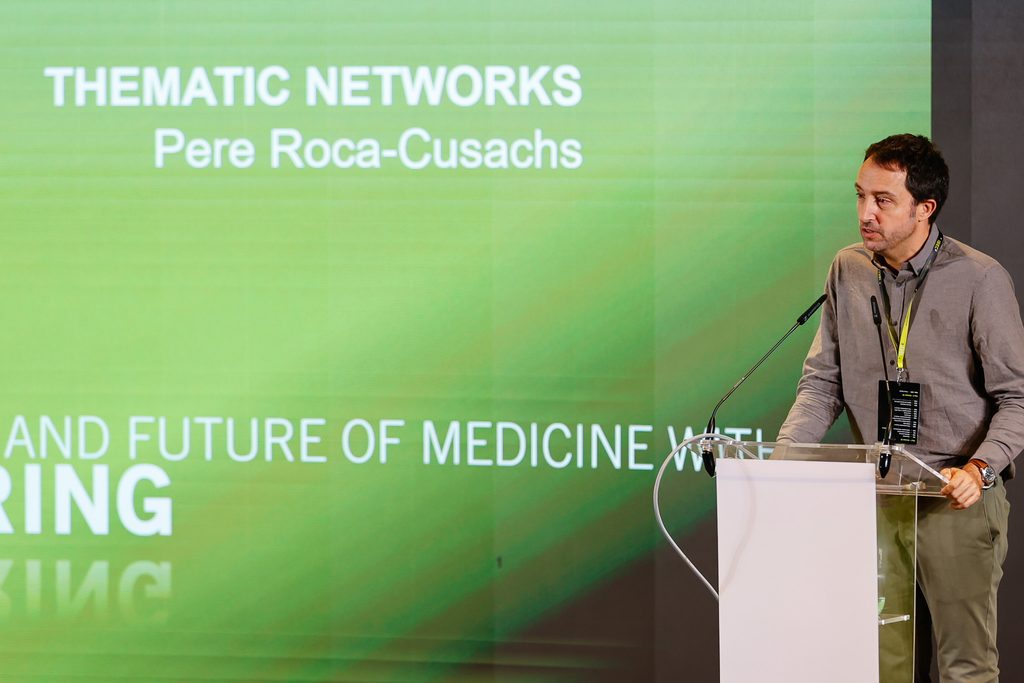
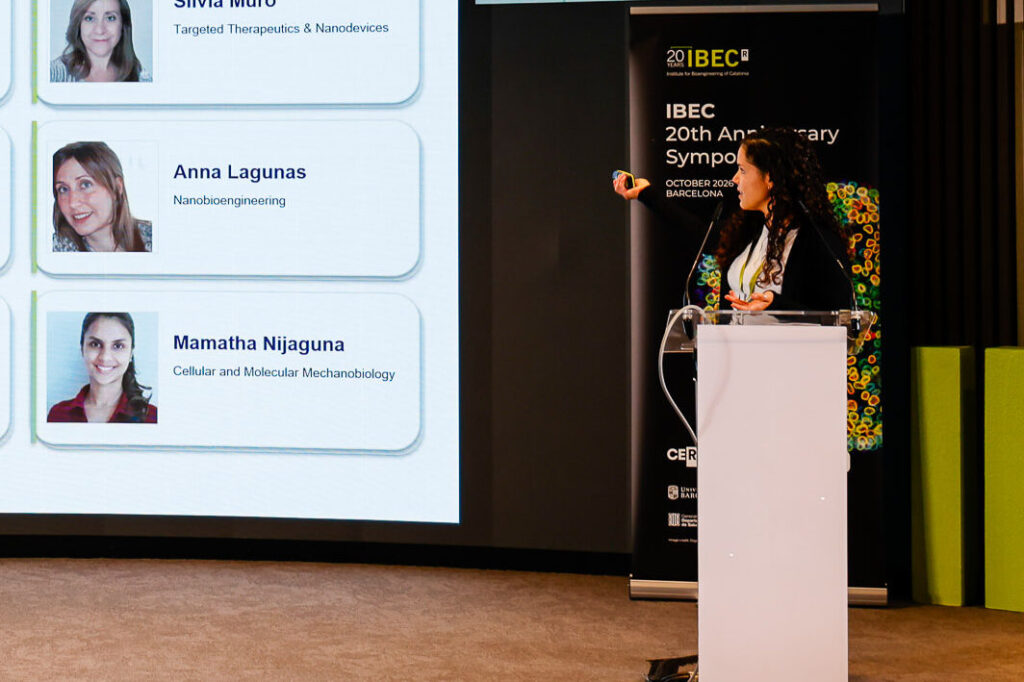
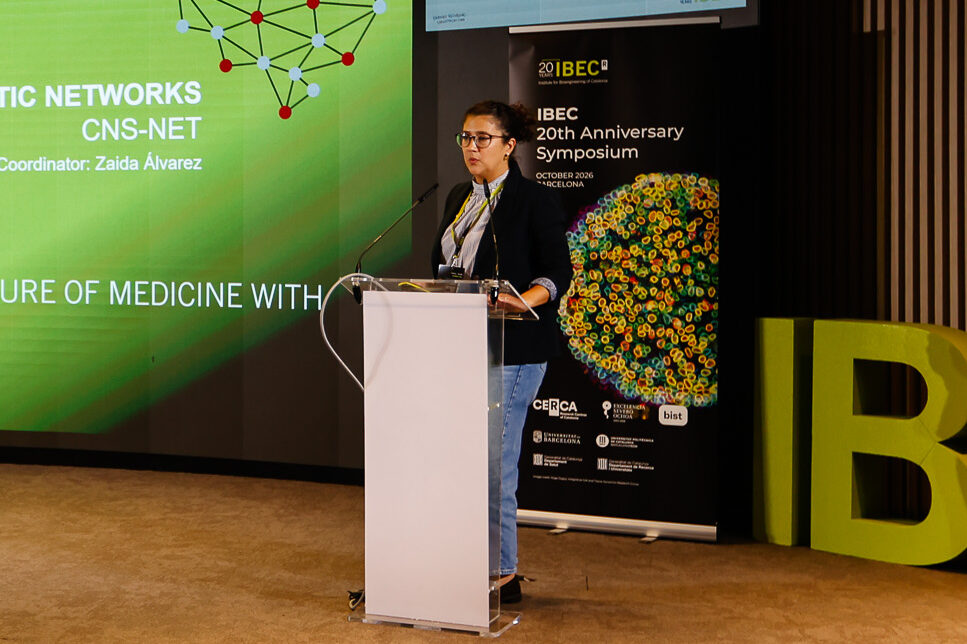
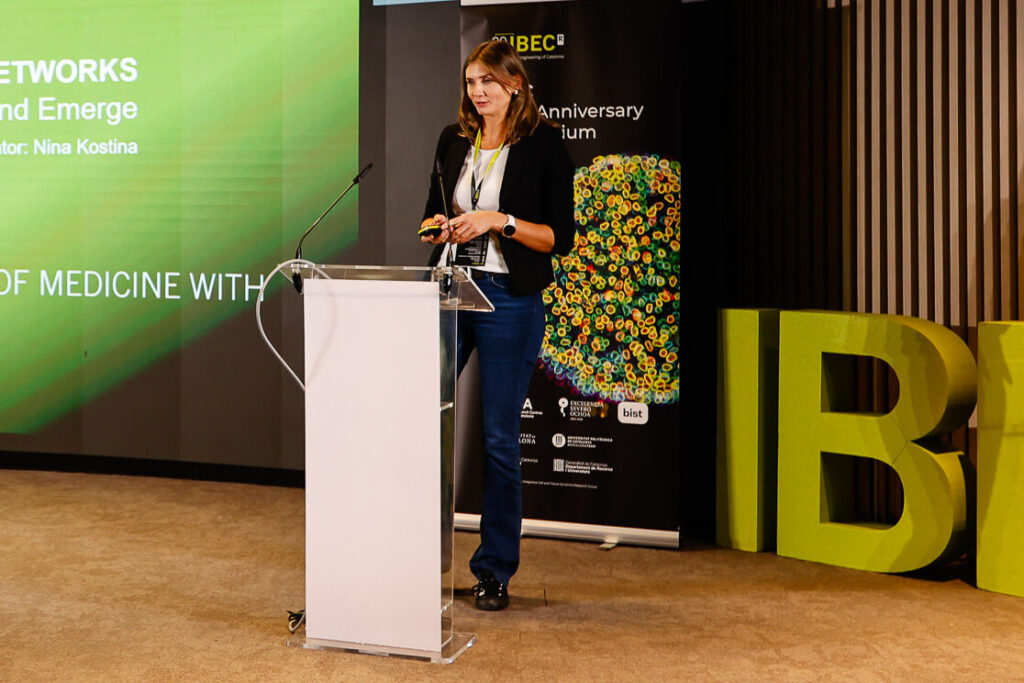
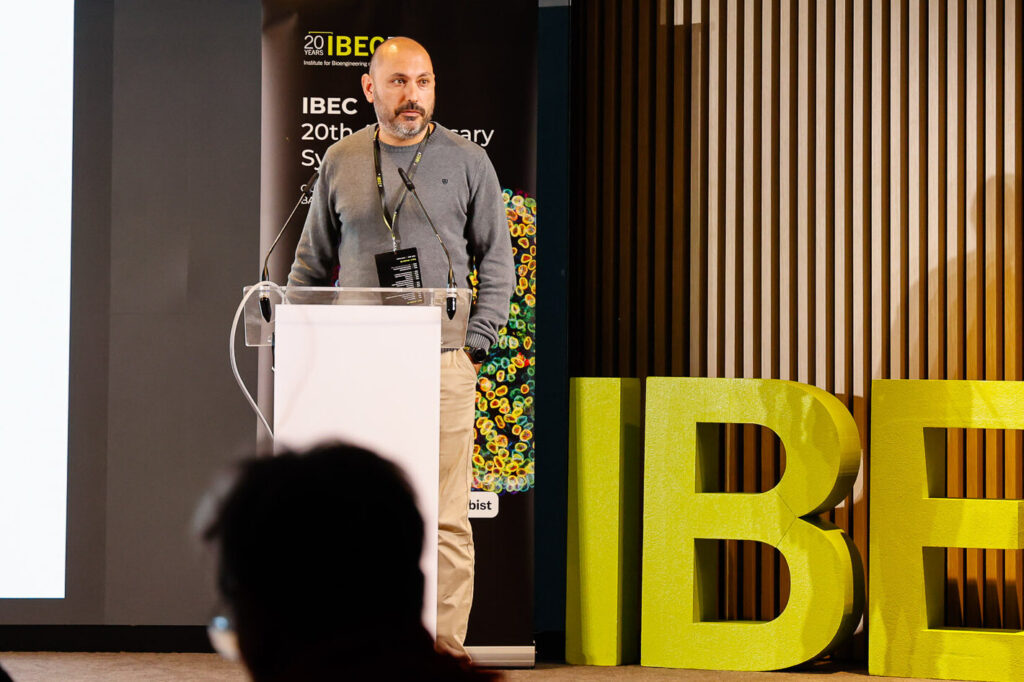
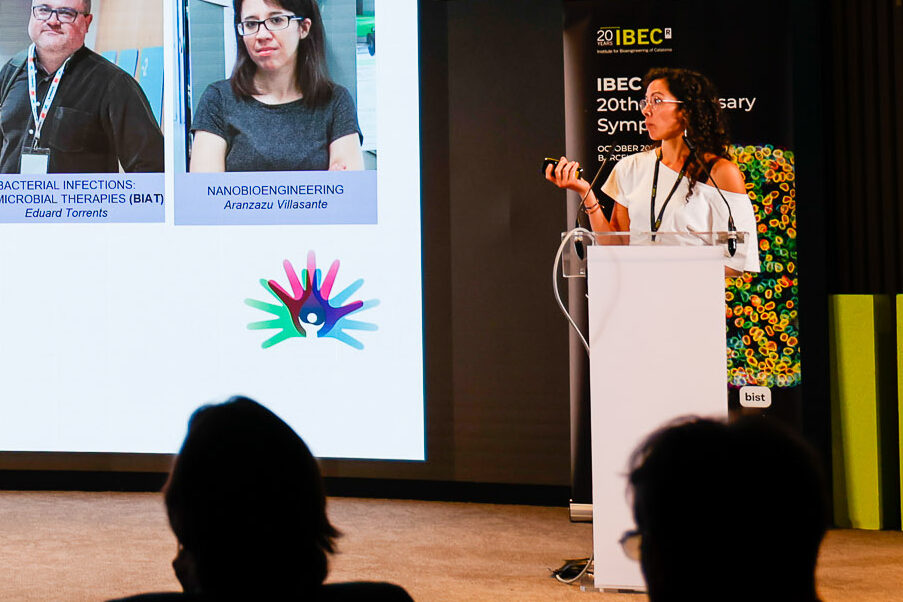
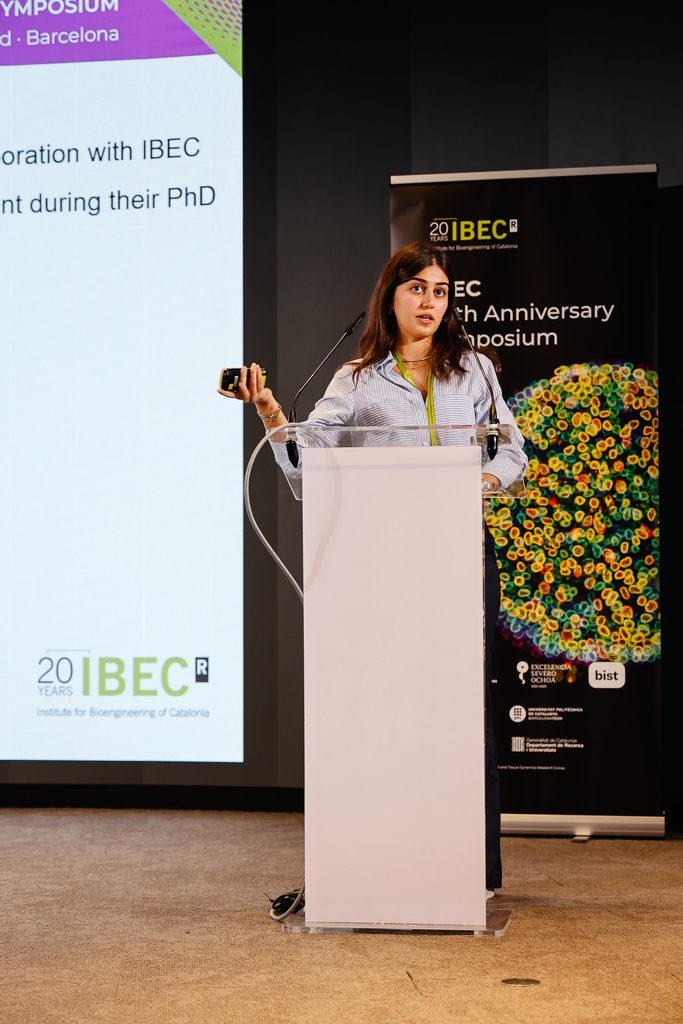
The afternoon also included a session on IBEC’s Thematic Networks, an internal initiative to promote collaboration between the institute’s research groups, chaired by Pere Roca-Cusachs, Deputy Director of IBEC’s intramural scientific programme. Roca-Cusachs briefly introduced the initiative and shared some figures: over the programme’s first two years, its activities have brought together a total of 1,027 participants, 877 in workshops and 150 at the retreat, and have featured 66 external speakers, 20 of them from abroad and 44% of them women. The coordinators of each of the five networks then briefly presented their work. Roca-Cusachs also announced a new edition of the programme for 2027–2028, which will fund three networks with €25,000 each.
Ece Kutukcu then presented the work of IBEC’s PhD Student Committee, including the initiatives it organises, and reminded attendees that any PhD student at the institute can join.
Recognition and awards
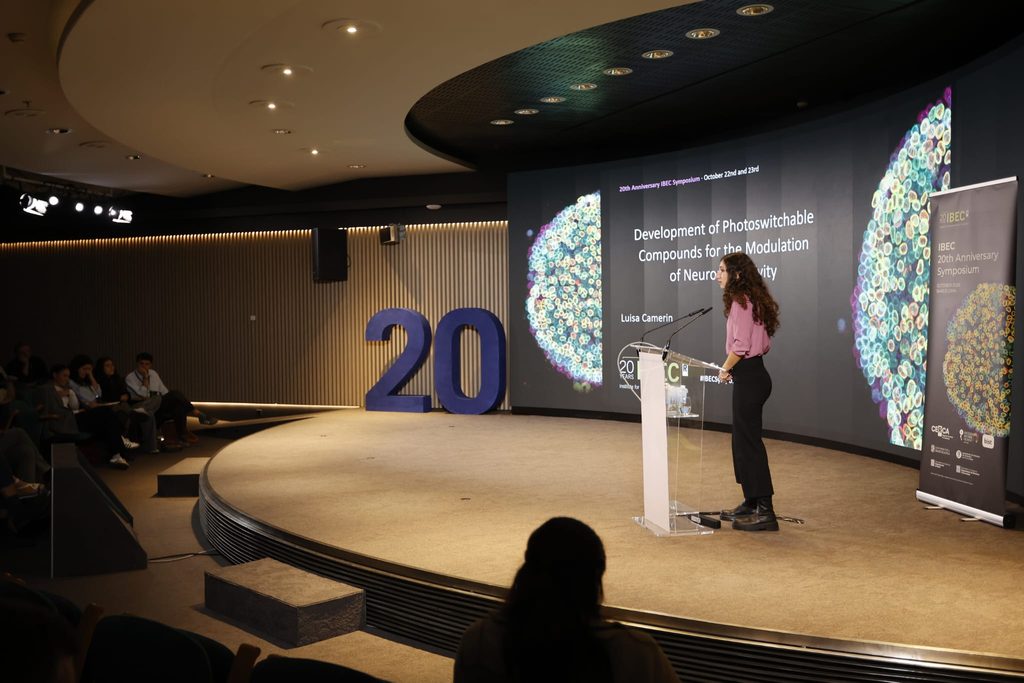
Before lunch, Luisa Camerin, from the Nanoprobes and Nanoswitches group, who received a Doctoral Certificate of Excellence at last year’s symposium, gave a talk on her thesis, “Development of photoswitchable compounds for the modulation of neuronal activity”, presenting the three papers that resulted from it and a fourth that is nearing completion.
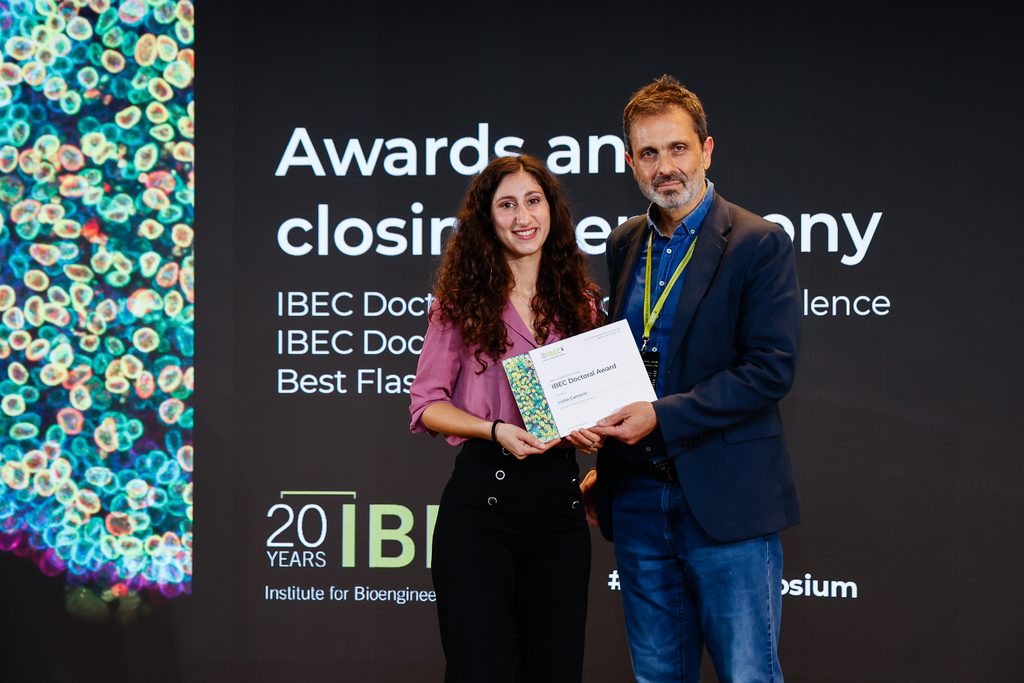
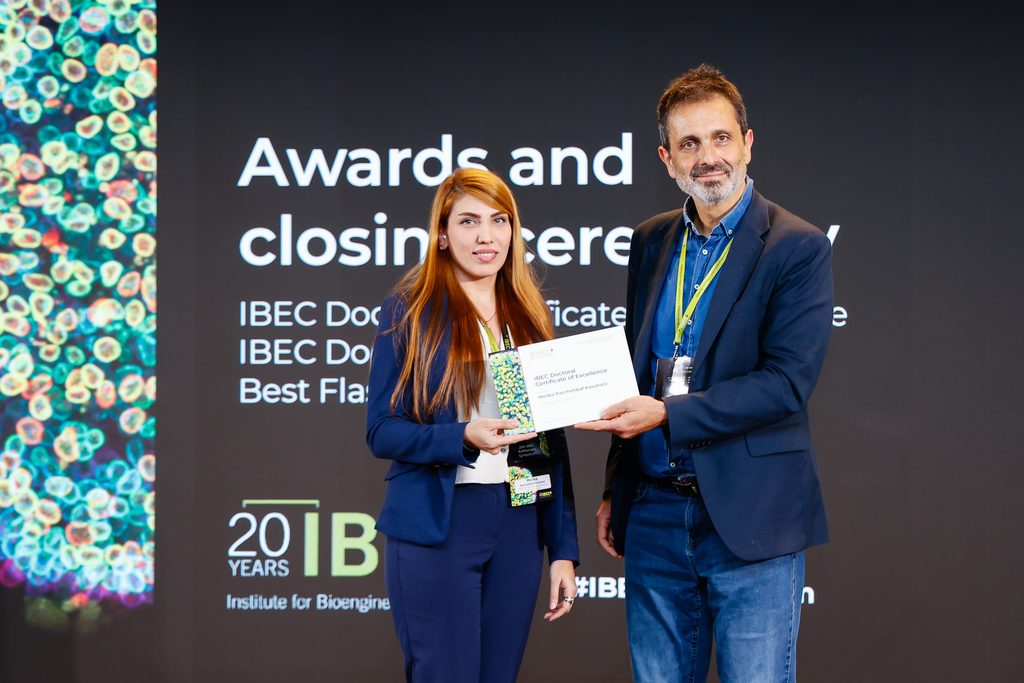
At the closing ceremony, IBEC Director Manuel Salmeron presented Doctoral Certificates of Excellence were awarded to three PhD researchers in recognition of their performance and achievements during their PhD at IBEC: Ainhoa Ferret Miñana, from the Biosensors for Bioengineering group, whose thesis focused on developing a 3D bioengineered human liver for liver disease modelling and drug testing; Ainoa Tejedera Villafranca, from the same group, whose thesis focused on developing preclinical in vitro models of Duchenne muscular dystrophy using tissue engineering and organ-on-a-chip approaches; and Melika Parchehbaf Kashani, from the Biomimetic Systems for Cell Engineering group, whose thesis focused on bioprinted hydrogel microfluidic systems that mimic the patient-specific microenvironment of tumour metastasis.
Tejedera Villafranca and Camerin also received the IBEC Doctoral Prize, in recognition of the best performance and achievements during their PhD studies at IBEC.
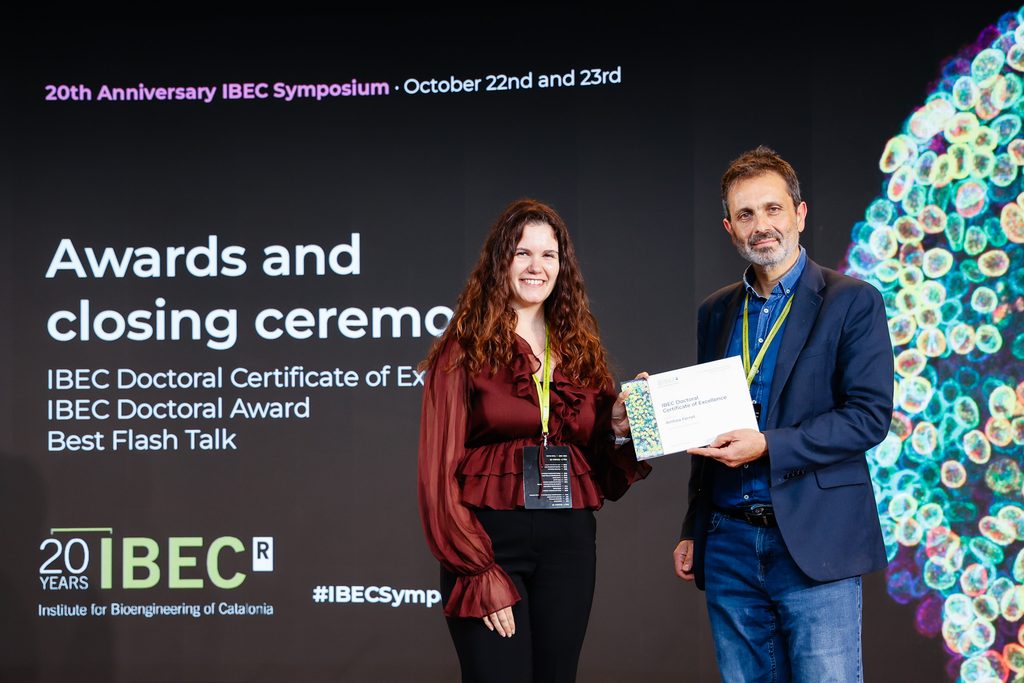
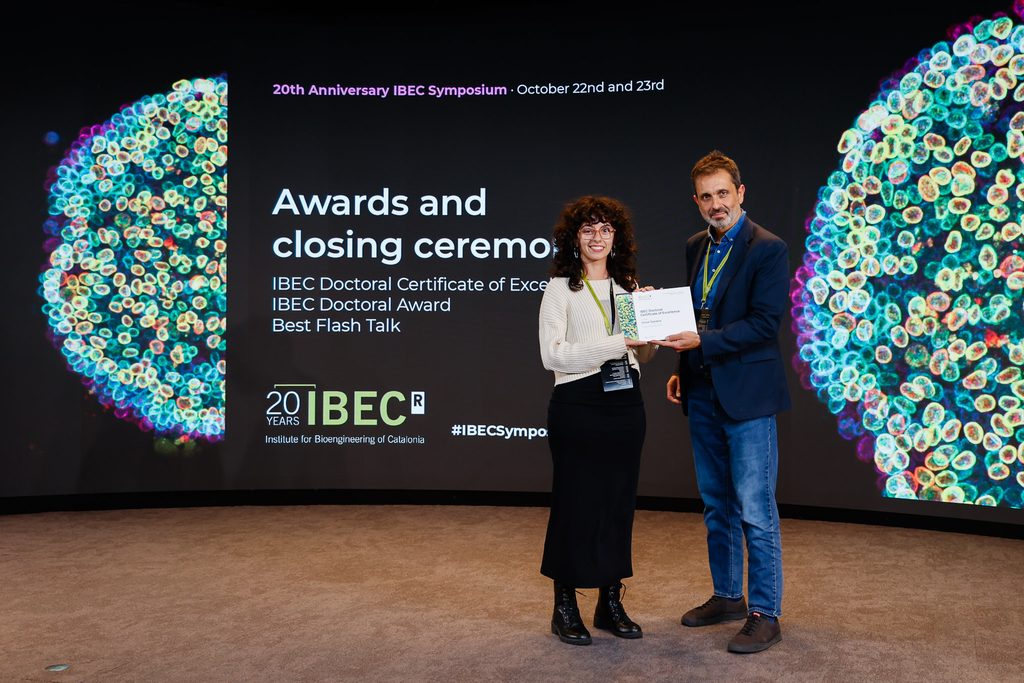
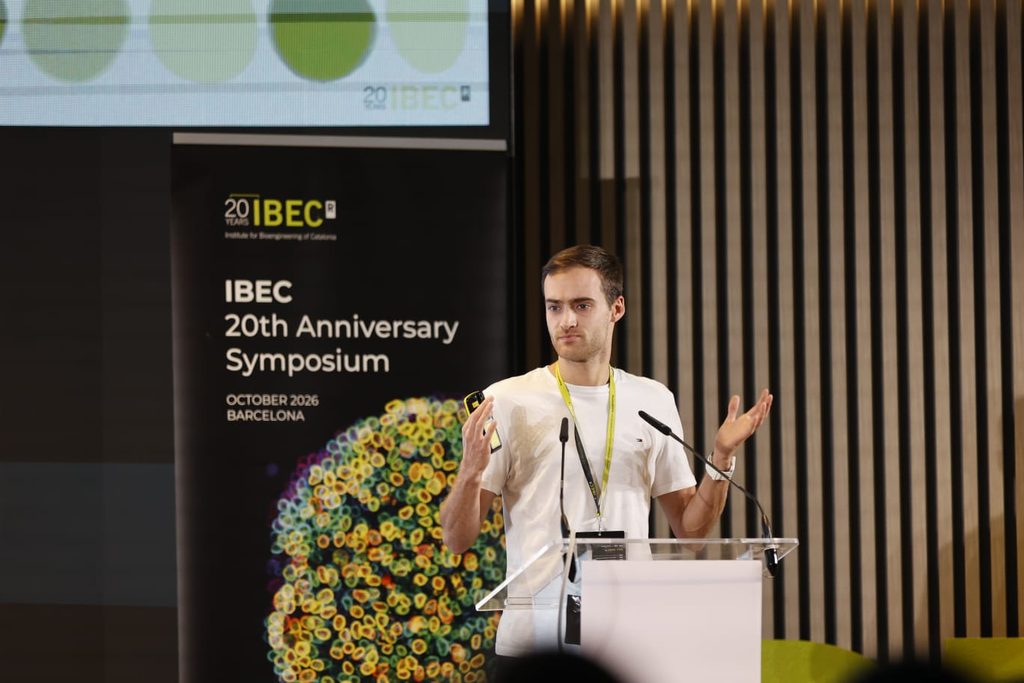
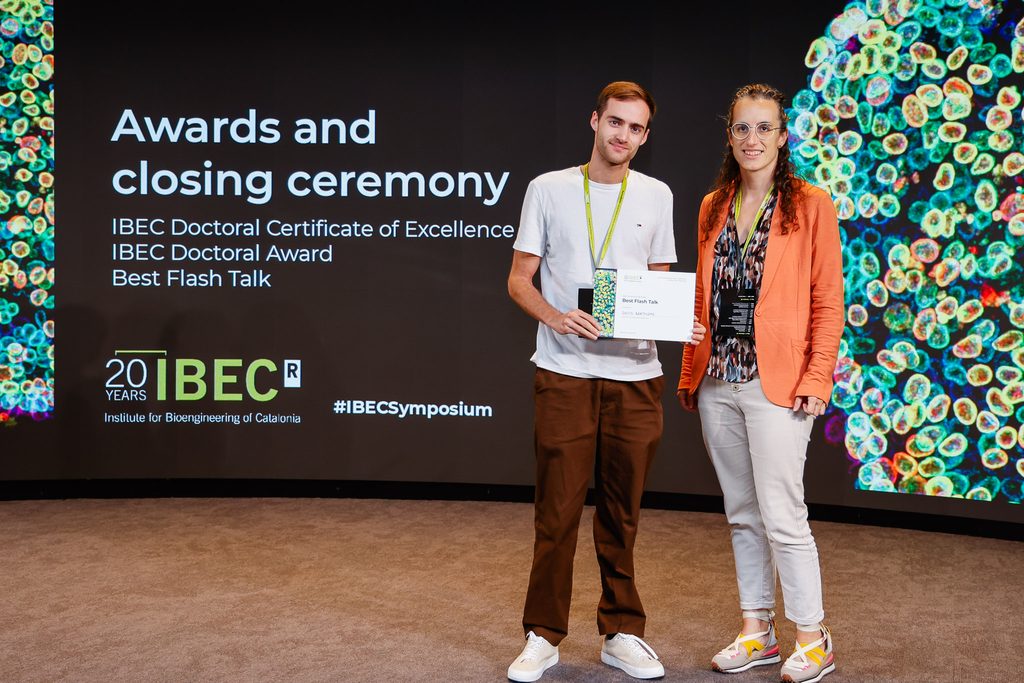
Also at the closing ceremony, IBEC Strategy Coordinator Cristina Arimany presented the Best Flash Talk award to David Bartolomé Català, from the Biomimetic Systems for Cell Engineering group led by Elena Martínez, for his presentation “Microphysiological reconstruction of the colonic tumor microenvironment for T cell migration studies”.
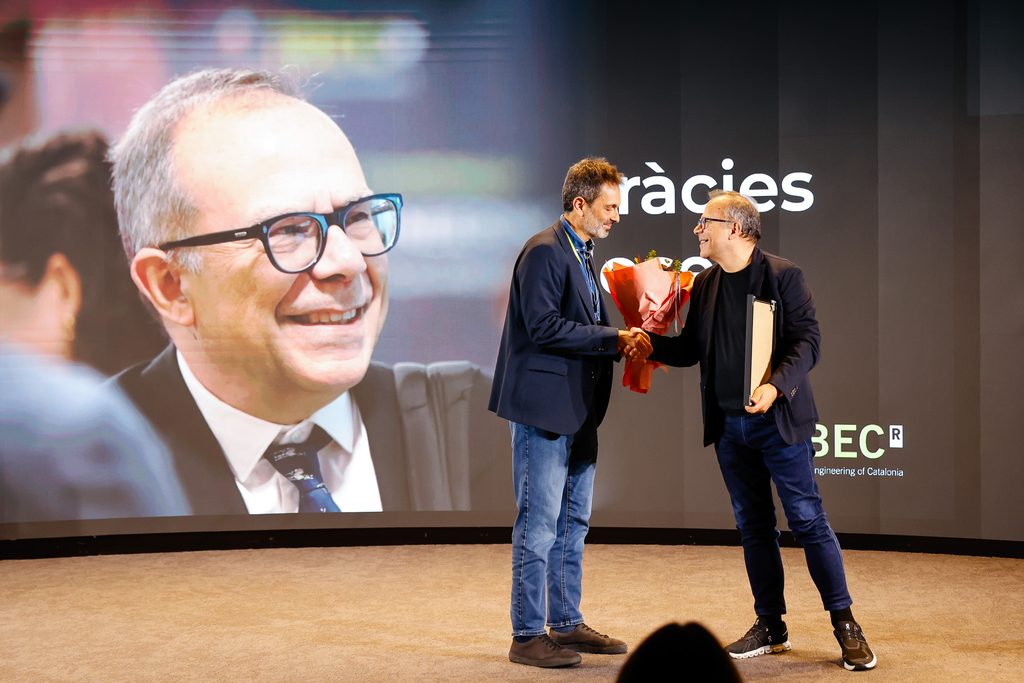
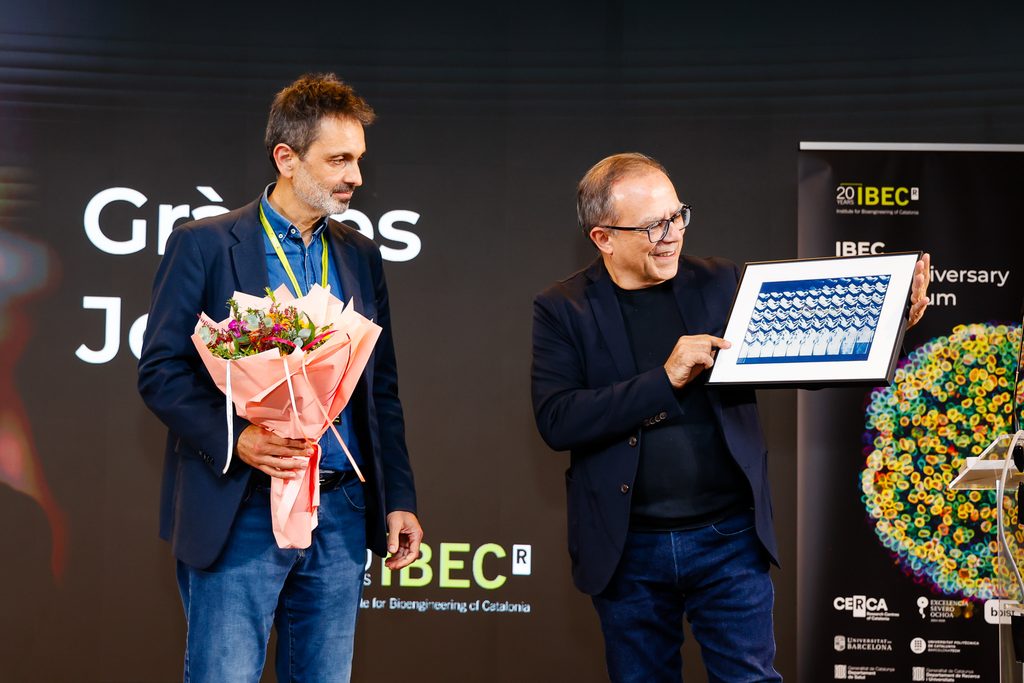
IBEC Director Manuel Salmeron closed the day by thanking Josep Samitier for his thirteen years as IBEC Director (2013–2025). Samitier received a bouquet of flowers and a framed cyanotype from the Revelant l’invisible exhibition, showing a microfluidic chip developed by his Nanobioengineering group.
“Thank you very much for the support over all these years. This is a collaborative activity of many, many people.”

Josep Samitier
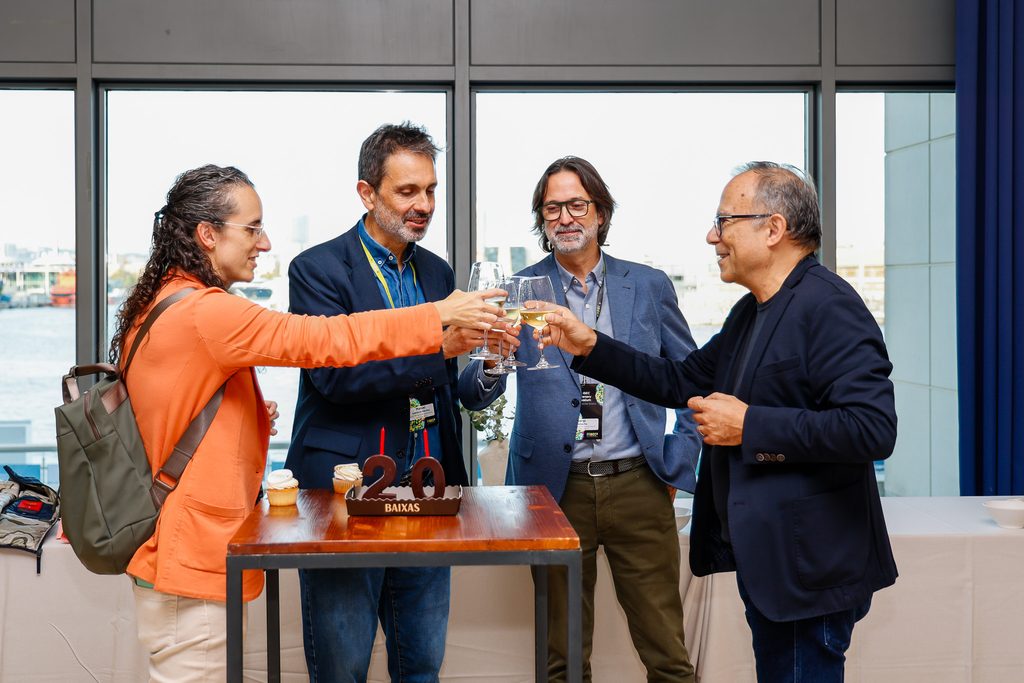
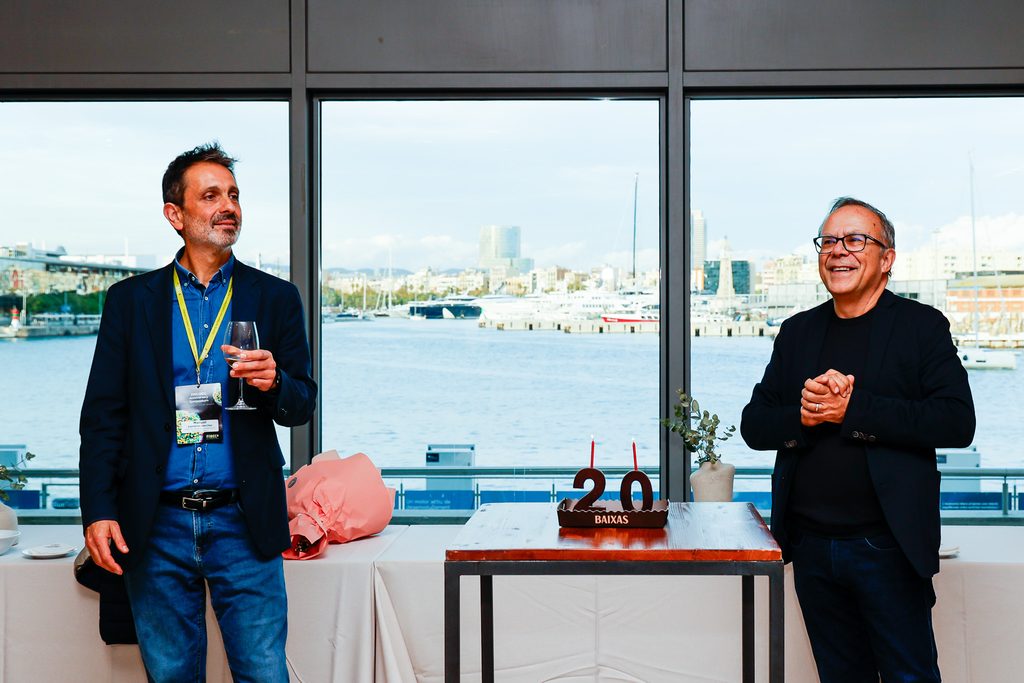
The day concluded with a toast and cupcakes in the Port Vell Room to celebrate IBEC’s 20th anniversary. Attendees sang ‘Happy Birthday’ as Salmeron and Samitier blew out two candles shaped as a 2 and a 0.
Poster session at Sant Pau
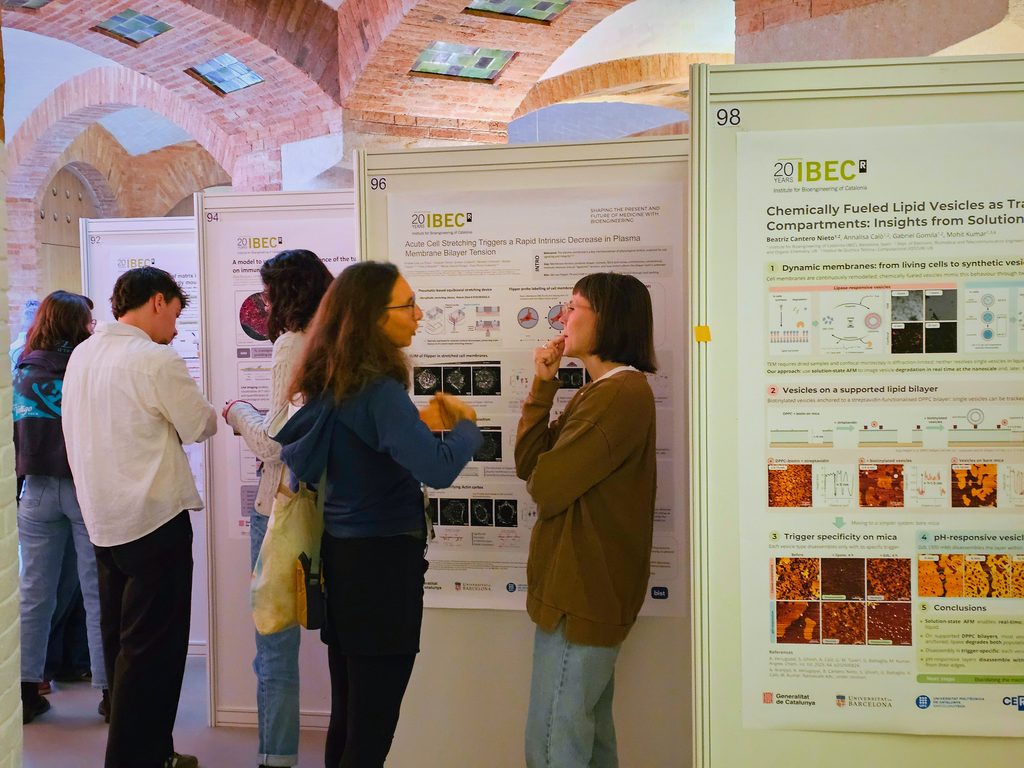
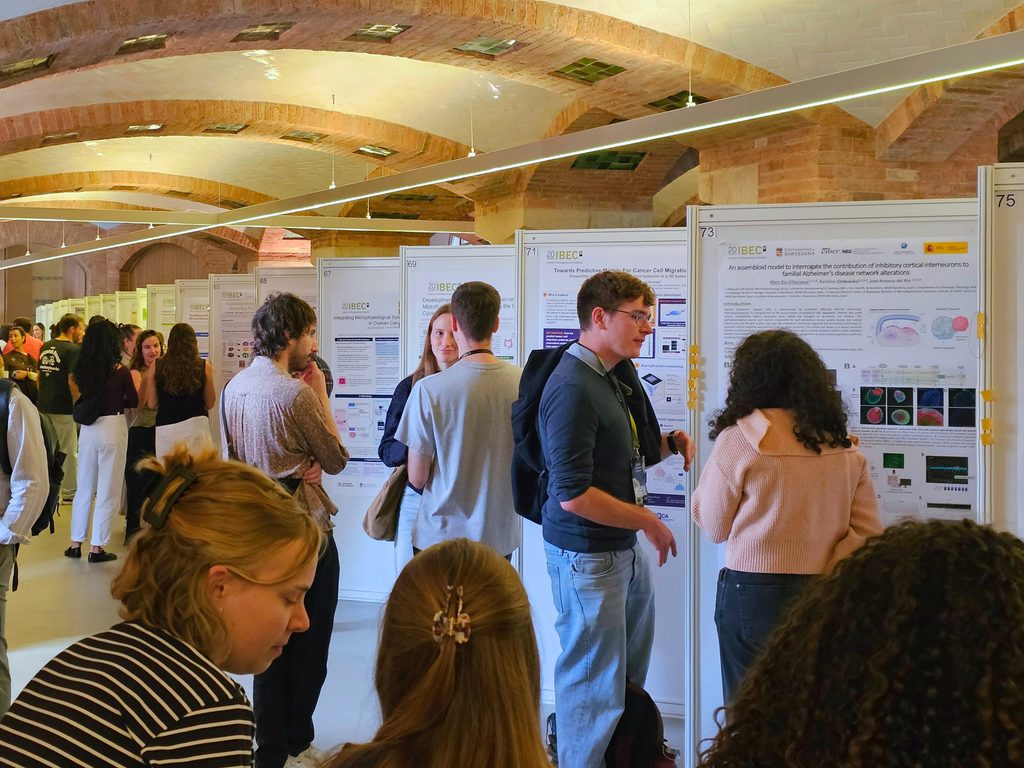
On the morning of Friday, 23 October, the Sant Pau Recinte Modernista hosted the poster session, one of the activities that has been part of the symposium since its beginnings and that encourages discussion and networking between researchers. A total of 131 posters were presented, organised into five thematic areas: advanced microscopy, advanced therapeutic systems, biomodels and tissue engineering, mechanobiology, and smart data analysis. IBEC’s Sustainability Committee also presented a poster on its work to promote sustainable research practices at the institute.
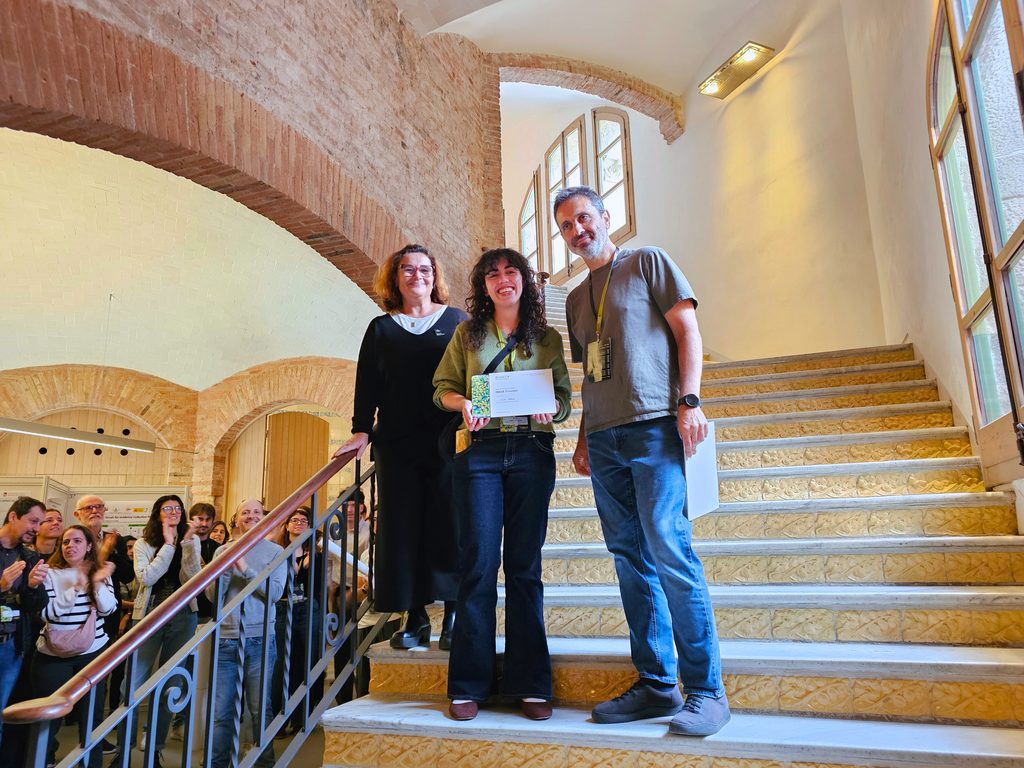
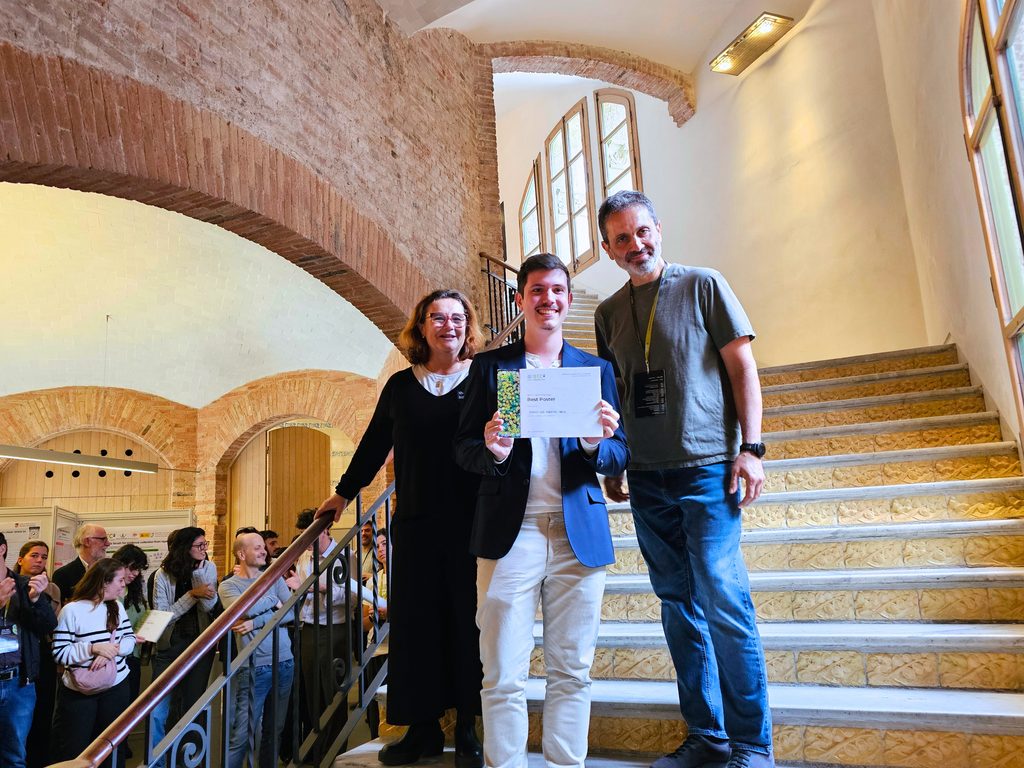
The two Best Poster awards went to Elia López Serrano, from the Integrative Cell and Tissue Dynamics group, for her poster “DNA-based phantom cells for local mechanochemical control of intestinal organoids homeostasis”, and Francisco Manuel Sáez González, from the Biomaterials for Neural Regeneration group, for “From Organoids to Assembloids: Modeling Neurovascular Dynamics in Spinal Cord Injury”.
With this special edition, IBEC celebrated two decades of interdisciplinary research in bioengineering and reaffirmed its commitment to collaboration, scientific excellence and bringing its discoveries closer to patients and society.


