The Institute for Bioengineering of Catalonia brought together researchers, investors and industry leaders with its event “IBEC Health Revolution Day: Engineering the Future of Medicine”, as part of the Health Revolution Congress. Through expert panels, technology pitches and scientific talks, the event showcased cutting-edge biomedical technologies and discussed how to translate scientific discoveries into real-world healthcare solutions.
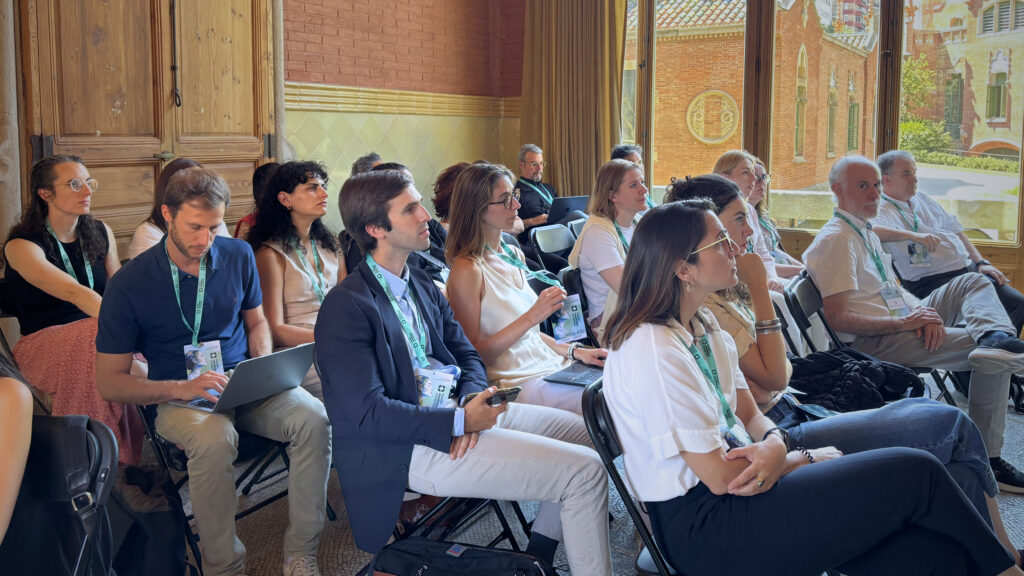
The Institute for Bioengineering of Catalonia (IBEC) successfully held its event “IBEC Health Revolution Day: Engineering the Future of Medicine” on Wednesday, 27 May 2026, as part of the third edition of the Health Revolution Congress. The event, organised by IBEC’s Technology Transfer and Business Development team, brought together researchers, investors, clinicians and industry stakeholders at the Recinto Modernista de Sant Pau to explore how engineering innovations are shaping the future of healthcare.
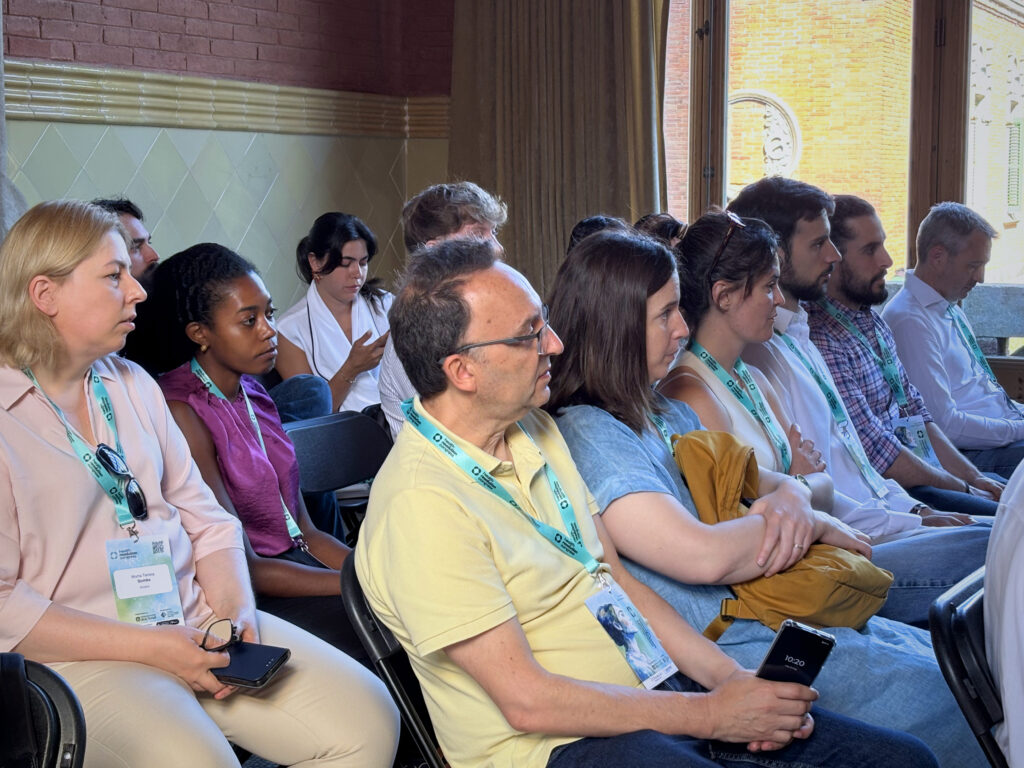
The full-day IBEC sessions formed part of the wider Health Revolution Congress — Europe’s largest digital health summit — which welcomed thousands of participants from across the global health innovation ecosystem to Barcelona for two days of collaboration, networking and knowledge exchange.
From research to real-world impact
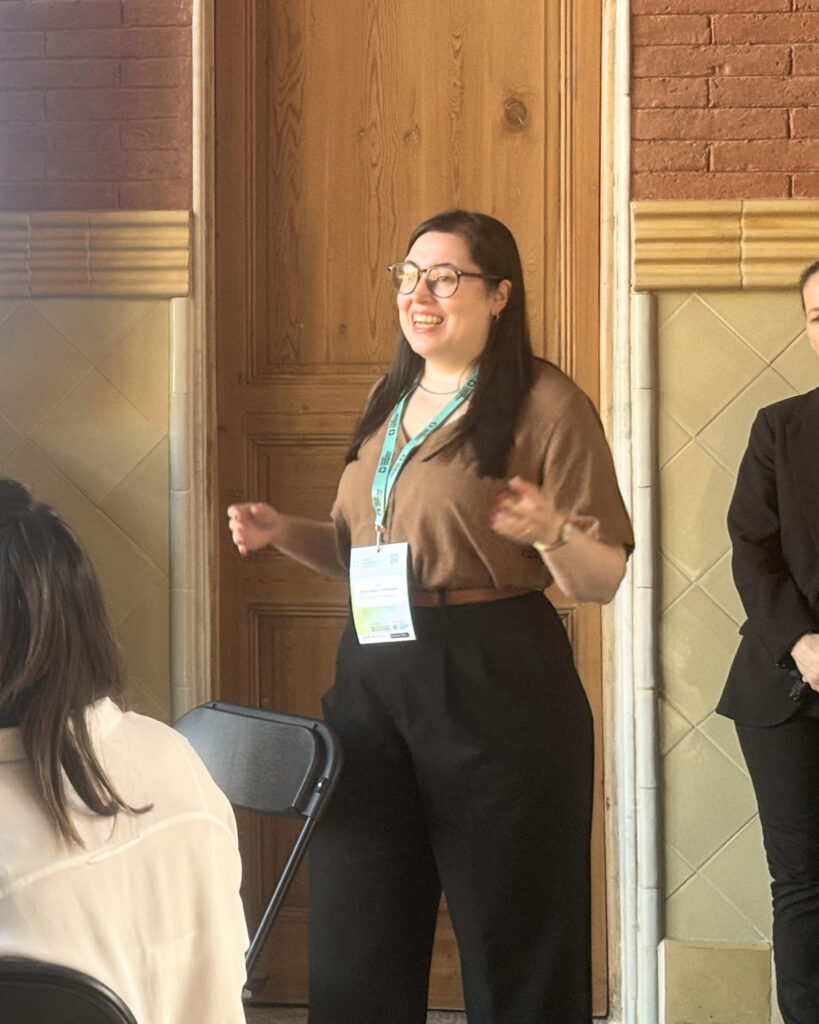
The day opened with an institutional welcome by Asli Raman Martín Dombrowski, Senior Technology Transfer and Business Development Manager at IBEC, who highlighted the institute’s commitment to accelerating the translation of scientific discoveries into impactful healthcare solutions. She emphasised the importance of building bridges between academia, industry and investors to ensure that promising research reaches patients.
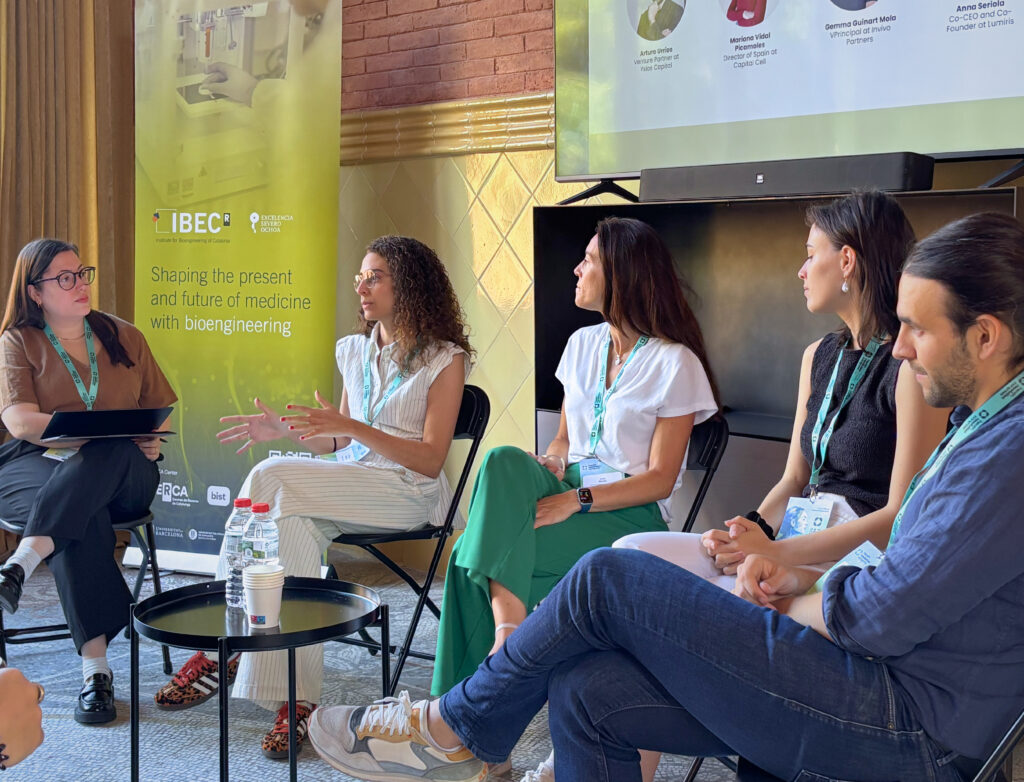
This theme continued into the first panel discussion, “Investing in the Future of Health Innovation”, moderated by Raman. The panel brought together leading voices from the investment and biotech ecosystems, including Arturo Urrios (Ysios Capital), Mariona Vidal Picamoles (Capital Cell), Gemma Guinart (Invivo Partners) and Anna Seriola (Lumiris Spectral Solutions). The discussion explored key challenges in funding early-stage biomedical innovations, strategies for de-risking investment, and emerging trends shaping next-generation therapies and diagnostics. Panellists underscored the growing importance of interdisciplinary collaboration and early validation in bringing breakthrough technologies to market. They also emphasised that women’s health should receive greater attention and resources within the innovation ecosystem, alongside increased focus on the development of small-molecule therapeutics as a key driver of future medical advances.
Showcasing IBEC technologies
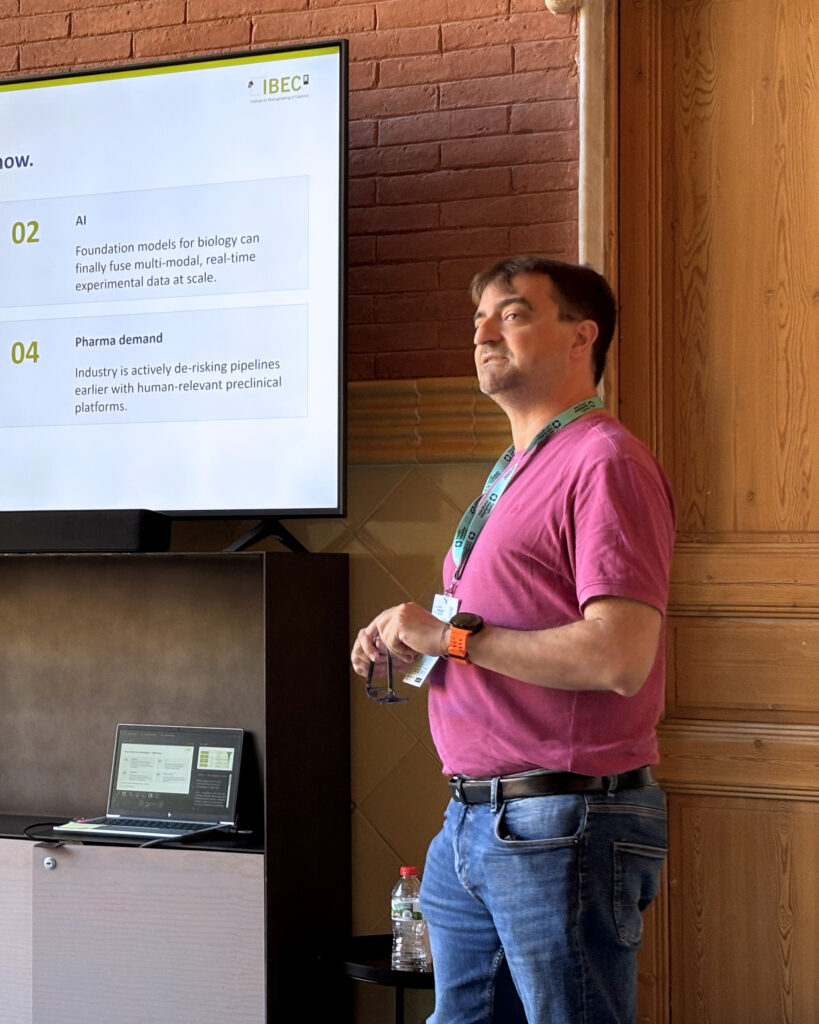
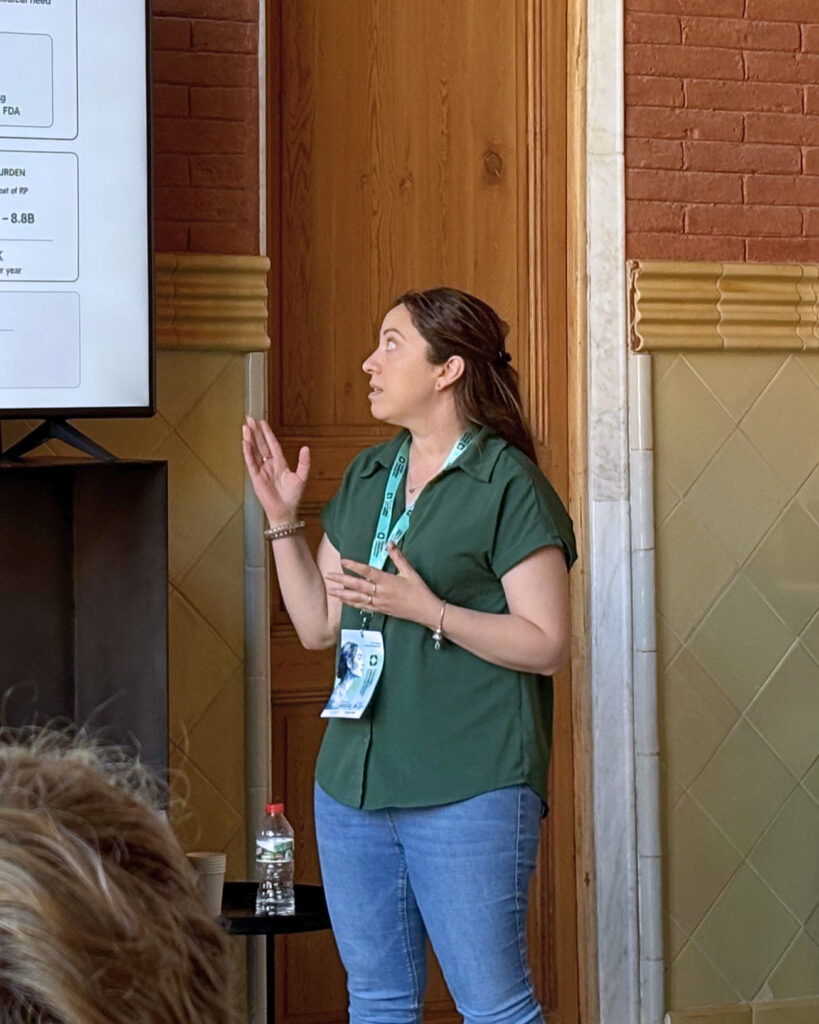
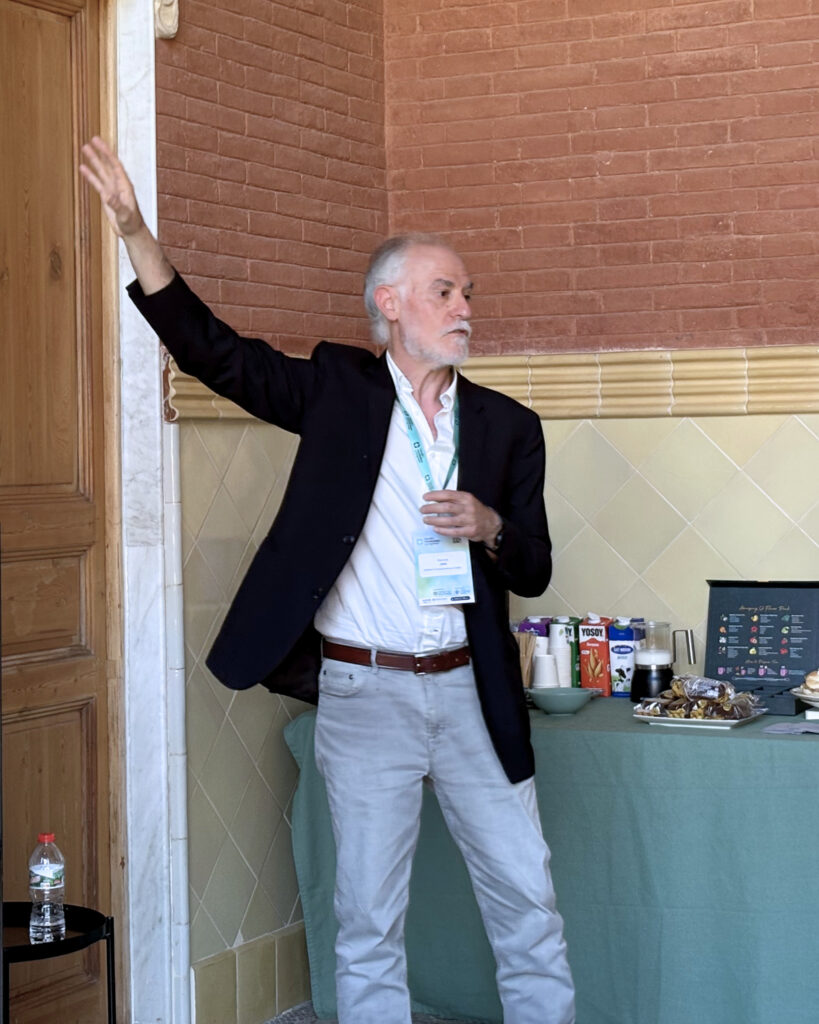
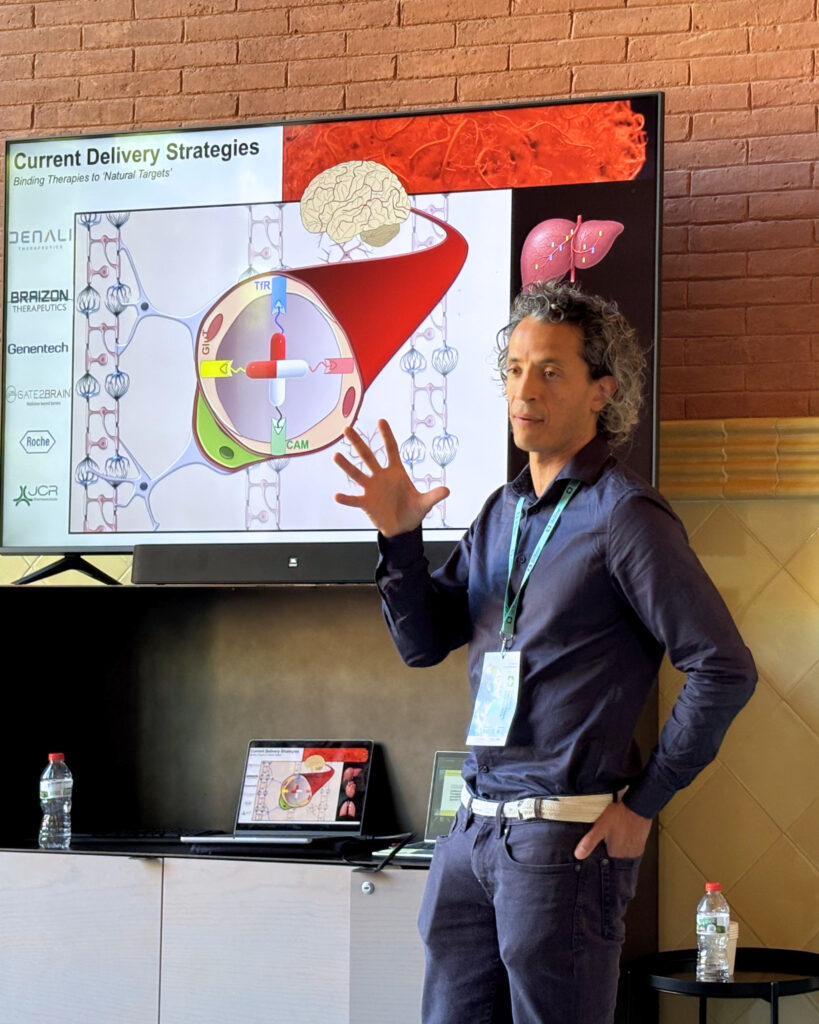
A highlight of the event was the IBEC’s Technologies Showcase, where researchers presented a range of innovative projects with strong translational potential. Five-minute pitches followed by a Q&A session offered attendees the opportunity to engage directly with scientists developing novel approaches in areas such as brain-targeted drug delivery, molecular photoswitches, synthetic cell technologies, biomaterials and biomedical data analysis.
Among the presenters, Daniel Gonzalez-Carter, senior scientist at IBEC, discussed strategies to overcome challenges in delivering therapies across the blood–brain barrier, Javier Ramon, ICREA Professor and Group Leader at IBEC, highlighted developments in biomaterials and point-of-care device for monitoring muscular diseases, Rosalba Sortino, IBEC researcher, showcased pioneering work in light-responsive therapeutics for retinal degeneration diseases, and Raimon Jané, Group Leader at IBEC, presented innovations in biomedical signal processing and digital health for managing sleep disorders.
Driving translational excellence
In the afternoon, Giuseppe Battaglia, Associate Director of Valorisation at IBEC, was present to outline IBEC’s technology transfer strategy and how the institute supports the path from research to application.
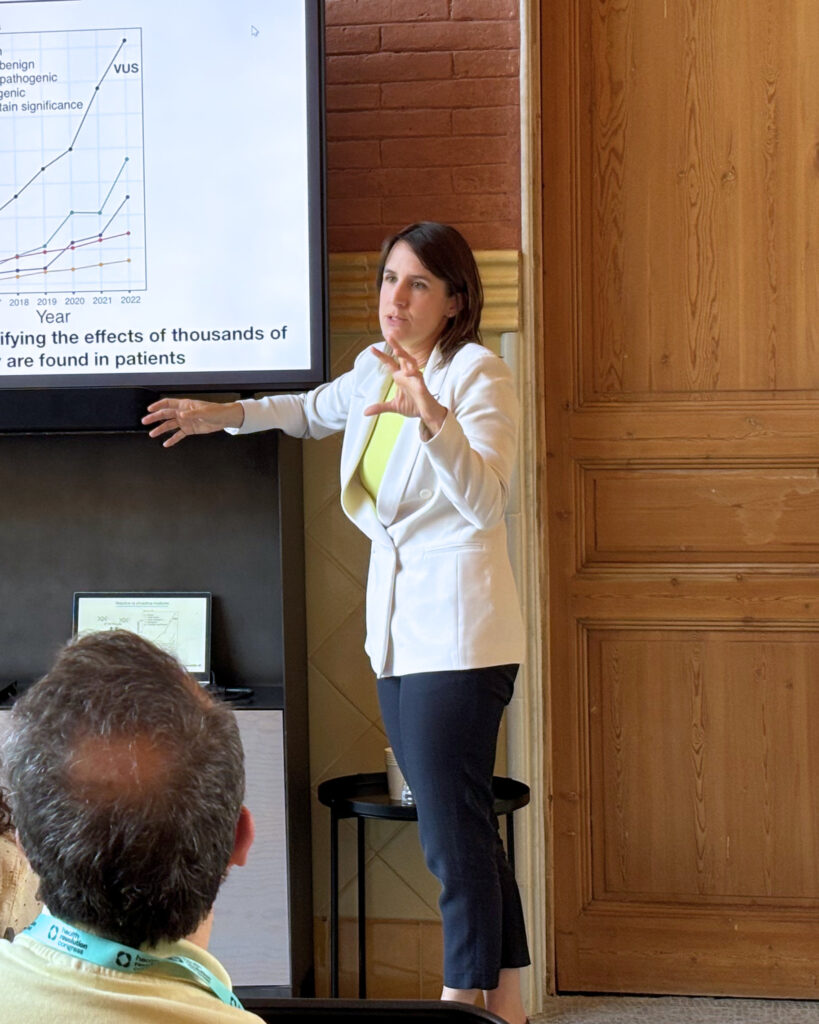
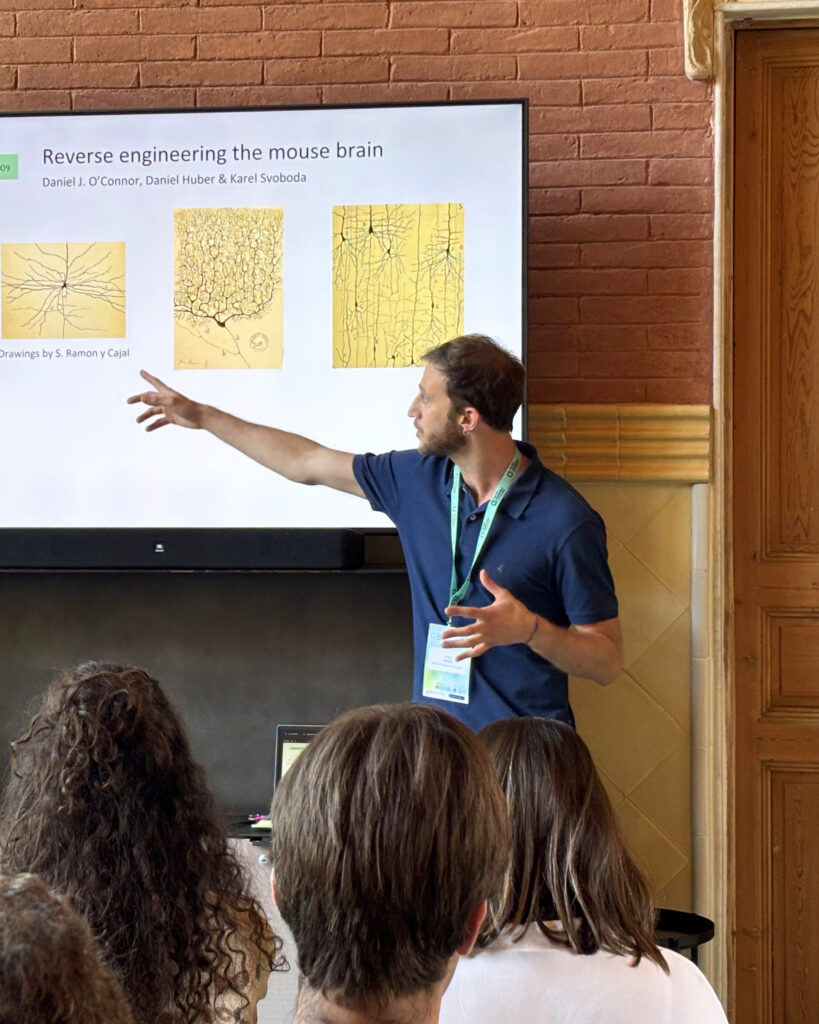
Scientific talks further illustrated the breadth of IBEC’s research. Benedetta Bolognesi, Group Leader and Associate Director for Clinical Translation at IBEC,presented her work on proactive clinical variant classification to enable precision health, offering new frameworks to understand how genetic variations influence disease. Nicolò Accanto, junior group leader at IBEC, introduced advanced light-based technologies for neuroscience, demonstrating how optical tools can unlock new insights into brain function and disease.
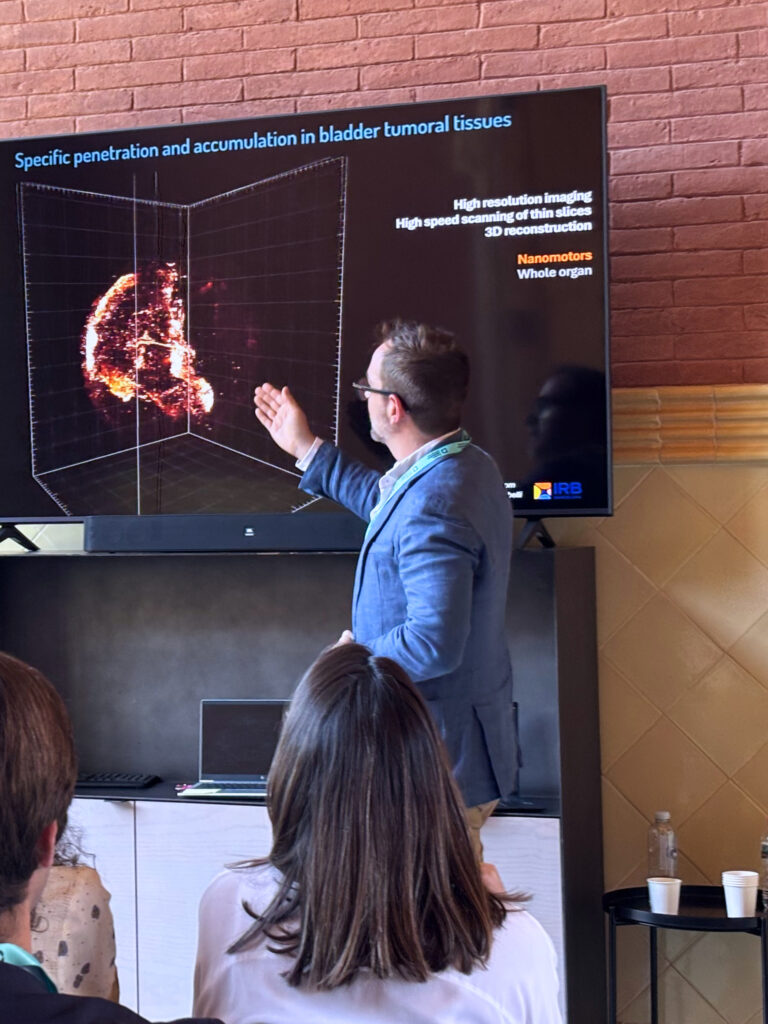
The final keynote, delivered by ICREA Professor and Deputy Director for international and institutional affairs at IBEC and Founder & CSO of Nanobots Therapeutics, Samuel Sánchez, focused on therapeutic nanorobots — a rapidly emerging frontier in medicine. He presented recent breakthroughs in self-propelled nanoscale systems capable of delivering drugs directly to targeted tissues, highlighting their potential for minimally invasive and highly precise treatments.
Strengthening connections within the ecosystem
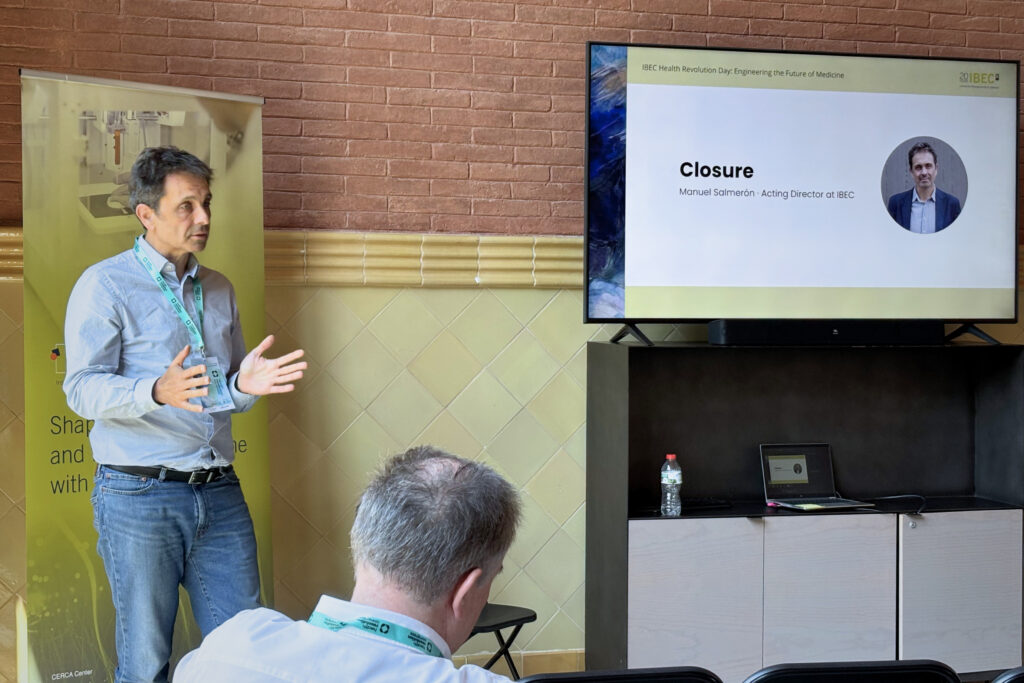
The event concluded with closing remarks from IBEC Director Manuel Salmeron, who reinforced the institute’s role as a key player in Europe’s biomedical innovation landscape. He highlighted the importance of international collaboration and cross-sector partnerships in addressing complex healthcare challenges.
Throughout the day, networking sessions enabled participants to connect, exchange ideas and explore potential collaborations, reflecting the spirit of the broader Health Revolution Congress.
By bringing together science, technology transfer and investment perspectives, IBEC Health Revolution Day provided a dynamic platform to showcase how engineering-driven research is transforming medicine — and how collaboration across the innovation ecosystem is essential to turning scientific advances into tangible health solutions.