Over 200 people took part in IBEC Day 2026, an event designed to encourage sharing, connection and celebration in honour of the institute’s 20th anniversary.
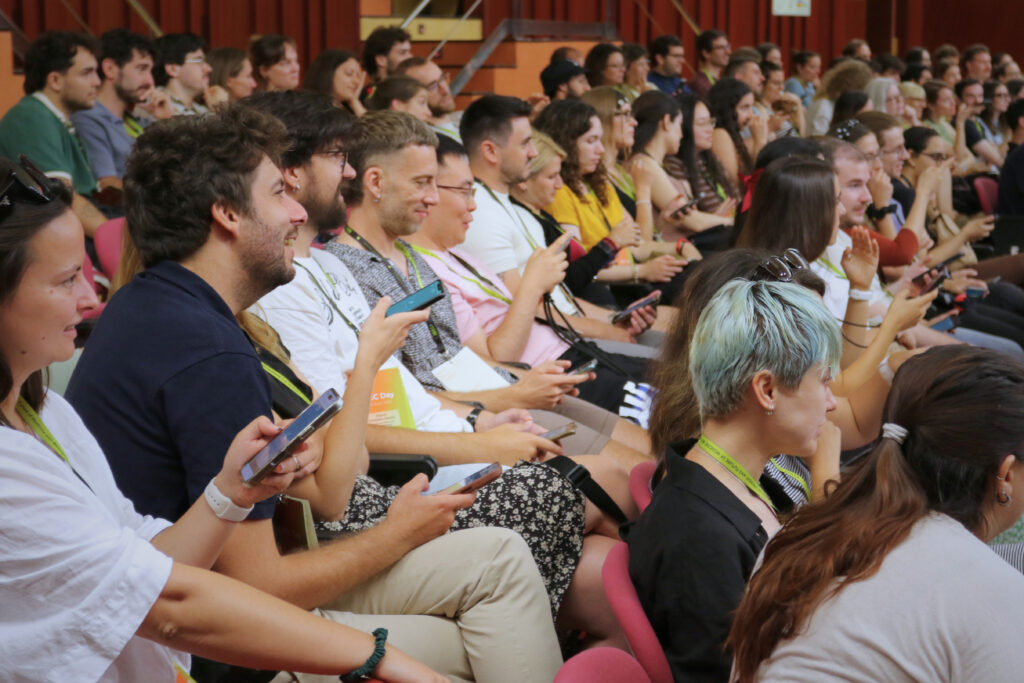
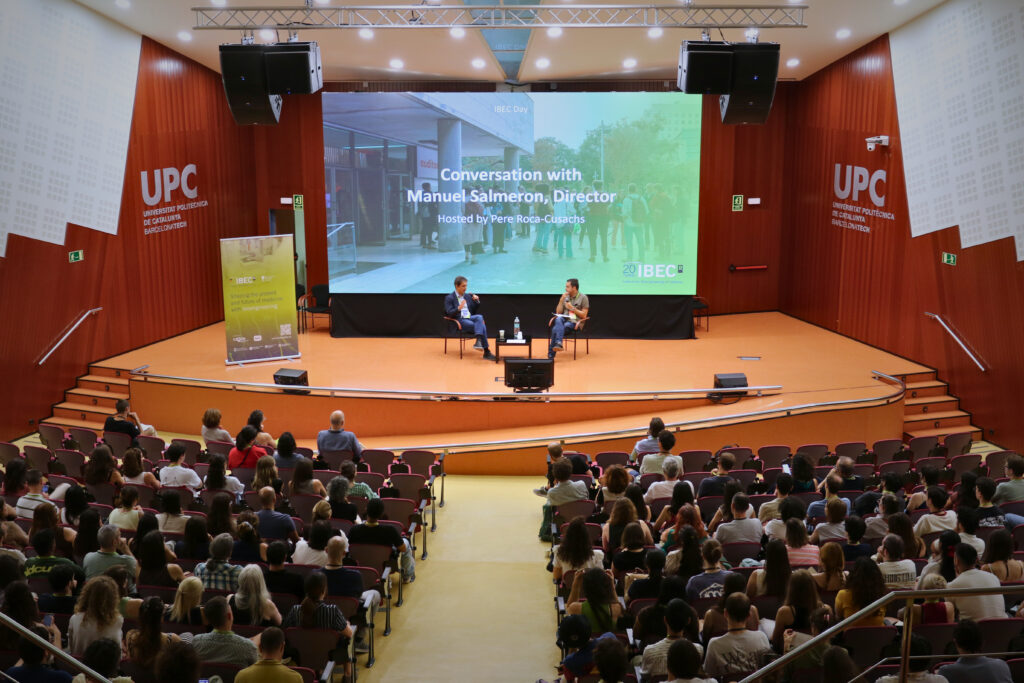
Yesterday, IBEC Day 2026 took place at the UPC’s Auditori Vèrtex. This in-house event brought together over 200 IBEC professionals in a space dedicated to exchange, networking, and celebration. This year’s event was particularly significant as it formed part of the Institute’s 20th-anniversary celebrations. This milestone invites to reflect on the IBEC journey so far and to continue building the future together.
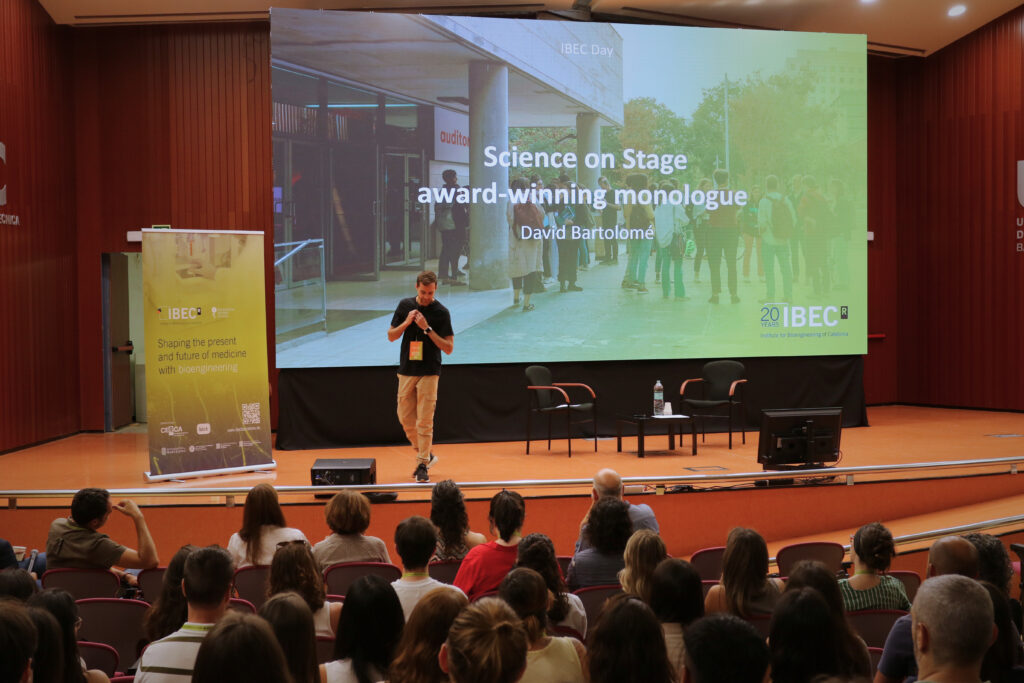
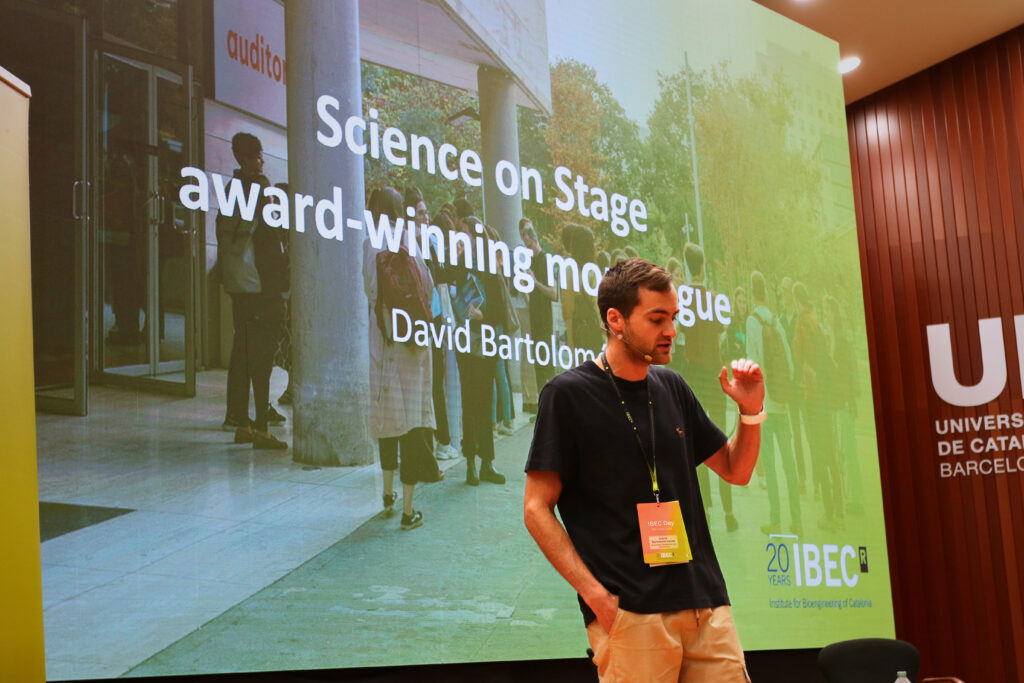
The event began with a welcome coffee, after which David Bartolomé, a researcher from IBEC’s Biomimetic Systems for Cell Engineering group, took to the stage as master of ceremonies. Bartolomé opened the event with a humorous scientific monologue entitled ‘De marxa amb els limfòcits T’ (Partying with T cells), with which he connected with the audience immediately. The researcher won the best monologue prize at the first ‘Science on Stage: Research Takes Centre Stage’ competition last May.
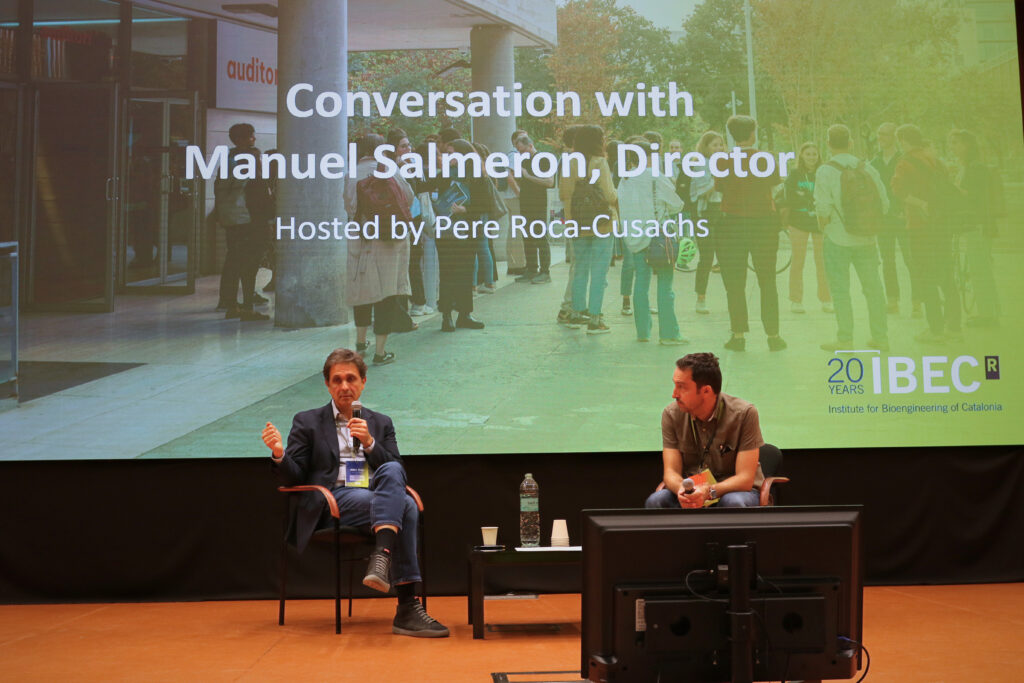
The opening session featured a new format called ‘Conversation with the Director’, in which IBEC’s new director, Manuel Salmerón, was interviewed by Pere Roca-Cusachs, a principal investigator and the deputy director of the intramural scientific programme. During the conversation, Salmerón reflected on his career, from his time in Valencia to his years in Glasgow, and compared the research systems in Scotland and Spain.
The director highlighted IBEC’s European recognition and organisational efficiency, while also pointing out some of the main future challenges. In the context of IBEC’s increasing decentralisation around Barcelona, he emphasised the importance of maintaining informal interaction and collaboration between teams, viewing this not only as an organisational challenge, but also as a significant opportunity to bolster the institute’s presence in critical areas of the biomedical ecosystem. He also outlined IBEC’s vision for the coming years, emphasising the importance of strengthening links with scientific partners, industry, hospitals, and policymakers while remaining true to the institute’s core mission of excellence in multidisciplinary fundamental research.
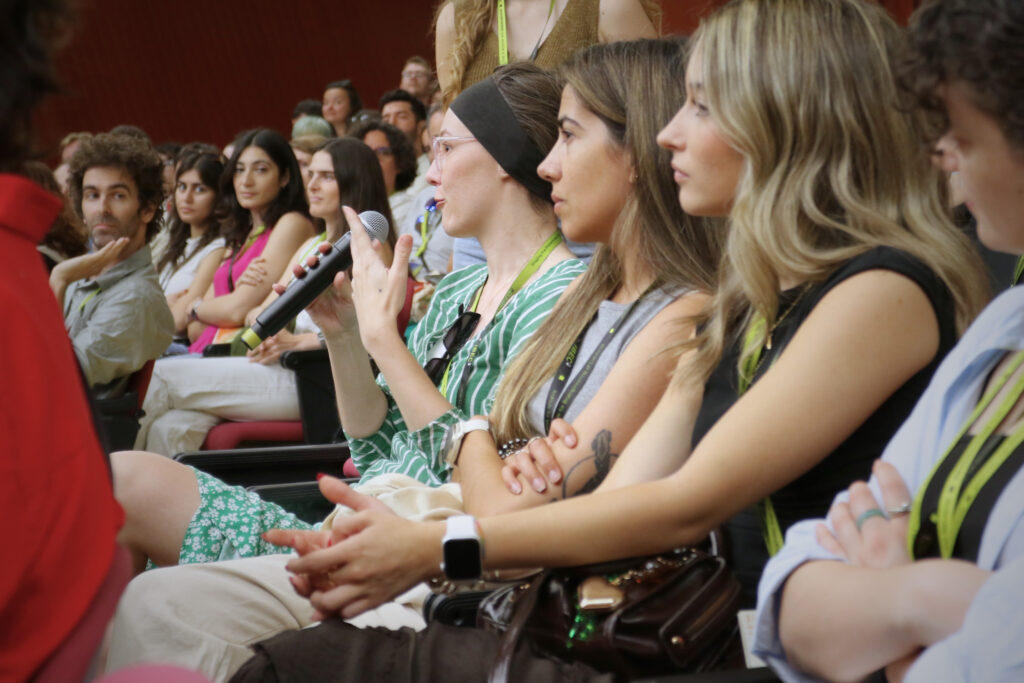
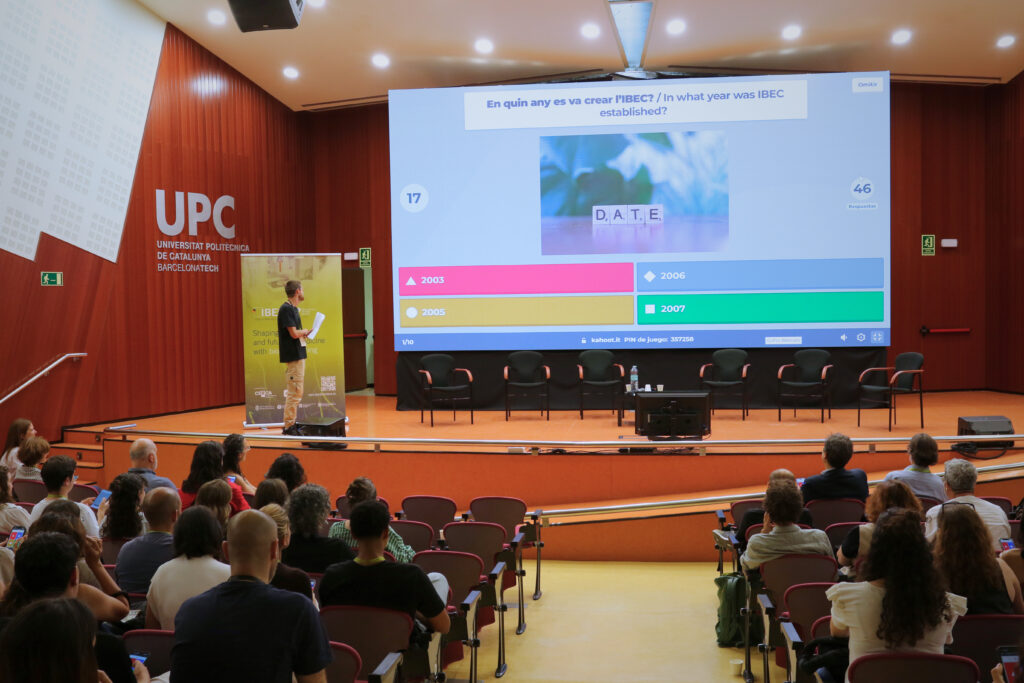
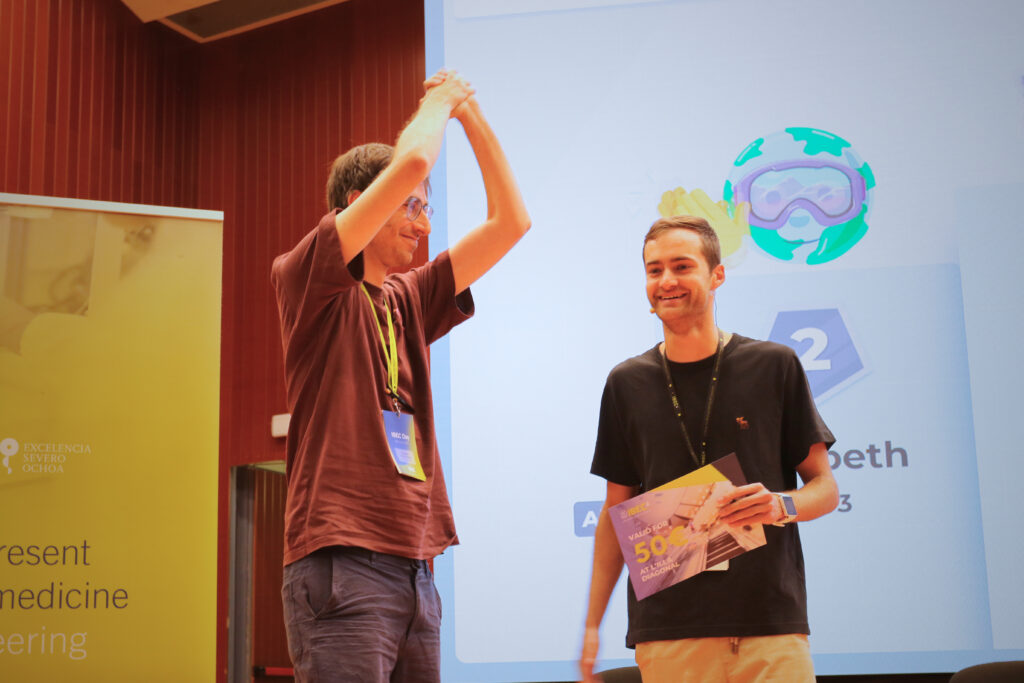
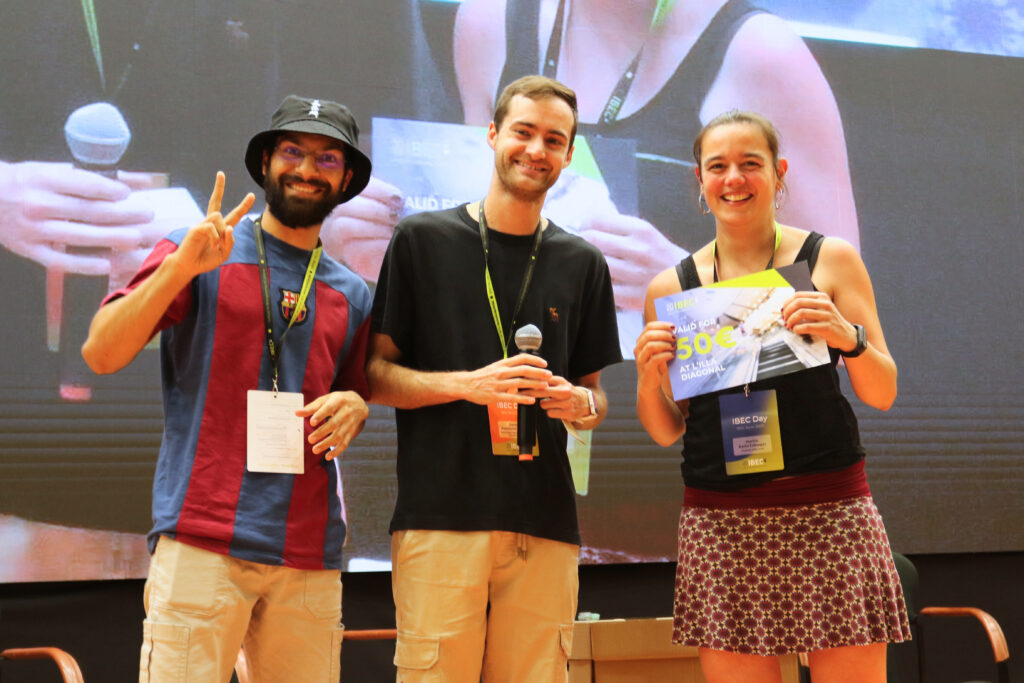
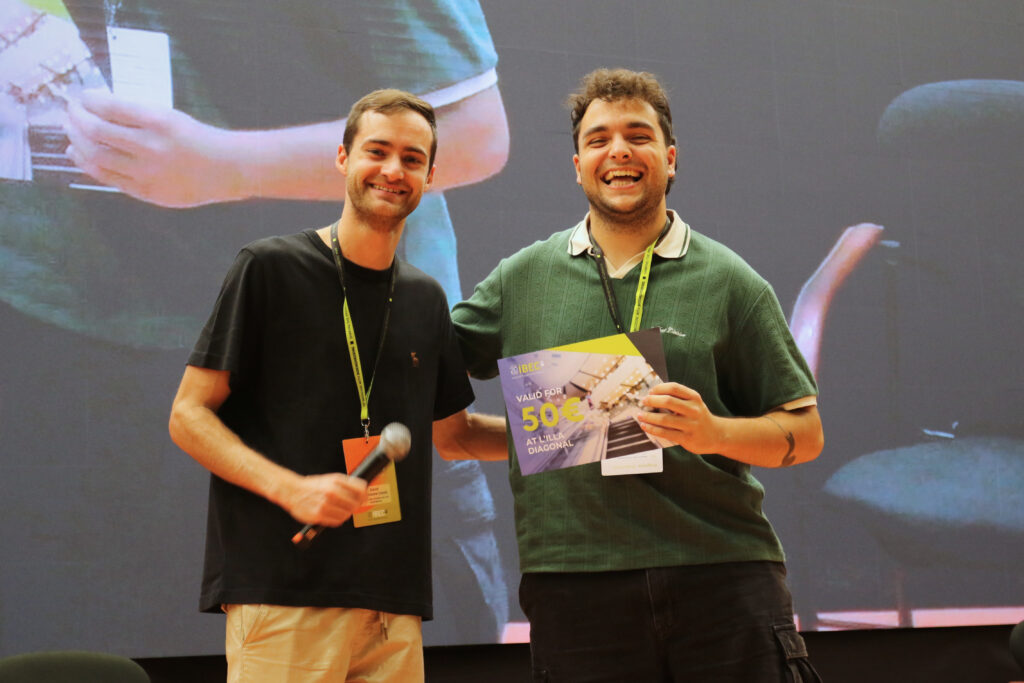
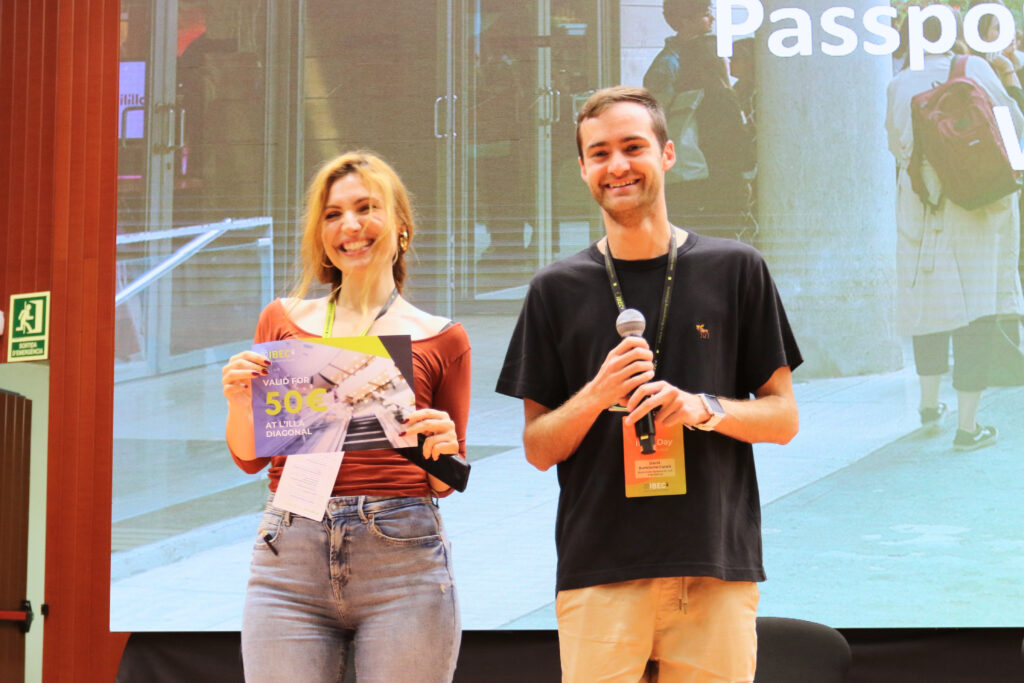
Before the next presentation, the audience then took part in a quiz about IBEC’s history over the last 20 years.
Next, the main developments from various IBEC committees were presented during the ‘Key highlights from the IBEC committees’ session, which was moderated by Principal Investigator Xavier Rovira. Notable contributions included:
- Jorge Oliver reviewed the evolution of the HR Excellence in Research label, which IBEC has held since 2015. This reflects the institute’s commitment to continuously improving its human resources policies and working conditions in line with the European Charter for Researchers.
- Ainhoa Ferret, who outlined the initiatives of the Gender and Diversity Committee to promote equality and inclusion as strategic pillars of the institute;
- Fidel Bellmut, who discussed open science policies and the importance of the code of conduct on research integrity.
- Cristina Arimany presented the actions of the Sustainability Committee to foster more responsible practices in research and management.
- Carolina Marí, Head of the People Management Unit,closed the session by encouraging the entire community to actively participate in the various committees.
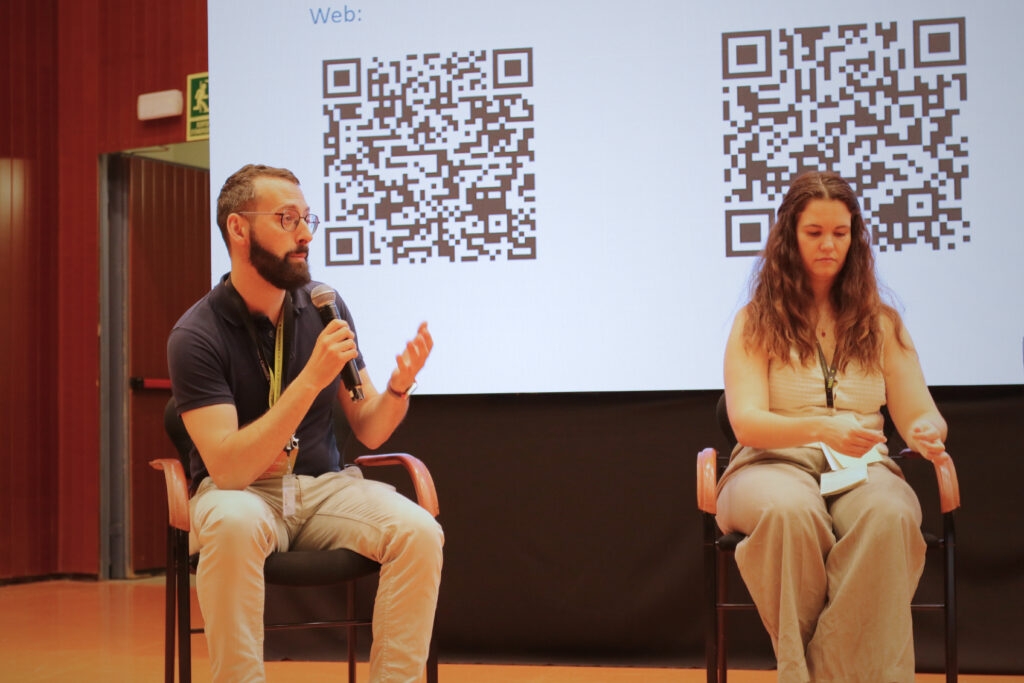
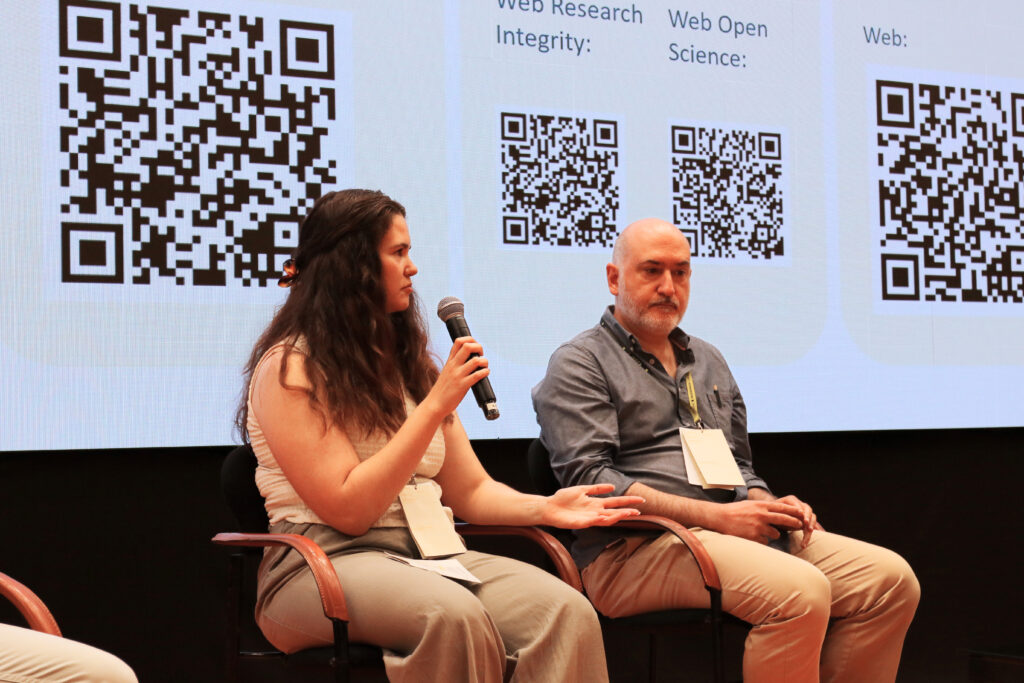
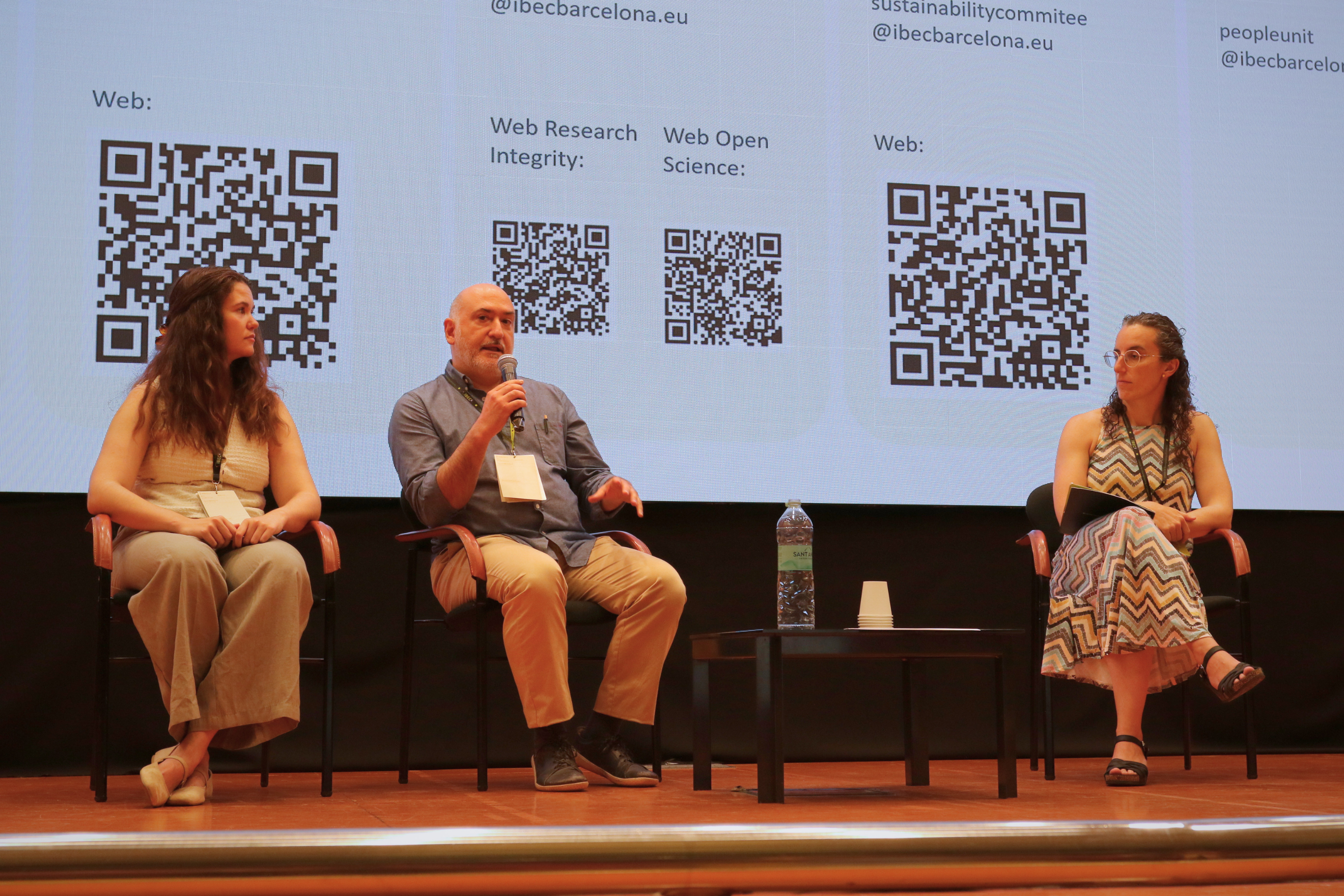
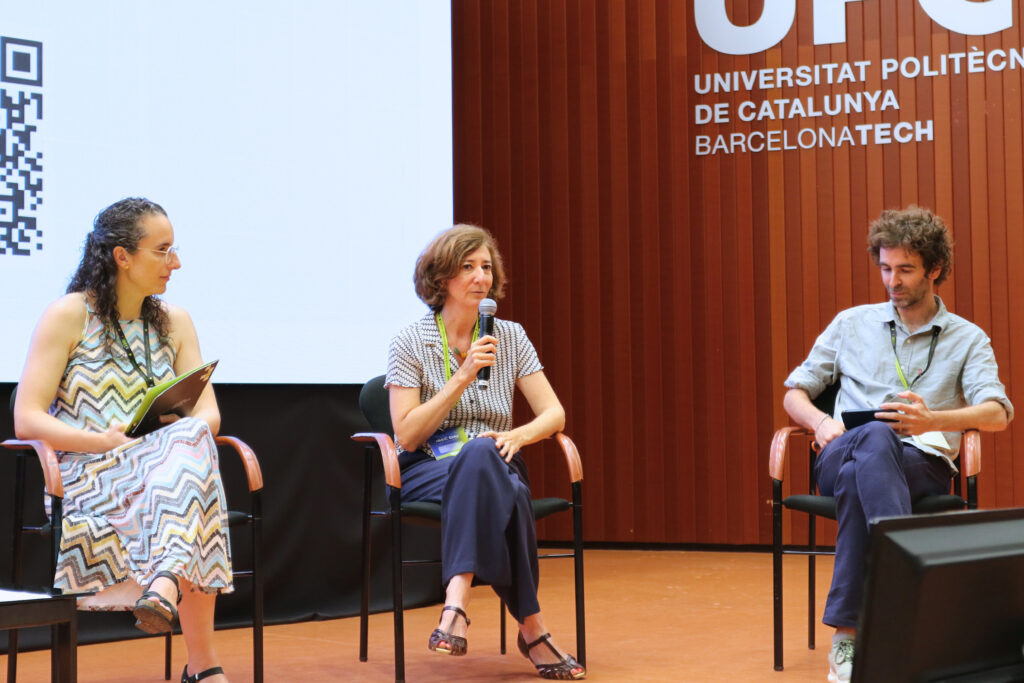
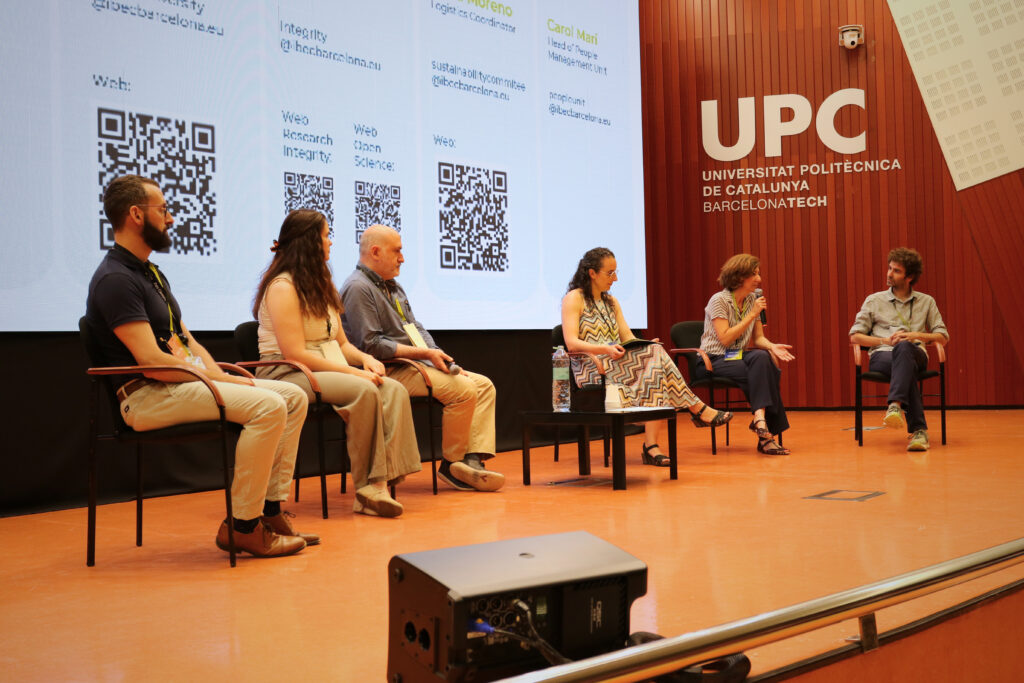
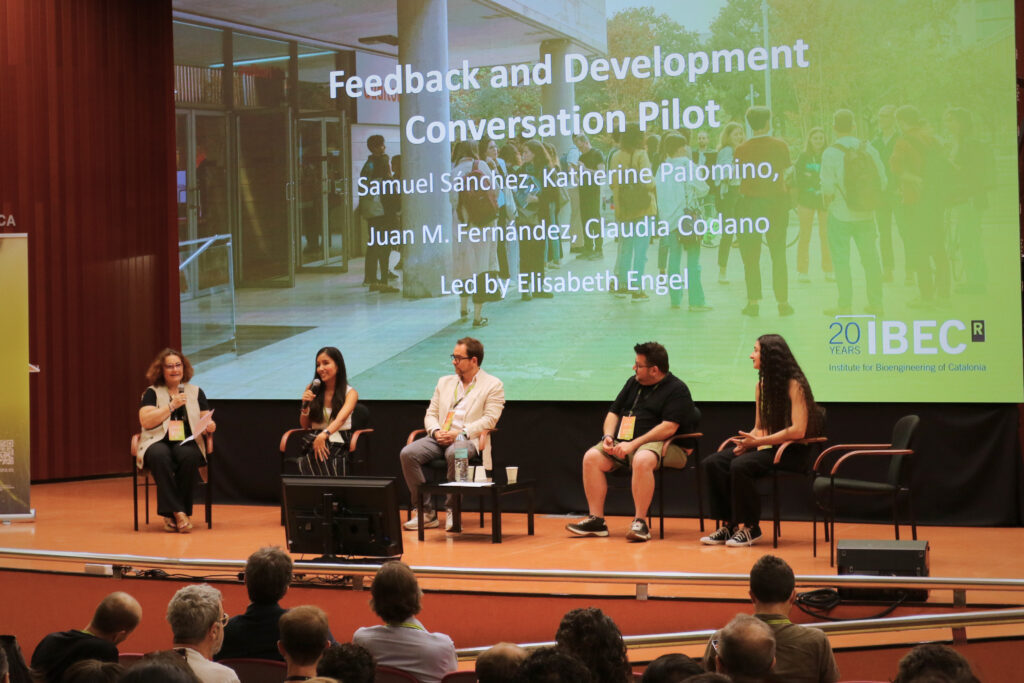
The day continued with a presentation on the pilot project, ‘Feedback and Development Conversations’, which was moderated by Elisabeth Engel, principal investigator and the deputy director of talent and training. This initiative, coordinated by the People Management Unit, aims to promote structured conversations between supervisors and staff members focused on professional development. The round-table discussion featured Katherine Palomino from the People Management Unit alongside researchers at different stages of their careers: Samuel Sánchez, Juanma Fernández and Claudia Codano shared their experiences of being directly involved in the pilot as principal investigator, senior researcher and pre-doctoral researcher, respectively.
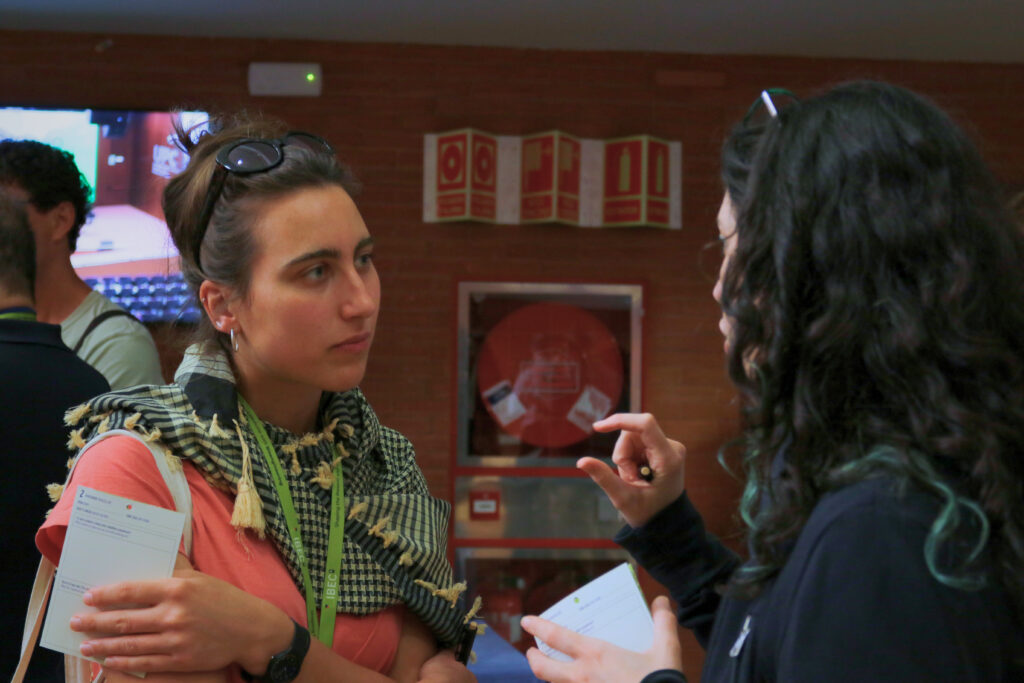
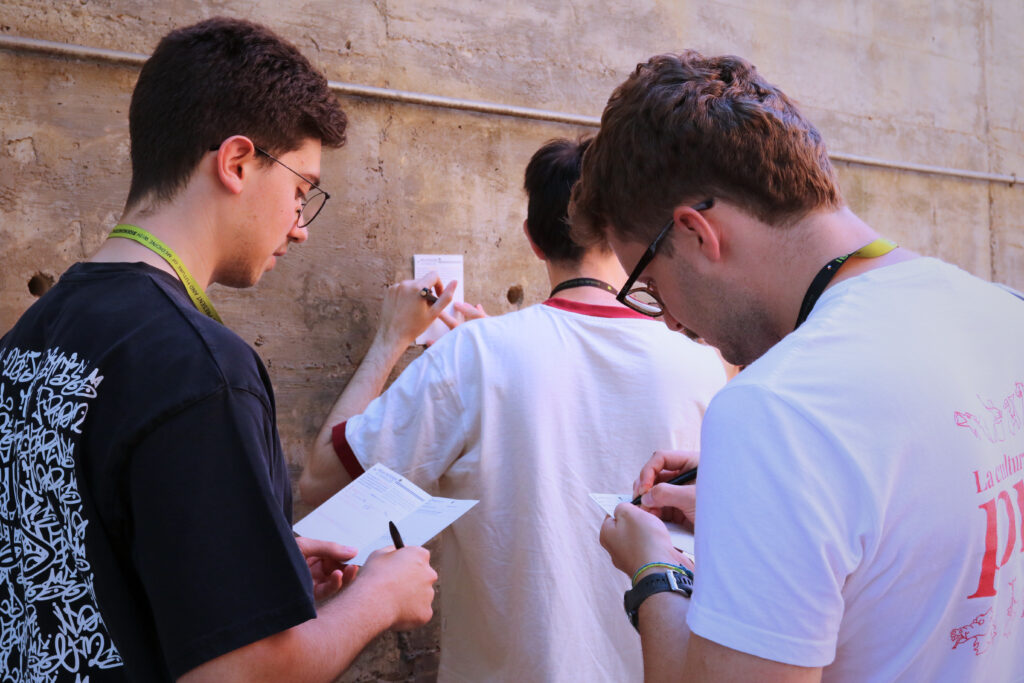
After a break, the ‘IBEC Connection Passport’ networking event took place, designed to encourage interaction between research and management staff. This session provided an opportunity to share perspectives on each role’s responsibilities, current challenges, ongoing projects, and potential collaboration opportunities, thereby strengthening the institute’s internal cohesion.


The day concluded with a group lunch, bringing to a close a day marked by dialogue, collective recognition and community building. IBEC Day 2026 thus reaffirmed its commitment to strengthening a sense of belonging and continuing to foster a more connected, participatory and innovative environment within the institute.


