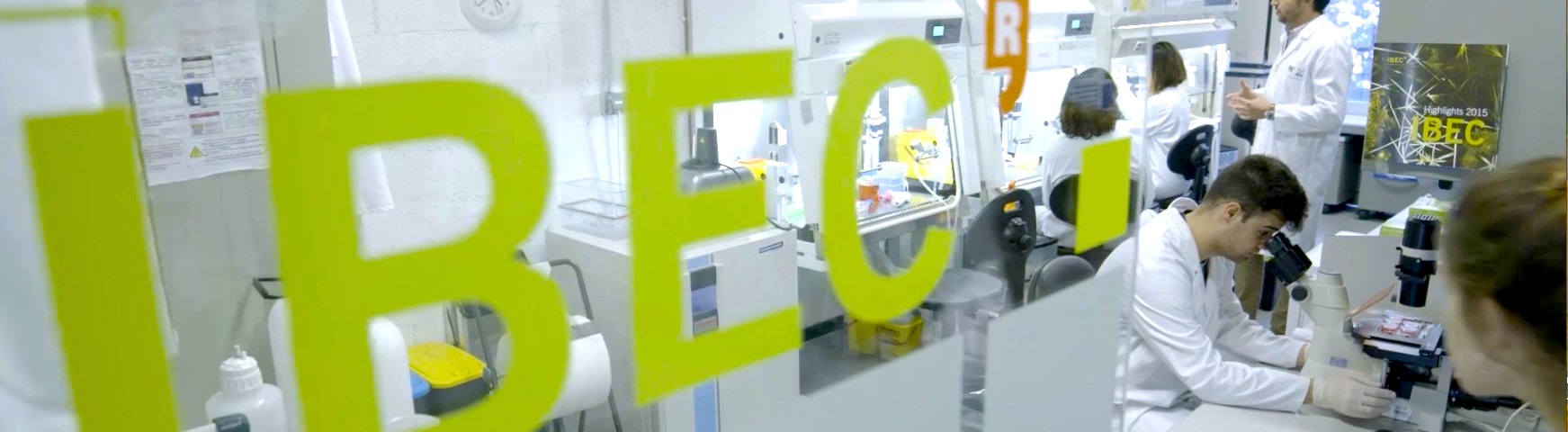
IBEC researchers joined the activities of European Researchers’ Night 2026, held at CosmoCaixa and the Gabriel García Márquez Library last week. With activities on magnets, bacteria, nanoparticles and light, the aim was to showcase excellent research, spark interest in science and show how scientific work has an impact on people’s everyday lives.
European Researchers’ Night is an EU-backed science outreach initiative that, since 2005, has sought to bring society closer to researchers from universities and research centres, so that the public can get to know them first-hand and discover the impact of their work on everyday life. The event is promoted by the European Commission’s Marie Skłodowska-Curie Actions (MSCA) and takes place every year at the end of September, simultaneously, in around 40 countries and more than 460 cities in Europe and beyond. Within this context, IBEC took part with four activities that, together, attracted nearly 290 attendees.
Workshops and demonstrations at CosmoCaixa
On Friday 25 September, from 6 pm to 10 pm at the CosmoCaixa Science Museum, several researchers from IBEC groups took part in three activities.
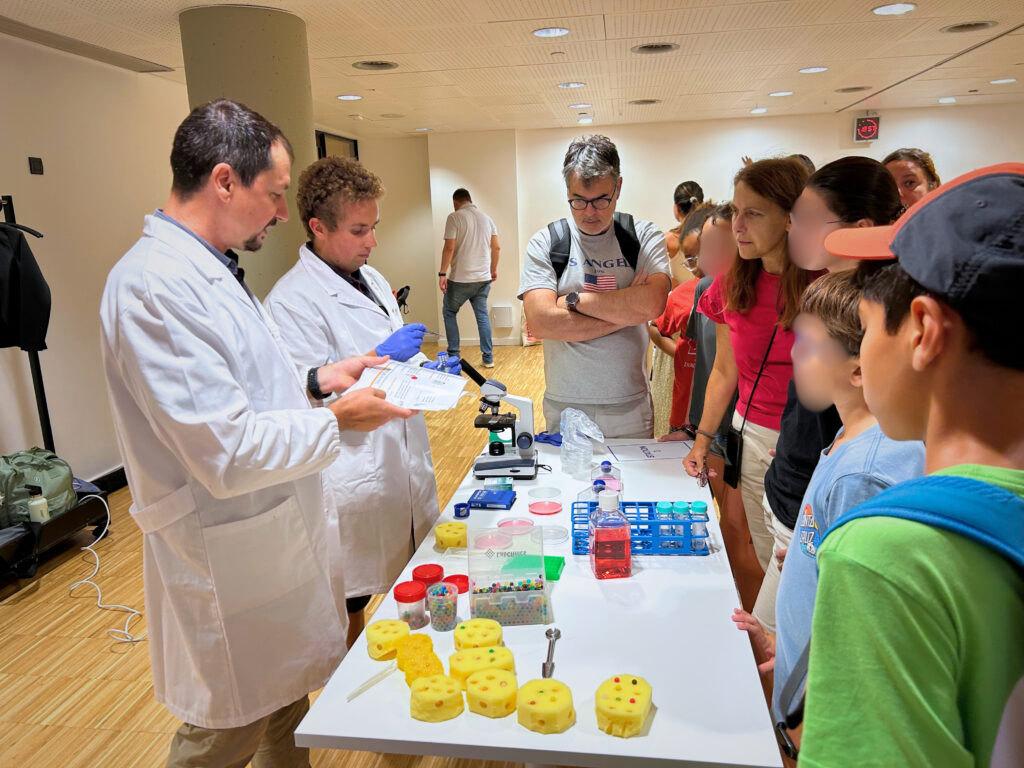
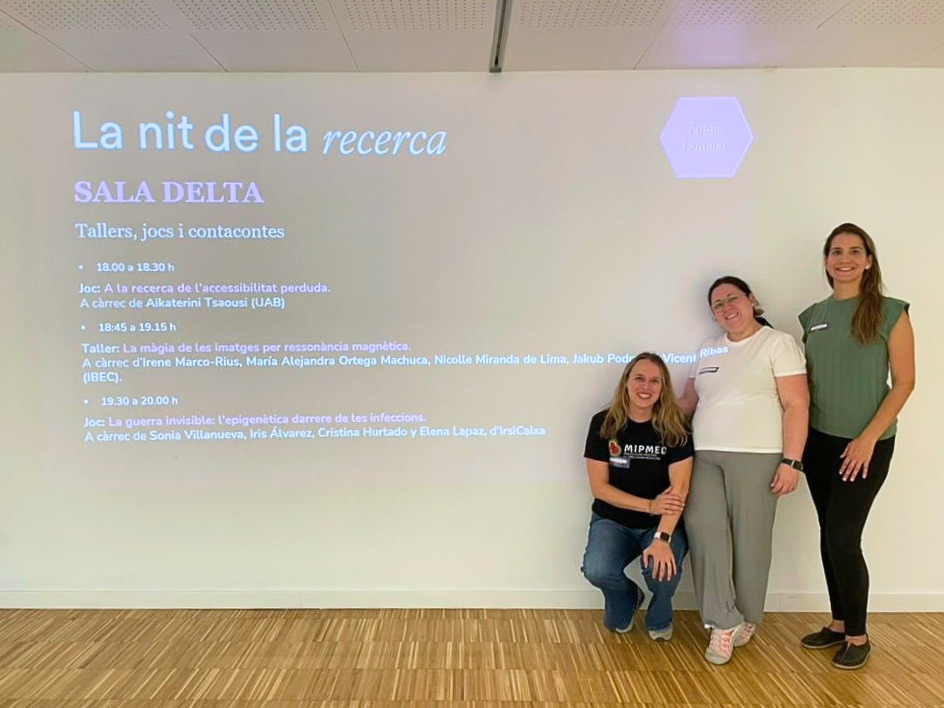
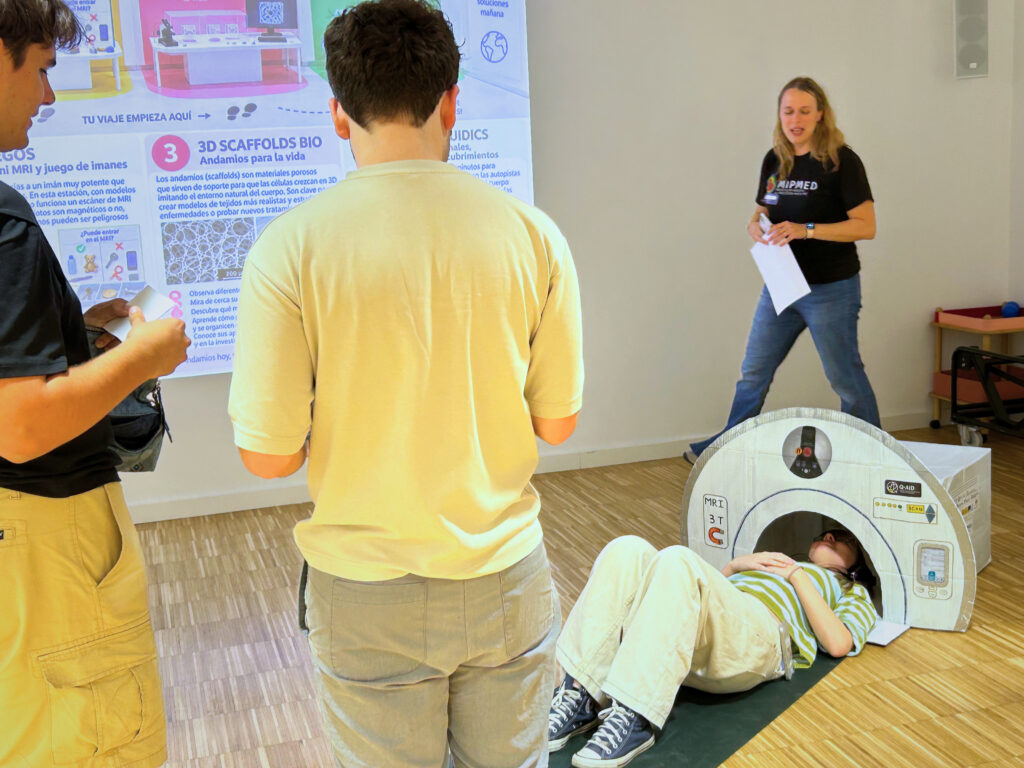
The workshop “The magic of magnetic resonance imaging“, run by Irene Marco Rius’s group (Molecular Imaging for Precision Medicine), brought together around 30 people. Together with María Alejandra Ortega, Nicolle Miranda, Vicent Ribas and Jakub Podraza, the team designed an open, hands-on workshop organised into four stations that visitors could explore at their own pace.
At the first two, visitors discovered how an MRI scanner works, experienced a sensory demonstration of what it feels like to go into a scanner, and learnt how the images are obtained and which safety measures must be followed when using this equipment. The other two stations showed how MRI is used to study diseases such as cancer: through three-dimensional biological models, cell cultures and microfluidic platforms, participants learnt how organ-on-a-chip technologies are developed to study tissues and their response to different treatments.
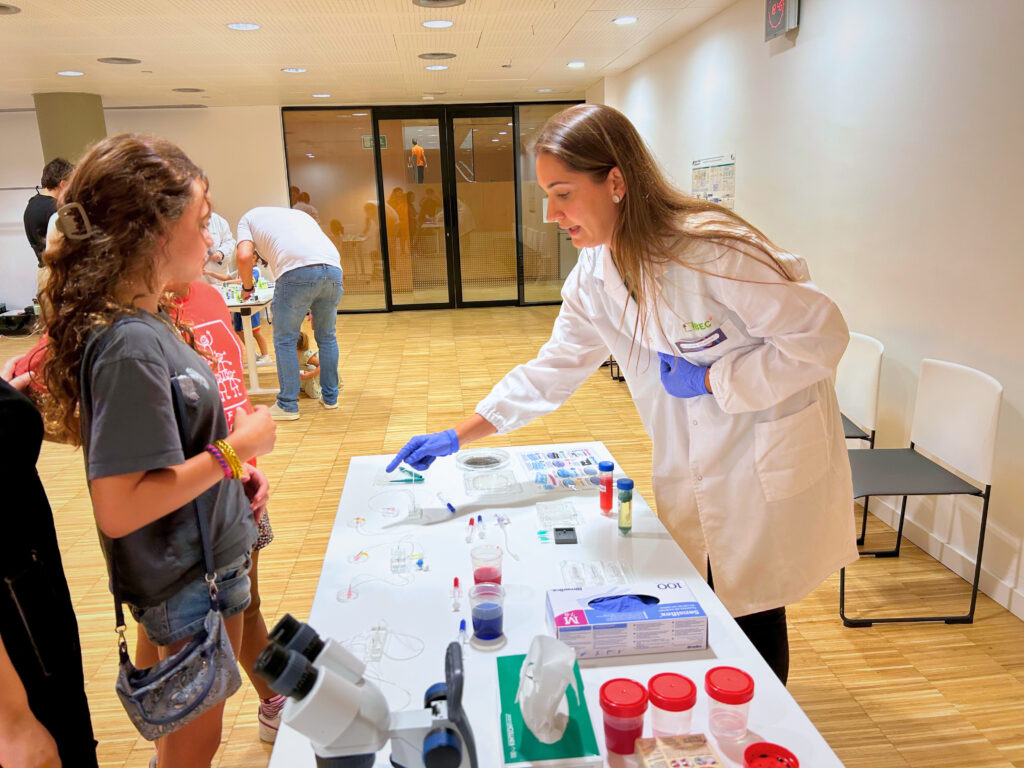
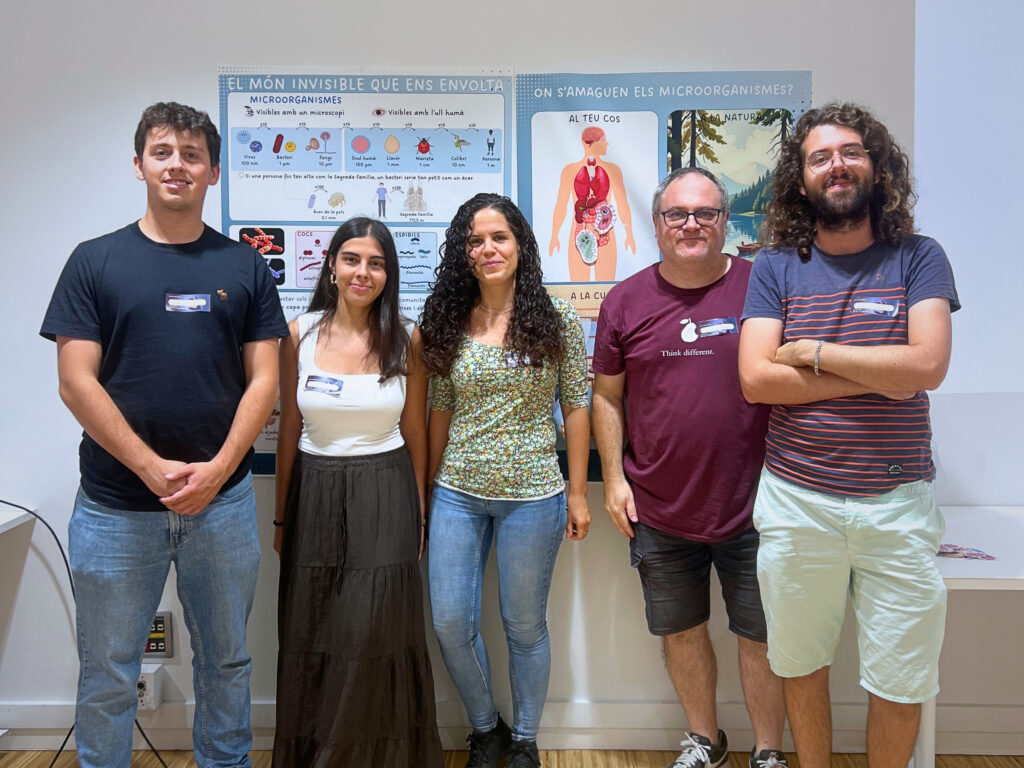
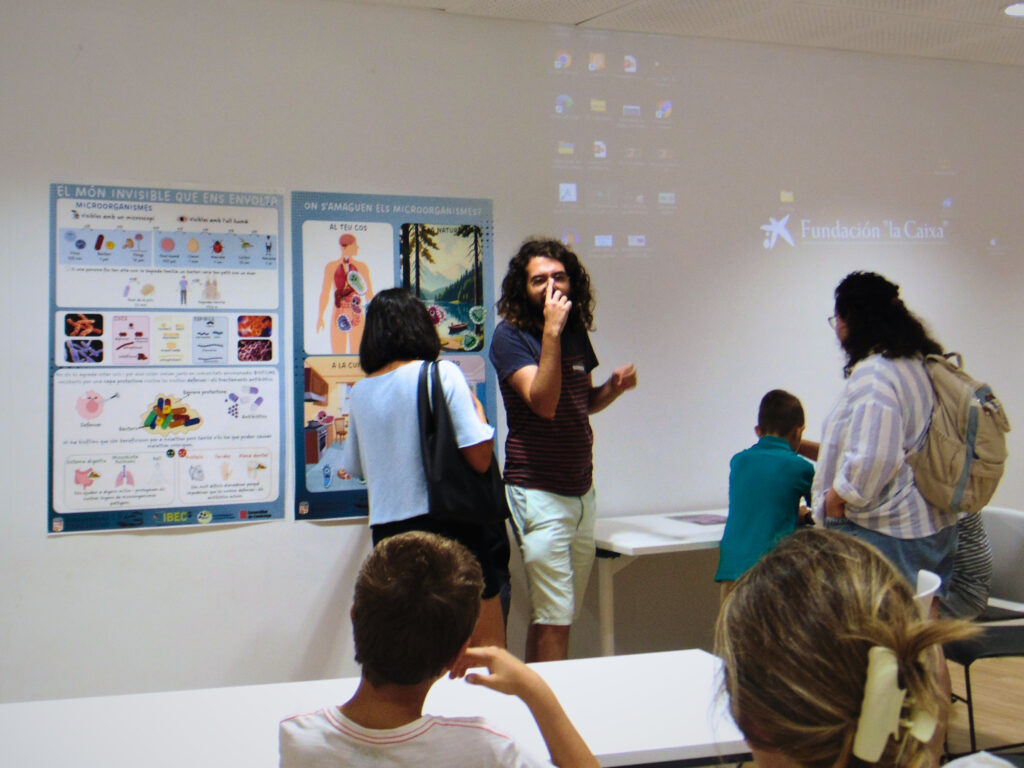
In the workshop “The hidden world of bacteria“, Eduard Torrents, principal investigator of the Bacterial Infections: Antimicrobial Therapies group, together with Maria Escolà, Núria Blanco, Joel Álvarez and Albert Ripoll, showed around 30 people that bacteria do not live alone: they organise themselves into microscopic communities called biofilms, found in rivers and soils, in pipes, sinks and showers at home, and even inside the human body.
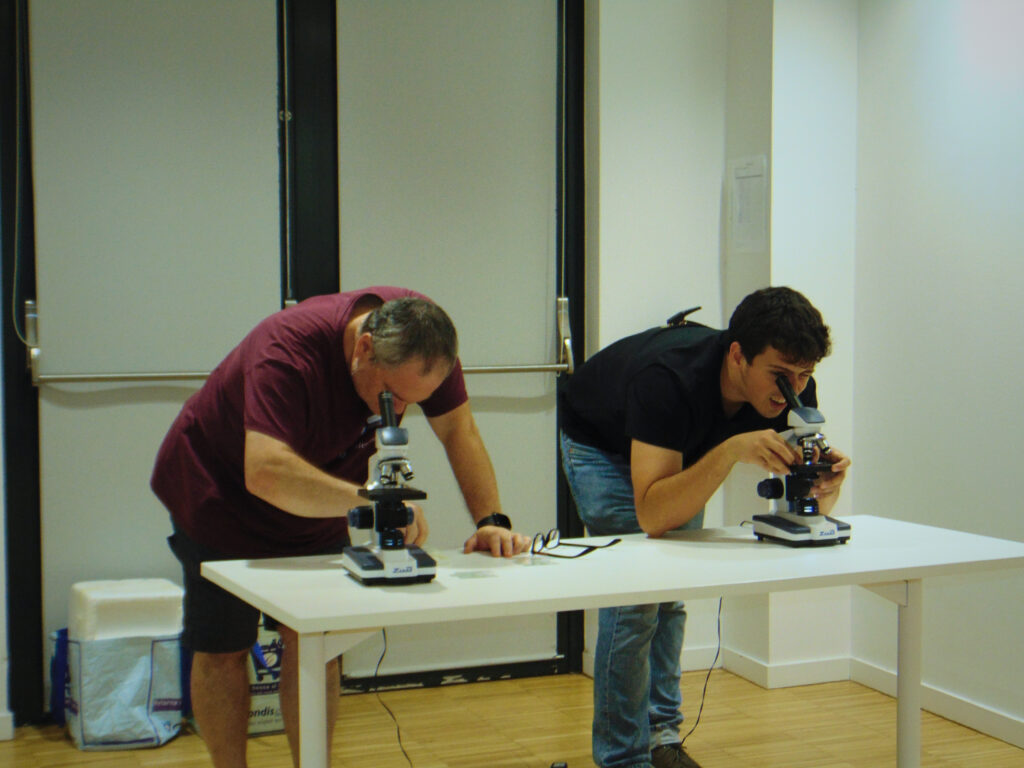
The workshop was organised into two stops that visitors could explore freely and in any order. The first, devoted to the microbial world, featured a poster introducing the concepts of microorganism and biofilm, an interactive poster inviting visitors to place biofilms in everyday locations, and cards with images and names of different microorganisms for those who wanted to learn more. At the second, focused on observation, visitors took a close look at Petri dishes with cultures of non-pathogenic bacteria, such as Staphylococcus epidermidis or Escherichia coli, and contact plates comparing a dirty hand with a clean one to show that bacteria live alongside people. Under the microscope, they observed preparations of organisms such as Penicillium, Aspergillus or Spirogyra, and discovered shapes they had never imagined.
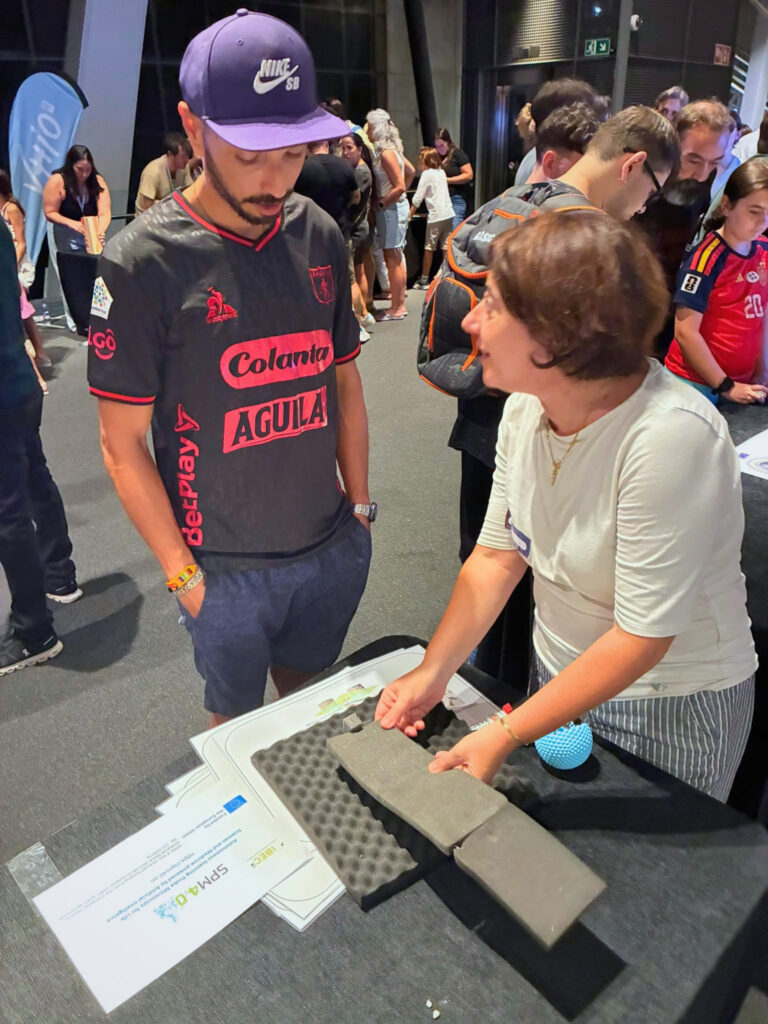
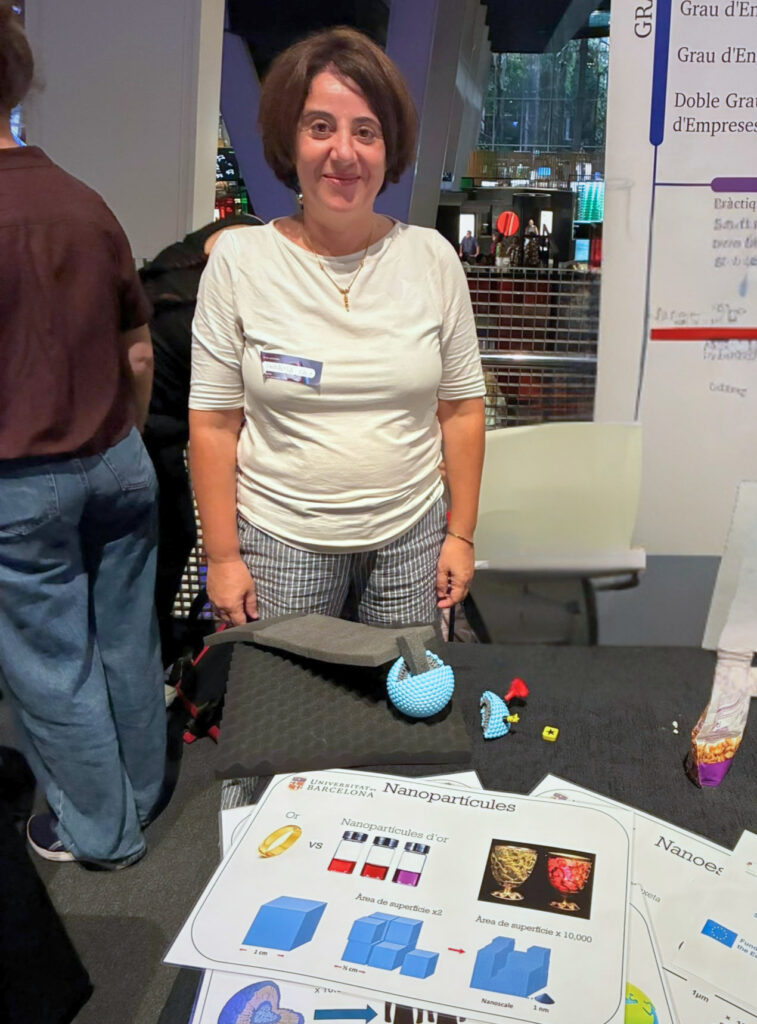
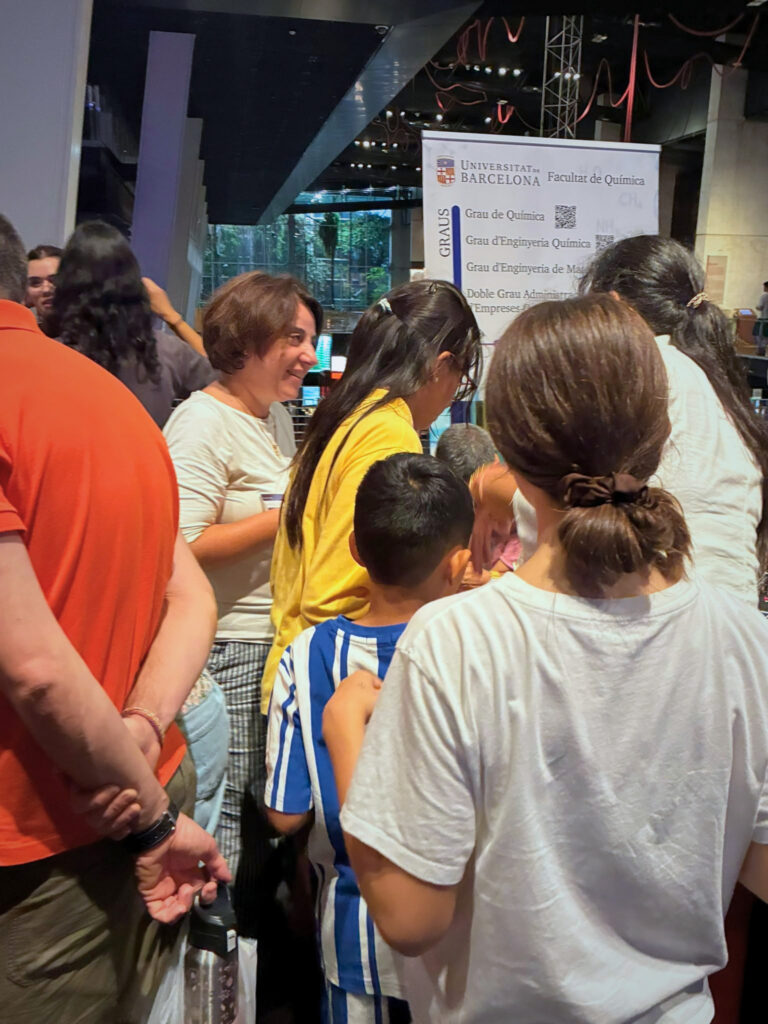
At the Research Fair, Annalisa Caló, a researcher in IBEC’s Nanoscale Bioelectrical Characterization group, took part in the stand “From molecules to materials: chemistry to build a better future“, organised by the Universitat de Barcelona (UB), which welcomed around 200 visitors. Through interactive demonstrations, models and simple experiments, the stand showed how simple molecules can be transformed into complex compounds and advanced materials with applications in biomedicine, green energy and environmental sustainability.
Caló used a 3D-printed nanoparticle, with the receptors that allow it to enter cells, to explain that its surface is made of lipids that fuse with those of the cell membrane, allowing the drug it carries to enter the cell and take effect. Because these structures are so small, they served as a starting point to introduce the atomic force microscope (AFM), which is far more powerful than an optical microscope. Using a model that simulated the AFM tip moving across a surface, she showed how this technique “feels” samples in order to observe them, and how it can be used to study differences between healthy and diseased cells — for example, cancer cells change their stiffness — or their electrical properties. Annalisa’s activity was part of the European project SPM4.0, a Marie Skłodowska-Curie Actions doctoral network (Project: 101168976).
Micro-talk at the Gabriel García Márquez Library
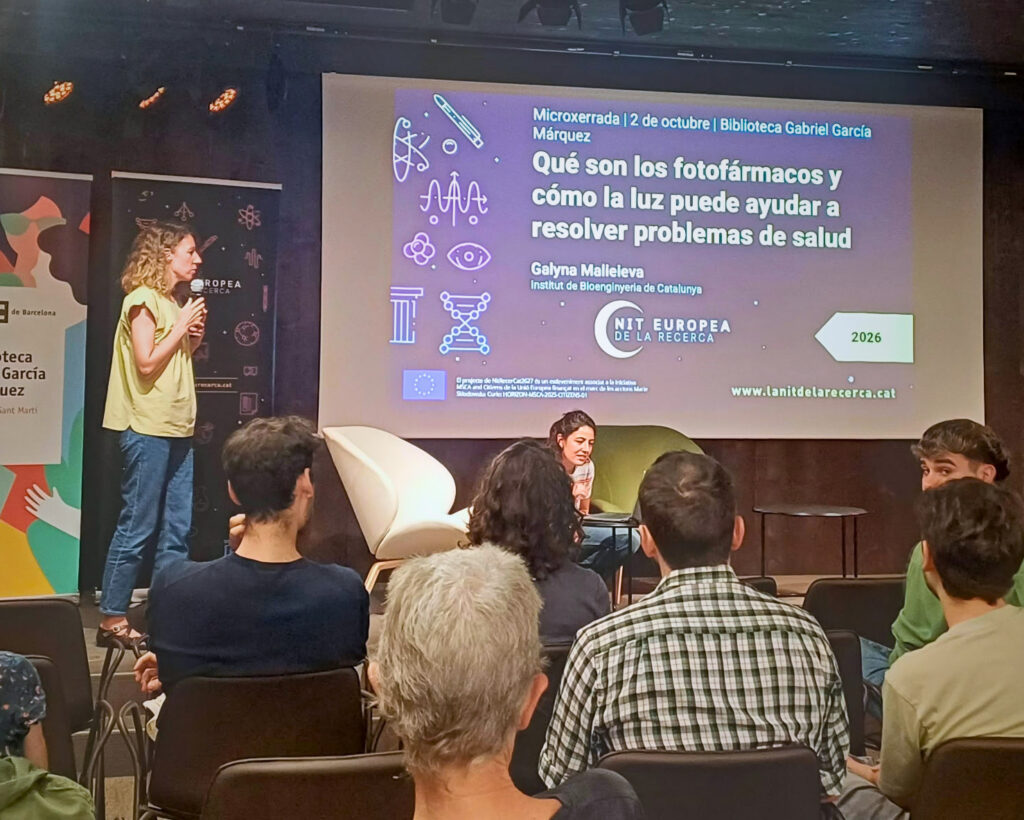
On Friday 2 October, Barcelona’s Gabriel García Márquez Library hosted the micro-talk programme of La Nit de la Recerca, organised by the Catalan Association for Science Communication (ACCC). Galyna Malieieva, a researcher in IBEC’s Nanoprobes and Nanoswitches group, led by Pau Gorostiza, gave the micro-talk “What are photoswitchable drugs and how can light help solve health problems?” to around 30 people.
Malieieva explained that photoswitchable drugs are synthesised in an inactive form and only become active when illuminated with a specific type of light. She also presented the idea of combining them with miniature light-emitting implants which, thanks to nanocrystals, convert infrared light applied from outside the body into visible light exactly where the treatment is needed. This approach would make it possible to activate the drug only where and when it is needed, with the aim of making a treatment more precise and reducing side effects. As an example, she discussed its potential use in reducing pain and epileptic seizures in localised regions of the nervous system. This micro-talk was part of the European project PHOTOTHERAPORT (Project: 101130883).
Taking part in European Researchers’ Night is part of IBEC’s commitment to bringing research closer to society. Stepping out of the lab and sharing first-hand how bioengineering works allows the public to discover the science being done around them, and gives researchers the chance to hear their questions and inspire future generations of scientists.