DONATE

Histones against bacterial infections
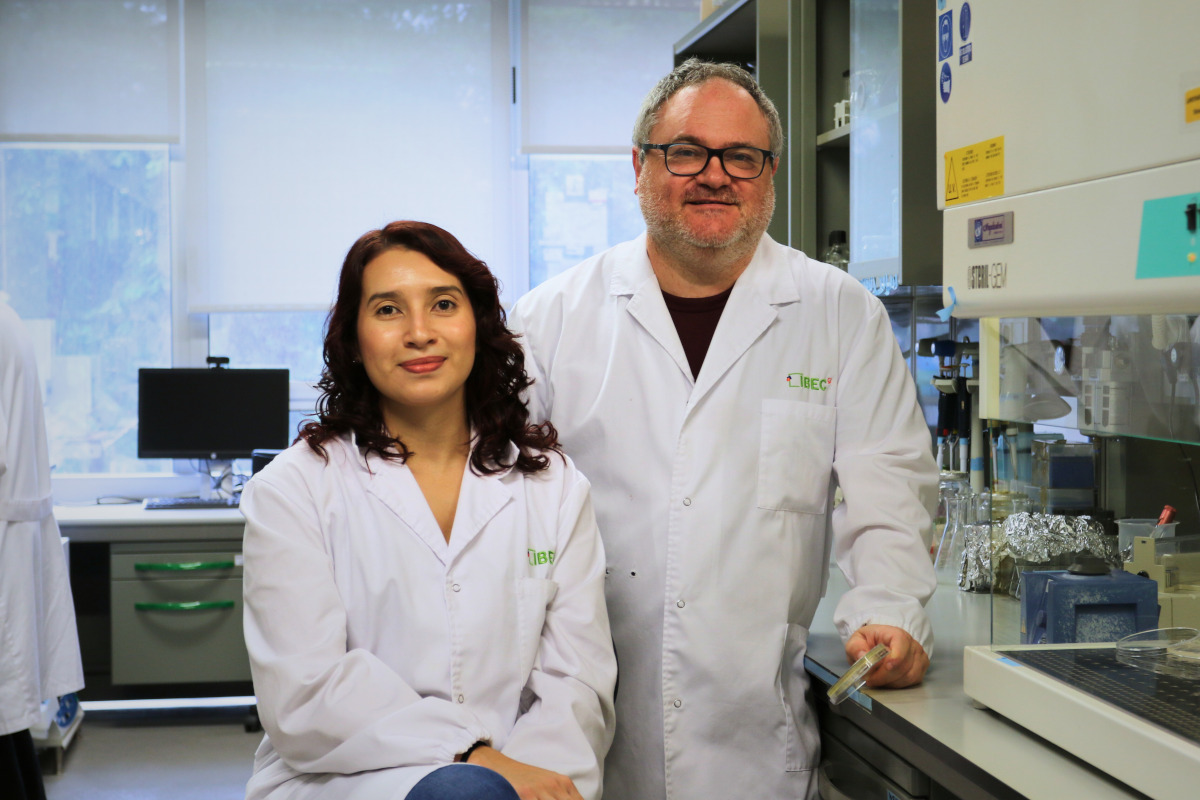
Research led by IBEC has analysed the antimicrobial activity of human histones against various bacteria, both in solution and in biofilm. The results are very promising and open the door to finding new, more effective treatments, particularly against Pseudomonas aeruginosa infections. This bacterium is mainly responsible for the development of chronic wounds and lung failure in patients with cystic fibrosis and other respiratory diseases.

Two projects with IBEC participation selected in the MSCA call for PhD networks

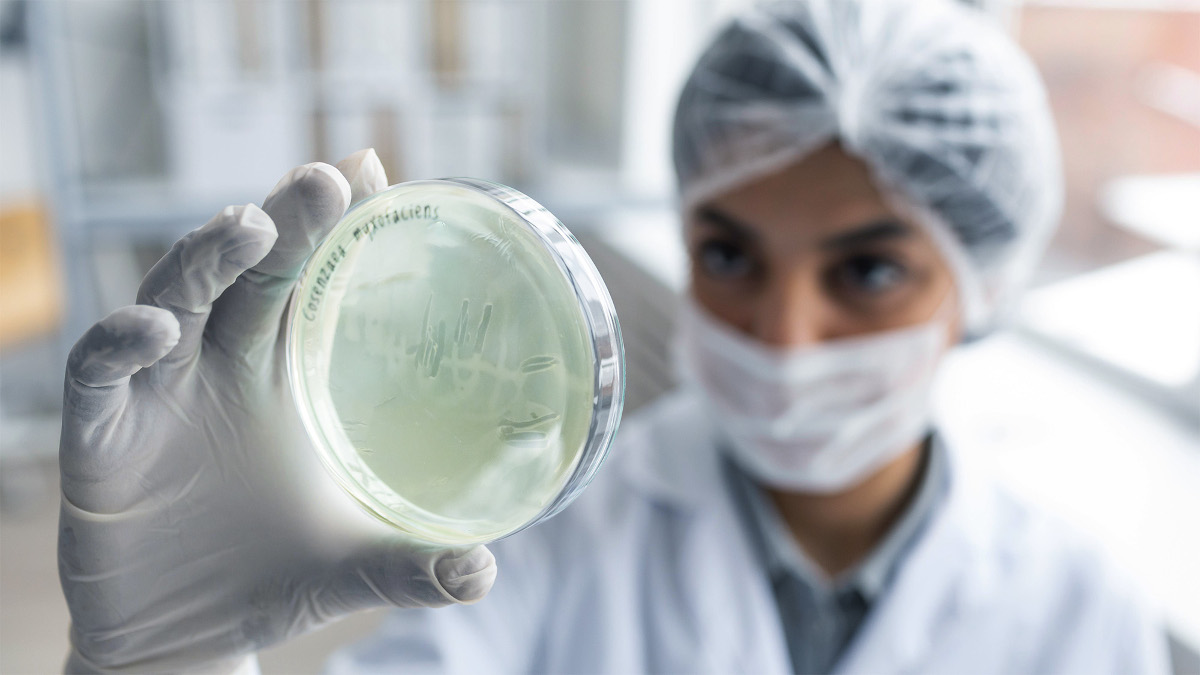
IBEC will coordinate SPM4.0 and participate as a partner in ENTRY-DM, two of the projects selected in the 2023 call for PhD networks within the Marie Skłodowska-Curie Actions (MSCA). Thanks to these two projects, IBEC will add three new PhD students to its staff.

New Faster Future campaign tackles bacterial resistance

IBEC dedicates the 4th edition of its fundraising program, Faster Future, to develop novel strategies to treat infections and diseases caused by antibiotic-resistant bacteria. Specifically, the research seeks to fight biofilms, a substance produced by bacteria that hinders the passage of antibiotics and is responsible for 80% of all microbial infections in humans. Over the … Read more

New strategy against chronic wound infections

Chronic wounds are a challenge for microbiologists due to biofilms, complex structures where bacteria protect themselves from antibiotics, preventing infections from being treated effectively. A research team led by the Institute of Bioengineering of Catalonia (IBEC) has published in the journal Frontiers in Microbiology a study on how the use of specific enzymes and the … Read more

IBEC researchers discover how to improve the existing antibiotics and develop new antimicrobial treatments

In a new study carried out by researchers from the Institute for Bioengineering of Catalonia (IBEC), improved so that they are more effective in much smaller doses, which opens the possibility of developing new antimicrobial treatments in an innovative and affordable way. The study, published recently in the Communications Biology Journal of the Nature group, … Read more

Mycobacterium in olive oil for cancer treatment

micobacterisResearchers at the Autonomous University of Barcelona (UAB) and Institute for Bioengineering of Catalonia (IBEC) have revealed a way to effectively deliver a mycobacterium needed for the treatment of bladder cancer in humans –using a formulation based on olive oil.

The researchers have found a way to reduce the natural clumping that occurs when mycobacteria cells, which possess a high content of lipids in their walls, are introduced to the usual aqueous solutions that are used for intravesical instillation in bladder cancer patients. This clumping may interfere with the interaction of the mycobacteria-host cells and negatively influence their antitumor effects.