DONATE

“Explainable” AI cracks secret language of sticky proteins

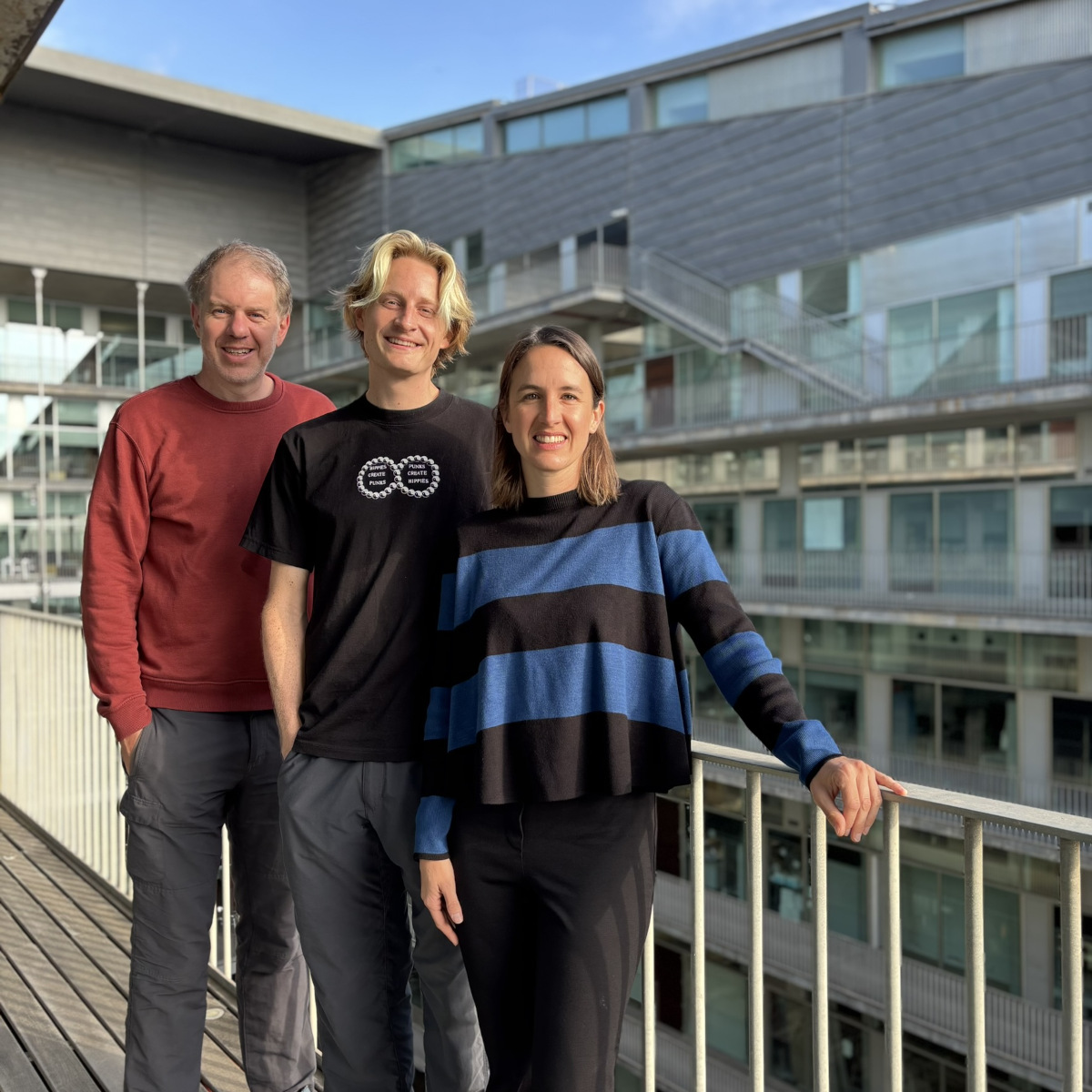
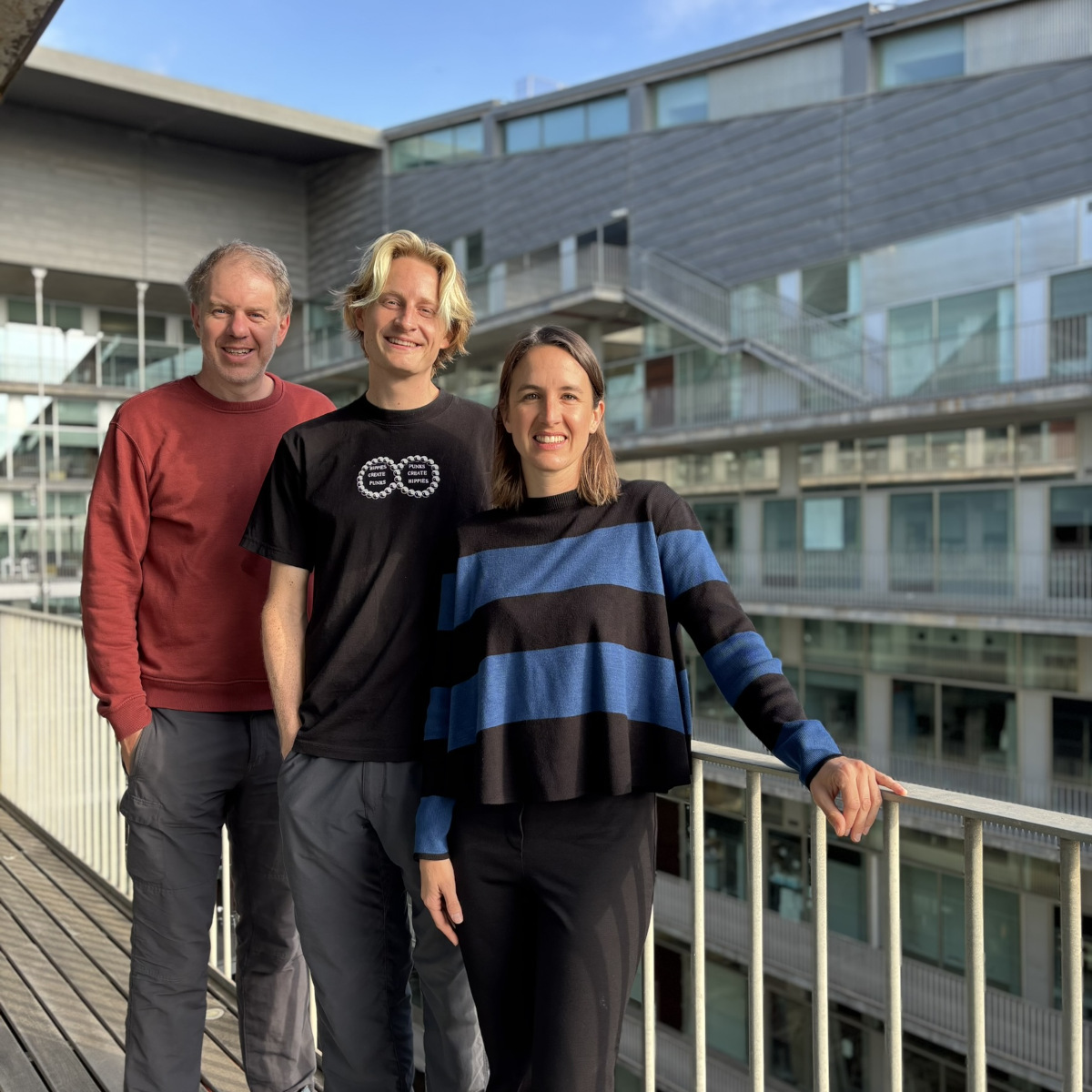
The new AI is able to predict when and why protein aggregation occurs, a mechanism linked to Alzheimer’s and 50 other diseases that affect 500 million people. The results show great potential for research into neurodegenerative diseases and for improving drug production, reducing costs and increasing efficiency. The study, published today in Science Avances, is the result of a collaboration between the Centre for Genomic Regulation (CRG) and the Institute of Bioengineering of Catalonia (IBEC).

Bioengineering in the Territory

The Bioengineering in the Territory project aims to decentralize scientific knowledge and promote scientific education in an equitable way across the region. We want to ensure that everyone, regardless of their geographic location or social background, has access to quality science education. Territory is one of the core pillars of IBEC’s educational project, through which … Read more

IBEC and UB lead the organisation of the AFM BioMed 2025 international congress in Barcelona

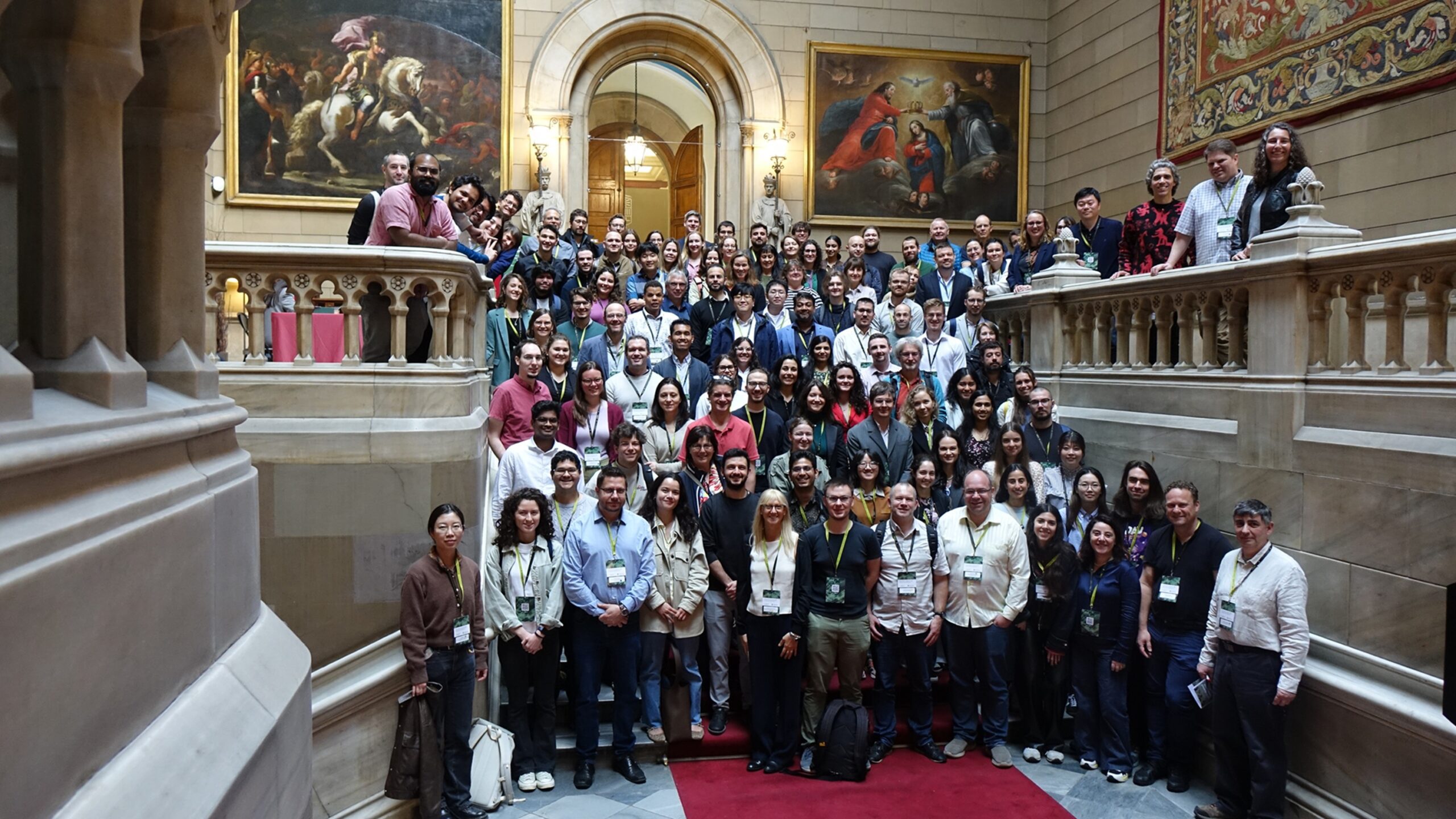
The Atomic Force Microscopy in Life Sciences and Nanomedicine (AFM BioMed) conference took place in Barcelona last week. The 2025 edition, which brought together 160 participants, was organised by the Institute for Bioengineering of Catalonia and the University of Barcelona. Experts from various fields shared ideas on how atomic force microscopy can contribute to the … Read more

New advances in the fight against the most common form of lung cancer

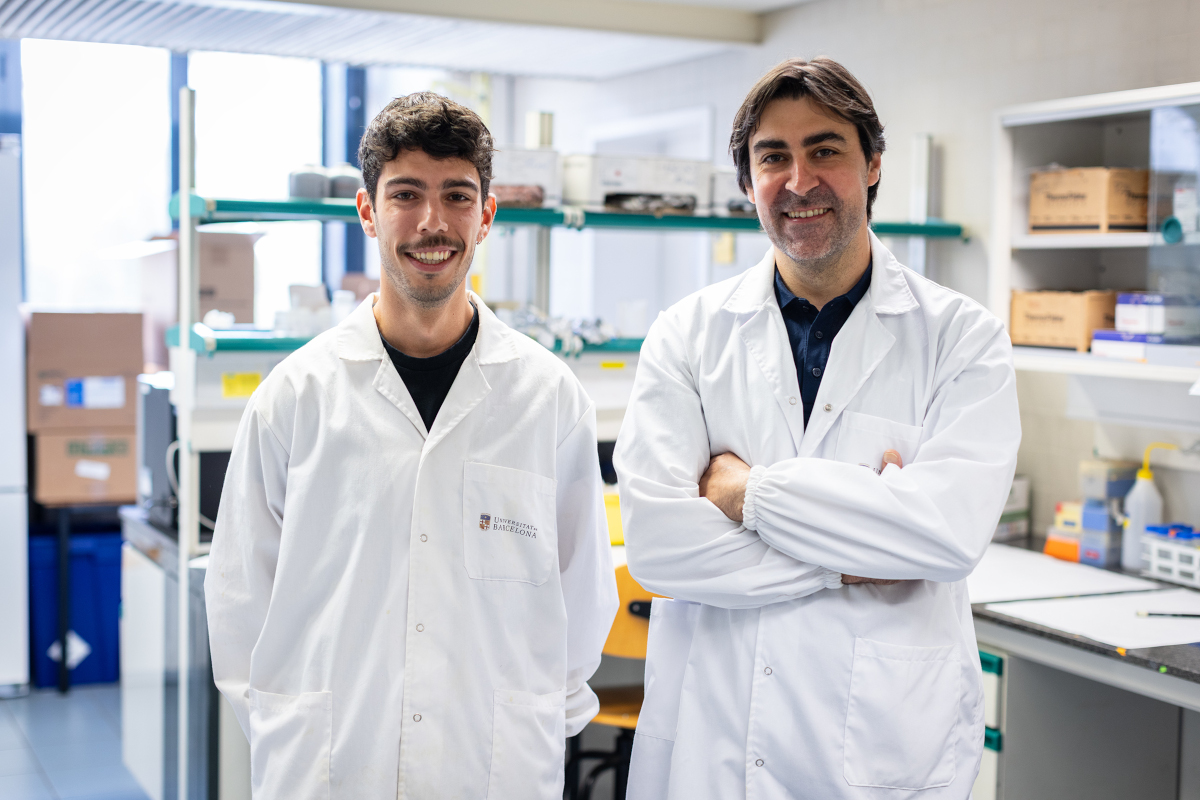
From left to right, Fernando Martín and Joan Montero at the Faculty of Medicine and Health Sciences. / Credit: University of Barcelona

A study led by the University of Barcelona in collaboraiton with the Institute for Bioengineering of Catalonia reveals that the functional assay dynamic BH3 profiling (DBP) can predict whether specific treatments will be effective in non-small cell lung cancer patients. The technique helps determine which therapy will be most effective by testing it directly on living cells, improving personalised therapies.

IBEC researcher Irene Marco-Rius receives Anatole Abragam Prize for her contributions to the field of magnetic resonance

Dr Irene Marco-Rius, principal investigator at the Institute for Bioengineering of Catalonia (IBEC), has been awarded the 2025 Anatole Abragam Prize for her pioneering work on the use of magnetic resonance to study cells grown on chips, allowing ex vivo metabolic assessment of disease mechanisms and therapy responses in controlled microenvironments. The award was presented at the Joint ENC-ISMAR Conference in California.