DONATE

EL PAÍS: La ciencia llama a la última puerta del cerebro
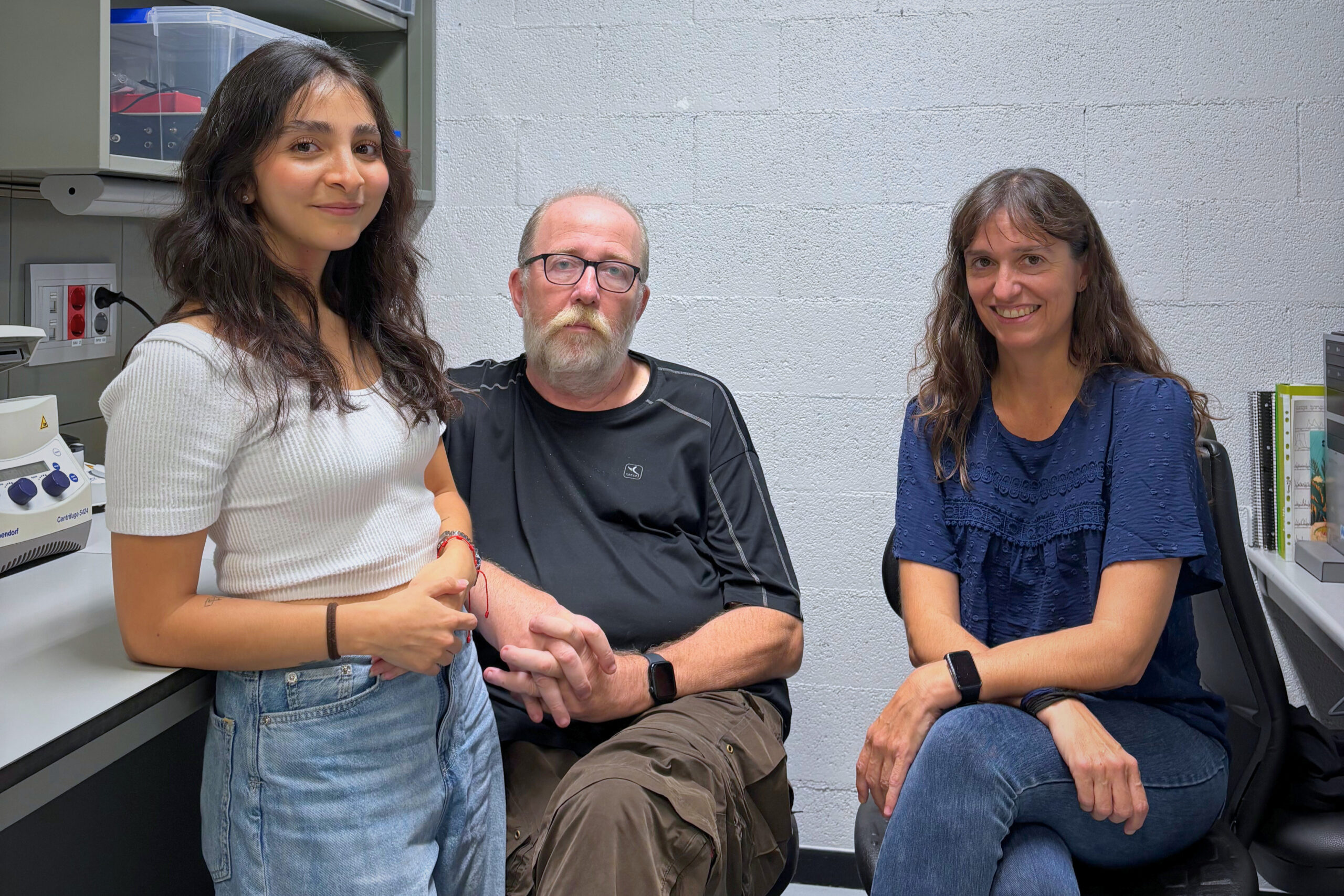
La barrera hematoencefálica, una estructura que protege este órgano de sustancias potencialmente dañinas, también dificulta la llegada de los fármacos. Tres proyectos de investigación impulsados por Fundación “la Caixa” estudian soluciones para tratar las afecciones neurológicas que, según la OMS, suponen la principal causa de discapacidad en el mundo
EL PERIÓDICO: Diez hitos médicos logrados en Catalunya que han dado la vuelta al mundo

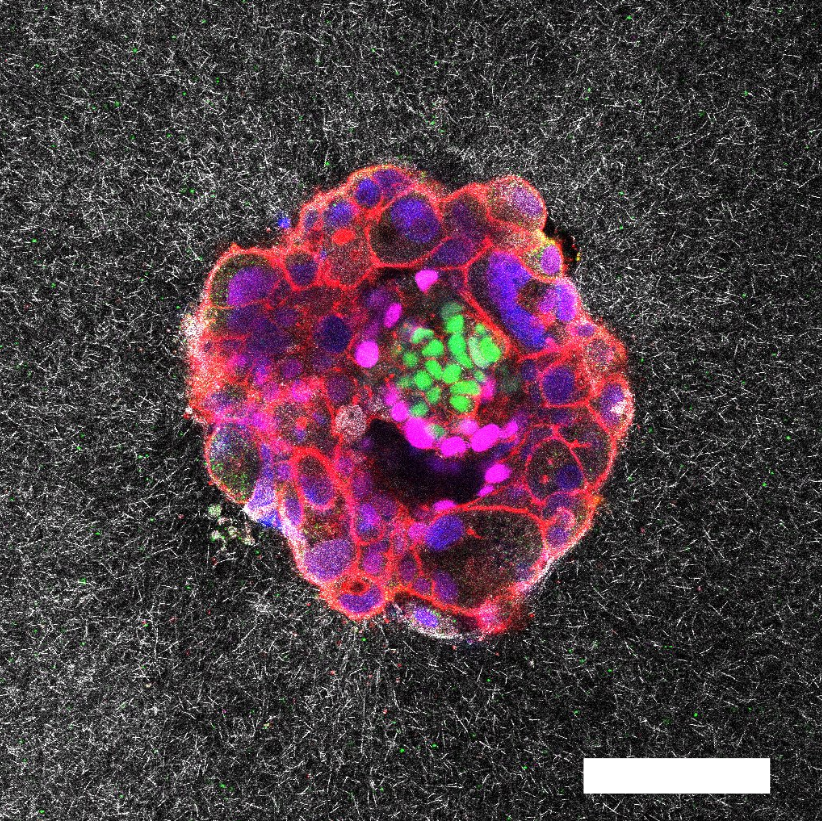
La ‘bioregión’ celebra que la estrategia que ha hecho de este sector uno de los impulsores de la economía catalana cumple 20 años, un periodo en el que se han hecho descubrimientos médicos, desarrollado terapias o hallado nuevas formas de diagnóstico. Entre ellos, Investigadores del Instituto de Bioingeniería de Catalunya (IBEC) han logrado grabar por primera vez la implantación de embriones humanos en un útero sintético en tiempo real. 

ICREA’t: L’art de modelar un teixit viu

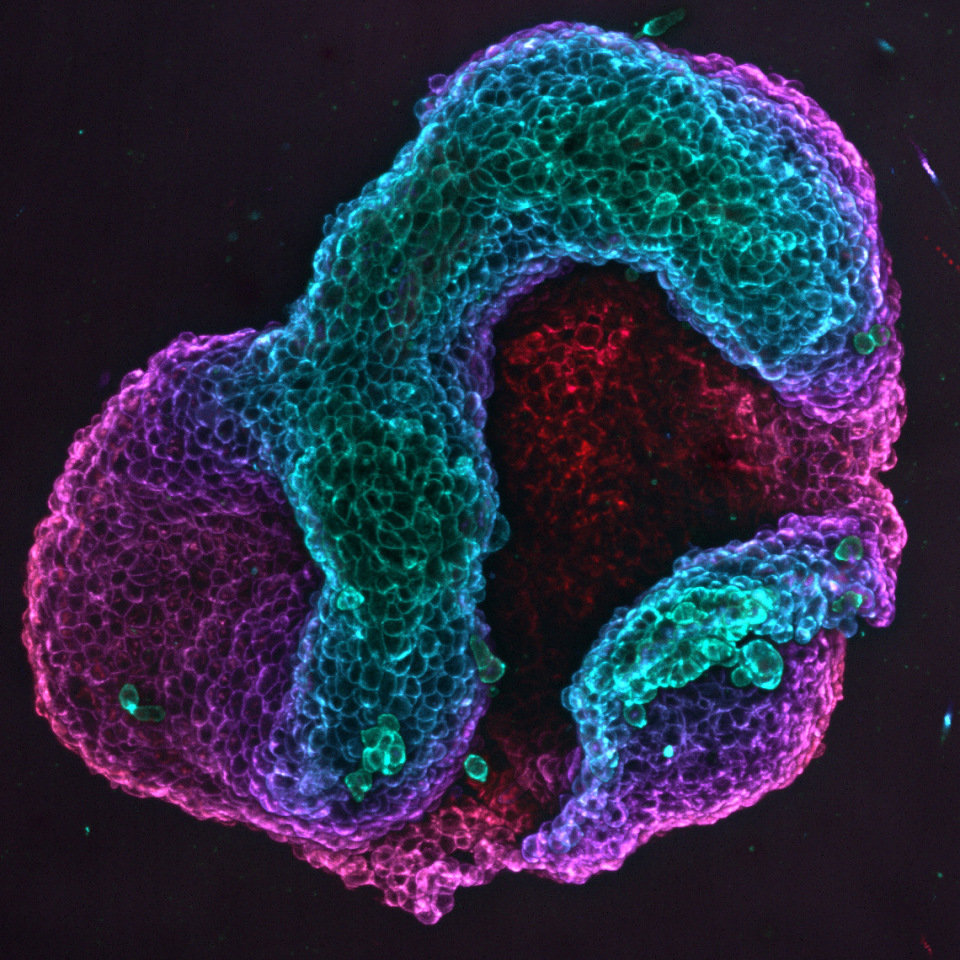
El grup de l’investigador ICREA Xavier Trepat, a l’Institut de Bioenginyeria de Catalunya (IBEC), juntament amb investigadors de la Universitat Politècnica de Catalunya – BarcelonaTech (UPC) i del Centre Internacional de Mètodes Numèrics a l’Enginyeria (CIMNE), està aprenent a controlar aquestes forces i programar la forma d’un teixit al laboratori. Com ho fan? I per què és important dissenyar la forma d’un teixit viu?

MEDICAL XPRESS: Lab-designed molecule reduces amyloid beta, the protein linked to Alzheimer’s disease, in mice

A research team led by the Molecular and Cellular Neurobiotechnology group at the Institute for Bioengineering of Catalonia (IBEC), in collaboration with Míriam Royo’s laboratory at the Institute for Advanced Chemistry of Catalonia (IQAC-CSIC), the University of Barcelona (UB) and the Institute for Research in Biomedicine (IRB Barcelona), has identified a synthetic peptide that reduces the production of amyloid beta (Aβ).

LA VANGUARDIA: Benedetta Bolognesi, biotecnóloga: “En el alzhéimer, las proteínas pueden empezar a acumularse veinte años antes de que aparezcan los síntomas”

Doctora por la Universidad de Cambridge, dirige desde 2018 el grupo Transiciones de Fase de Proteínas en la Salud y la Enfermedad del Instituto de Bioingeniería de Cataluña (IBEC). Bolognesi estudia cómo algunas proteínas empiezan a unirse y acumularse, cómo pueden contribuir al daño cerebral y cómo intervenir antes de que el daño sea irreversible.

MEDICAL DAILY: Light-Activated Compounds Designed to Stand In for Lost Photoreceptors Restore Visual Behavior in Blind Animals

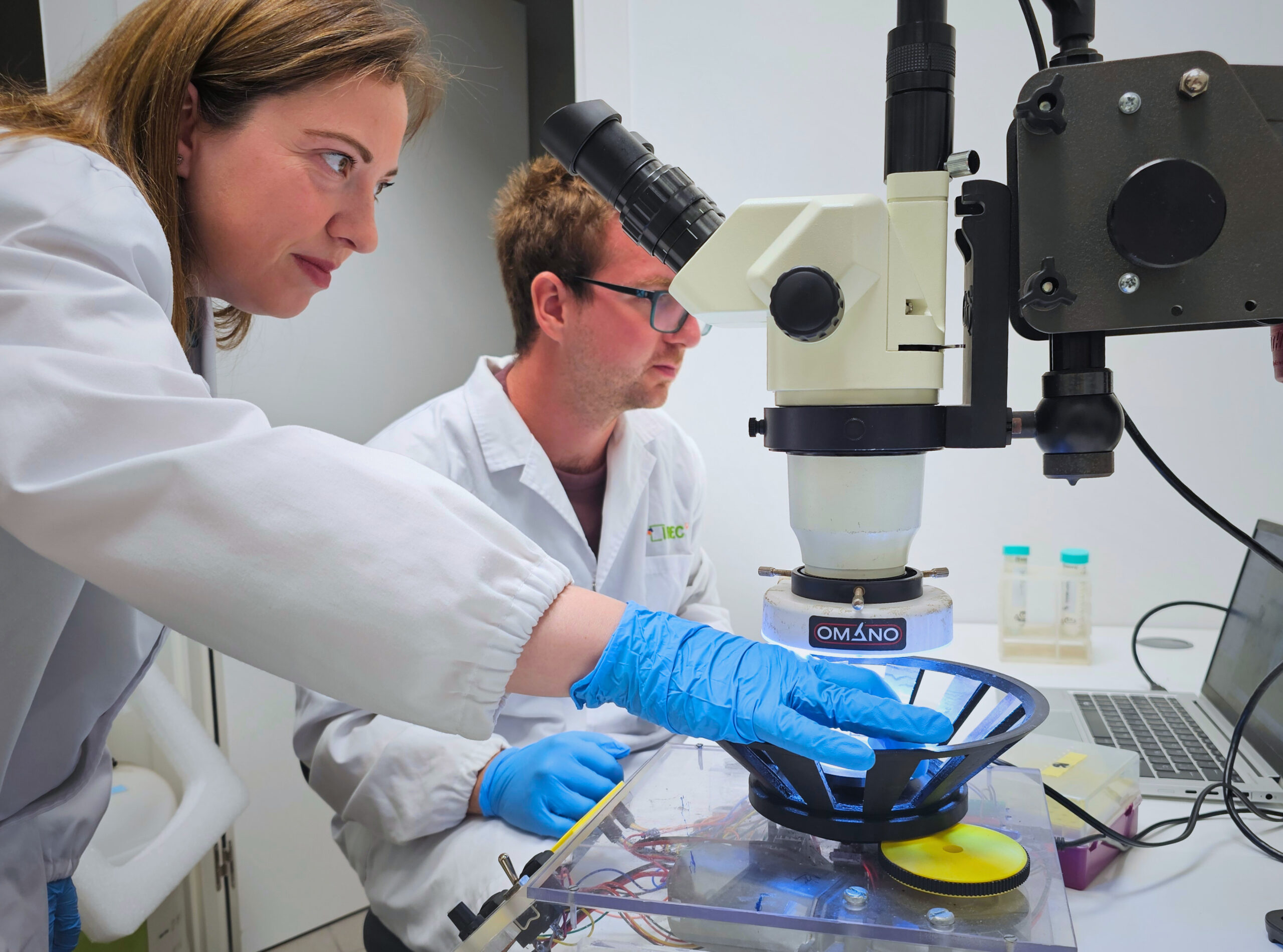
A research consortium led by the Institute for Bioengineering of Catalonia in Barcelona has developed a family of light-switchable small molecules designed to occupy the gap. The compounds, called prosthe6, restored visual responses in zebrafish and mouse models of retinal degeneration under ordinary ambient light.

PHYS.ORG: Prolonged stretching reorganizes tissue scaffolds and uncages cell nuclei

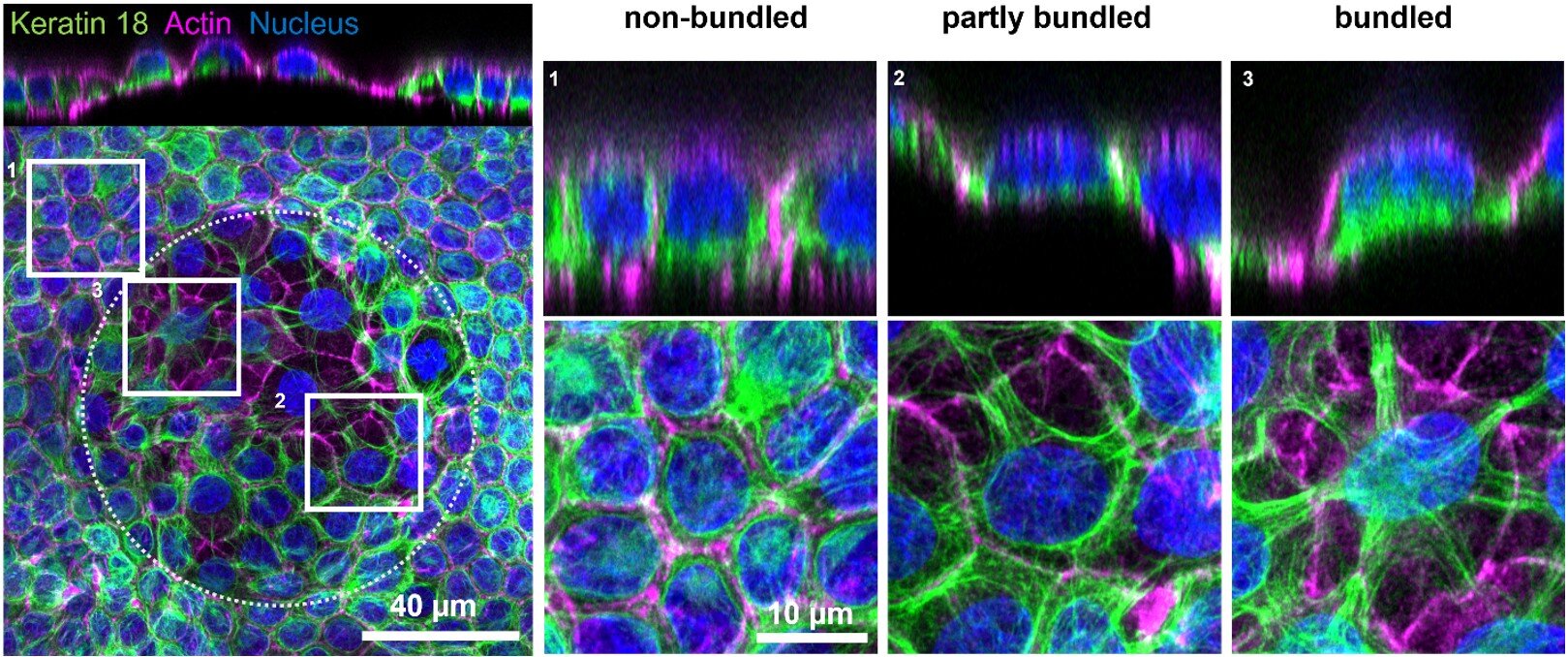
How do tissues cope with being stretched for hours or even days? A study led by researchers at the Institute for Bioengineering of Catalonia (IBEC) has uncovered an unexpected answer: Cells radically reorganize their internal scaffolding and, in the process, release their nuclei from a protective keratin network.