DONATE

La Marató de 3Cat funds two IBEC projects to improve immunotherapy for solid tumours
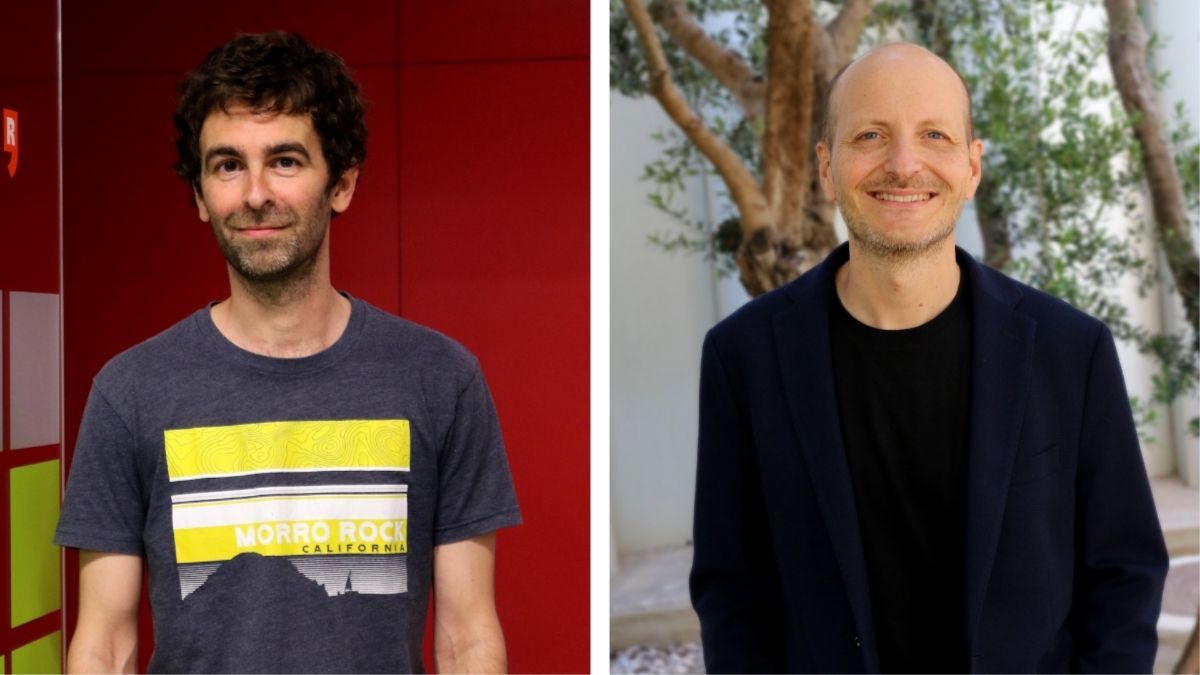
The Fundació La Marató de 3Cat has selected two projects coordinated by IBEC researchers Xavier Rovira and Xavier Trepat in its 2025 call for cancer research grants. Each project will receive €300,000. Over three years, both will study why immune cells struggle to penetrate solid tumours, one of the main obstacles facing immunotherapy in cancers such as breast and colorectal cancer.
“Revealing the Invisible”: IBEC marks its 20th anniversary by turning research images into cyanotypes

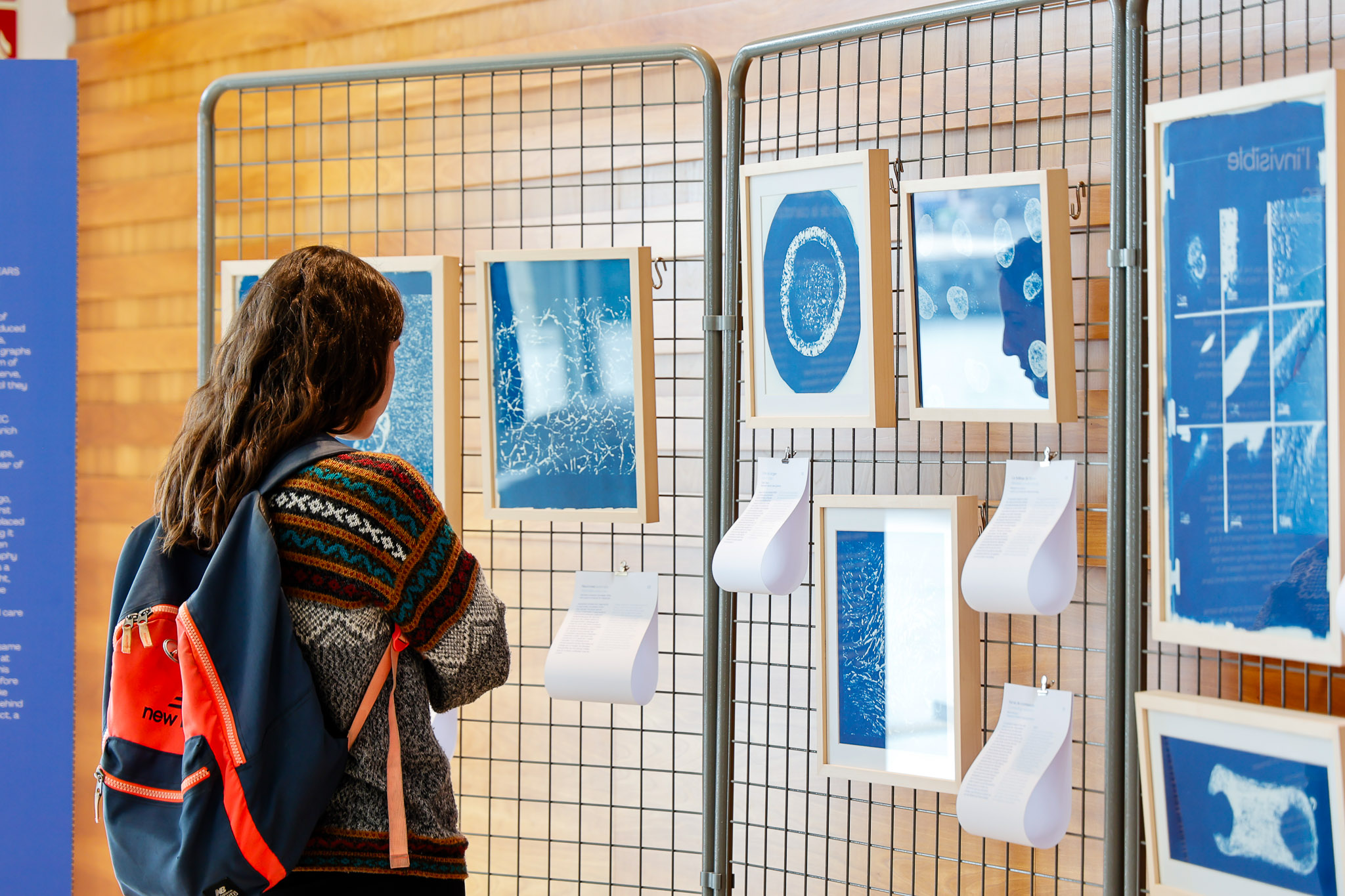
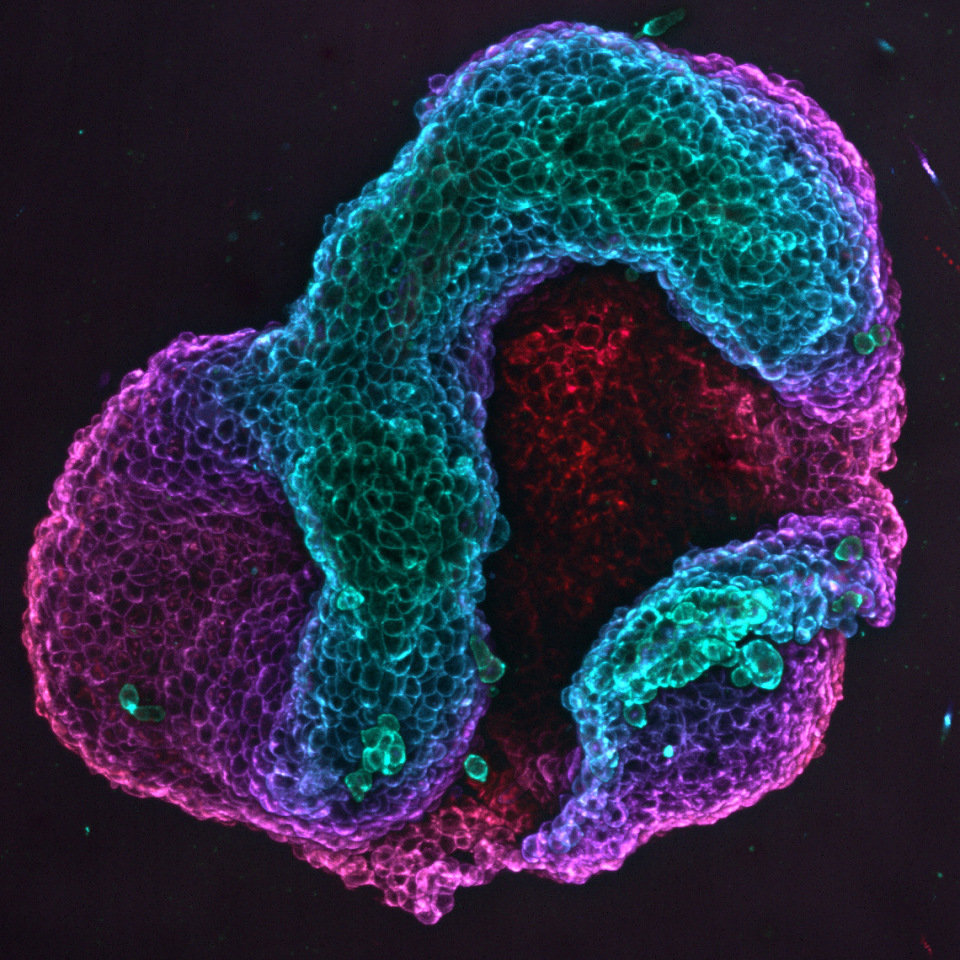
To mark its 20th anniversary, the Institute for Bioengineering of Catalonia (IBEC) has launched “Revealing the Invisible”, an art and science project in which photographer Roser Salarich has transformed twenty images contributed by the institute’s research groups into cyanotypes, one for each year of its history. The exhibition was unveiled at the institutional event celebrating the anniversary and could be visited during IBEC’s annual Symposium.

ICREA’t: L’art de modelar un teixit viu

El grup de l’investigador ICREA Xavier Trepat, a l’Institut de Bioenginyeria de Catalunya (IBEC), juntament amb investigadors de la Universitat Politècnica de Catalunya – BarcelonaTech (UPC) i del Centre Internacional de Mètodes Numèrics a l’Enginyeria (CIMNE), està aprenent a controlar aquestes forces i programar la forma d’un teixit al laboratori. Com ho fan? I per què és important dissenyar la forma d’un teixit viu?

IBEC celebrates its 20th anniversary with an institutional event at the Fundació Joan Miró

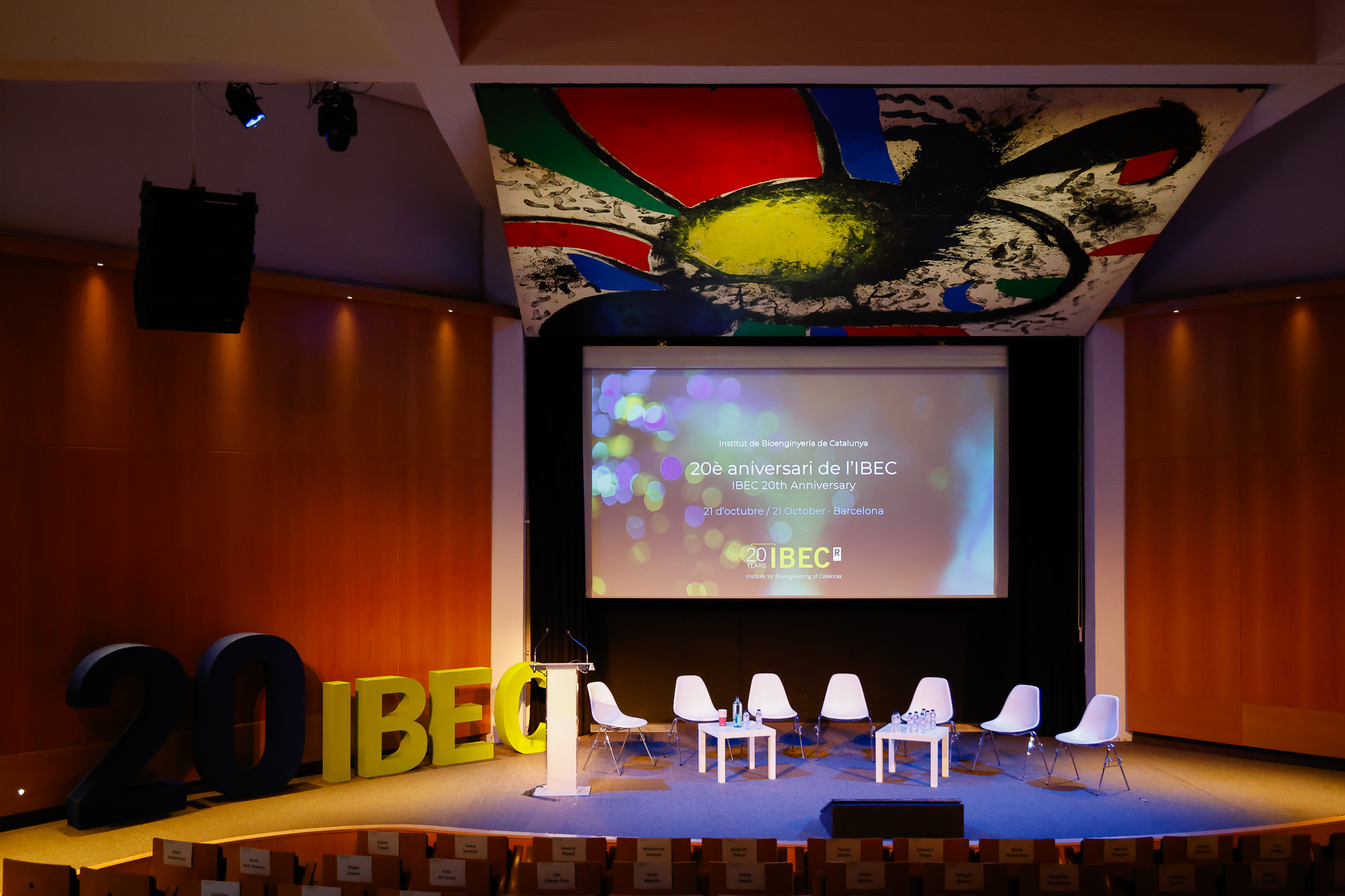
The Institute for Bioengineering of Catalonia (IBEC) celebrated its 20th anniversary on Wednesday 21 October with an institutional event at the Auditorium of the Fundació Joan Miró in Barcelona. Representatives of the Catalan Government, people who have led and supported the centre since its creation, and IBEC researchers looked back on two decades of research at the interface between engineering and the life sciences, and shared their views on the challenges ahead.

IBEC launches IBEC On Air, a podcast exploring bioengineering beyond the lab

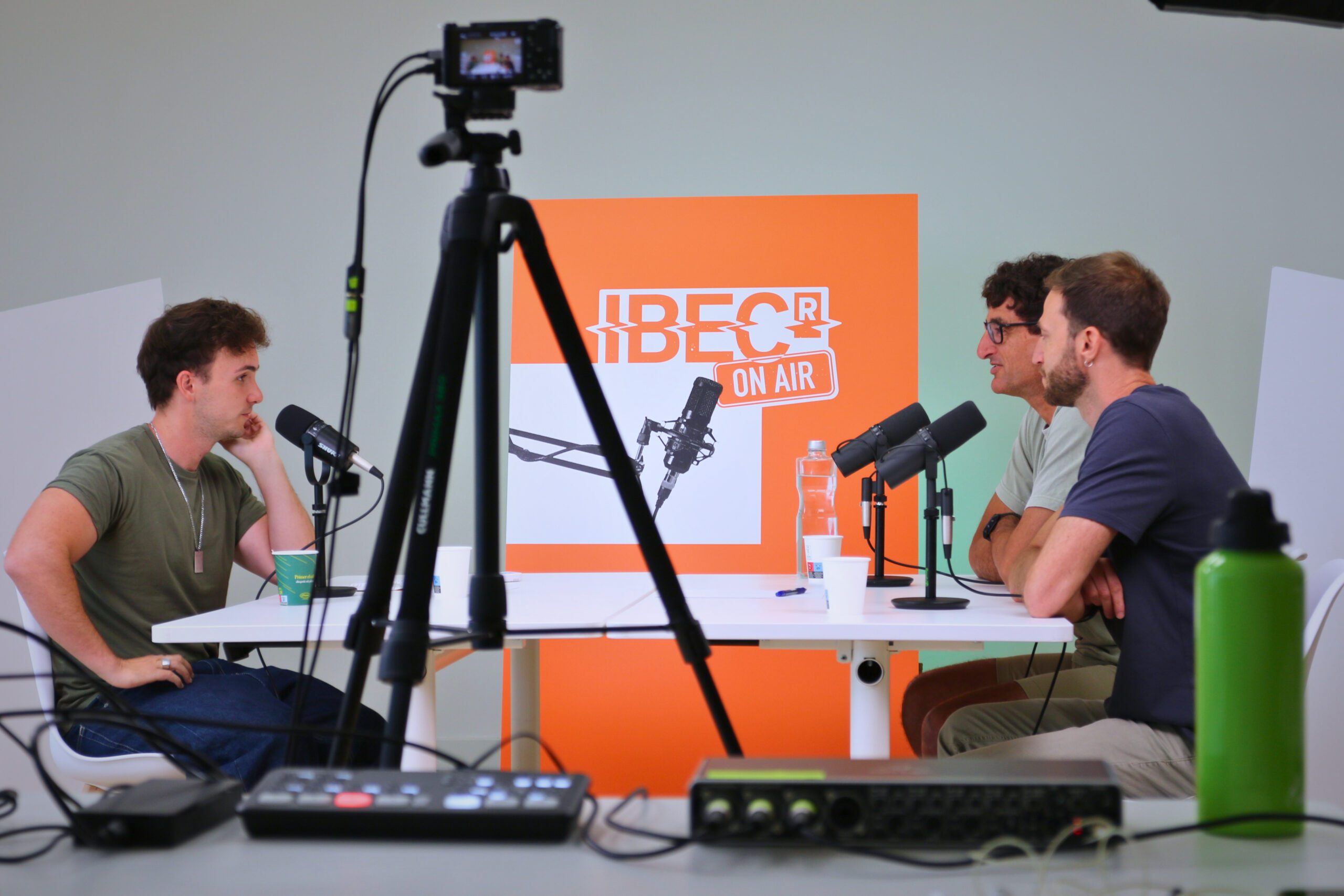
The Institute for Bioengineering of Catalonia (IBEC) has today released the first episode of IBEC On Air, its new science communication podcast and one of the activities marking the institute’s 20th anniversary. Across seven episodes of around 20 minutes each, researchers from the institute talk about their work, the questions that drive it and the journey behind each project. The podcast is available on Spotify, iVoox, Apple Podcasts and YouTube.

PHYS.ORG: Prolonged stretching reorganizes tissue scaffolds and uncages cell nuclei

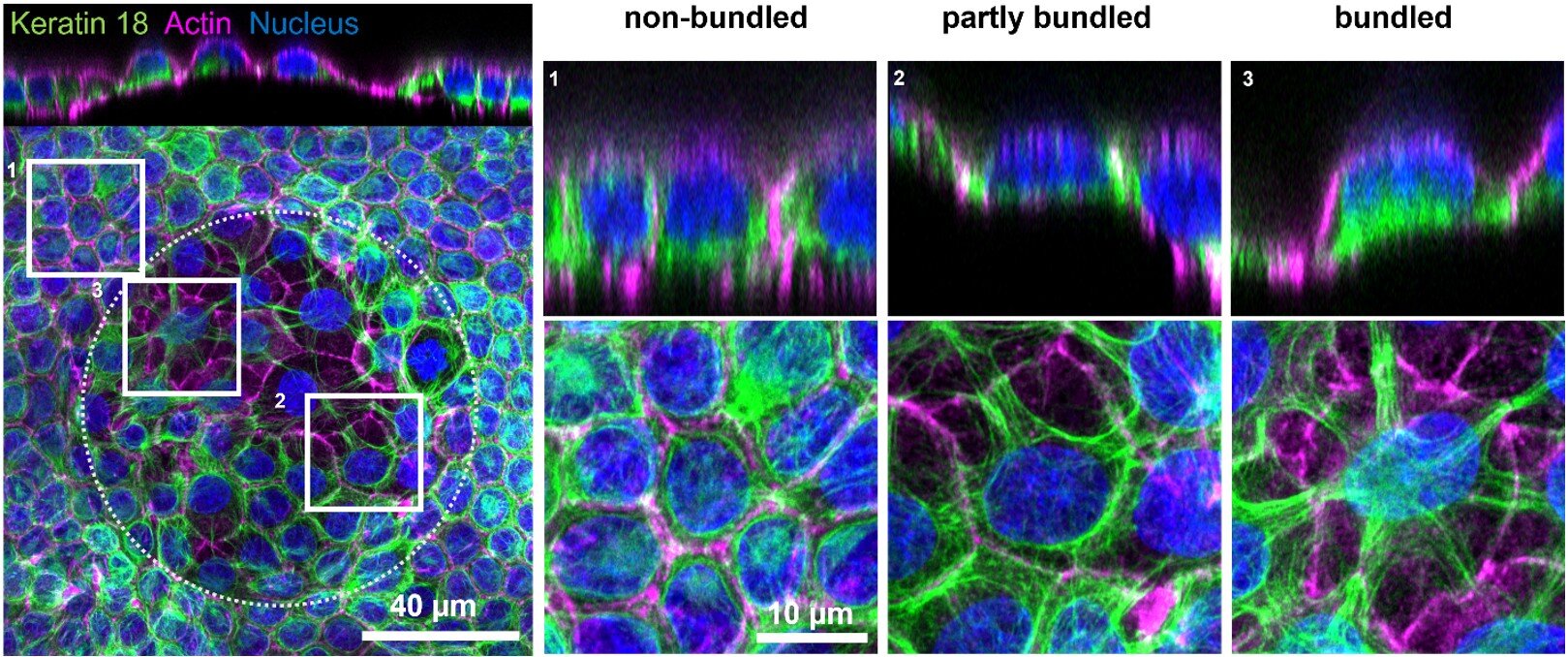
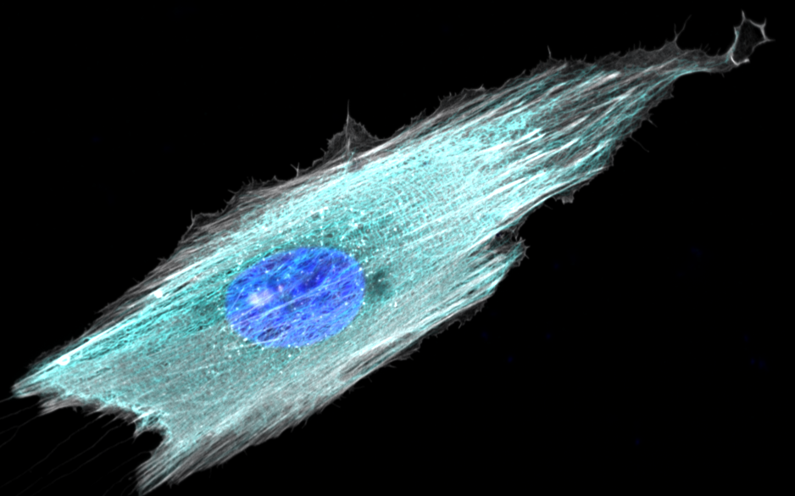
How do tissues cope with being stretched for hours or even days? A study led by researchers at the Institute for Bioengineering of Catalonia (IBEC) has uncovered an unexpected answer: Cells radically reorganize their internal scaffolding and, in the process, release their nuclei from a protective keratin network.

IBEC to participate in Flagship European Grant for the Physics of Living Matter

Xavier Trepat and his team at the Institute for Bioengineering of Catalonia (IBEC) are key partners in ALIVE: Active Living Matter — Information, Vitality, and Emergence, an international research programme selected for funding through the first European edition of the Novo Nordisk Foundation Challenge Programme. Coordinated by the Niels Bohr Institute in Copenhagen, the project will receive 75 million DKK (around €10 million) over six years to uncover how information flows drive the emergence, organisation and function of living tissues.

IBEC launches the exhibition ‘Open Dialogues’ with three co-creation projects at the intersection of art and science

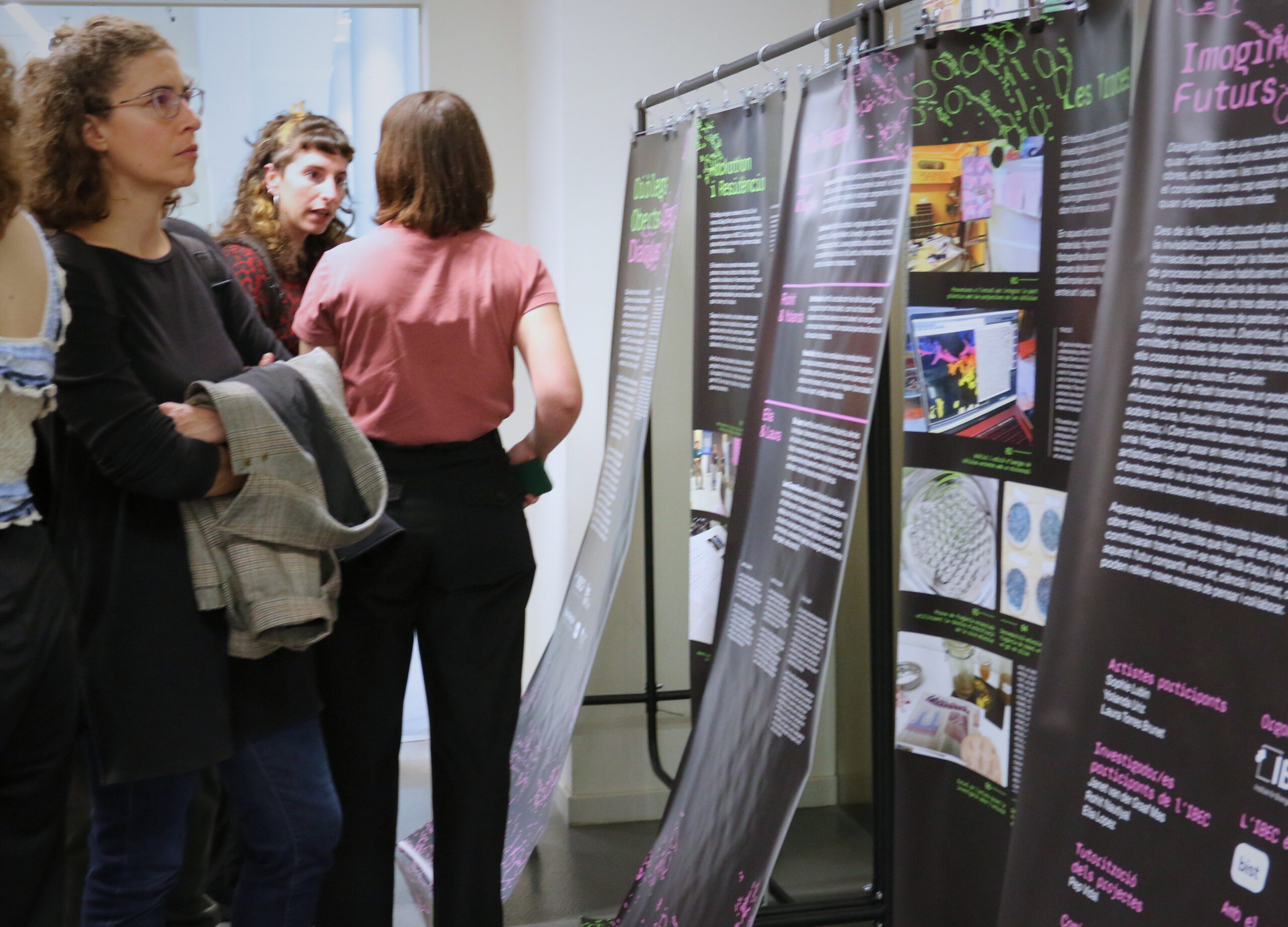
On 13 May, the Institute of Bioengineering of Catalonia opened an exhibition featuring three collaborative works created through the first edition of “Open Dialogues”, a programme that brings together artists and IBEC researchers. Addressing issues such as gender bias in healthcare, the sensory translation of cellular processes and the parallels between artistic and scientific practices based on the olfactory experience, the pieces were created through a dialogue between art and science.

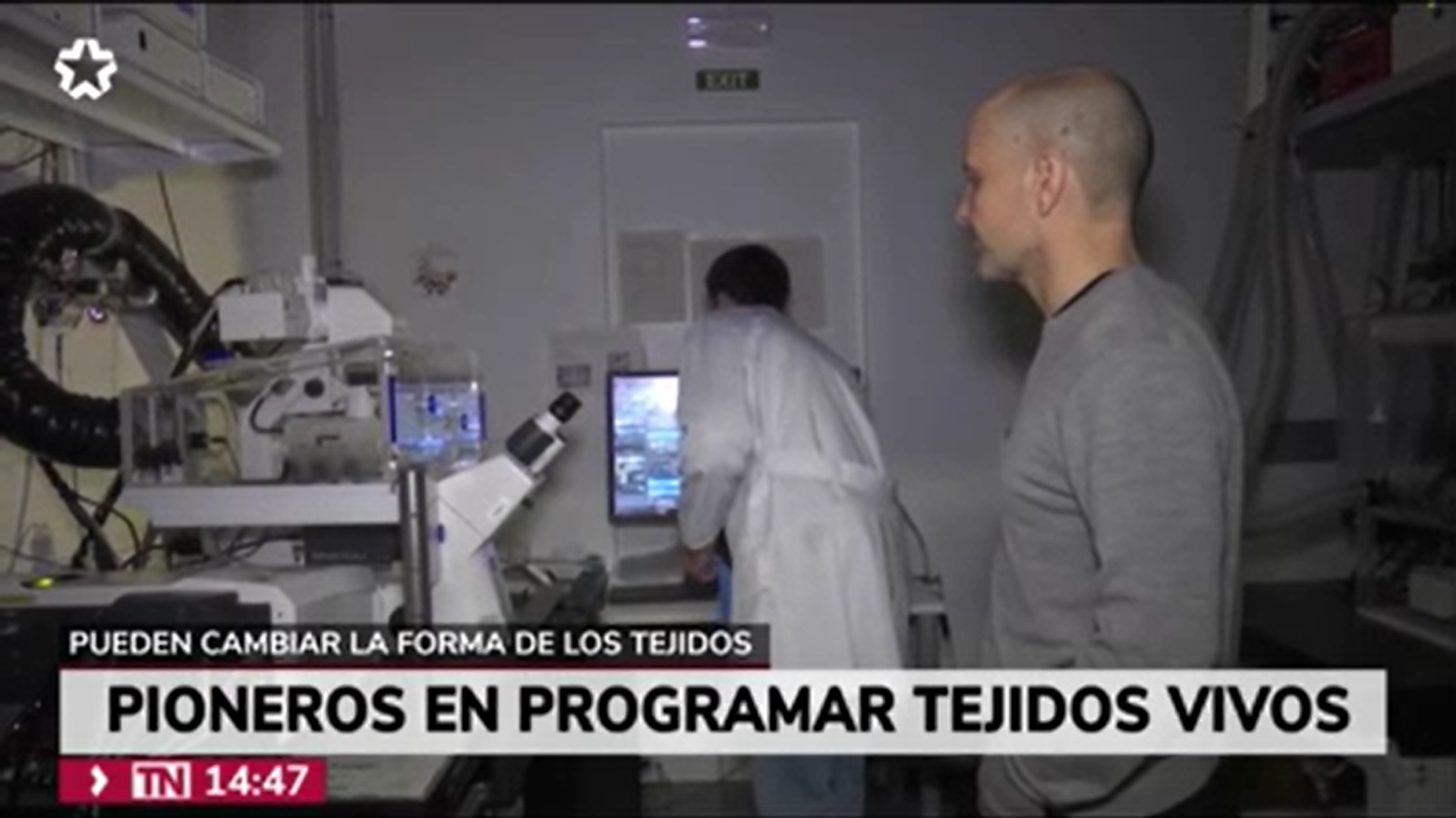
TN – TELEMADRID: Pioneros en programar tejidos vivos

Un equipo internacional liderado por investigadores del Instituto de Bioingeniería de Cataluña ha conseguido algo que hasta ahora solo se había imaginado en la ciencia ficción, crear tejidos vivos que son capaces de cambiar de manera programada. La clave está en controlar la orientación de las células. Declaraciones de Xavier Trepat, Investigador del Instituto de Bioingeniería Cataluña; Pau Guillamat, investigador Instituto de Bioingenieria de Cataluña.

How cells decide when to react could shape future treatments for cancer and fibrosis

Scientists from the Institute for Bioengineering of Catalonia (IBEC) and King’s College London have discovered that cells do not just sense mechanical forces but also measure how long those forces last before responding. The findings, published in Nature Materials, reveal a timing mechanism that allows cells to ignore brief mechanical noise while reacting to sustained changes, a process that is crucial in diseases such as cancer and fibrosis.