EL ECONOMISTA: Lumiris fabrica las primeras unidades de su plataforma para revolucionar la reproducción asistida

La biotecnológica española Lumiris avanza en su nueva ronda de financiación tras captar ocho millones.

La biotecnológica española Lumiris avanza en su nueva ronda de financiación tras captar ocho millones.
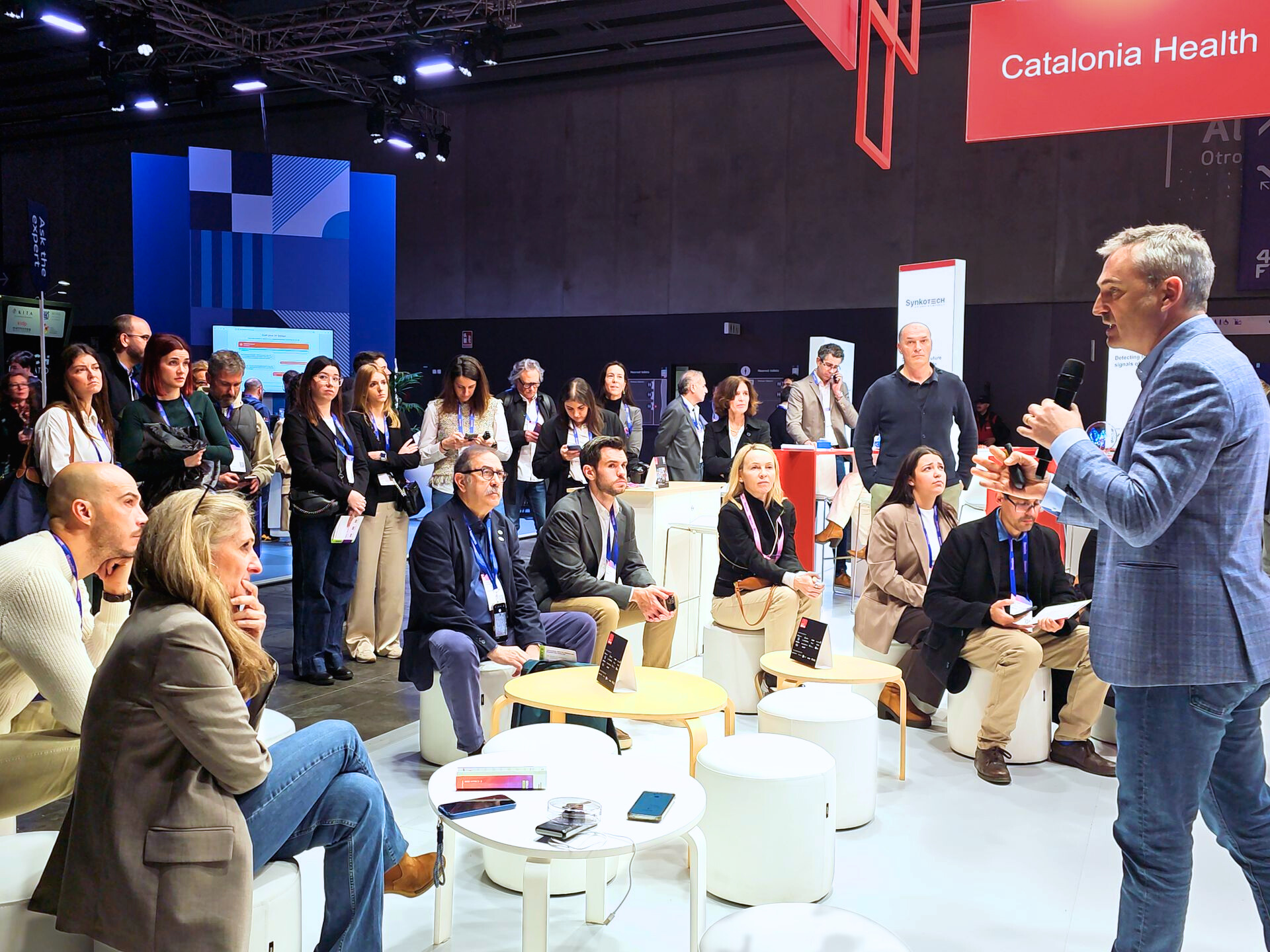
Last week, Barcelona played host to MWC26, the world’s premier technology and connectivity event. The Institute for Bioengineering of Catalonia was in attendance, showcasing some of its spin-offs and state-of-the-art biomedical technologies, including: Nanobots Therapeutics, Lumiris Spectral Solutions, and Drug4Sight.
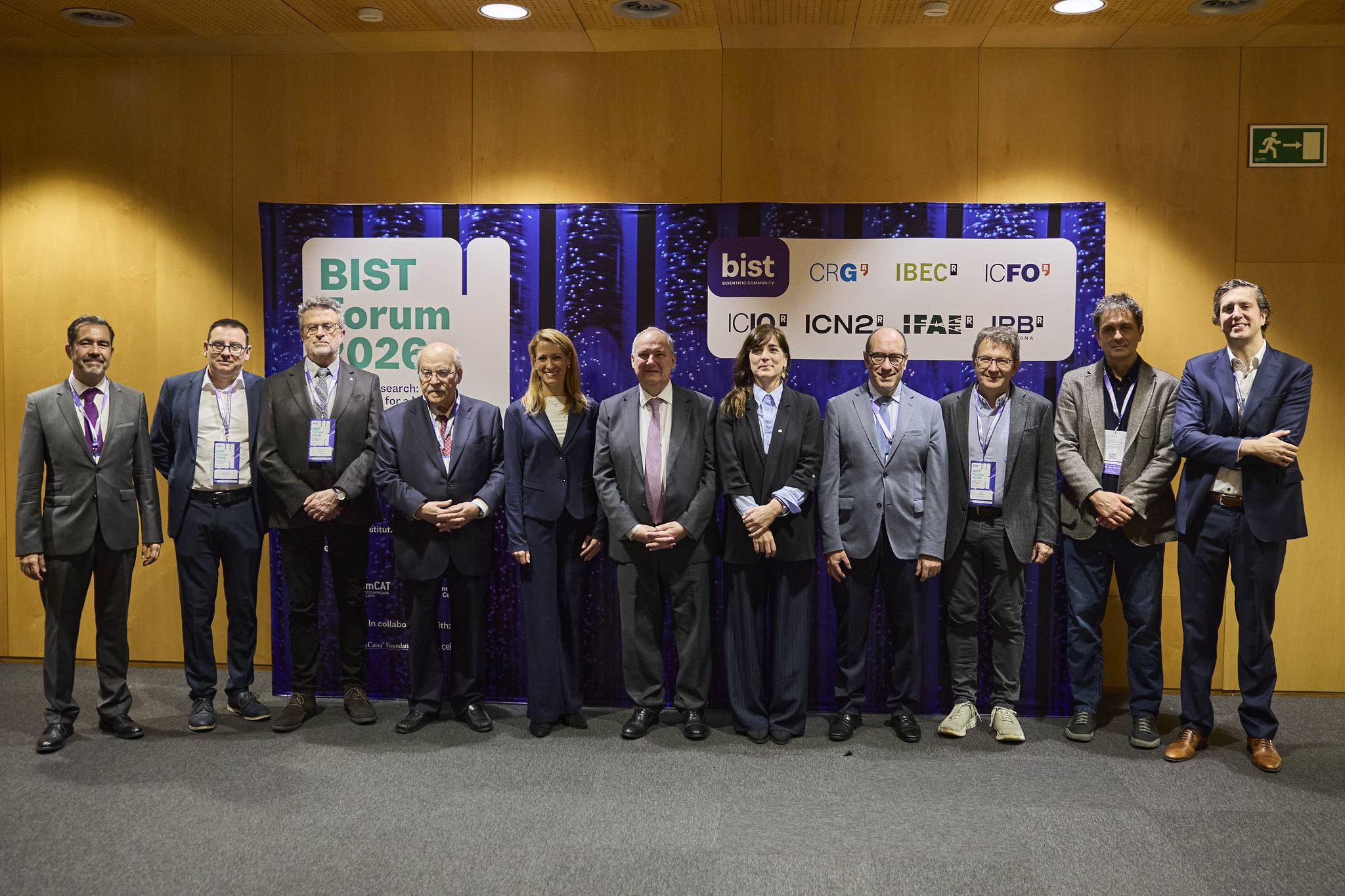
The BIST Forum 2026 brought together scientists and representatives from academic, economic and social institutions to discuss how frontier research can help build Europe’s industries of the future. The event also announced the recipients of the BIST To the Mothers of Science and Ignite programmes.

IBEC has been awarded three grants in response to the call for proposals from the Strategic Plan for Health Research and Innovation (PERIS). These projects aim to validate hyperspectral technology for improving assisted reproduction, using bioprinted cell spheroids to combat type 1 diabetes and developing light-activated drugs to restore vision in patients with retinal degeneration.
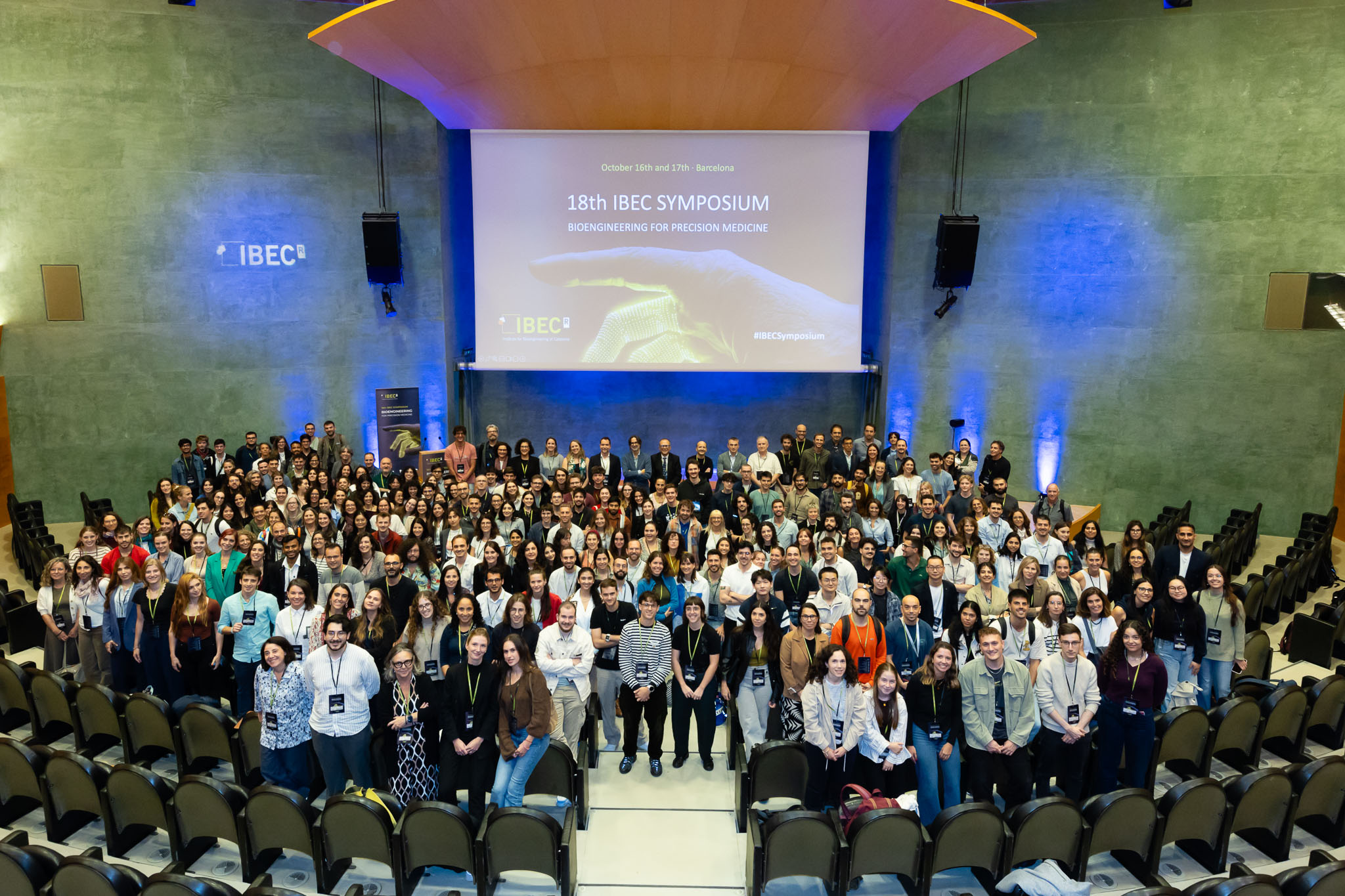
The 18th annual IBEC Symposium focused on ‘Bioengineering for Precision Medicine’, which is one of IBEC’s key areas of application. The event was attended by nearly 300 people, including local and international researchers. The multidisciplinary environment provided experts from other centres and the IBEC community with the opportunity to present their projects and exchange knowledge.
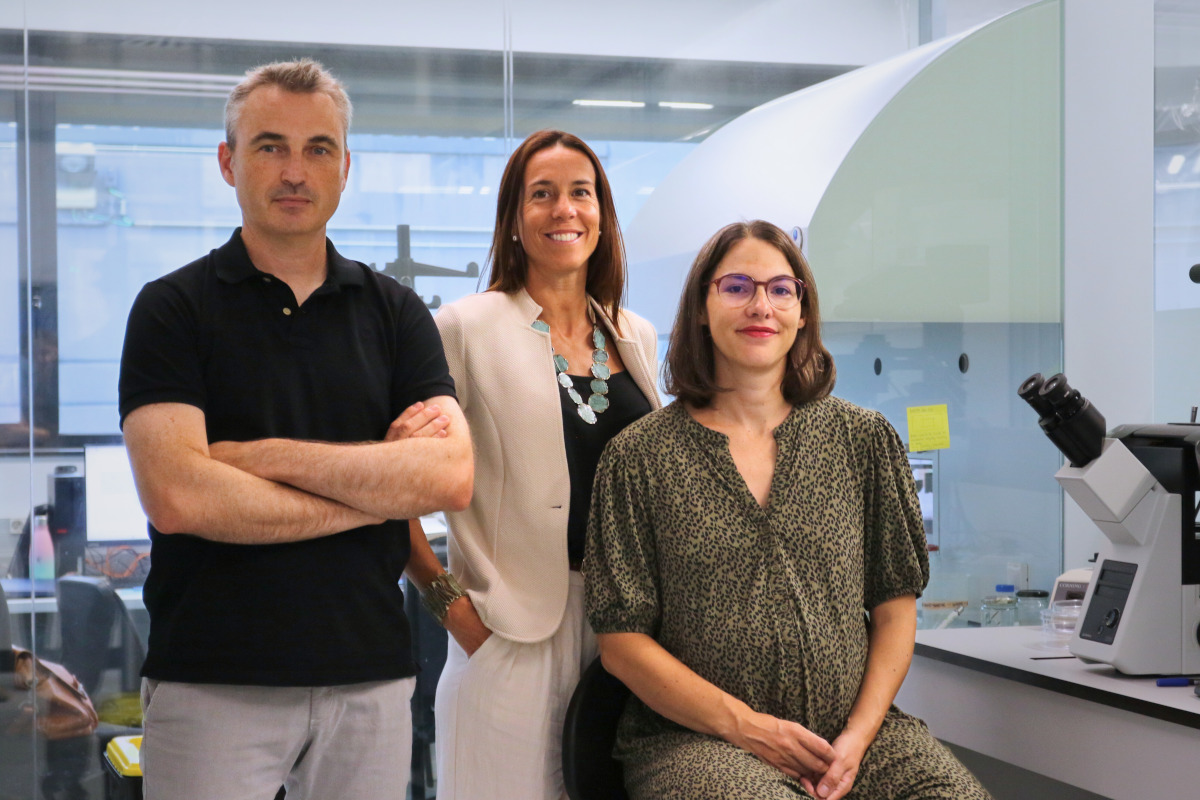
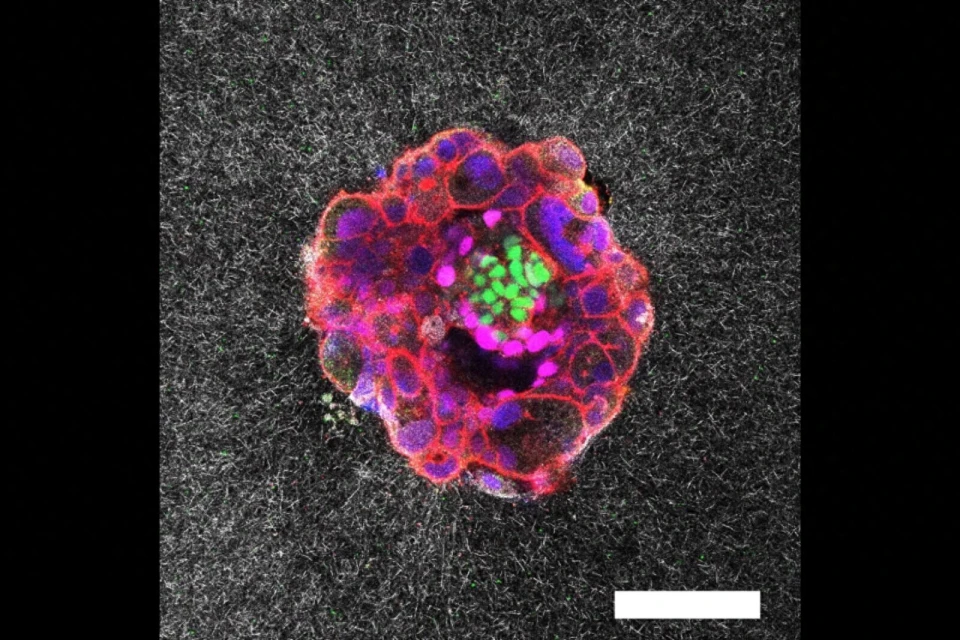
Un vídeo hecho en Barcelona documenta por primera vez en un modelo artificial de matriz la implantación, momento crítico y gran desconocido del embarazo humano.
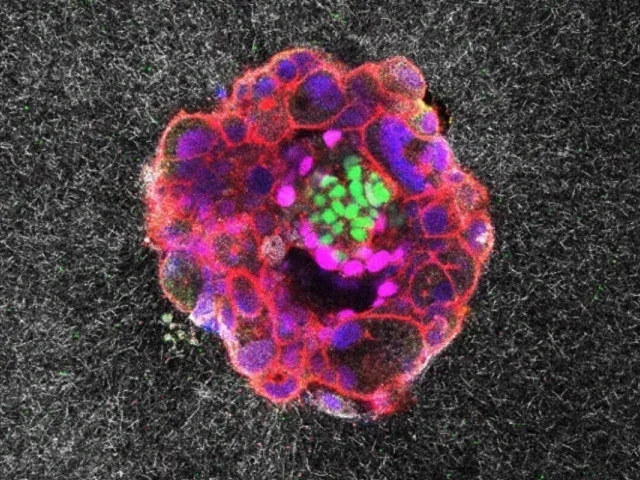
Il momento clou della gestazione è stato catturato per la prima volta da alcuni ricercatori dell’Istituto di Bioingegneria della Catalogna. La nuova tecnica potrebbe aiutare gli scienziati a scoprire come prevenire gli aborti spontanei
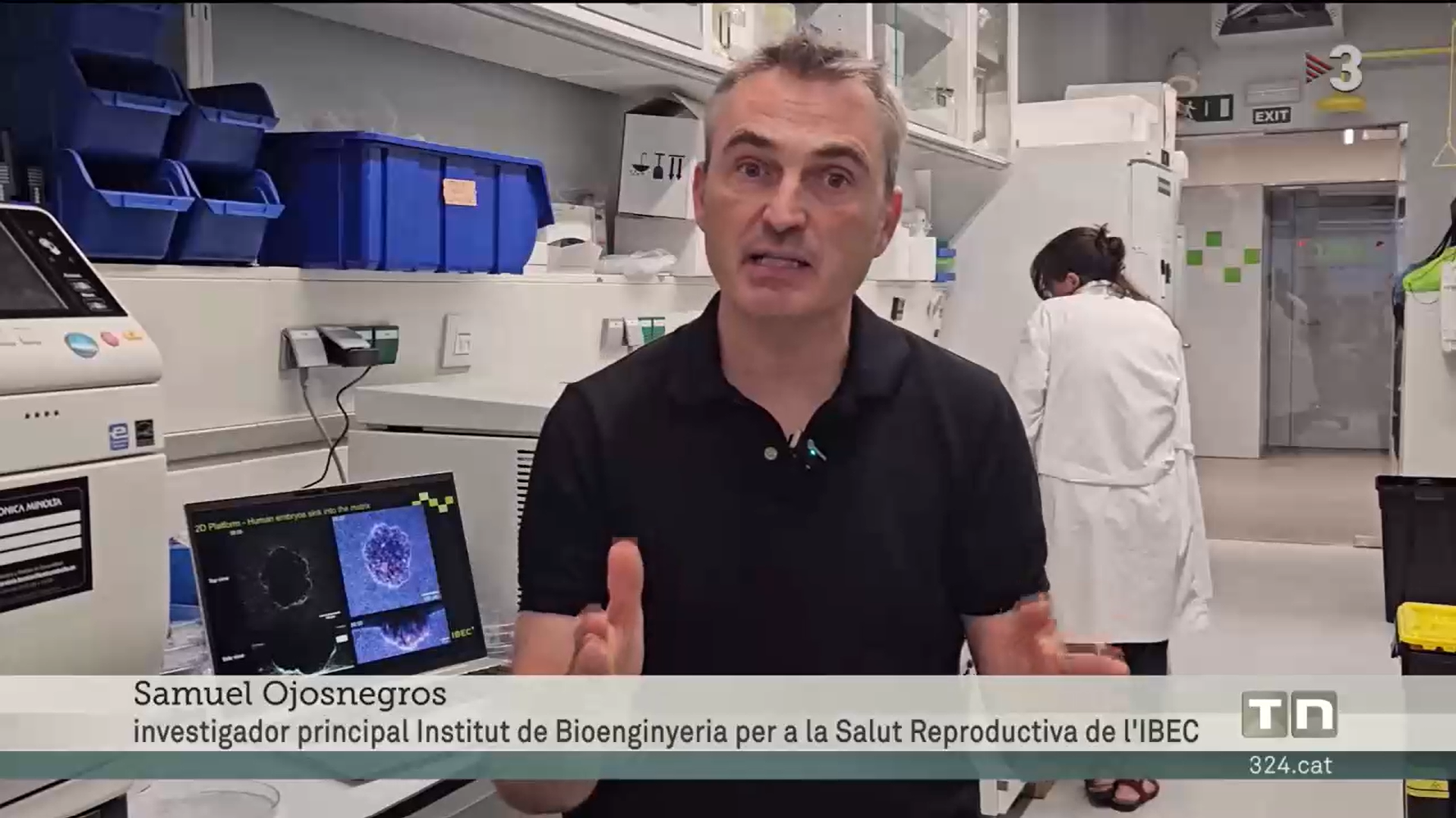
Un grupo de investigadores del Instituto de Bioingeniería de Cataluña han logrado grabar la implantación de un embrión humano en tiempo real. Lo han hecho in vitro recreando las condiciones del útero. Los resultados de la investigación servirán para mejorar la fertilidad. Declaraciones de Samuel Ojosnegros, investigador principal Instituto de Bioingeniería de Cataluña; Amélie Godeau, autora del estudio.
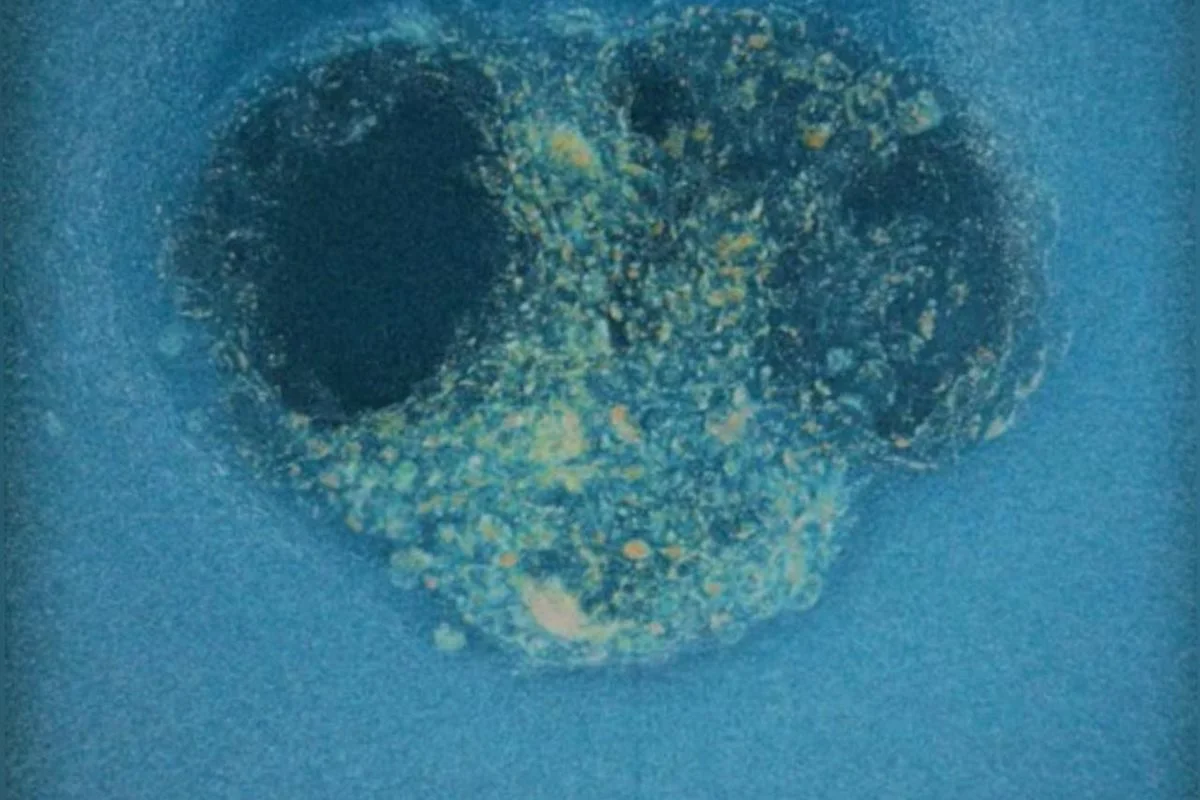
Imagens inéditas revelam como embriões humanos invadem o tecido uterino e explica causa comum de infertilidade