On 18 June, the results were announced for the 36 research projects funded by La Marató de 3Cat through its 2020 special call for proposals dedicated to tackling the novel coronavirus (SARS-CoV-2). The Institute for Bioengineering of Catalonia (IBEC) participated in three of these projects, which aimed to deepen our understanding of the disease and improve its diagnosis and clinical monitoring.
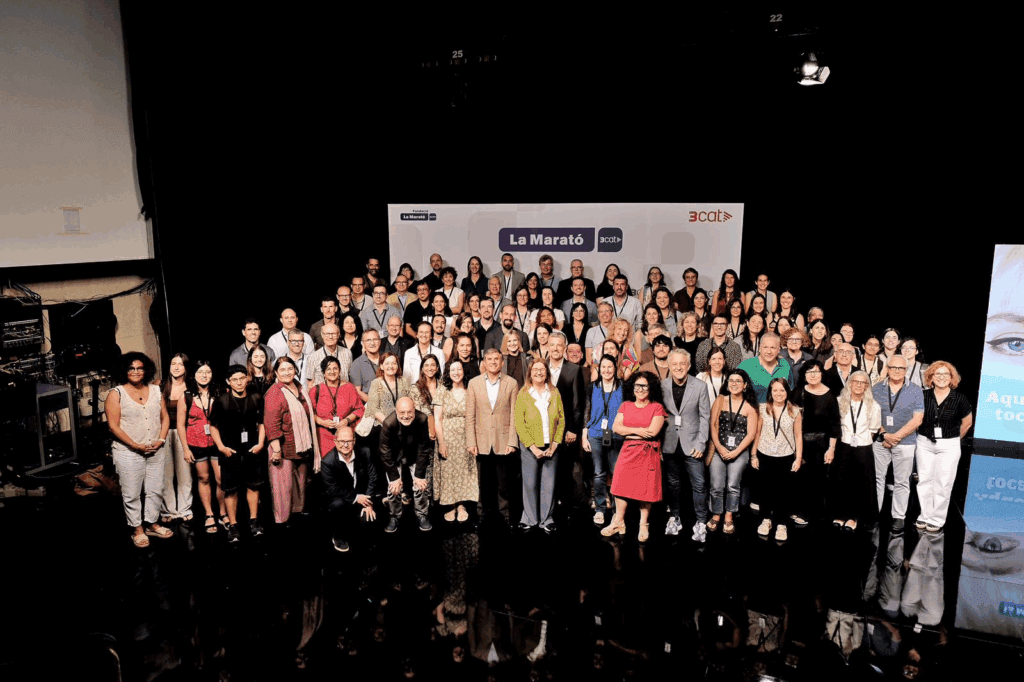
The Institute for Bioengineering of Catalonia (IBEC) was involved in three of the 36 research projects funded by La Marató de 3Cat as part of its 2020 special call for proposals dedicated to tackling the effects of the SARS-CoV-2 virus. Six years later, the La Marató Foundation published the results of this significant investment, which totalled almost 14 million euros and involved 98 research teams.
The projects involving IBEC have improved our understanding of the biological mechanisms of SARS-CoV-2 and helped develop new tools for diagnosing and monitoring the disease, particularly in patients with severe respiratory involvement.
New models for understanding infection and identifying therapeutic targets
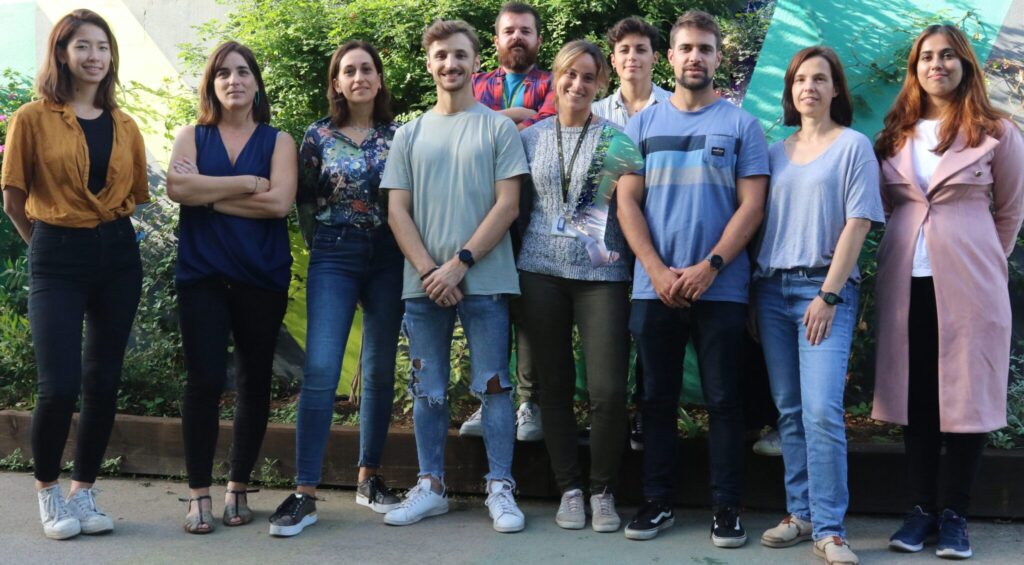
One of the projects, SYSTORG, was coordinated by Dr Núria Montserrat (an ICREA Research Professor at IBEC who led the Pluripotency for Organ Regeneration groupv at the time of the study) and brought together an international consortium comprising Dr Josef Penninger‘s team at the Medical University of Vienna and Dr Ali Mirazimi‘s team at the Karolinska Institute in Stockholm (LABMED), to study the effect of different systemic conditions on SARS-CoV-2 infection. Using organoids derived from human pluripotent stem cells and genetic engineering tools, the team developed advanced models that more accurately replicated the complexity of human tissue.
The results showed that metabolic processes linked to diabetes made people more susceptible to infection and helped to identify key cellular receptors and biomarkers in the early stages of the disease. Furthermore, the project helped validate a therapeutic compound that is currently in clinical trials, opening up new avenues for personalised therapy development.
Non-invasive monitoring of respiratory patterns
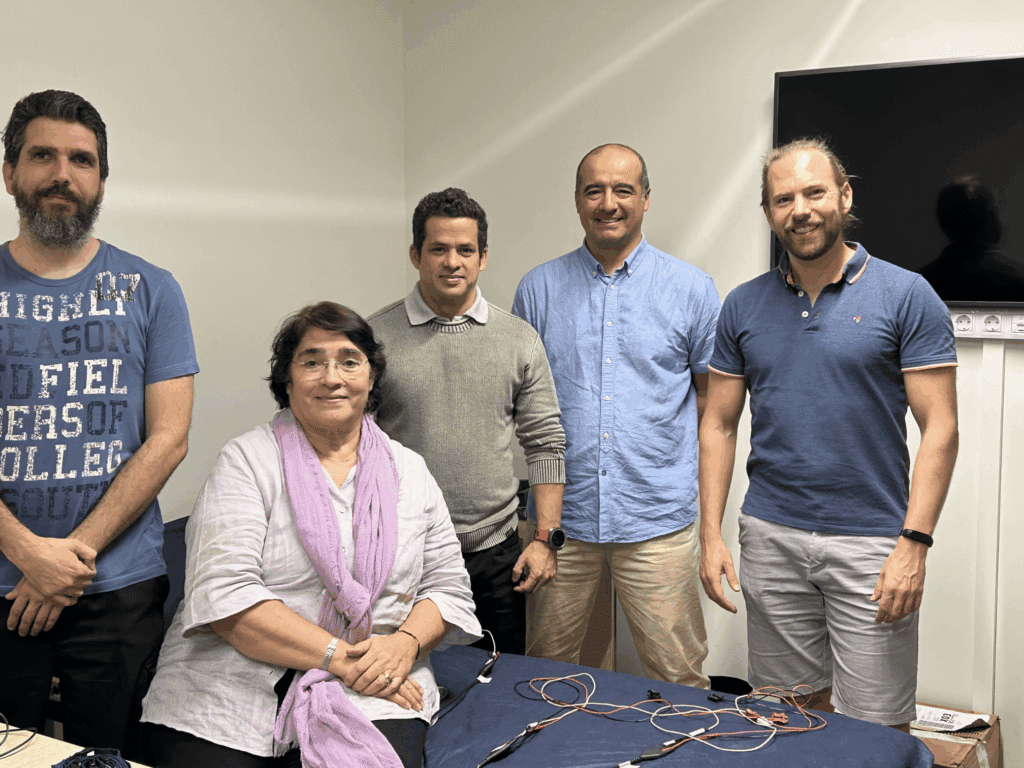
The second project, led by Dr Arantxa Mas (Santa Creu i Sant Pau Hospital Research Institute) and Dr Beatriz Giraldo (senior researcher in the Biomedical Signal Processing and Interpretation (BIOSPIN) group at IBEC), centred on continuously monitoring respiratory patterns in patients with severe pneumonia caused by SARS-CoV-2.
The study demonstrated that measuring the air temperature inside a mask enabled key parameters such as respiratory rate and tidal volume to be determined. The researchers also observed that a decrease in respiratory pattern variability could act as an early predictor of a poor clinical outcome.
These results represent a step towards more accessible, continuous monitoring systems with the potential to improve patient monitoring and optimise clinical decision-making. However, further studies are required before they can be implemented in routine practice.
Predicting prognosis in critically ill patients
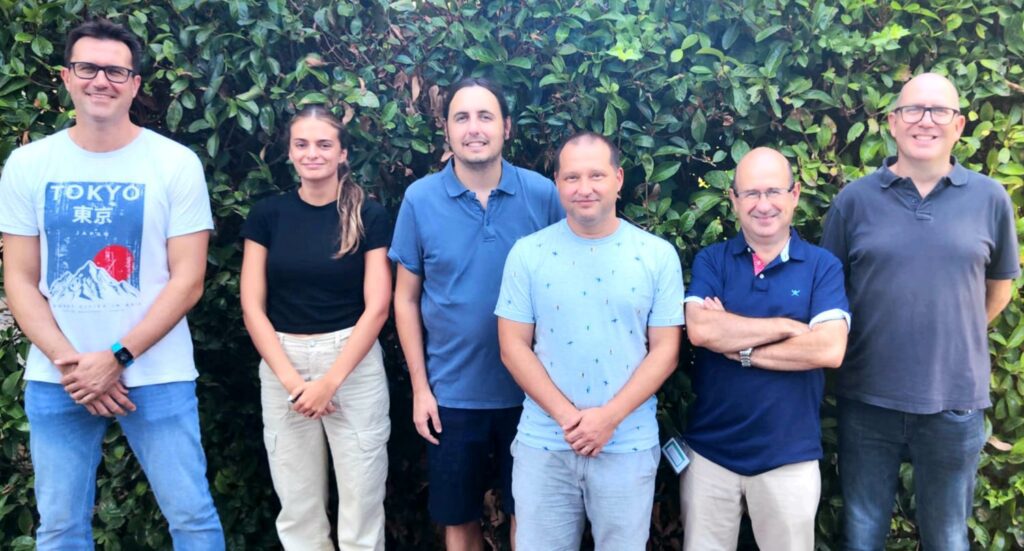
The CoRespiRomics project, led by Dr Joan Ramon Masclans (Hospital del Mar Institute for Medical Research) and Dr Santiago Marco (principal investigator of the Signal and Information Processing for Sensing Systems group at IBEC), finally addressed the need to predict the clinical course of critically ill patients with COVID-19 undergoing non-invasive respiratory therapies.
The researchers identified nine metabolomic biomarkers combined with two clinical criteria that enabled more accurate prediction of treatment response than previous indicators. This approach could help identify those patients at risk of a poor outcome at an early stage and enable faster clinical decisions to be made, such as the need for intubation, thereby improving the prognosis.
Solidarity-driven research
Against the backdrop of the pandemic, La Marató 2020 raised an exceptional total of 13.8 million euros, enabling the first major investment in research into an emerging infectious disease. The 36 funded projects involved over 850 researchers, all working towards the common goal of improving the diagnosis, treatment and prevention of the disease.
The results presented demonstrate how significant advances were generated in record time by research driven by public solidarity, helping to improve the response to an unprecedented global health crisis.
By participating in three of these projects, IBEC is strengthening its position in interdisciplinary bioengineering research for health applications and contributing to scientific progress in the fight against the virus.
To find out more about the projects, visit the La Marató website.