DONATE

IBEC launches IBEC On Air, a podcast exploring bioengineering beyond the lab

The Institute for Bioengineering of Catalonia (IBEC) has today released the first episode of IBEC On Air, its new science communication podcast and one of the activities marking the institute’s 20th anniversary. Across seven episodes of around 20 minutes each, researchers from the institute talk about their work, the questions that drive it and the journey behind each project. The podcast is available on Spotify, iVoox, Apple Podcasts and YouTube.

IBEC participates in three projects that have contributed to COVID-19 advances driven by La Marató 2020

On 18 June, the results were announced for the 36 research projects funded by La Marató de 3Cat through its 2020 special call for proposals dedicated to tackling the novel coronavirus (SARS-CoV-2). The Institute for Bioengineering of Catalonia (IBEC) participated in three of these projects, which aimed to deepen our understanding of the disease and improve its diagnosis and clinical monitoring.

TELENOTÍCIES VESPRE | 3Cat: Introdueixen en ronyons de porc organoides renals humans

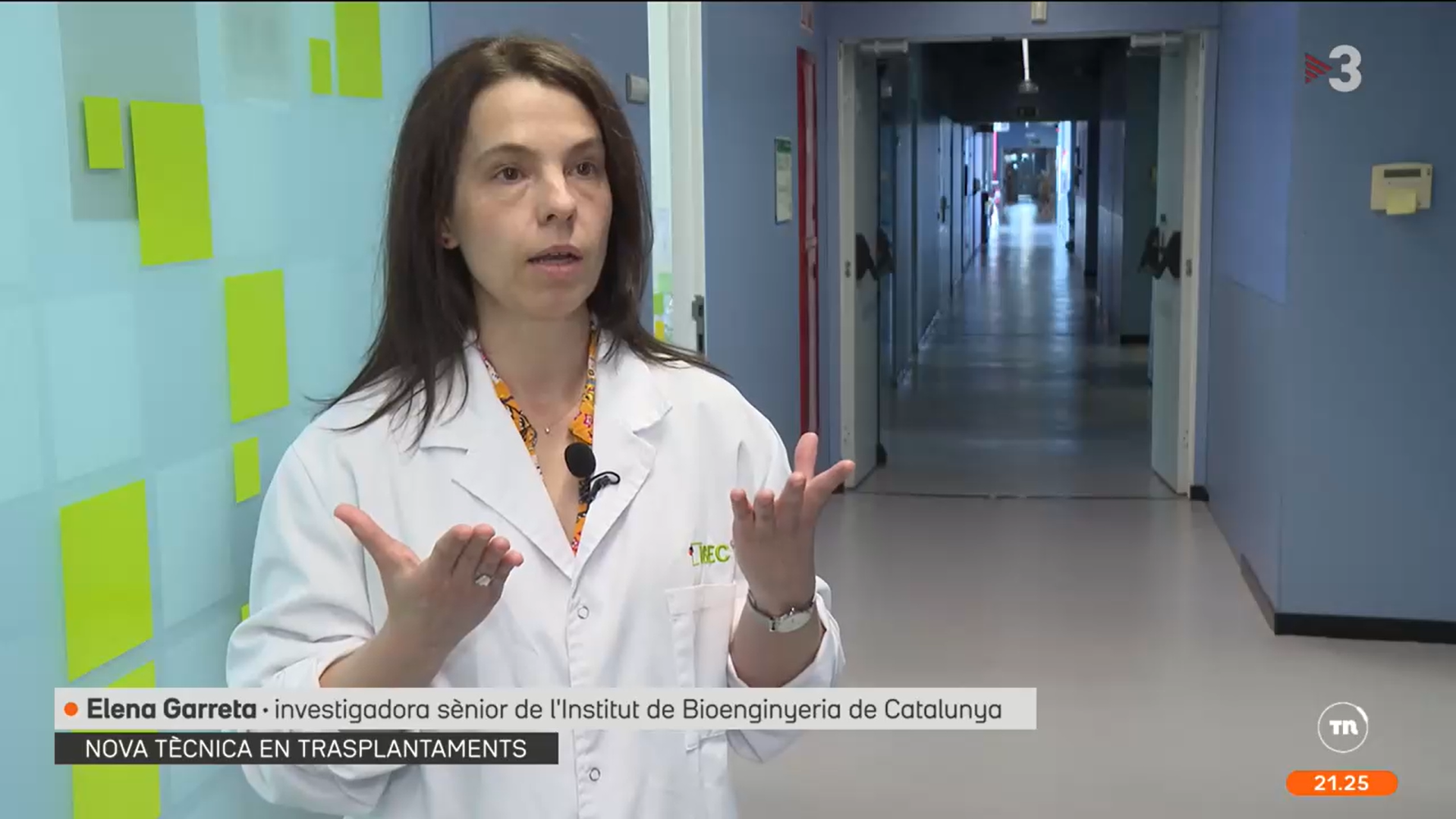
Las hablamos ahora de una técnica pionera que demostra que sería posible reparar un riñón dañado y convertirlo en apto para el trasplante. Investigadoras del Instituto de Bioingeniería de Cataluña lo han experimentado en un riñón de cerdo. Declaraciones de Elena Garreta, Investigadora Senior del Instituto de Bioingenieria de Cataluña.

First transplant in pigs of modified porcine kidneys with human renal organoids

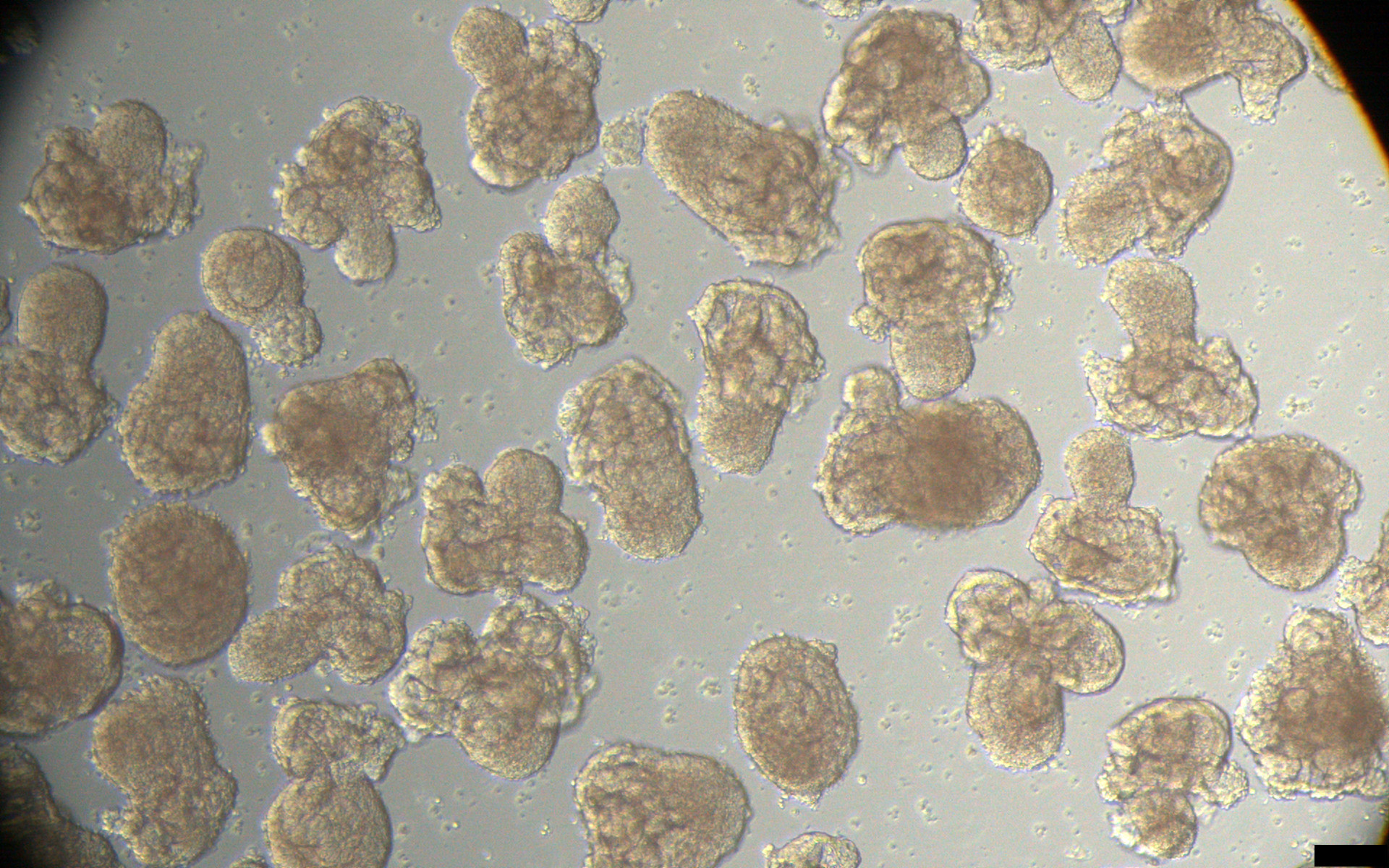
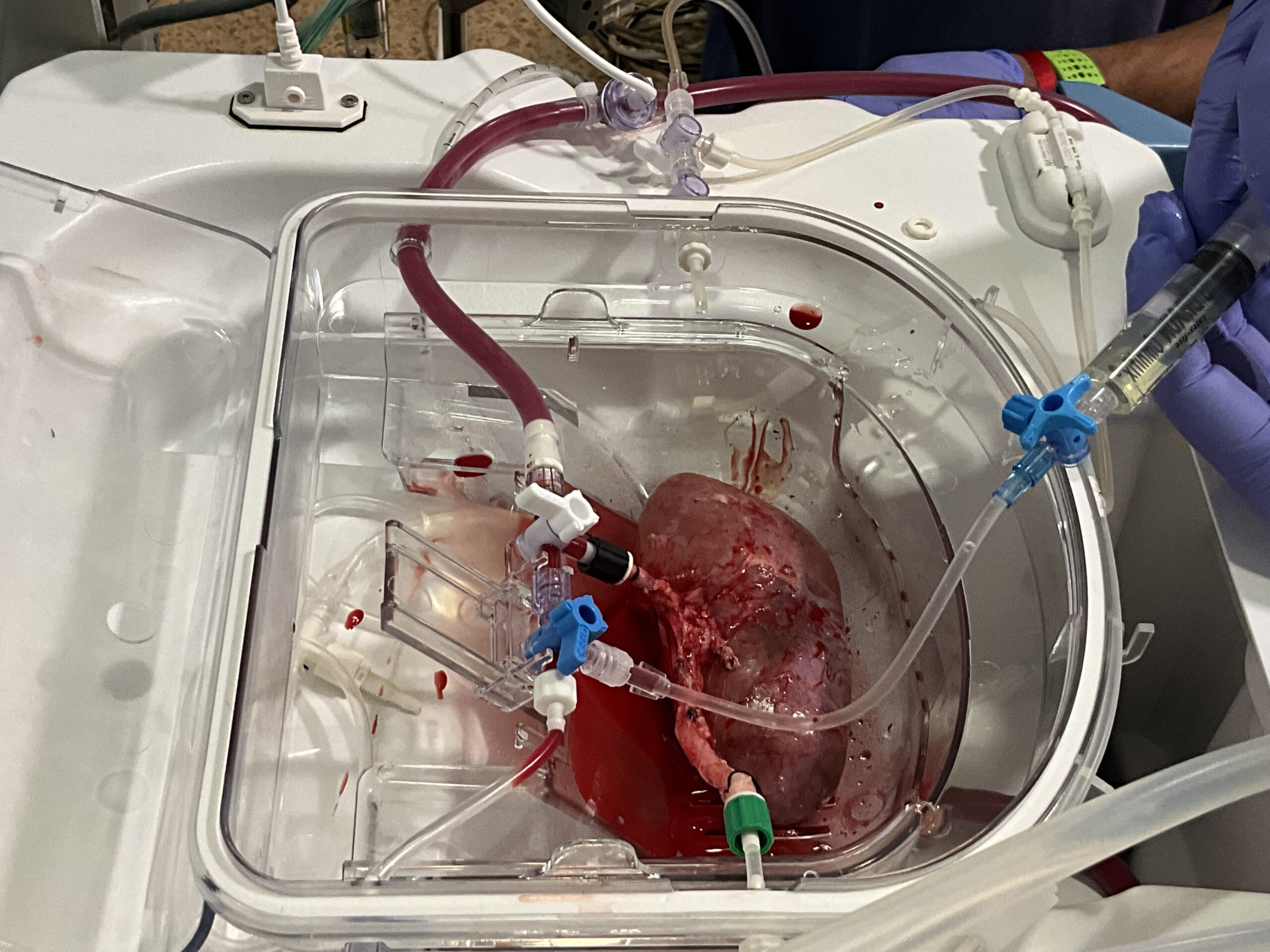
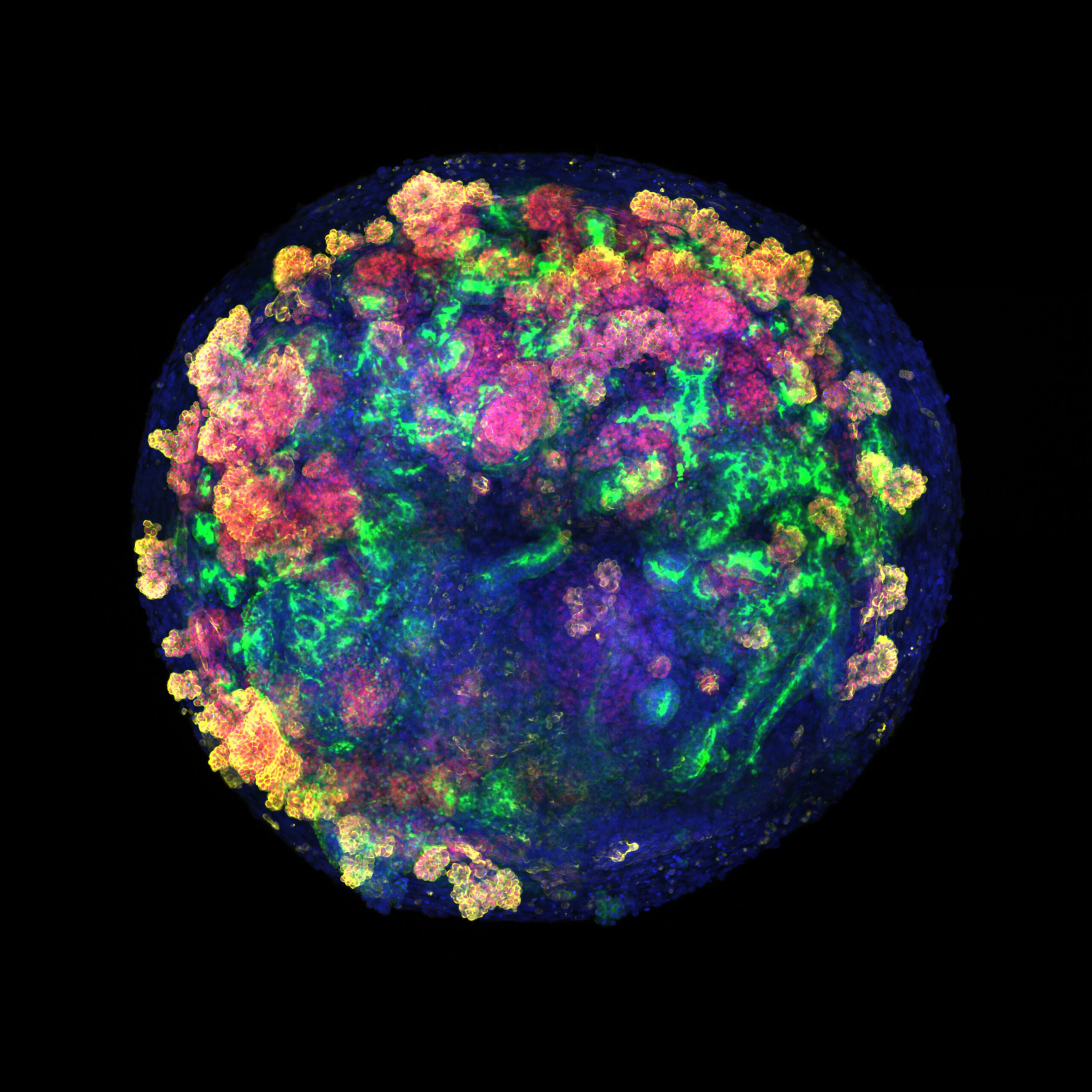
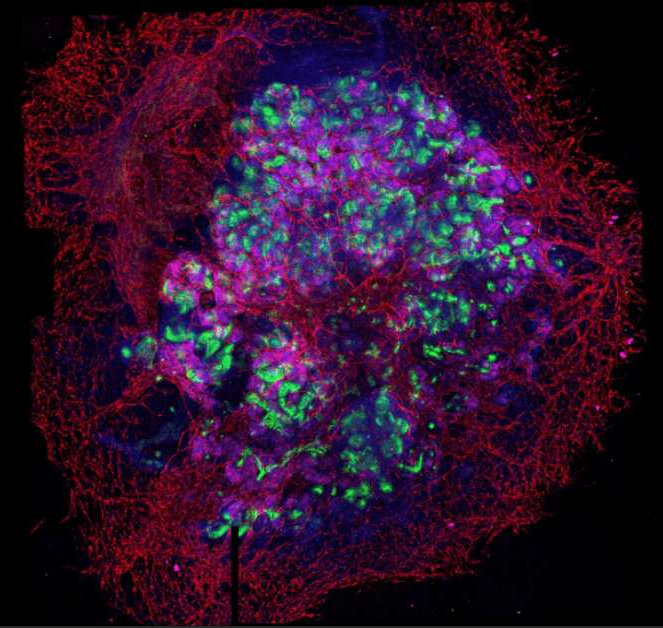
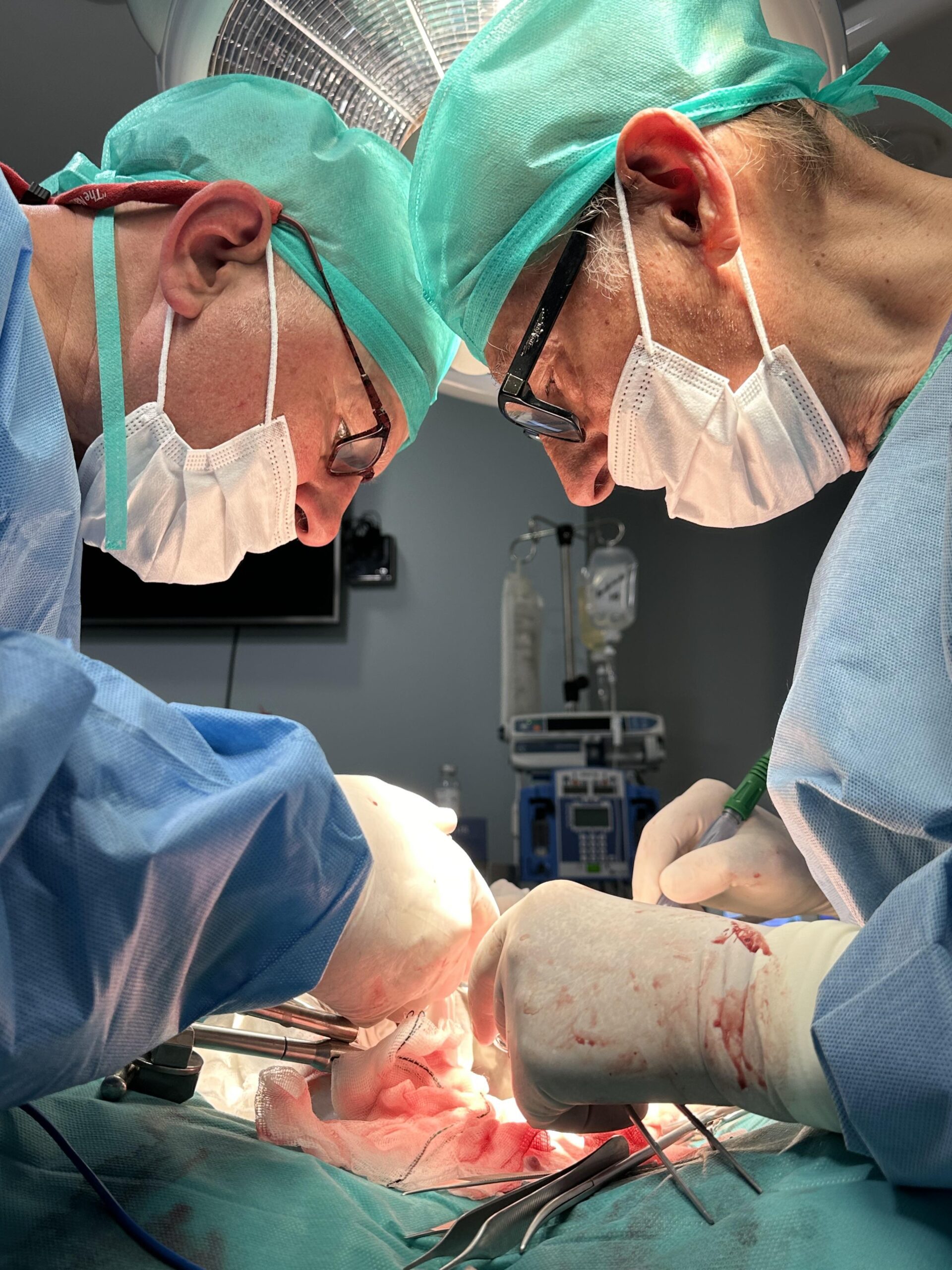
A research team has developed pioneering technology that enables human kidney organoids to be produced on a scalable basis. These organoids can then be combined with pig kidneys outside the body and transplanted back into the same animal in a viable manner. The experiment, led by the Institute for Bioengineering of Catalonia (IBEC), is in the preclinical phase. It confirms the safety and viability of the procedure, paving the way for future trials involving humans. In the long term, this approach could help to extend the useful life of organs intended for transplantation and provide an alternative therapy for patients with chronic kidney disease.