LA VANGUARDIA: El IBEC crea un biomaterial resistente al agua que podría jubilar el plástico
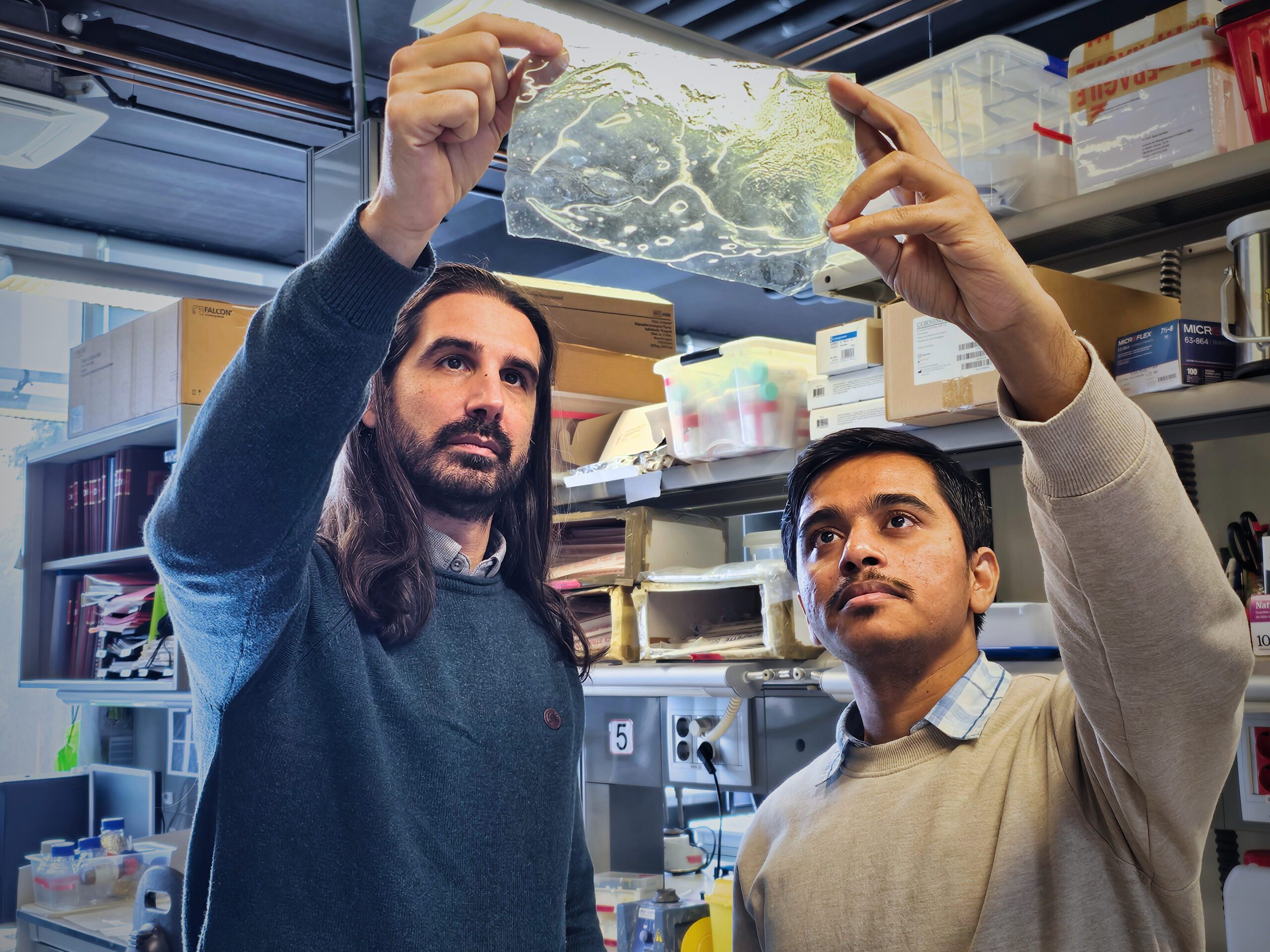
Obtenido a partir de los desechos de cáscaras de gambas, aumenta su fuerza un 50% al mojarse.

Obtenido a partir de los desechos de cáscaras de gambas, aumenta su fuerza un 50% al mojarse.
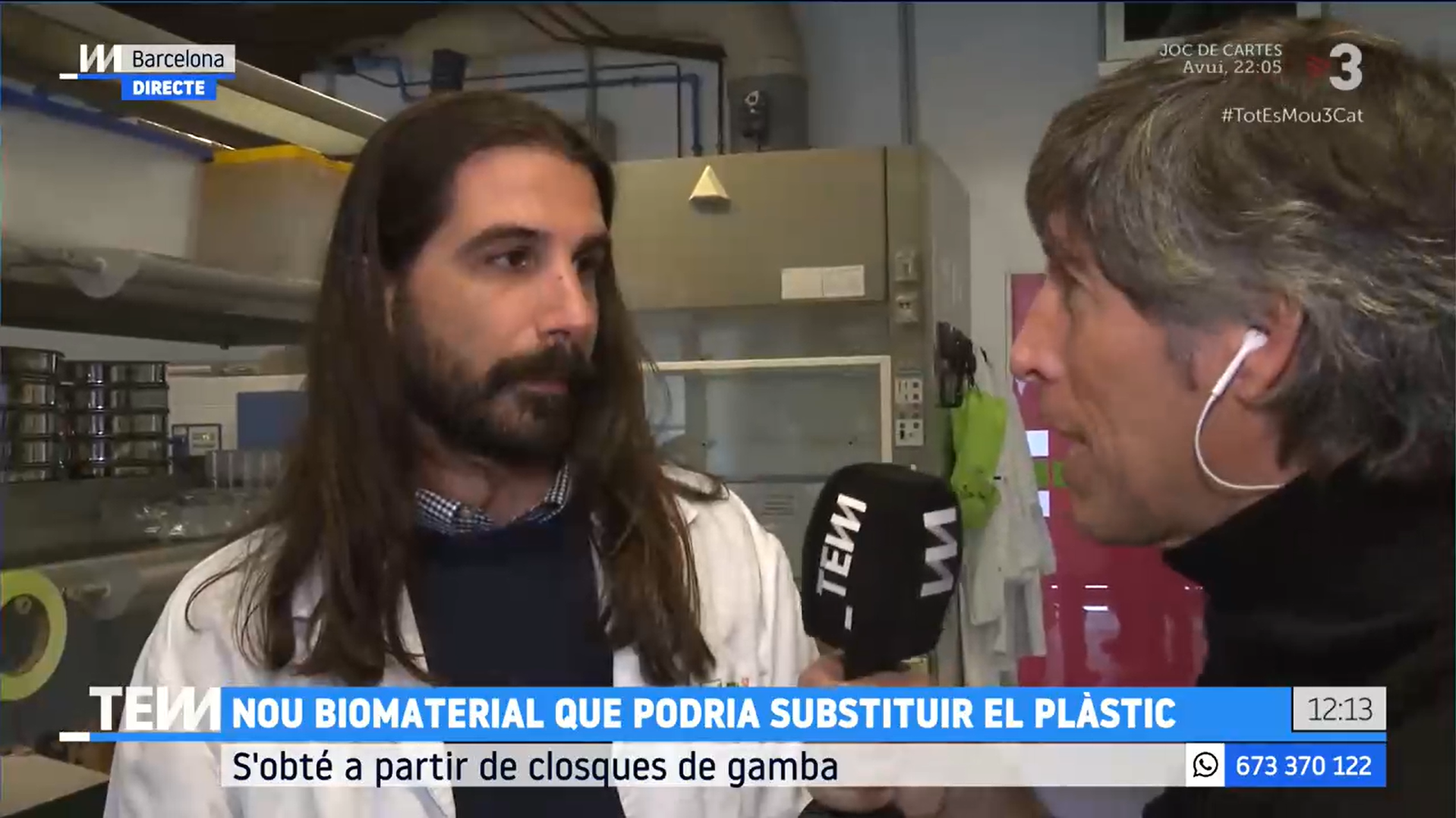
El Instituto de Bioingeniería de Cataluña presenta un nuevo material biológico que aumenta su fuerza cuando se moja y podría suspender el plástico. Conexión en directo desde Barcelona. Declaraciones de Javier Gómez Fernández, profesor ICREA-IBEC.
A new study led by the Institute for Bioengineering of Catalonia (IBEC) has unveiled the first biomaterial that is not only waterproof but actually becomes stronger in contact with water. The material is produced by the incorporation of nickel into the structure of chitosan, a chitinous polymer obtained from discarded shrimp shells. The development of this new biomaterial, published in Nature Communications, marks a departure from the plastic-age mindset of making materials that must isolate from their environment to perform well. Instead, it shows how sustainable materials can connect and leverage their environment, using their surrounding water to achieve mechanical performance that surpasses common plastics.
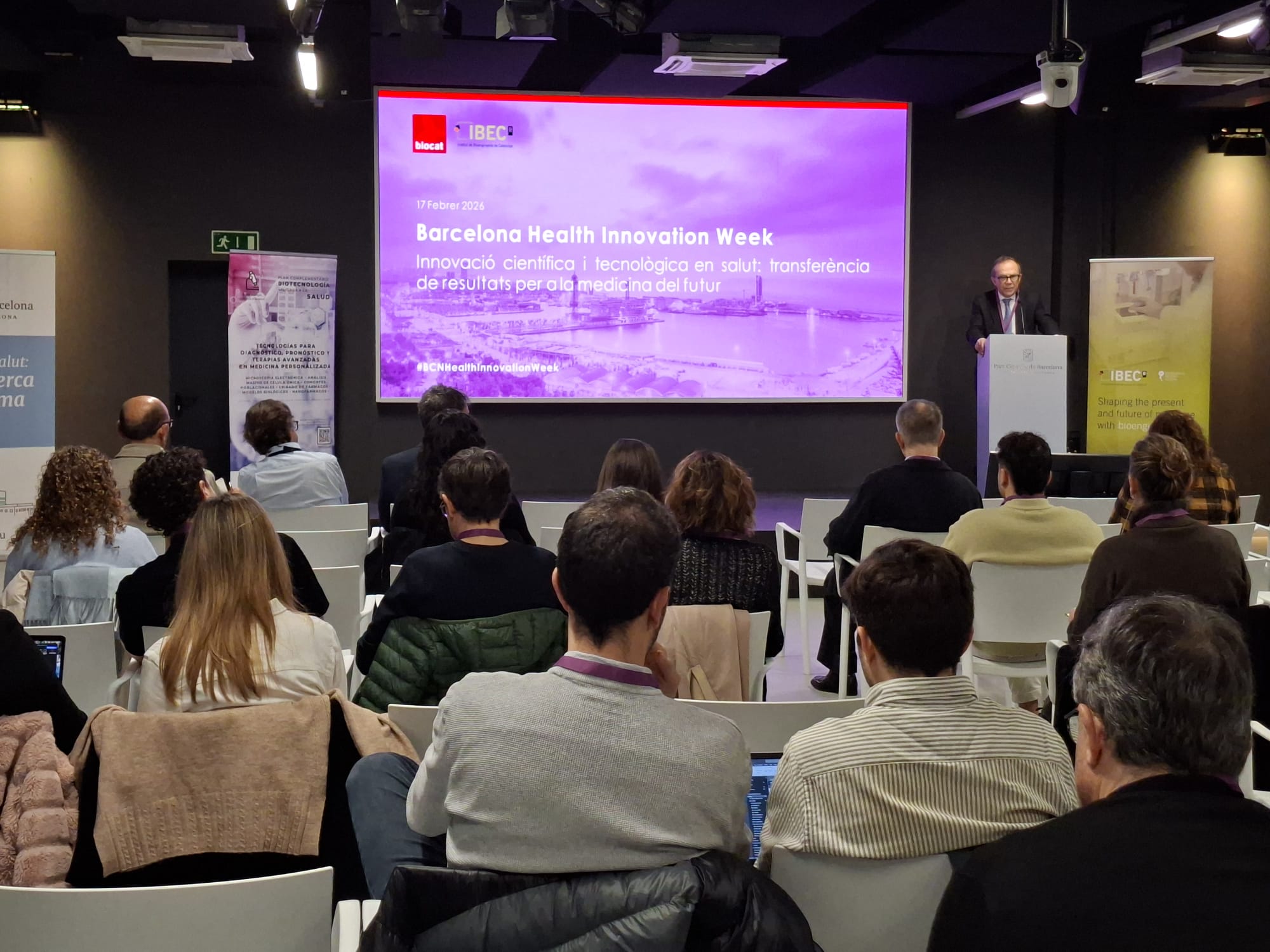
Today, researchers, clinicians and innovation experts gathered at a conference organised by the Institute for Bioengineering of Catalonia (IBEC) as part of Barcelona Health Innovation Week 2026. The conference focused on accelerating the transfer of results towards a more personalised, preventive and sustainable future of medicine. The session emphasised the importance of strengthening interdisciplinary alliances to bring scientific advances to patients sooner, and highlighted the role of the Catalan biomedical ecosystem and the progress made by the Complementary Plan for Biotechnology Applied to Health in Catalonia.

Ref: ST-RJ // Deadline: 02/03/2026
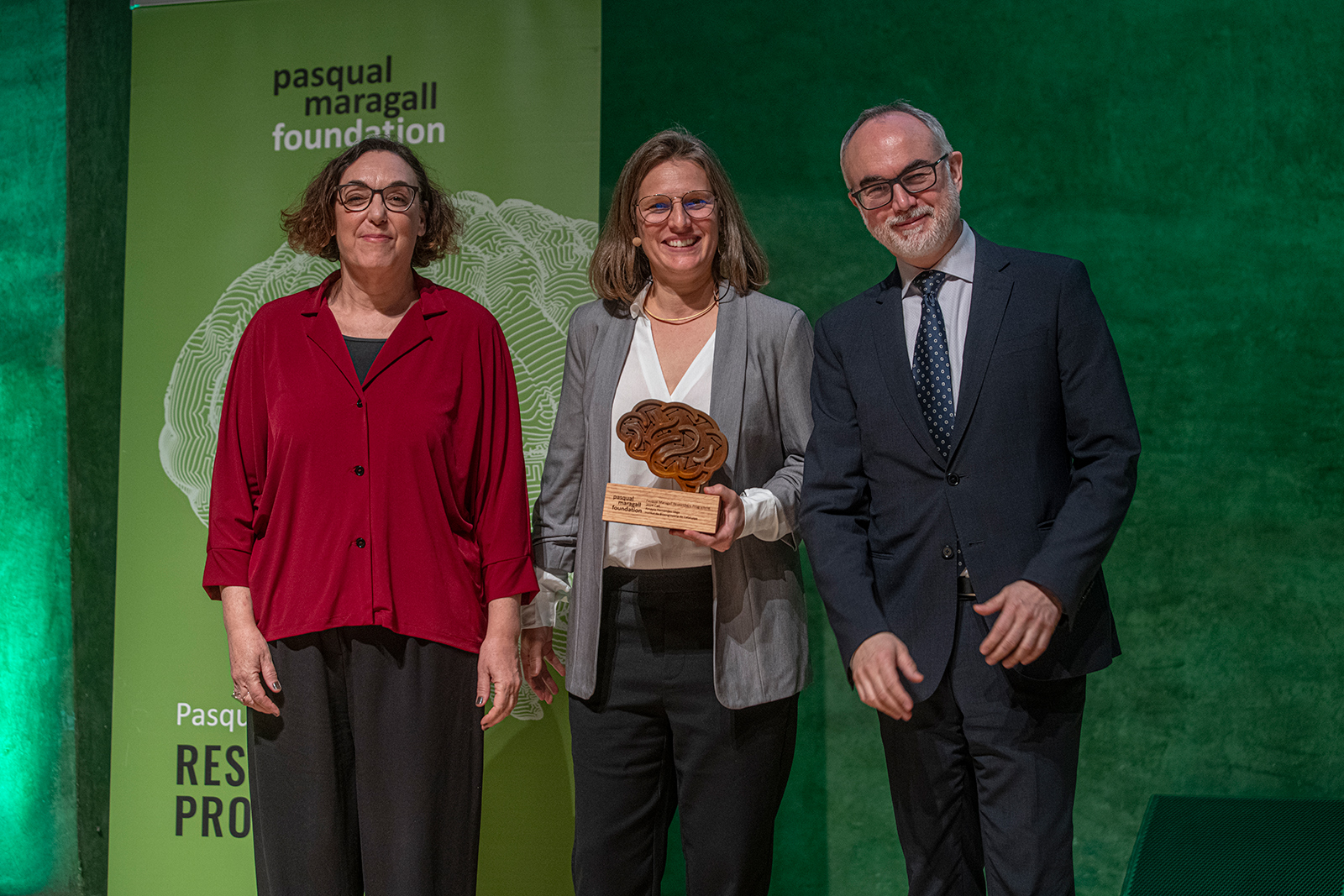
IBEC researcher Amayra Hernández-Vega has been awarded a grant from the Pasqual Maragall Researchers Programme to lead a project focused on studying the earliest stages of Alzheimer’s disease. The study will combine in vitro and human models of familial Alzheimer’s disease to identify age-related factors and potential inhibitors that could slow the early progression of the disease. The project was presented at an informative session on sleep and brain health, which was attended by around 500 people.

Entrevista a la Dra. Amayra Hernández-Vega , investigadora del instituto de bioingeniería de Catalunya. Se habla sobre las becas Pasqual Maragall Researchers Programme.