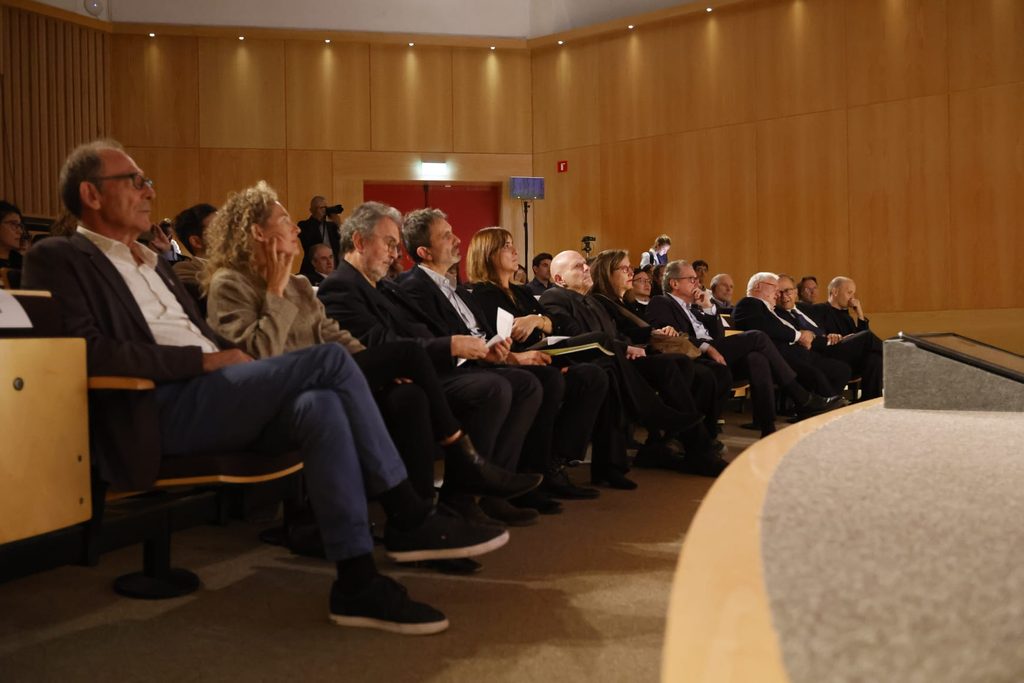
The Institute for Bioengineering of Catalonia (IBEC) celebrated its 20th anniversary on Wednesday 21 October with an institutional event at the Auditorium of the Fundació Joan Miró in Barcelona. Representatives of the Catalan Government, people who have led and supported the centre since its creation, and IBEC researchers looked back on two decades of research at the interface between engineering and the life sciences, and shared their views on the challenges ahead.
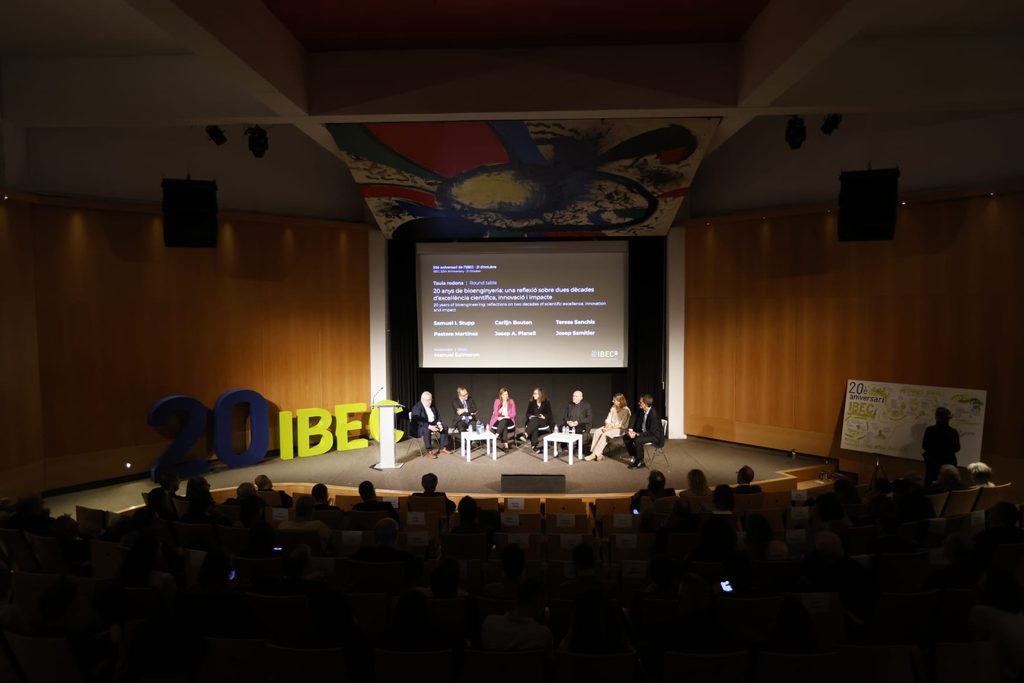
IBEC was created in 2005 by the Generalitat de Catalunya, the University of Barcelona (UB) and the Universitat Politècnica de Catalunya (UPC). Twenty years on, the centre, which is part of the CERCA network, brings together more than 400 people and 26 research groups. The event, attended by more than 100 people, was the central celebration of an anniversary year that has included initiatives such as IBEC Day and the IBEC On Air podcast.
Institutional speeches
IBEC Director Manuel Salmeron opened the event by welcoming the authorities, the members of the Board of Trustees and the other guests. Salmeron recalled that IBEC was born of a shared commitment by the Generalitat, the UB and the UPC, which saw the need for a centre that would put bioengineering at the service of health, and that this commitment built on the work of groups that had already been collaborating for years. He also thanked the institutions for their support and acknowledged the work of those who led the centre before him, Josep A. Planell and Josep Samitier. “We are celebrating what we have achieved, but above all what we still have left to do,” he said.
It is a recognised track record of excellence, measured not only in awards but in opening up new paths.
Antoni Plasència
He was followed by Antoni Plasència, Director General of Research and Innovation in Health at the Catalan Ministry of Health, speaking on behalf of the Minister for Health, Olga Pané. Plasència highlighted the involvement of Josep A. Planell, Josep Samitier and Manuel Salmeron at the head of the centre, and stressed that IBEC’s research is helping to move towards more personalised and precise medicine. “It is a recognised track record of excellence, measured not only in awards but in opening up new paths,” he said. He also underlined the need to ensure that progress reaches citizens and that Catalonia remains a place for research.
The speeches were closed by the Catalan Minister for Research and Universities, Núria Montserrat, who spoke “from both sides”: as someone who does research and as someone tasked with making research possible. Montserrat, who left the lab two years ago to take up her ministerial post, recalled her time at IBEC: “There are places you arrive at and places you return to. For me, that place is IBEC.” She added that it was at the centre that she realised science is, above all, a team effort.
Public trust matters as much as funding.
Núria Montserrat
The Minister described the creation of IBEC as a bold choice by people convinced that biologists and engineers could work together, and presented it as a model that the Catalan Government wants to keep supporting. She also recalled that IBEC was the youngest centre to obtain the Severo Ochoa accreditation, which it has renewed three times, and that it has led international projects. Montserrat raised the question of how to bring discoveries from the lab into real life without losing ambition, and who decides which risks can be taken — questions that, she said, are not only technical but also democratic. “Public trust matters as much as funding,” she said. She thanked Josep Samitier for his work, expressed her support for the current leadership team and closed with an image borrowed from mechanobiology: harmony arises from the tension between opposing forces, as in the relationship between institutions.
The event was also attended by Laia Pellejà, Director of the CERCA Institution, members of IBEC’s Board of Trustees and Scientific Advisory Board, and representatives of the research and innovation system.
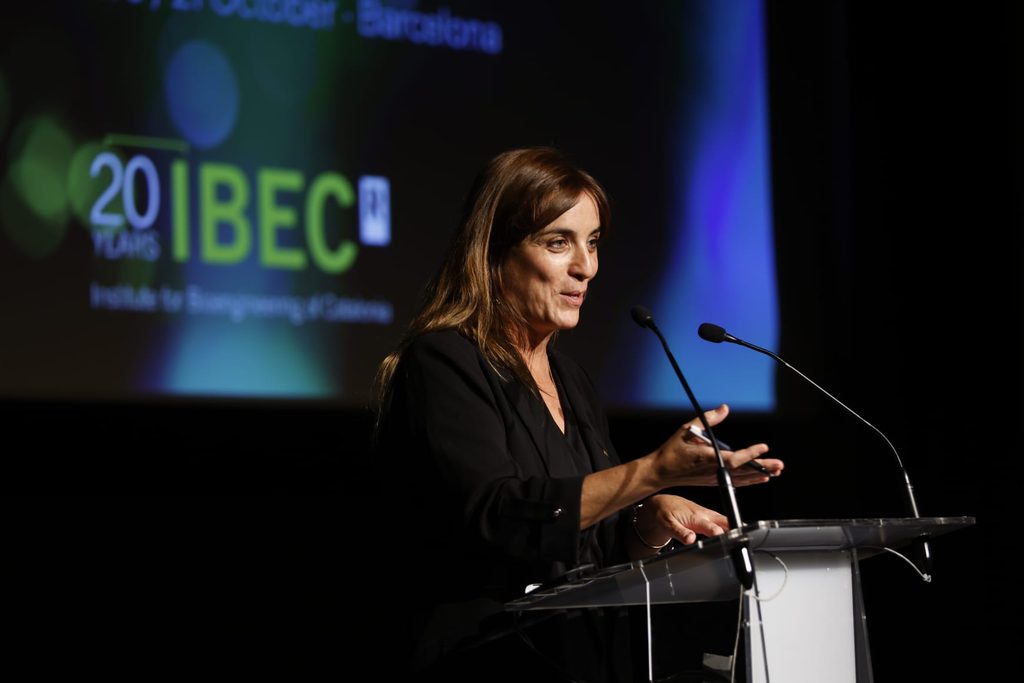
Our science, our people
Twenty years ago, we bet on an idea that was not obvious at the time: that the great challenges of medicine can only be solved if disciplines stop working in isolation.
Manuel Salmeron
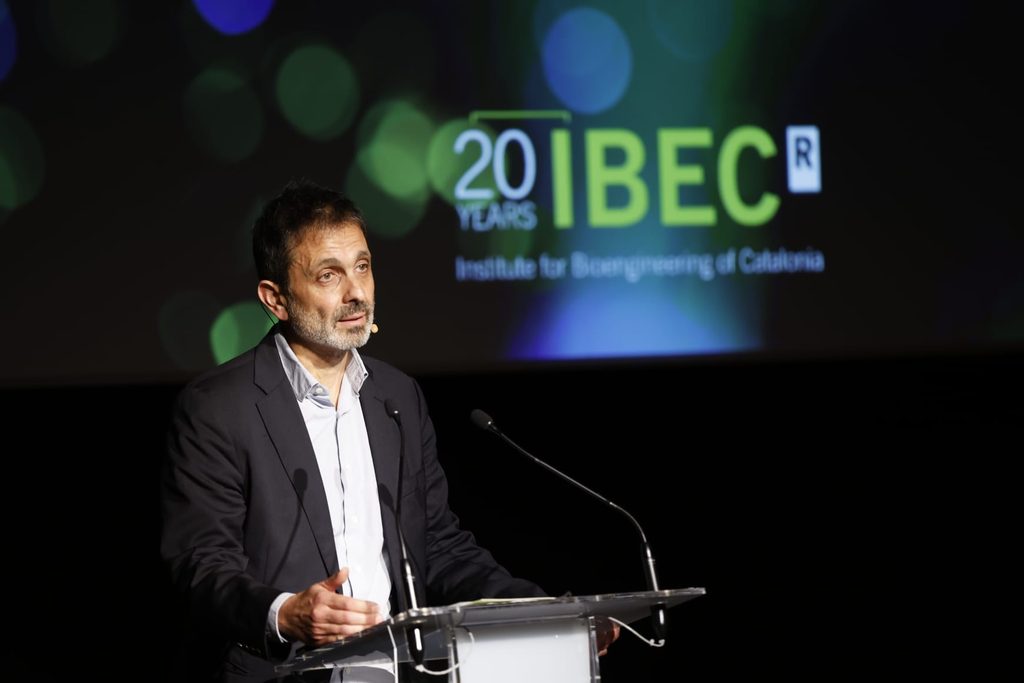
After a commemorative video marking the centre’s 20 years, Manuel Salmeron presented “Our science, our people”, a reflection on the multidisciplinary approach that defines IBEC, where physicists, chemists, biologists and engineers work side by side. “Twenty years ago, we bet on an idea that was not obvious at the time: that the great challenges of medicine can only be solved if disciplines stop working in isolation,” he said.
Salmeron then introduced the opening keynote lecture by Xavier Trepat, ICREA Research Professor and leader of IBEC’s Integrative Cell and Tissue Dynamics group. Trepat, who holds degrees in Physics and Engineering and a PhD from the Faculty of Medicine of the University of Barcelona, joined IBEC after a postdoctoral stay at Harvard University. His team studies how physical forces govern the behaviour of cells and tissues, with applications ranging from embryonic development to cancer.
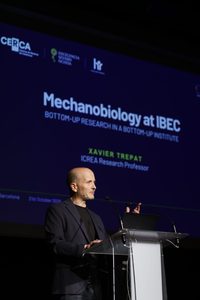
In his lecture, “Mechanobiology at IBEC: bottom-up research in a bottom-up institute”, Trepat explained that, unlike other centres, IBEC was built from the bottom up, on the initiative of a group of researchers including Josep A. Planell, Josep Samitier, Daniel Navajas, Alícia Casals, Fausto Sanz, Antonio Juárez and Raimon Jané. “They had an idea and, since it was not possible to create IBEC from the top down, they did it from the bottom up,” he said. Today, he noted, the institute brings together 429 people and has been awarded 30 European Research Council (ERC) projects and 85 patent families.
They had an idea and, since it was not possible to create IBEC from the top down, they did it from the bottom up.
Xavier Trepat
Trepat discussed how tissue shape emerges, how it is maintained, how it breaks down in disease and how it is rebuilt during regeneration, illustrating these questions with IBEC research: from living tissues capable of changing shape in a programmed manner and leader cells controlled with light to the real-time recording of human embryo implantation and a device that replicates tumours to study the efficacy of immunotherapy. He also highlighted his collaborations with other groups at the centre.
A round table with the people who built IBEC
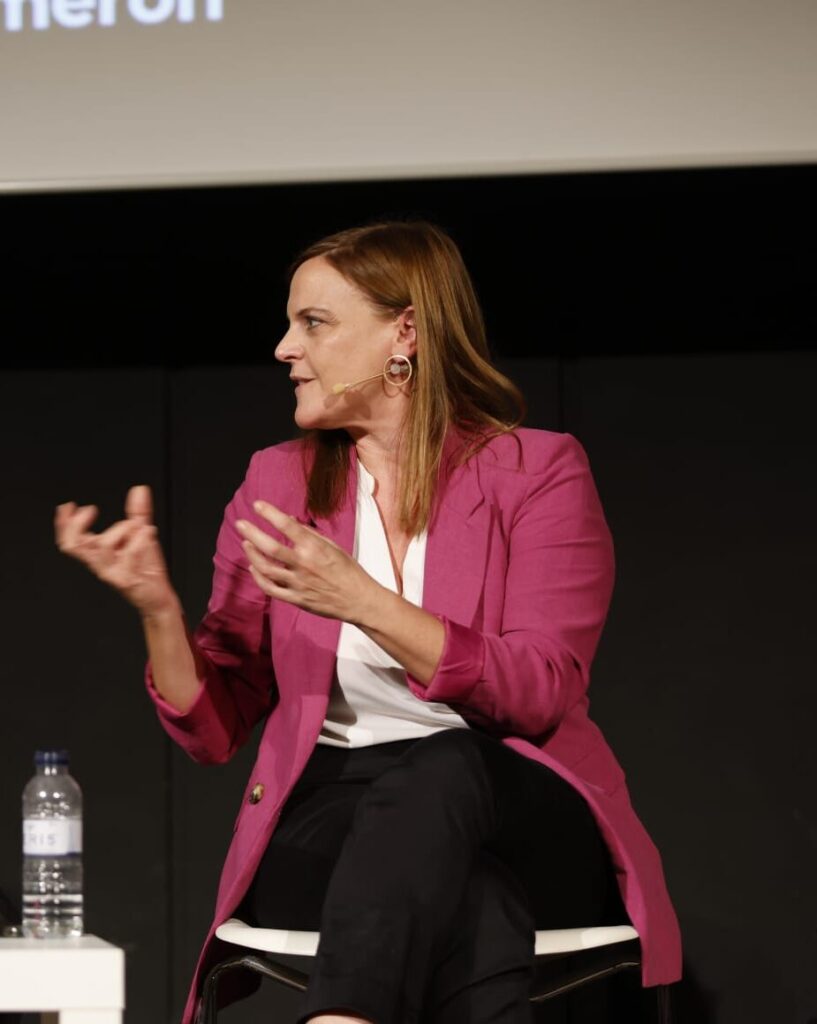
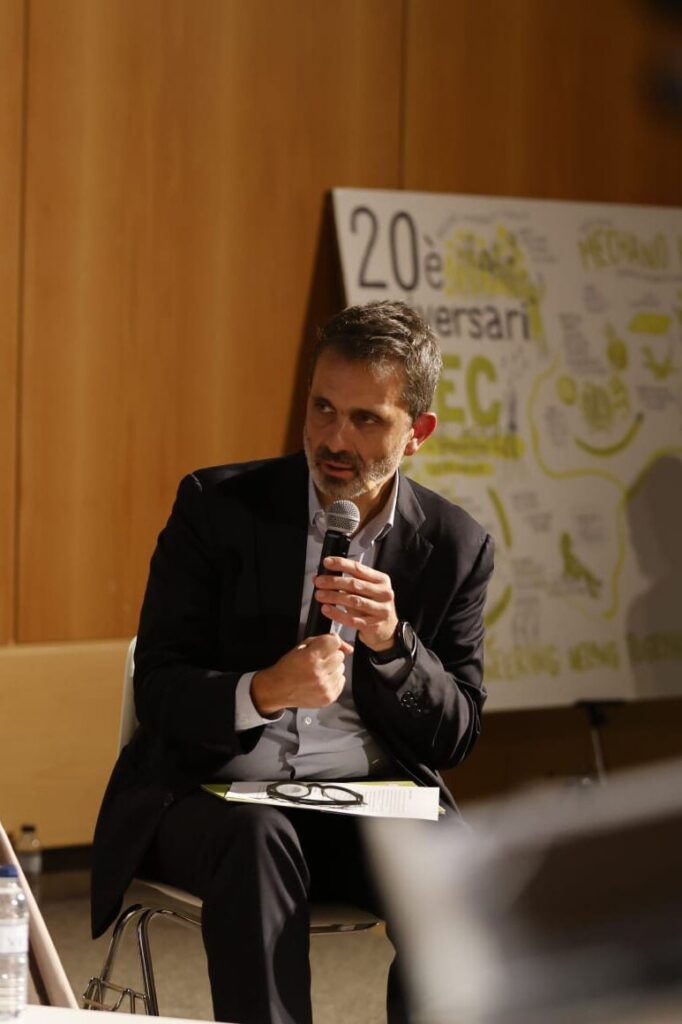
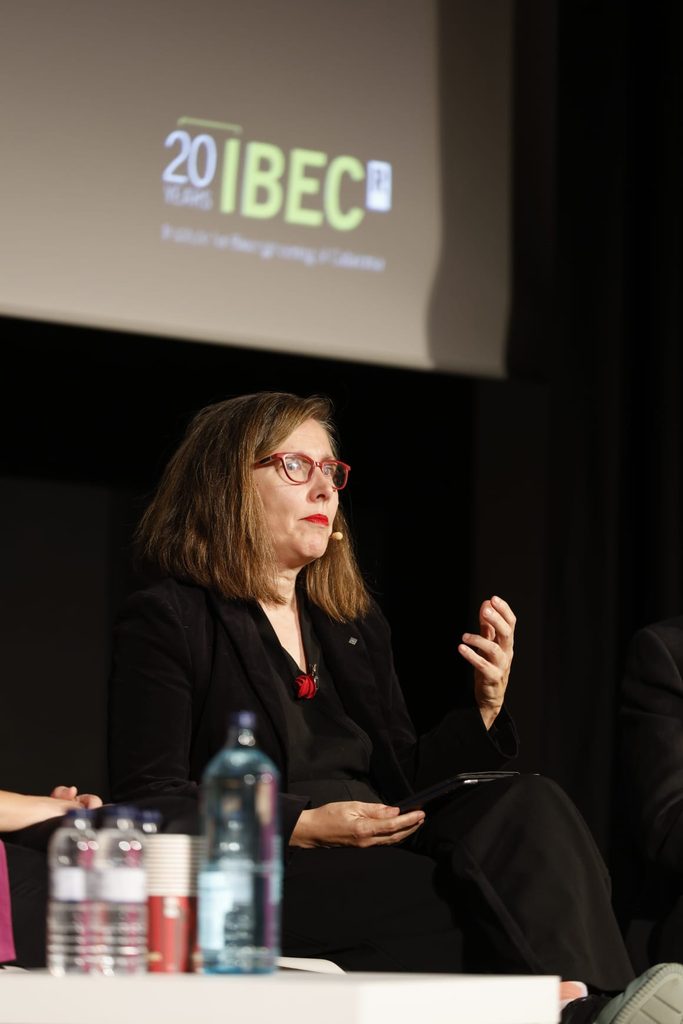
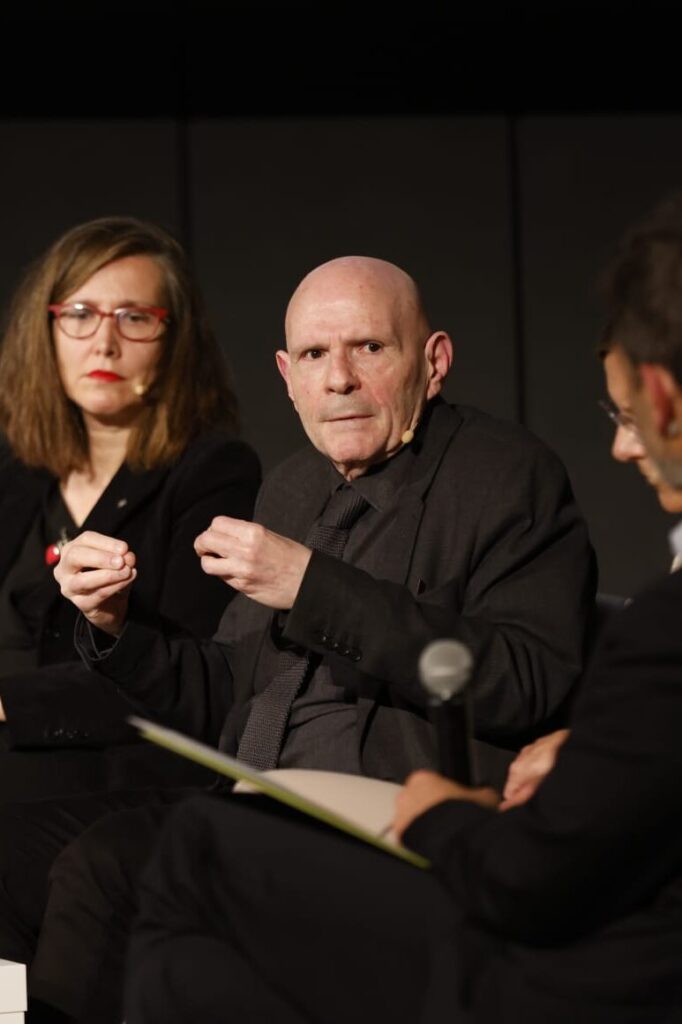
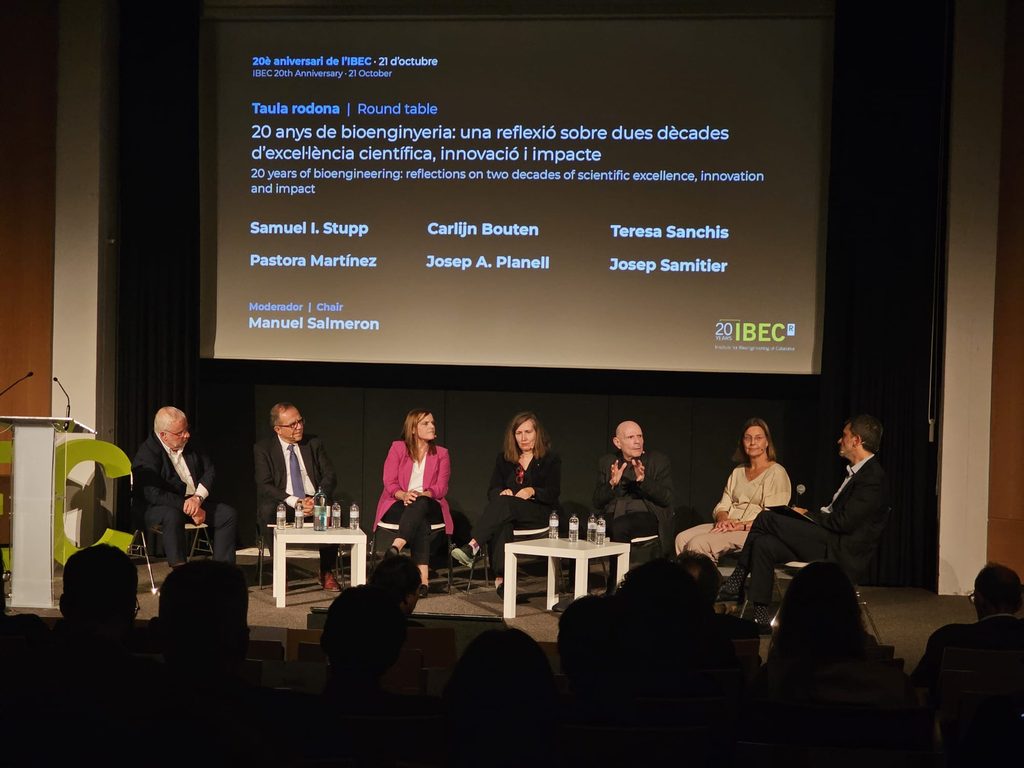
The round table “20 years of bioengineering: reflections on two decades of scientific excellence, innovation and impact”, moderated by Manuel Salmeron, brought together six people who have played a key role in the creation, development and consolidation of the centre.
The panellists were Josep A. Planell, Emeritus Rector of the Universitat Oberta de Catalunya (UOC) and IBEC’s founding director from 2005 to 2013; Josep Samitier, who led IBEC from 2013 to 2025 and is now Executive Director of Fraunhofer Spain Research, Director of the Fraunhofer Center for Applied Theragnostics (Fraunhofer CAT) and Deputy Director of IBEC; and Pastora Martínez, Commissioner for International Action at the UOC, who was IBEC’s Scientific Manager in its very first years, from 2006 to 2008.
They were joined by Teresa Sanchis, Director General for Research of the Government of Catalonia and Vice-Chair of IBEC’s Board of Trustees, who was previously the centre’s Head of Strategy for almost a decade; Samuel I. Stupp, Director of the Simpson Querrey Institute for BioNanotechnology at Northwestern University, who has chaired IBEC’s Scientific Advisory Board since 2013; and Carlijn Bouten, Professor of Cell-Matrix Interactions for Cardiovascular Regeneration at Eindhoven University of Technology and a member of the Scientific Advisory Board since 2019.
Planell thanked everyone who has made IBEC possible over these 20 years, from researchers and technicians to project managers and the Scientific Advisory Board. He recalled that from the outset it was clear to them that nanotechnology had to play a central role, inspired in part by a 2001 paper by Samuel Stupp, and summed up the spirit of those early days: “When you are not the best, you need to make yourself useful.”
IBEC is like a diamond that you need to look after.
Samuel I. Stupp
Samitier focused on talent management, both to retain talent and to attract new people who bring fresh ideas. Teresa Sanchis, who helped shape the centre’s strategy and now sees it from the Directorate General for Research, highlighted IBEC’s leadership in areas such as open science and sustainability in research, and its ability to identify new trends and act as a role model for other centres.
Stupp said that all of the centre’s metrics have improved steadily since its beginnings: the quality of its talent, its science and its publications, external funding and the recognition of its researchers. However, he warned that core funding has not grown at the same pace. “IBEC is like a diamond that you need to look after,” he said. For Stupp, the next big challenge for bioengineering is clinical translation: “This is a very difficult journey.”
You need to orchestrate science. You cannot make amazing music with just one musician.
Carlijn Bouten
Carlijn Bouten, who first came into contact with IBEC when the centre was 13 years old, stressed the importance of collaboration: “You need to orchestrate science. You cannot make amazing music with just one musician.”
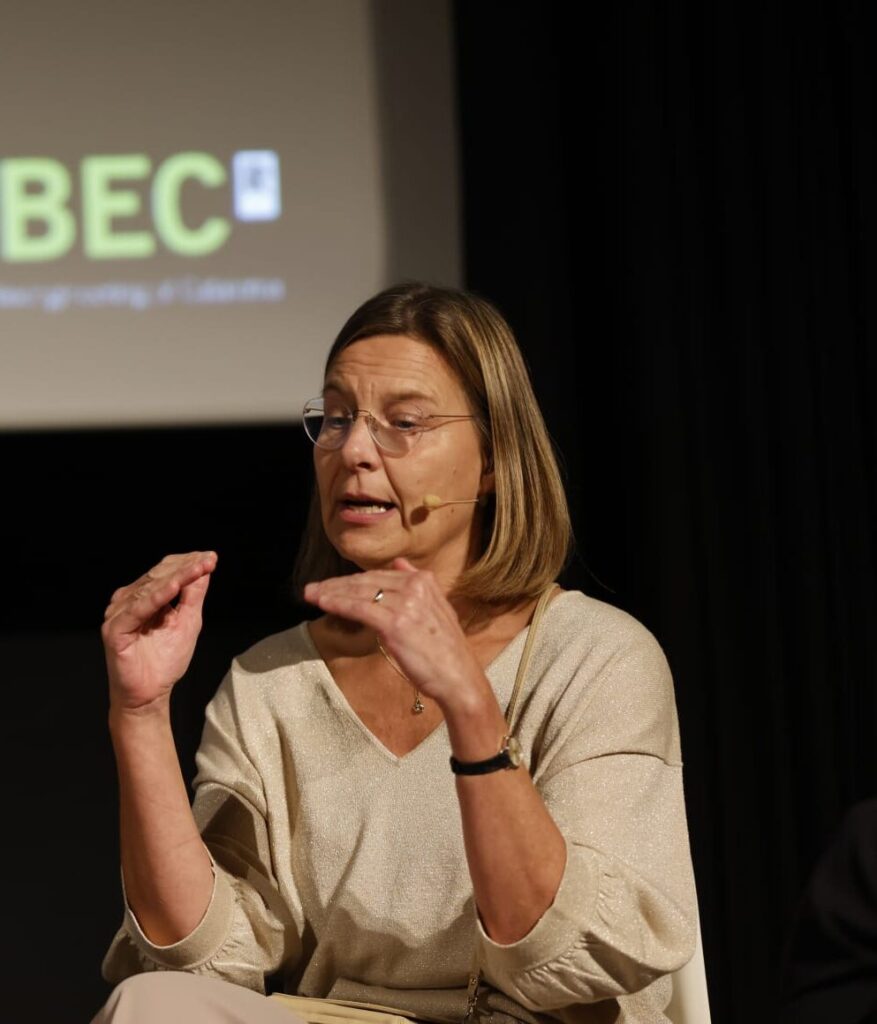
Asked what they would do differently if they were creating IBEC today, Planell argued that the starting conditions have changed little and summed up his recipe: get the best people and let them grow. Sanchis suggested that limited funding has shaped the centre’s culture, used to seeking resources elsewhere, particularly in Europe. Samitier proposed looking at models from other countries to translate science into society and strengthening international collaboration, with programmes supported by local and national authorities. Bouten, for her part, called for bringing engineering and clinical practice closer together: “Engineers should also see the patients.”
The discussion also addressed the role of artificial intelligence in research. Stupp acknowledged that it is a demanding time to be a scientist and defended the value of the human brain: in his view, AI performs well with what we already know, but not with truly disruptive ideas. Planell called for more research on cognitive processes and on how the use of AI affects young minds, and Bouten added a question: what place is there for curiosity?
For IBEC’s 40th anniversary I hope to raise a toast with the 2046 Nobel Prize winner.
Josep A. Planell
On why IBEC should still exist in 20 years’ time, Sanchis pointed to brain health as a major opportunity: “We have greatly increased life expectancy, but healthy life expectancy has not really increased,” she said, highlighting cognitive decline and neurodegenerative diseases, as well as the contribution bioengineering can make to tackling the climate crisis. Planell, for his part, expressed a wish for IBEC’s 40th anniversary: “I hope to raise a toast with the 2046 Nobel Prize winner.”
Salmeron closed the round table by thanking the panellists: “Twenty years ago, IBEC was an ambitious idea; today it is a reality, thanks to many of the people on this stage and in this room.”

Art and science
The event featured several pieces performed live by violinist Noemi Jakab. Illustrator Carlotta Cataldi, who specialises in graphic recording (capturing the ideas and content of an event visually and in real time), created a mural during the celebration bringing together the ideas presented throughout the event.
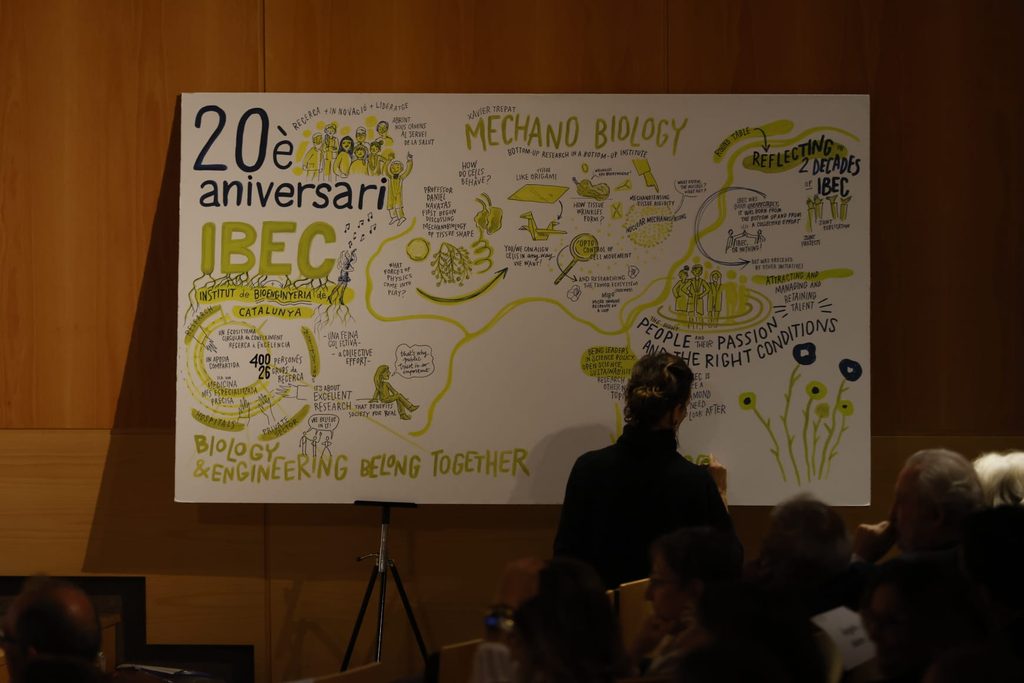
To close the event, IBEC presented “Revelant l’invisible” (Revealing the invisible), an art and science project marking its 20th anniversary, in which photographer Roser Salarich has transformed 20 images provided by the centre’s research groups into cyanotypes, one for each year of its history. Afterwards, guests were able to visit the exhibition and see Carlotta Cataldi’s work up close during the closing reception.
With this celebration, IBEC reaffirms its commitment to excellent research in bioengineering aimed at improving people’s health and quality of life, and to the community of researchers and professionals who make it possible.


