IBEC researchers Samuel Sánchez and Giuseppe Battaglia are leading two of the projects selected in the “la Caixa” Foundation’s 2026 health research and innovation calls. In addition, Pere Roca-Cusachs and Jordi Duran are members of the consortia behind two further projects. The four projects address challenges such as pseudomyxoma peritonei, bladder cancer, Lafora disease and frontotemporal dementia.
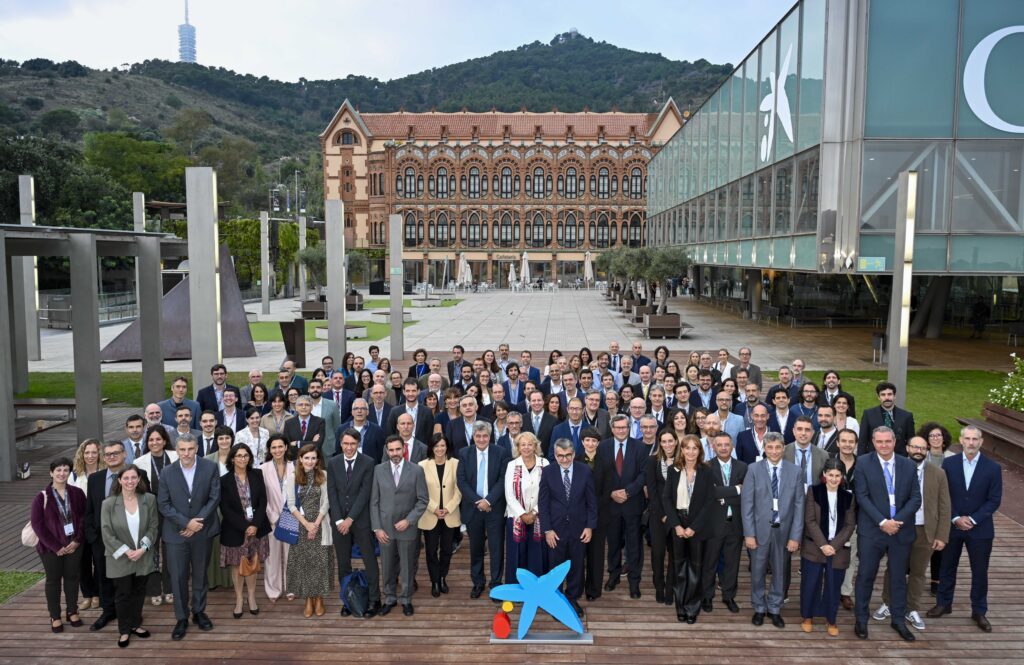
On Thursday 15 October, the “la Caixa” Foundation presented its grants to 80 new biomedical and health projects at research centres, universities and hospitals in Spain and Portugal, with total funding of €32.4 million. The grants are distributed across three complementary calls covering different stages of the scientific process, from generating knowledge to developing solutions with social impact. IBEC has projects selected in two of these calls.
Three projects in the Health Research Call
The Health Research Call, now in its ninth edition, supports basic, clinical and translational research in neuroscience, cardiovascular and metabolic diseases, oncology, infectious diseases and enabling technologies. In 2026 it received 800 proposals and selected 32, each receiving up to €1 million.

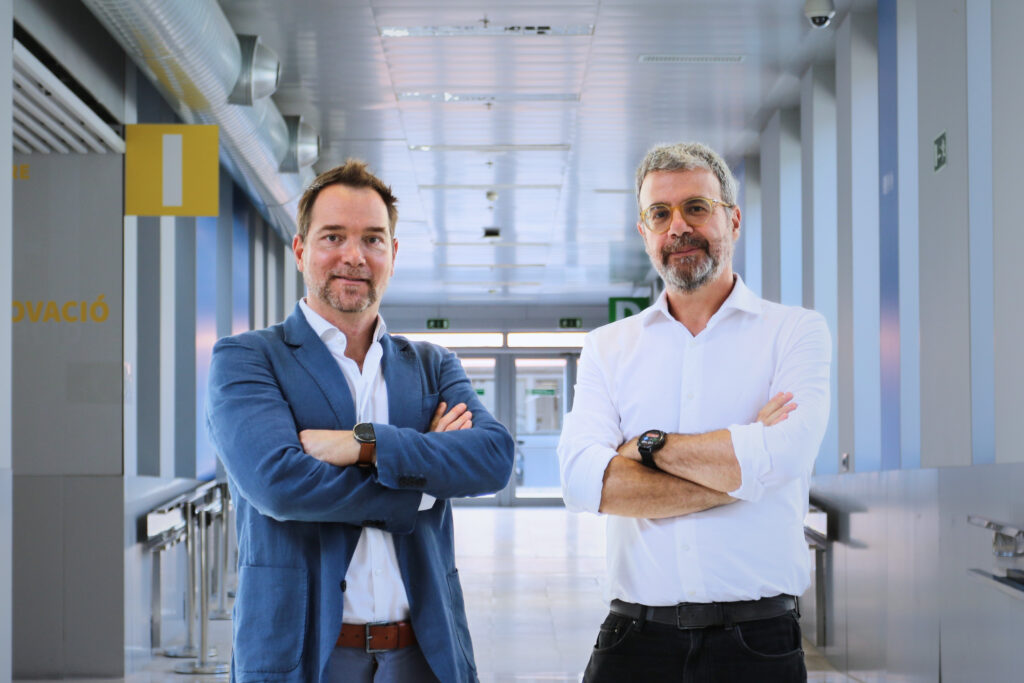
Samuel Sánchez, ICREA Research Professor and leader of IBEC’s Smart nano-bio-devices group, is coordinating a project awarded €999,062.77 to tackle pseudomyxoma peritonei. In this rare cancer, thick mucus builds up in the abdomen and prevents drugs from reaching tumour cells, and current treatment, based mainly on surgery and chemotherapy, often falls short. The project will develop enzyme-powered nanomotors, tiny self-propelled carriers designed to penetrate this mucus, recognise cancer cells and deliver anticancer drugs to them. The team will test them in patient-derived samples and disease models. The consortium also includes IBEC’s Molecular Bionics group, led by Giuseppe Battaglia, the Vall d’Hebron Institute of Oncology (VHIO), Fundació Catalunya-La Pedrera and Asociación Peritoneum, a patient association that will help ensure the work reflects patients’ needs.
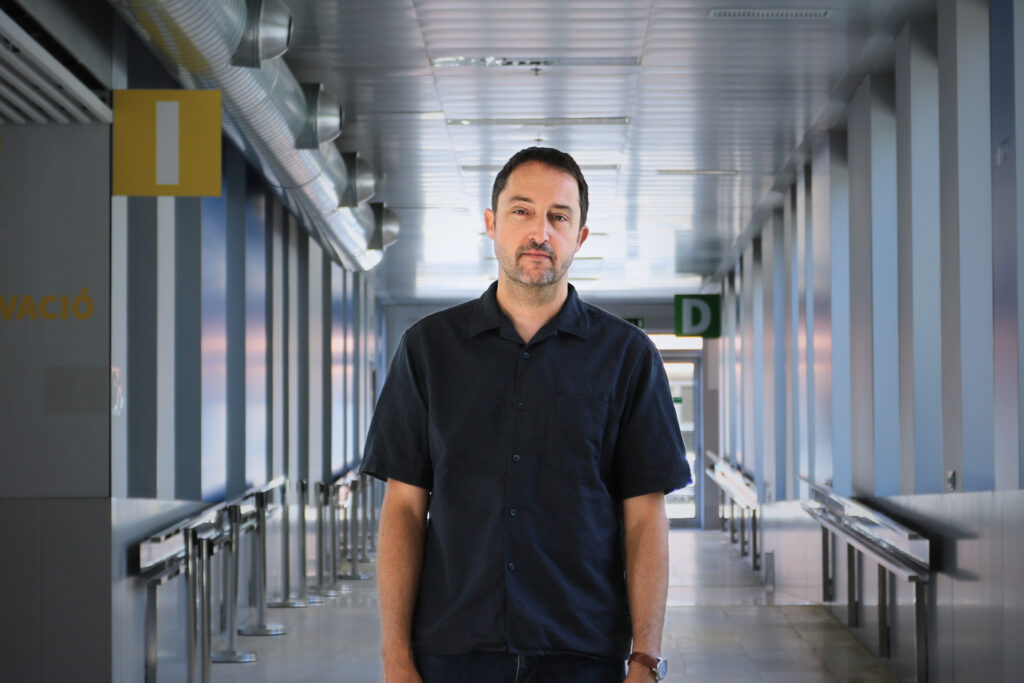

Pere Roca-Cusachs, leader of IBEC’s Cellular and Molecular Mechanobiology group and Full Professor at the University of Barcelona, is taking part in a project led by Francisco X. Real of the Spanish National Cancer Research Centre (CNIO), which has received €888,950. When bladder cancer invades the muscle layer of the bladder wall, the disease is associated with metastasis, a poorer prognosis and more aggressive treatment. The project will investigate whether smooth muscle cells, traditionally regarded as a passive barrier, actively contribute to tumour progression. To do so, the team will analyse how tumour and muscle cells communicate, and how physical properties of the tissue, such as its stiffness or muscle contraction, influence invasion. The aim is to identify markers of disease progression and potential therapeutic targets, which may also be relevant to other tumours that invade hollow organs.


Jordi Duran, associate researcher in IBEC’s Molecular and Cellular Neurobiotechnology group, is part of the consortium for a project led by Cristina Fornaguera of the Institut Químic de Sarrià (IQS) – Universitat Ramon Llull, in collaboration with the University of Santiago de Compostela. The project, which has received €998,898.20, aims to develop nanoparticles capable of crossing the barriers that protect the brain and delivering mRNA-based therapeutic instructions to brain cells. Its first target will be Lafora disease, a rare neurological disorder that begins in childhood and for which there is currently no effective treatment. The safety and therapeutic potential of the most promising designs will be assessed in the laboratory and in animal models. The IBEC team, which also includes group leader José A. del Río, contributes its expertise in Lafora disease and in advanced cellular models such as brain organoids.
One project in the CaixaImpulse Health Innovation Call
The CaixaImpulse Health Innovation Call, run by the “la Caixa” Foundation in collaboration with Criteria Bio Ventures, has been helping since 2015 to turn scientific knowledge into products, services and companies that improve health. It is structured in three stages: proof of concept, validation and prototype development, and preparation of the regulatory roadmap and financial plan. In 2026, 449 projects were submitted and 30 were selected.
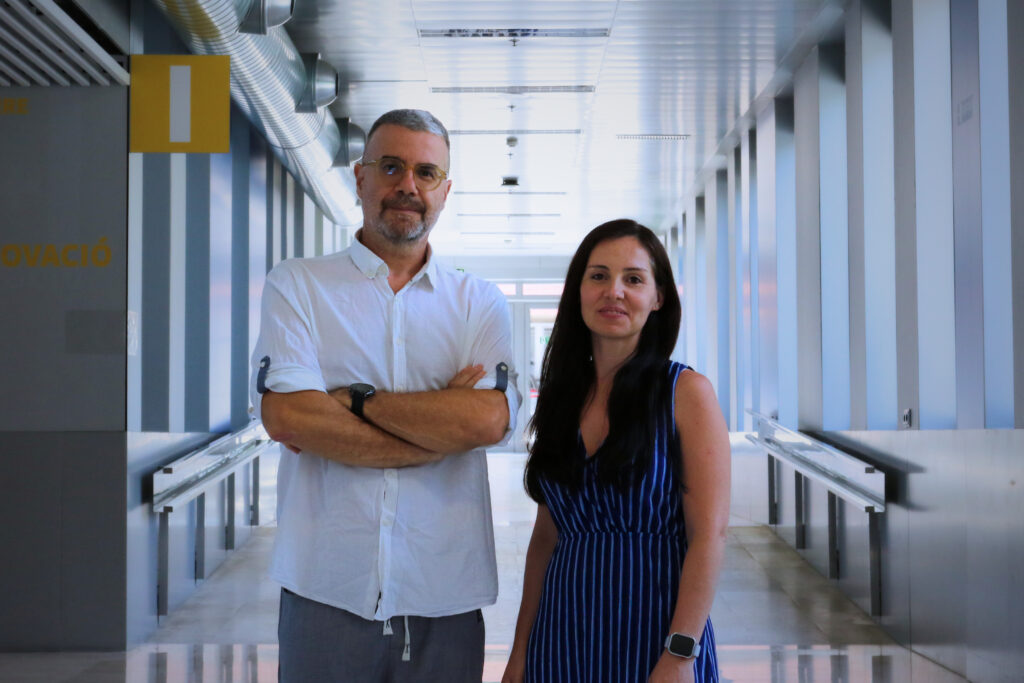
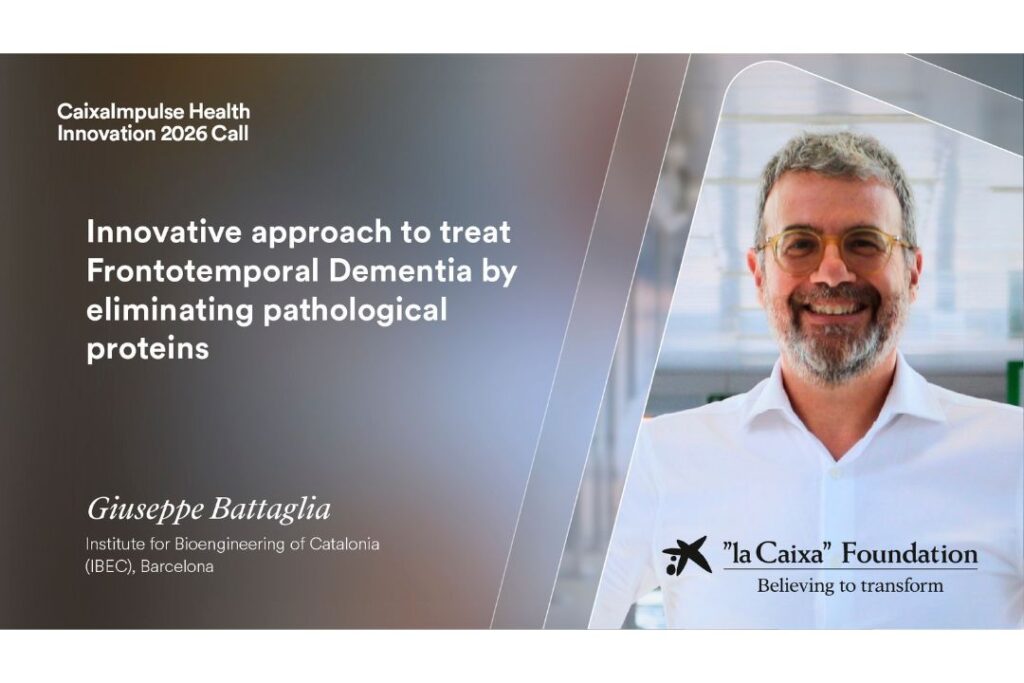
Giuseppe Battaglia, ICREA Research Professor and leader of IBEC’s Molecular Bionics group, is leading the dePROTEIN project, which has received €50,000 in the first stage of the call. Frontotemporal dementia is a neurodegenerative disease linked to an abnormal build-up of proteins in the brain; available treatments relieve symptoms but do not remove these aggregates. dePROTEIN is a nanotherapy platform designed to clear protein aggregates by restoring the clearance function of the blood–brain barrier. Following results obtained in animal models of Alzheimer’s disease, the project will now assess whether this strategy can modify disease progression in animal models of frontotemporal dementia. Catia Lopes, Senior Postdoctoral Researcher in the Molecular Bionics group, is also part of the project.
Participation in these calls reflects IBEC’s interdisciplinary approach, which combines engineering and the life sciences and works with hospitals, research centres and patient organisations to address health challenges that remain unsolved.