DONATE

Zaida Álvarez receives the Muy Nanotecnología award and a special mention from the Duran Farell Research Technology Award

On November 29th, Zaida Álvarez, a ‘Ramon y Cajal’ researcher at the Institute of Bioengineering of Catalonia (IBEC), received the Muy Nanotecnología award from the Minister of Science and Innovation, Diana Morant, at the Coliseum Theater in Madrid. This award, granted by the science popularization magazine Muy Interesante, recognizes the work of outstanding female scientists … Read more

A new atlas unveils which mutations are behind the noxious amyloid formation 

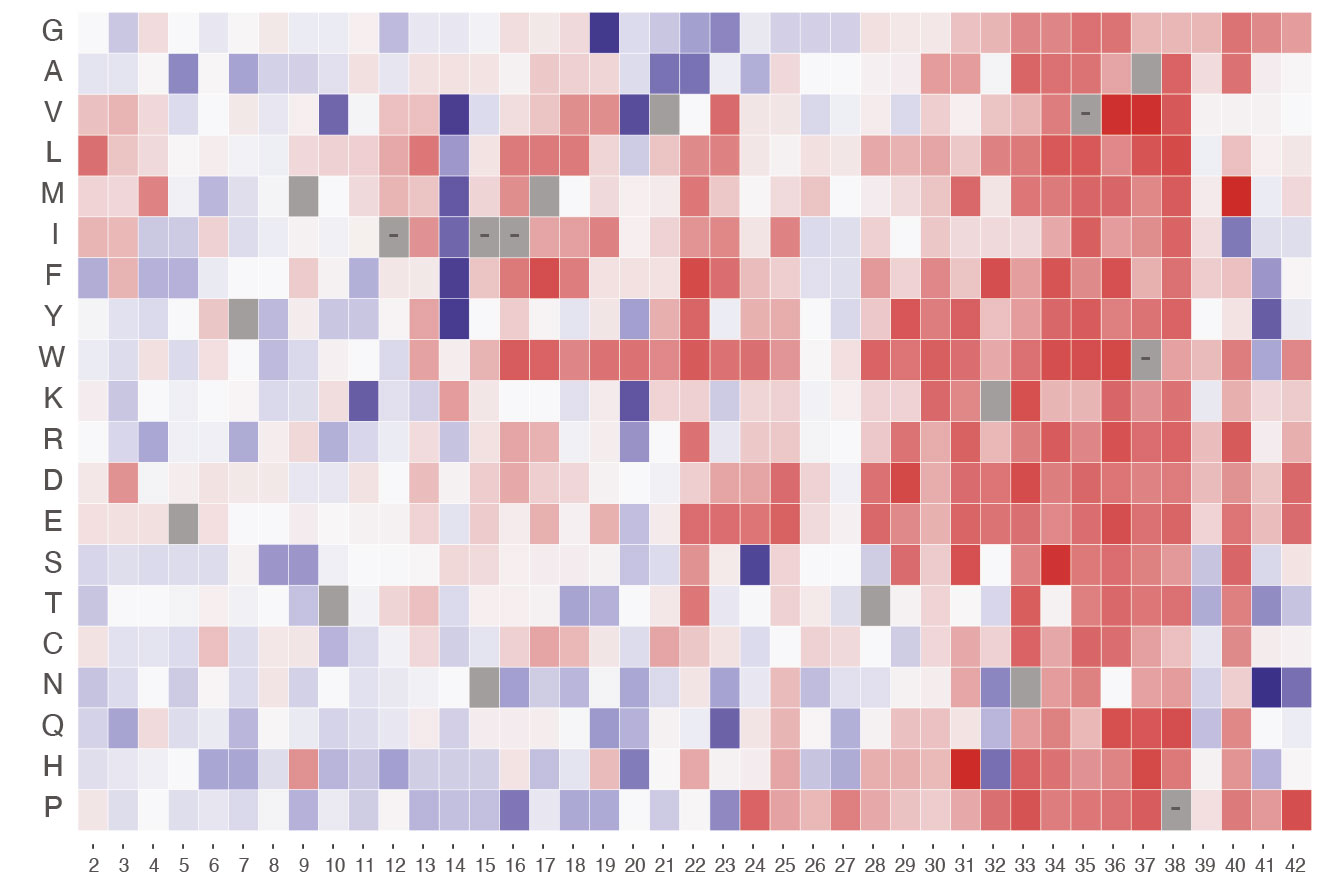
Researchers from the Institute for Bioengineering of Catalonia (IBEC) have developed the most complete atlas up to date of the genetic mutations that cause the formation of amyloid beta fibril, a protein implicated in Alzheimer’s disease. The study, led by IBEC’s researcher Benedetta Bolognesi, in collaboration with the Ben Lehner’s group at the Centre for … Read more

Artificial lives

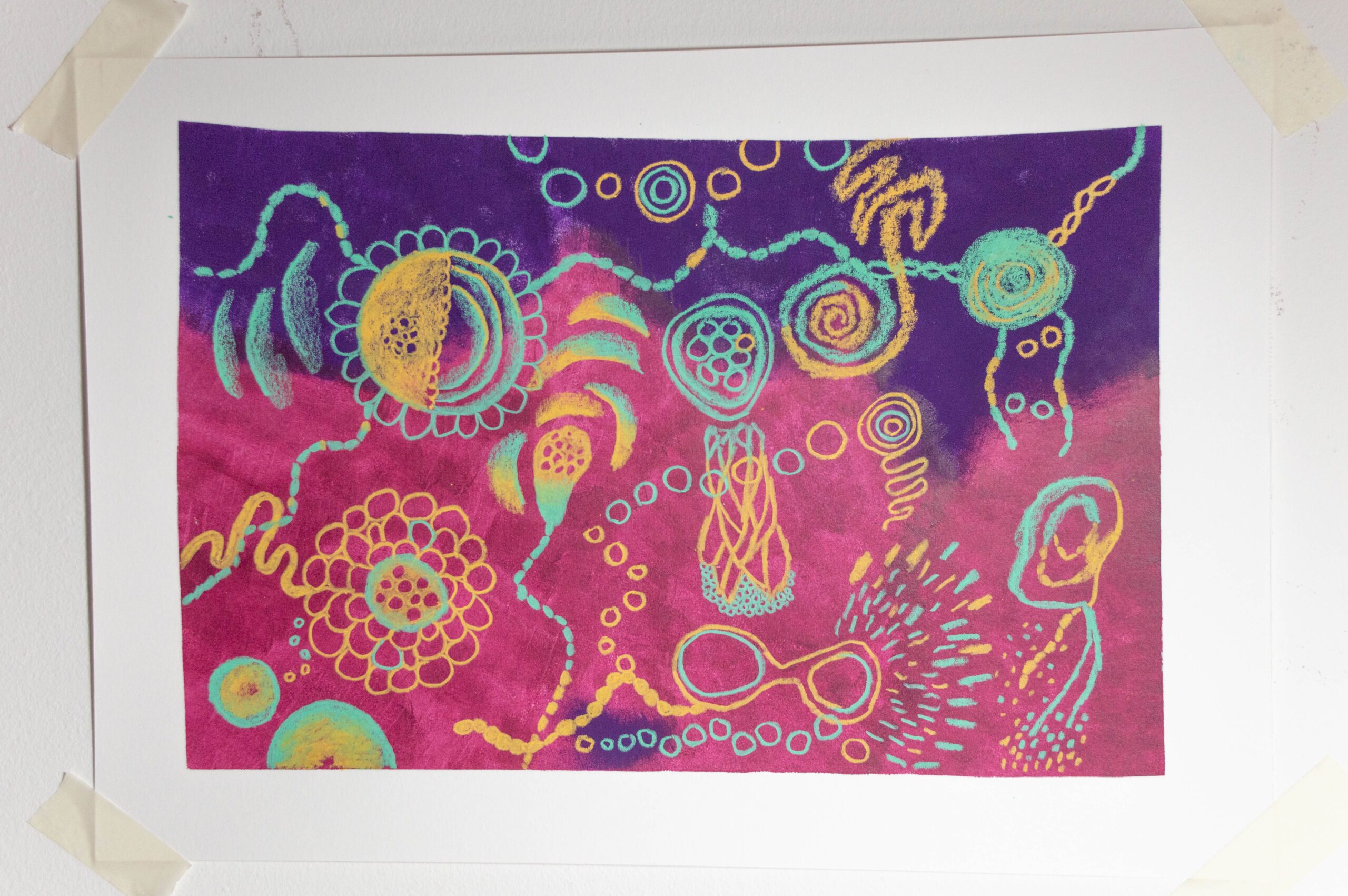
Small organisms inhabit laboratory cultures. Unique structures that walk in their habitats without knowing that they are being observed. Their life expectancy can vary within the laboratory (hours or days) but in this image they are embodied for eternity.

Artificial environments

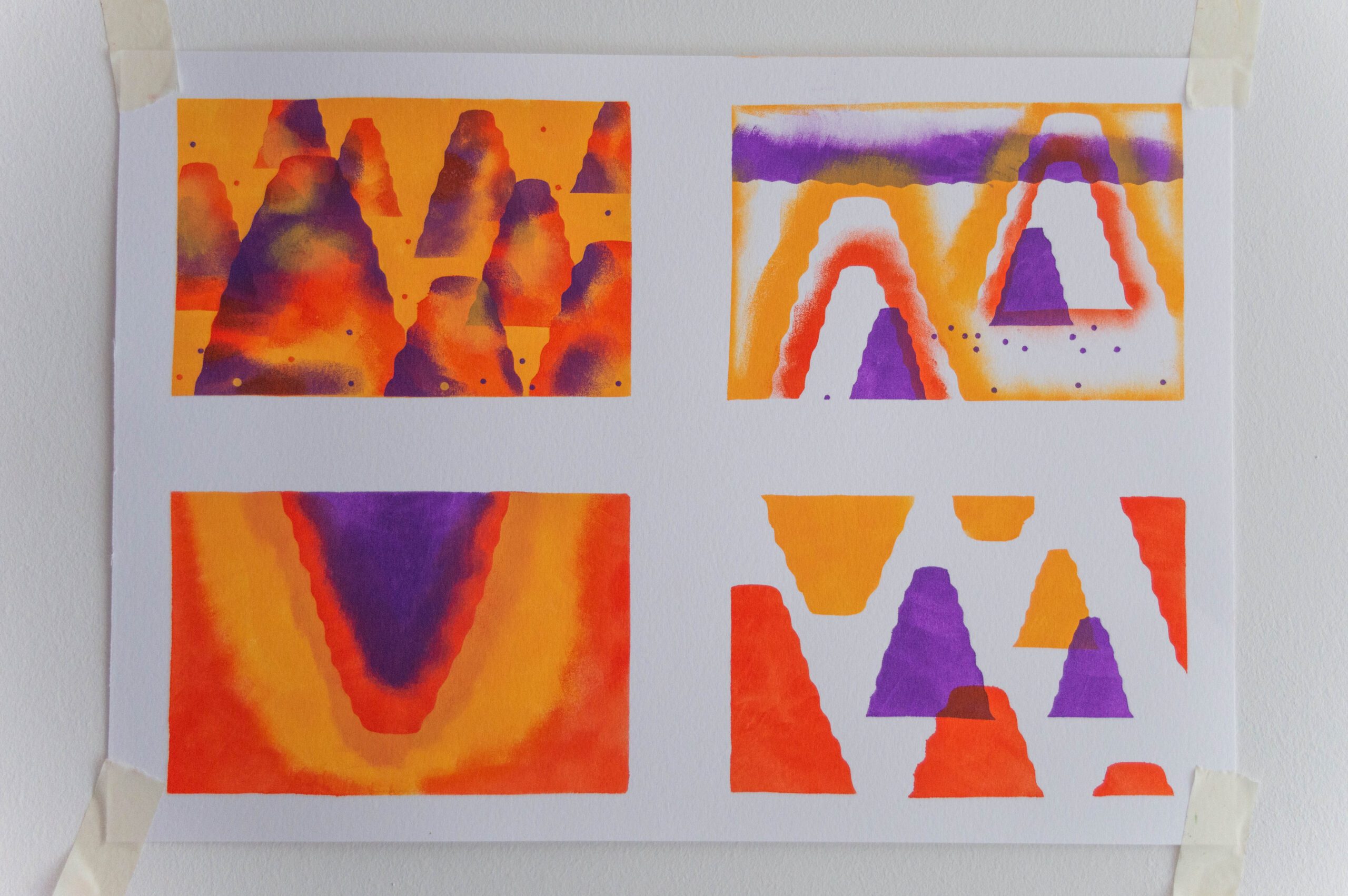
Artistic research advances and becomes a look that awakens speculative worlds, the vast majority artificially created in laboratories and on a micro scale. In my laboratory I also work in a small format, at the moment, in each paper I concentrate variations of the same starting point. Shapes and colors in different positions become views of the same space.

IBEC organizes the I Conference on Bioengineering for Neuromuscular Diseases 

On November 15th, the World Day of Neuromuscular diseases was celebrated. Coinciding with the date, IBEC organised two events that brought together scientist and patients to talk about the new approaches in which bioengineering can impact for the diagnostics and treatment of these minority diseases.   Despite being considered rare or minority diseases, more than 150 … Read more

3D mini-intestines to study bacterial infections

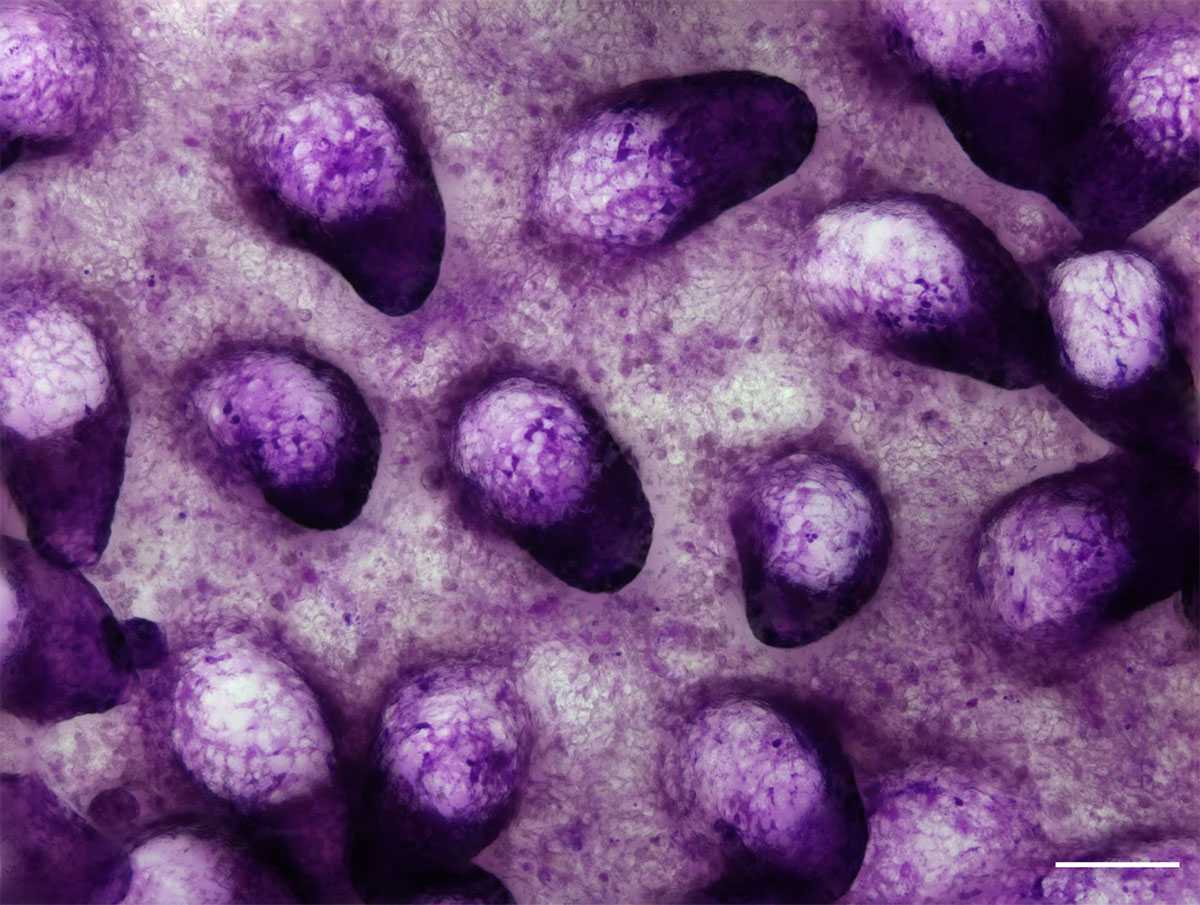
Researchers at IBEC have developed a 3D model of the human intestine that simulates the characteristics of the intestinal mucosa and its reliefs. These mini-intestines will make it possible to study the functioning of the intestine and the response to different pathogens. So far, they have been used to recreate infections such as those that … Read more

Mini-intestinos en 3D para estudiar infecciones bacterianas

3D mini-intestine

Investigadores del Instituto de Bioingeniería de Cataluña desarrollan un modelo de intestino humano en 3D que simula las características de la mucosa intestinal y su relieve. Este mini-intestino ha permitido recrear infecciones bacterianas como la que caracteriza la enfermedad de Crohn y servirá para estudiar el funcionamiento del intestino y su respuesta a diferentes patógenos.  Las … Read more