DONATE

Researchers develop a device that replicates tumours to study the efficacy of immunotherapy treatments
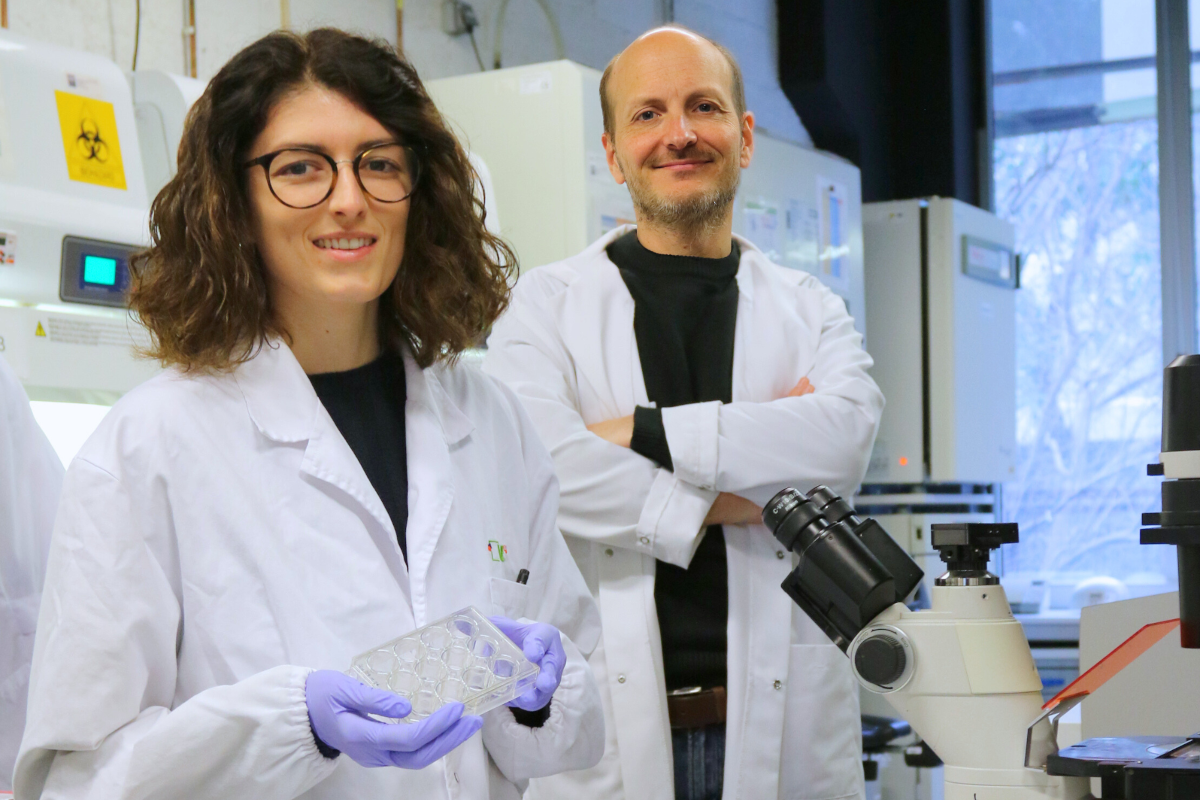
The Micro Immune Response On chip (MIRO) allows tumours and their environment to be replicated in order to understand their response to treatment. The device, which has already been successfully tested on breast cancer samples, could be key to developing new treatments and determining the most appropriate therapy for each patient in a personalized way. The work, published in Nature Communications, is the result of a collaboration between the Institute for Bioengineering of Catalonia and the Research Institute of the Hospital del Mar.


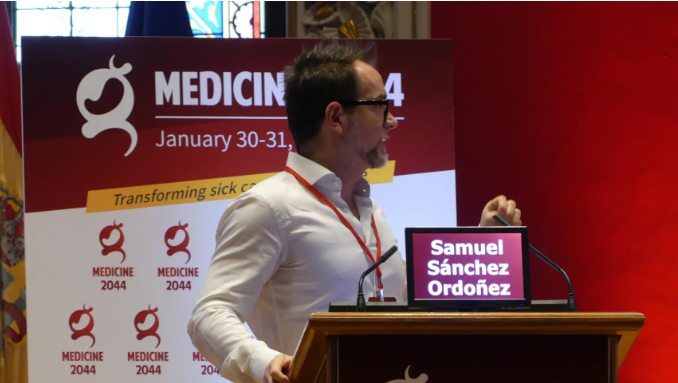
El Español: Samuel Sánchez, investigador de nanorobots en el cáncer de vejiga: “Podemos reducir el tumor al 90%”

El Dr. Samuel Sánchez, director del grupo de investigación de nanobiodispositivos del Instituto de Bioingeniería de Cataluña (IBEC) y cofundador de Nanobots Therapeutics, ha desarrollado nanorobots capaces de reducir en un 90% los tumores de vejiga en modelos animales con una única administración. Estos “pequeños submarinos” transportan fármacos directamente al interior del tumor, mejorando la … Read more

La Vanguardia: La UB estrena un microscopi per a la investigació

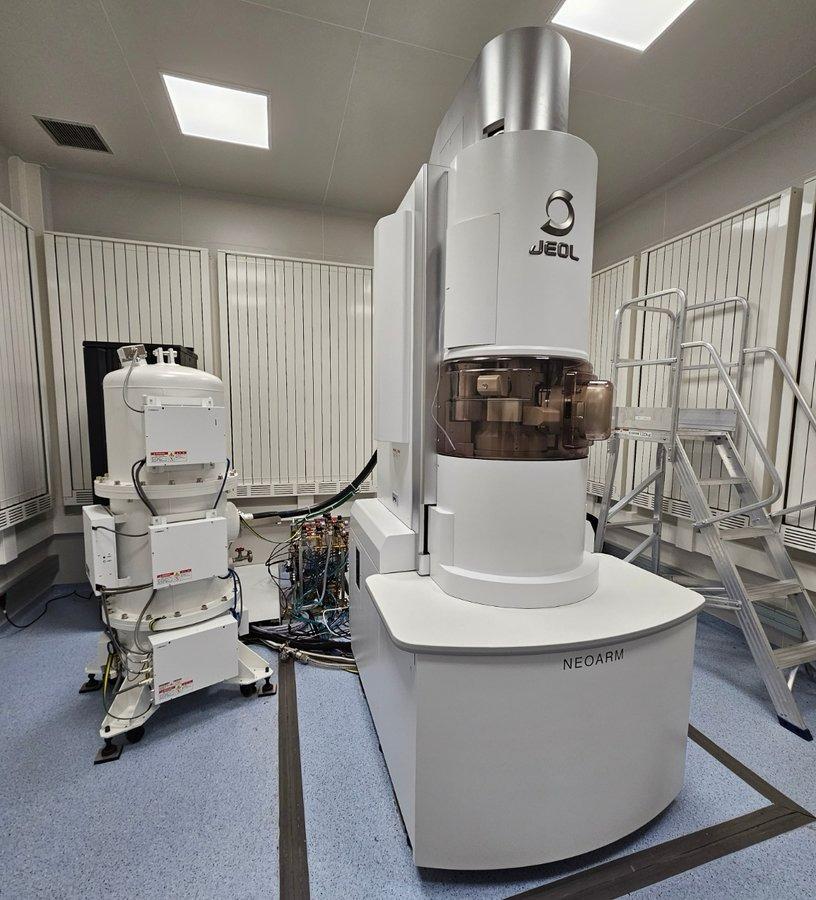
El Parc Científic de la Universitat de Barcelona ha inaugurat un microscopi electrònic d’última generació, el Jeol NeoARM 200cF, amb un cost de 3,35 milions d’euros. Aquest instrument permet visualitzar biomolècules i virus en 3D, estudiar la distribució de proteïnes i analitzar interaccions a escala nanomètrica. La instal·lació forma part del projecte Merit i compta … Read more

IBEC co-funds new state-of-the-art electron microscope

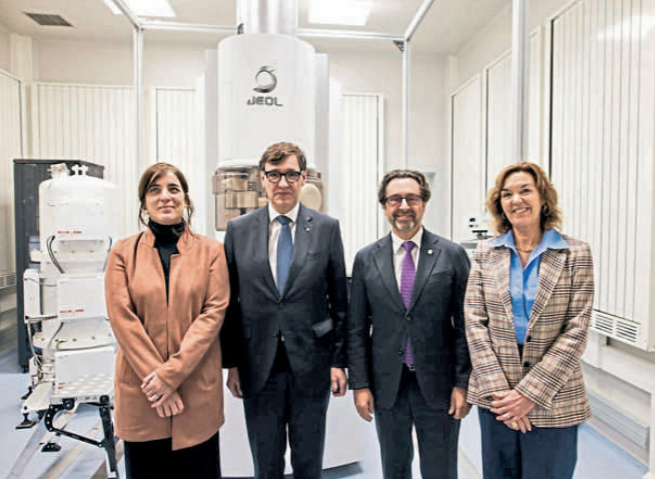
The President of the Catalan Government, Salvador Illa, and the Catalan Minister for Research and Universities, Núria Montserrat, inaugurated this unique infrastructure at the Barcelona Science Park today. The microscope, funded by IBEC and FEDER*, opens the door to the reconstruction of biomolecules and viruses in three dimensions, among other applications.

Madri+d: Impresión de proteínas para recrear en el laboratorio

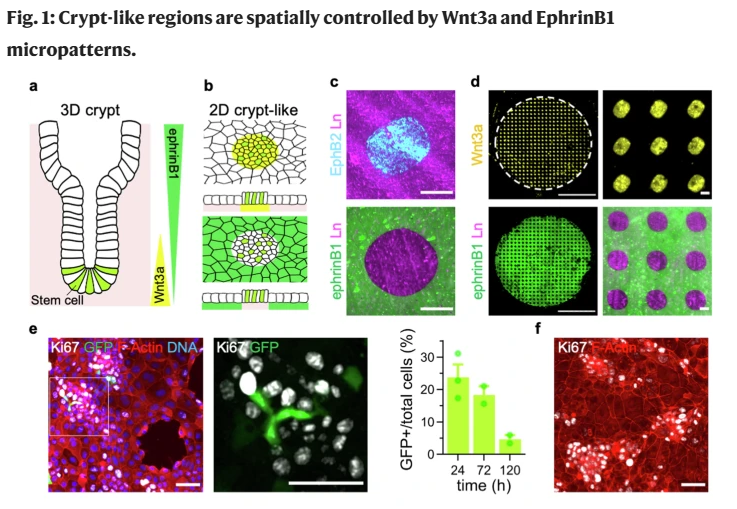
Investigadores del grupo de Sistemas Biomiméticos para Ingeniería Celular del IBEC han desarrollado un método innovador para controlar la formación de criptas y vellosidades intestinales mediante impresión de proteínas por contacto. Publicado en Nature Communications, el estudio demuestra cómo la impresión de proteínas clave, como Wnt3a y EphrinB1, sobre una membrana basal permite dirigir la … Read more