LA VANGUARDIA: ¿Cómo mejorar el desarrollo de fármacos que lleguen al cerebro?
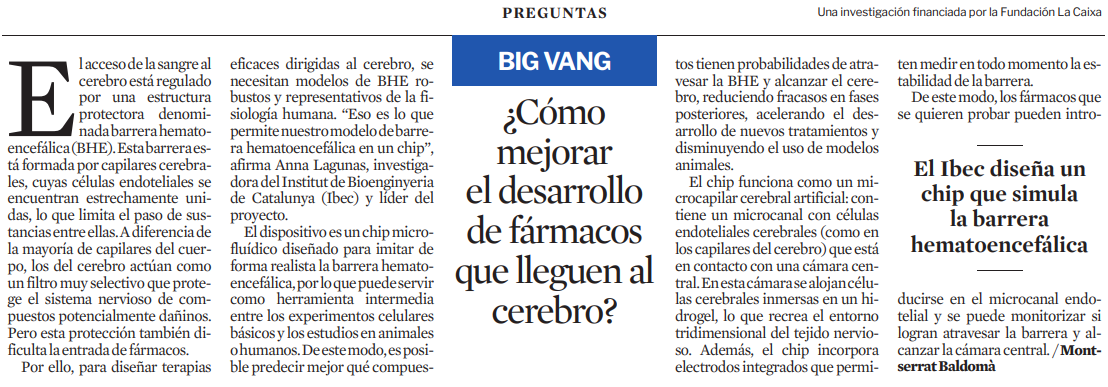
El IBEC diseña un chip que simula la barrera hematoencefálica.

Group
El IBEC diseña un chip que simula la barrera hematoencefálica.
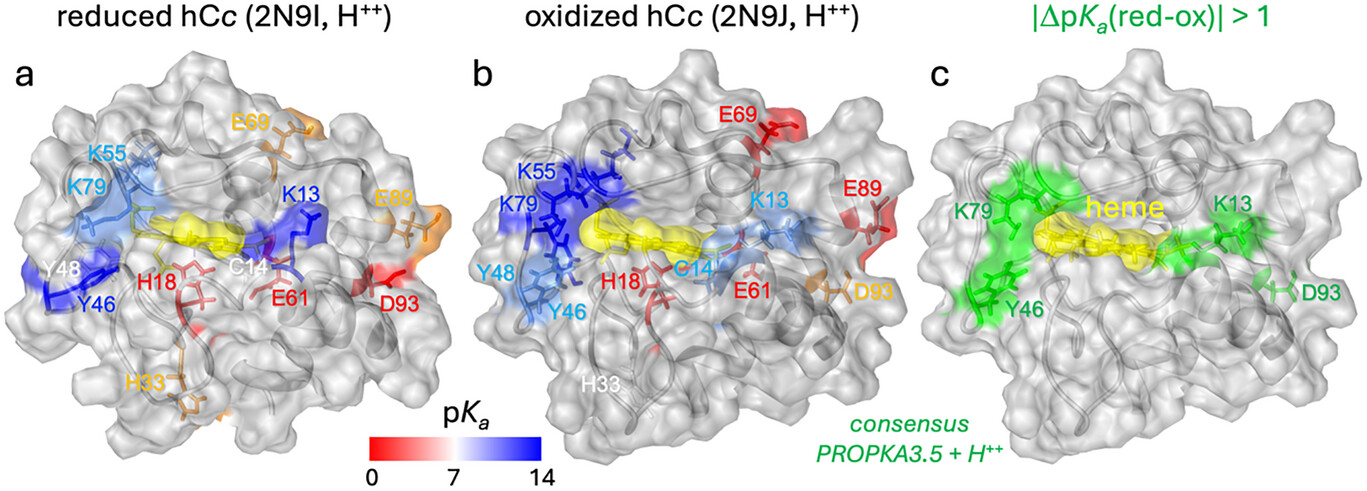
A study led by the Institute for Bioengineering of Catalonia (IBEC) has revealed that protons and reactive oxygen species mediate long-distance charge transport in the mitochondrial respiratory chain — a fundamental process in cellular respiration in organisms. Understanding these mechanisms is crucial, given that mitochondria are the powerhouses of all cells and alterations to them are associated with numerous diseases.
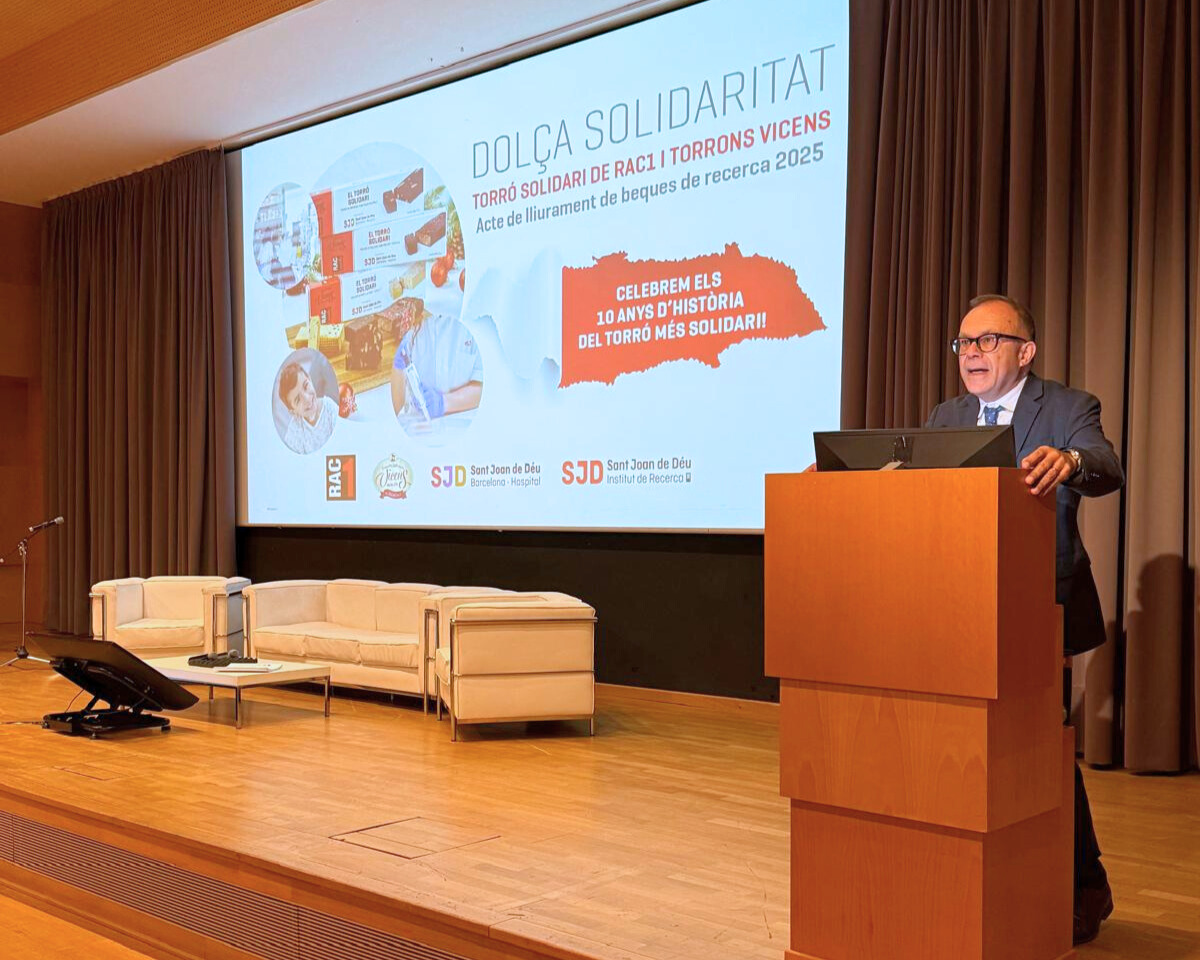
The presentation ceremony for the Solidarity Nougat Grants by RAC1 and Torrons Vicens took place yesterday. In this second edition, the Institute for Bioengineering of Catalonia (IBEC) has been selected to co-lead two of the four winning projects. The 2025 call aims to stimulate research and innovation in rare paediatric diseases at the SJD Barcelona Children’s Hospital, as part of the ‘ÚNICAS’ project.
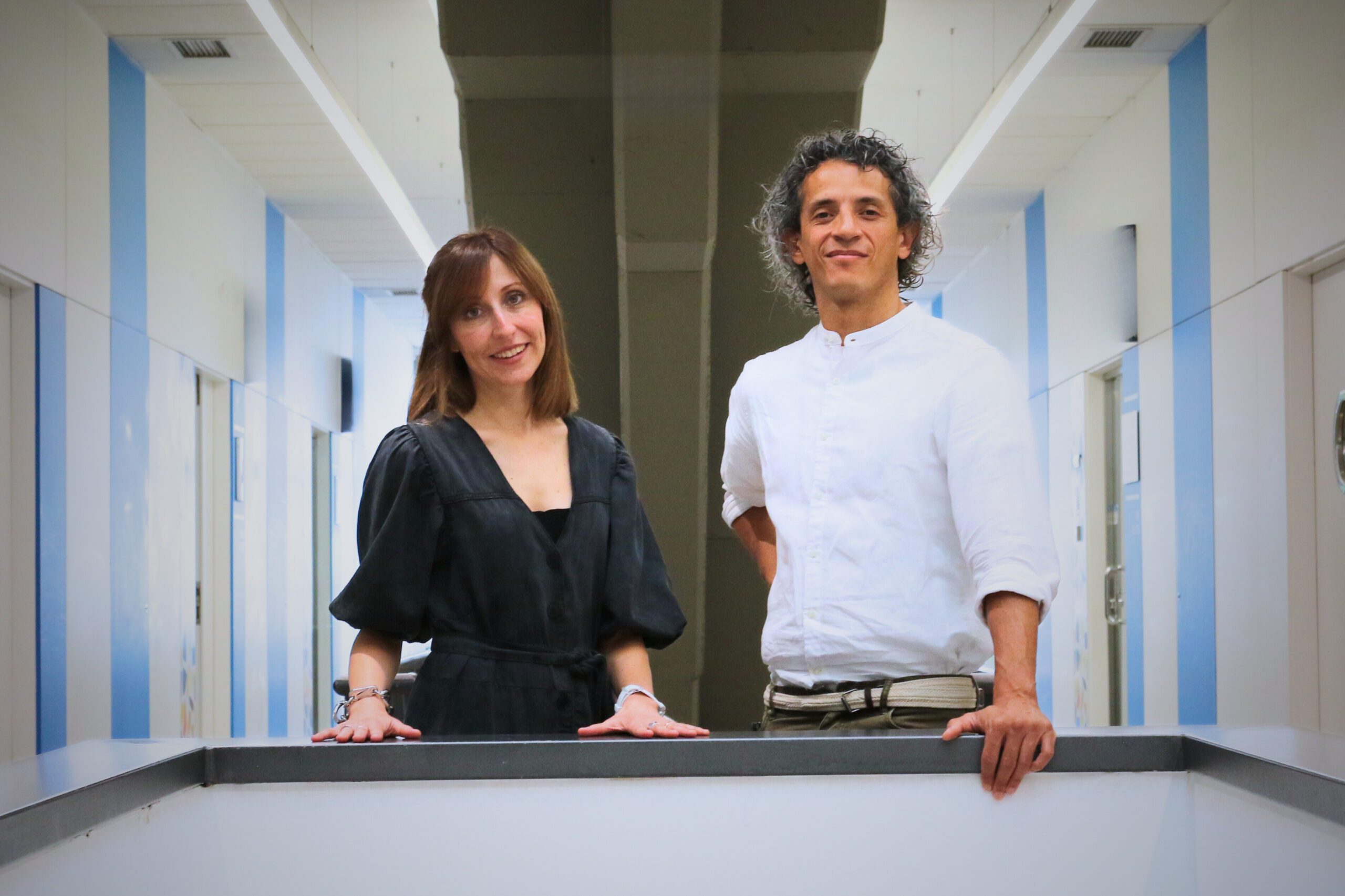
Anna Lagunas and Daniel González-Carter, who are both senior researchers at the Institute of Bioengineering of Catalonia (IBEC), will be leading these projects as part of the 2025 edition of the programme. This initiative by the “la Caixa” Foundation aims to accelerate the commercialisation of biomedical innovations to make them available to patients who need them more quickly. The two IBEC projects focus on treating diseases that affect the brain.
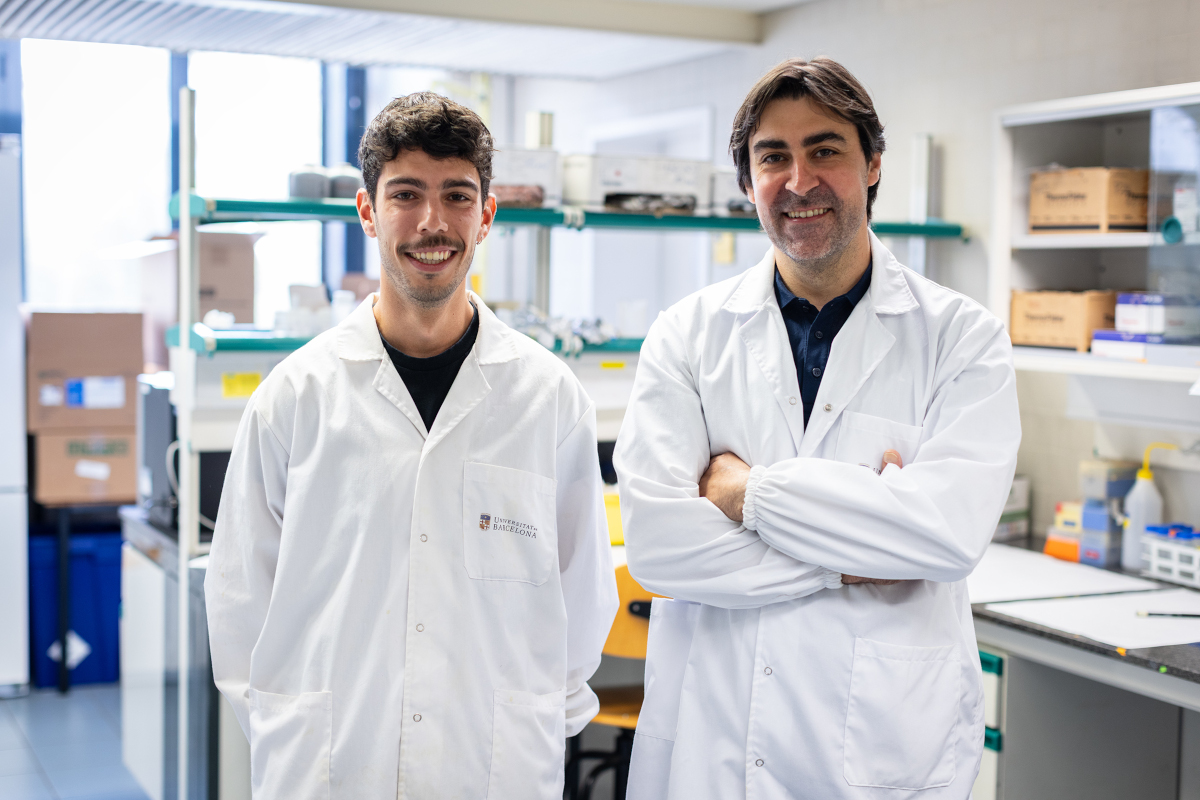
A study led by the University of Barcelona in collaboraiton with the Institute for Bioengineering of Catalonia reveals that the functional assay dynamic BH3 profiling (DBP) can predict whether specific treatments will be effective in non-small cell lung cancer patients. The technique helps determine which therapy will be most effective by testing it directly on living cells, improving personalised therapies.
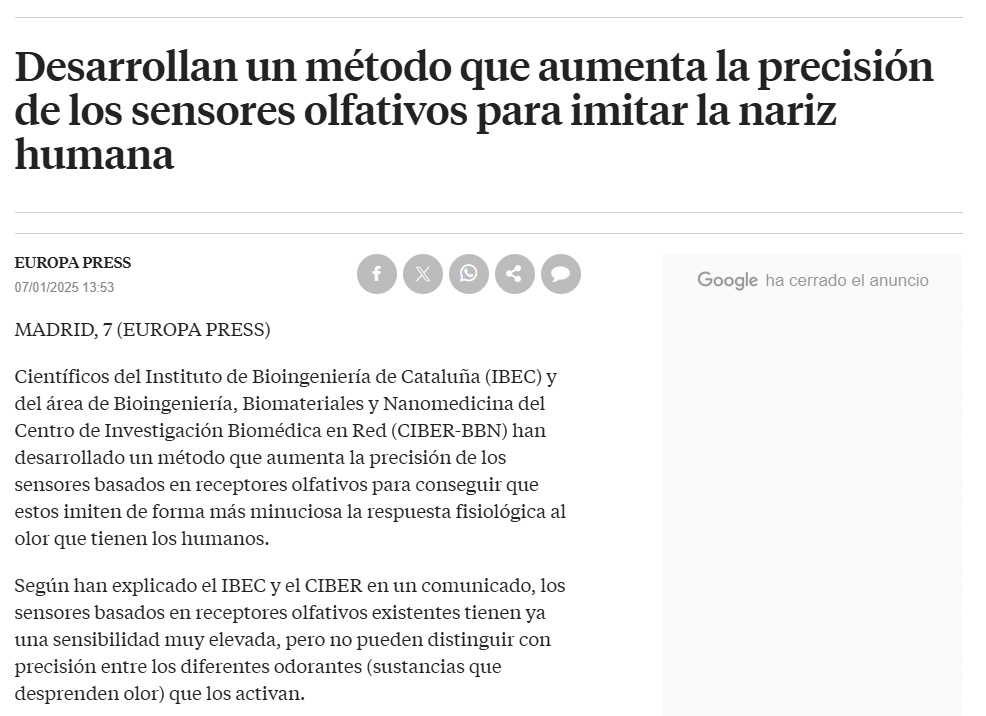
Científicos del Instituto de Bioingeniería de Cataluña (IBEC) y del CIBER-BBN han desarrollado un método que mejora la precisión de los sensores olfativos basados en receptores biológicos. Este avance permite … Read more

A study led by the Institute for Bioengineering of Catalonia (IBEC) and the CIBER’s Bioengineering, Biomaterials and Nanomedicine (CIBER-BBN) describes a method that mimics the physiological response to smell. The system makes it possible to discriminate between odours with very similar characteristics based on the binding interaction with the receptor, which causes a change in the capacitive response of the receptor. The application of this methodology opens the door to the development of highly selective olfactory biosensors.

The Institute for Bioengineering of Catalonia and the Sant Joan de Déu Barcelona Children’s Hospital have held a joint conference to strengthen collaboration in bioengineering and translational medicine. The event, held this morning at the IBEC, highlighted innovative projects, presented a joint PhD programme and encouraged the exchange of ideas between researchers from both institutions.
The latest developments in nanotechnology, biotechnology and medicine were presented at the NanoBio&Med 2024 International Conference, held this week at the Barcelona Science Park (PCB) from 5 to 7 November. This is an annual event designed to establish new collaborations and promote innovative projects in the scientific-industrial sector.