
Young at heart: novel temporal window of cardiac regeneration
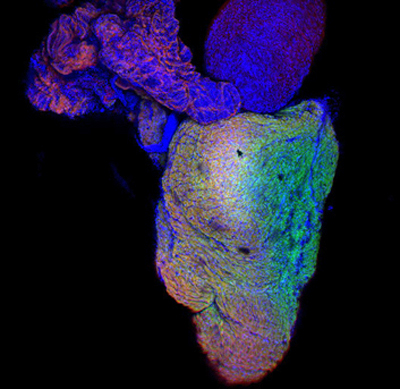
 A study carried out at CMR[B] in collaboration with IBEC and the UB has established that the ability of the heart to regenerate after a wound is related to the stiffness of its cellular environment and not only to the proliferative capacity of the cardiac cells, narrowing the window of regeneration to 48 hours after birth.
The research, published in Science Advances, paves the way for the development of therapies based on the pharmacological modification of the extracellular matrix to promote tissue regeneration after a heart attack or stroke.

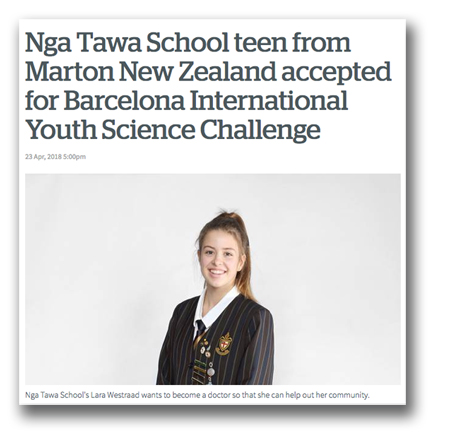
 IBEC appears today in the New Zealand Herald, the newspaper with the largest circulation in the country.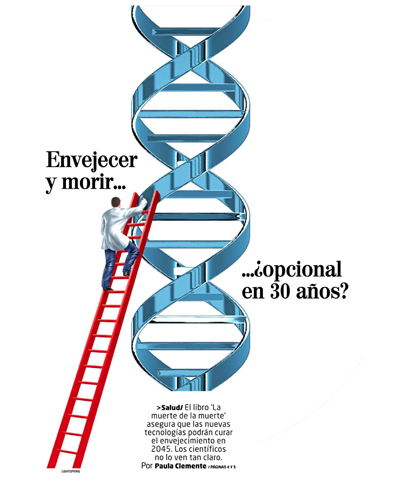
 IBEC director Josep Samitier features in an article today in El Mundo.
 Representatives from IBEC were in Boston, Massachusetts last week taking part in a business mission to accelerate the application of 3D printing to health.

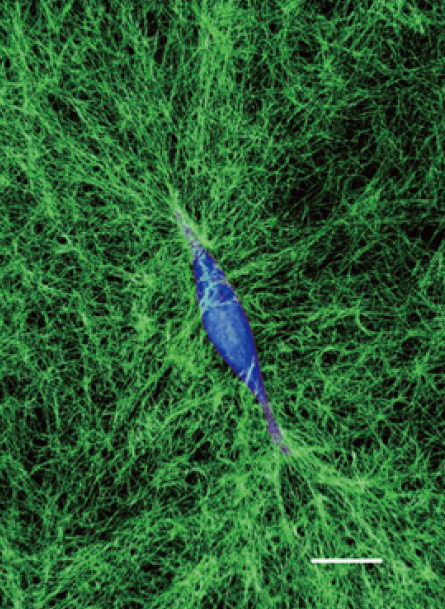
 Researchers at IBEC and MIT have shown that cells could use their environment to mechanically communicate with each other within tissues. It’s a bit like when an army cadet pulls some rope netting taut so that his friend can safely ascend.
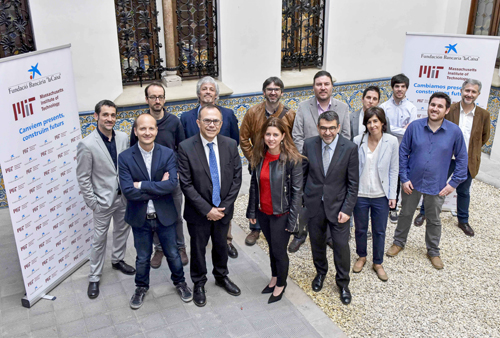 IBEC is the recipient of one of twelve MIT-Spain ”la Caixa” Foundation Seed Fund grants under a brand new funding programme in collaboration with the Massachusetts Institute of Technology.