Search Results for:
Laboratory Assistant at the Biosensors for Bioengineering Research Group

Ref: LA-JR // Deadline: 15/10/2025
Laboratory Technician at the Cellular and Molecular Mechanobiology Research Group
Ref: LT_PR // Deadline: 12/10/2025
Descubierto un papel clave de los protones y los iones superóxido en la cadena respiratoria
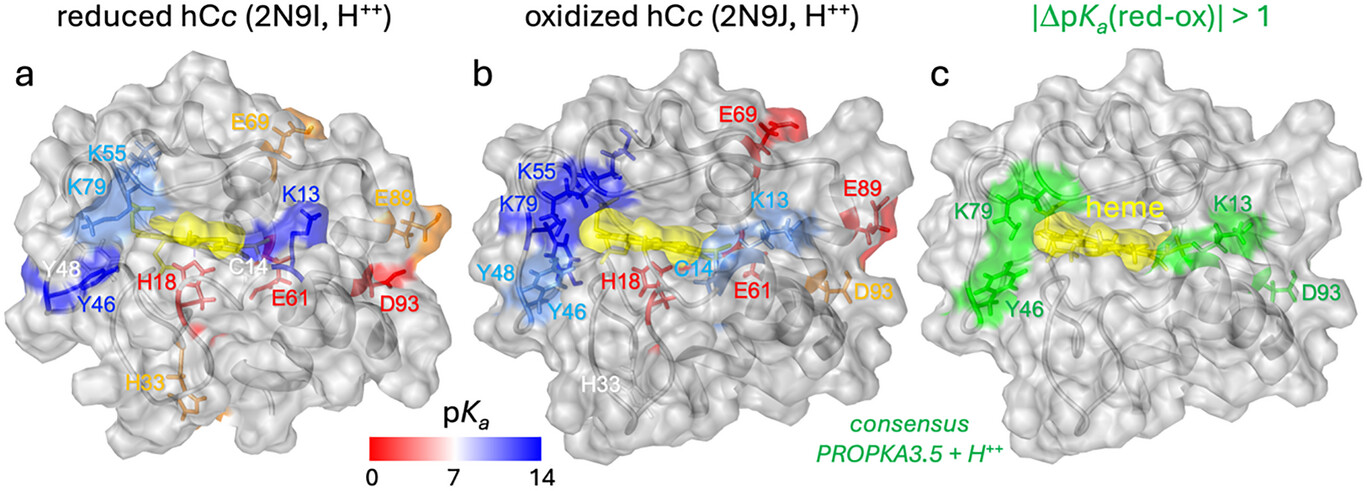
Un estudio liderado por el Instituto de Bioingeniería de Cataluña (IBEC) revela que los protones y las especies reactivas de oxígeno son mediadores en el transporte de carga a larga distancia en la cadena respiratoria mitocondrial, un proceso fundamental en la respiración celular de los organismos. Comprender estos mecanismos es clave, ya que las mitocondrias actúan como la central energética de todas las células y su alteración se asocia a numerosas enfermedades.
Biointegrated Materials and Engineering
At the Biointegrated Materials and Engineering Lab (a.k.a., the Fermart Lab), we believe that materials science and engineering define the boundaries of technological progress and shape the nature of societies. … Read more
El IBEC codirigirá dos proyectos galardonados con las Becas Turrón Solidario de RAC1 y Torrons Vicens
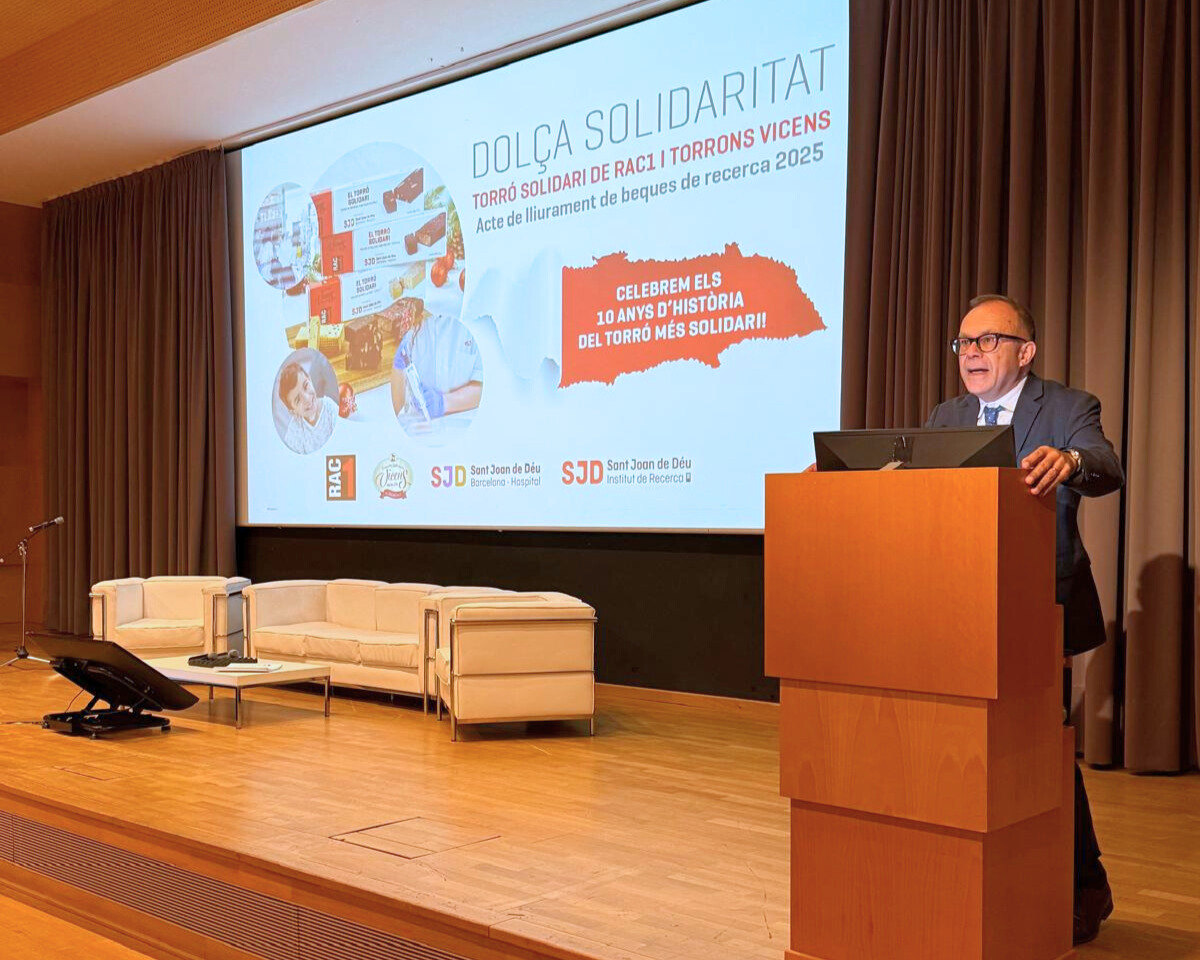
Hoy ha tenido lugar el acto de entrega de las Becas Turrón Solidario de RAC1 y Torrons Vicens. En esta segunda convocatoria el Instituto de Bioingeniería de Cataluña (IBEC) ha sido seleccionado para codirigir dos de los cuatro proyectos galardonados. El objetivo de la convocatoria 2025 es estimular la investigación y la innovación en enfermedades minoritarias pediátricas en el Hospital Sant Joan de Déu bajo el paraguas del Proyecto «ÚNICAS».
Predoctoral researcher at the Smart NanoBioDevices Research Group (Project BiOrganiBOTS)
Ref: FPI_SS // Deadline: 29/10/2025
Predoctoral researcher at the Molecular Bionics Research Group (Project TauiST)
Ref: FPI_GB // Deadline: 29/10/2025
Predoctoral researcher at the Targeted Therapeutics & Nanodevices Research Group (Project BRAINZYME)
Ref: FPI_SM // Deadline: 29/10/2025