DONATE

How cells decide when to react could shape future treatments for cancer and fibrosis

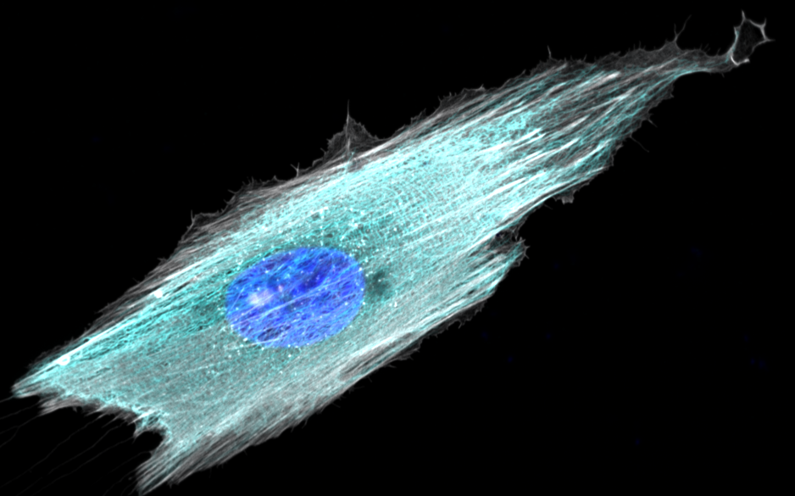
Scientists from the Institute for Bioengineering of Catalonia (IBEC) and King’s College London have discovered that cells do not just sense mechanical forces but also measure how long those forces last before responding. The findings, published in Nature Materials, reveal a timing mechanism that allows cells to ignore brief mechanical noise while reacting to sustained changes, a process that is crucial in diseases such as cancer and fibrosis.

Scientists create living tissues capable of changing shape in a programmed manner

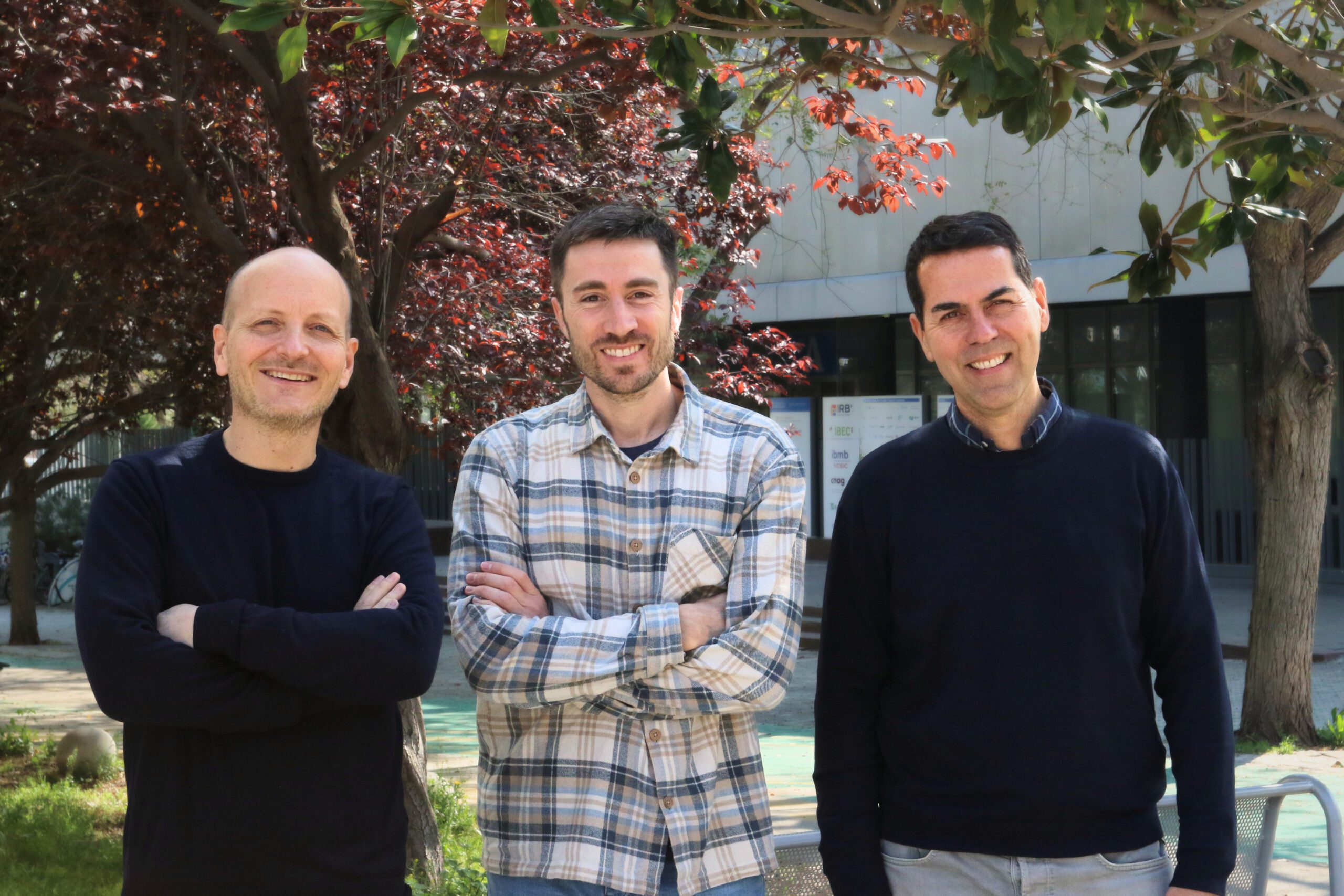
Researchers at the Institute for Bioengineering for Catalonia (IBEC), the Polytechnic University of Catalonia – BarcelonaTech (UPC) and the International Centre for Numerical Methods in Engineering (CIMNE) have developed a new strategy for ‘programming’ the shape of biological tissues in vitro. The study, published in the journal Science, is the first to demonstrate that it is possible to guide the forces and final shape of living tissue by controlling the orientation of its cells. The research opens the door to new applications in tissue engineering, biohybrid robotics, and the design of smart living materials.

BIST calls for reforms to turn scientific discoveries into European industry

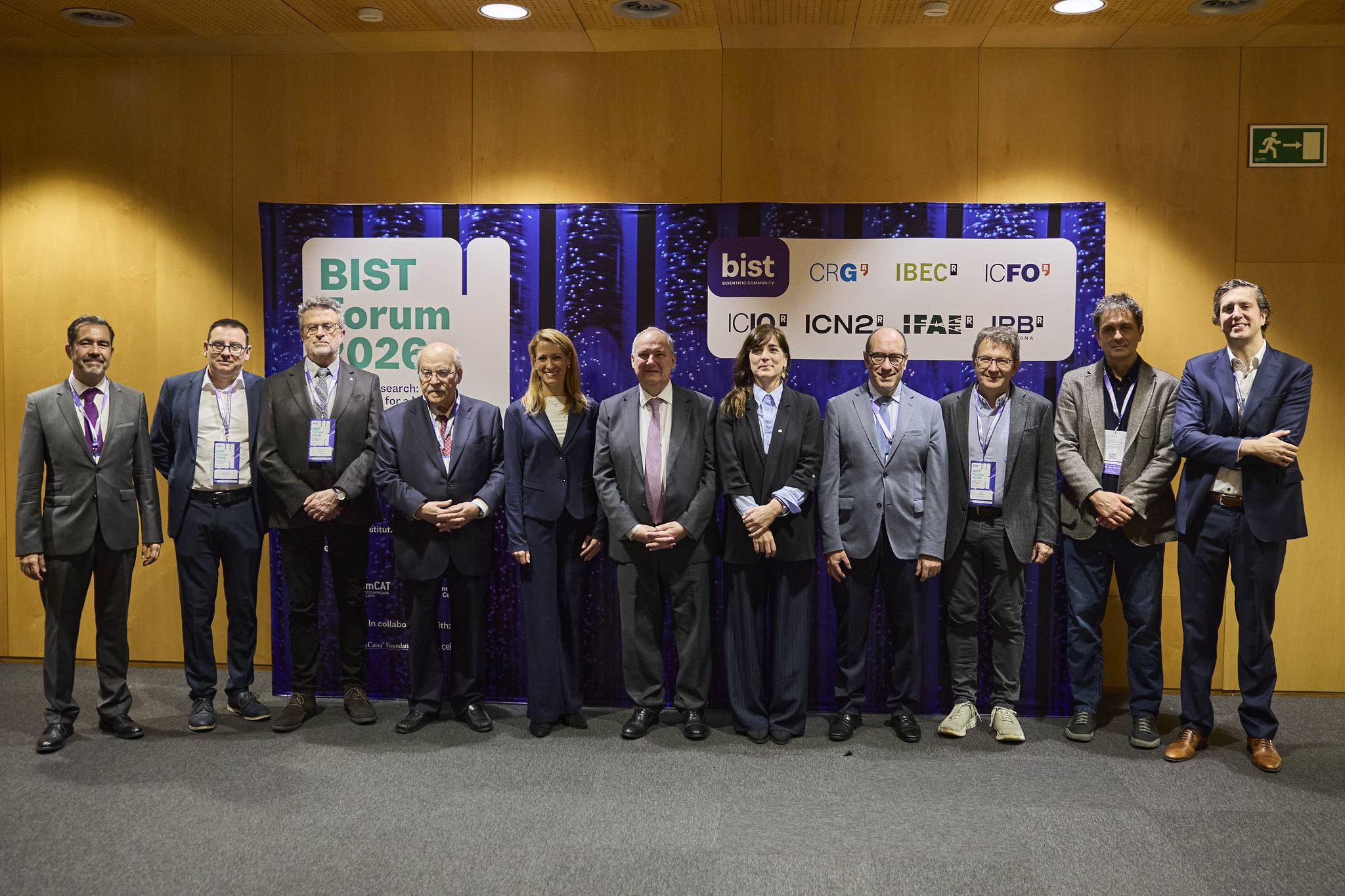
The BIST Forum 2026 brought together scientists and representatives from academic, economic and social institutions to discuss how frontier research can help build Europe’s industries of the future. The event also announced the recipients of the BIST To the Mothers of Science and Ignite programmes.

INTROPY: A new approach to cancer therapy by inhibiting mechanotransduction

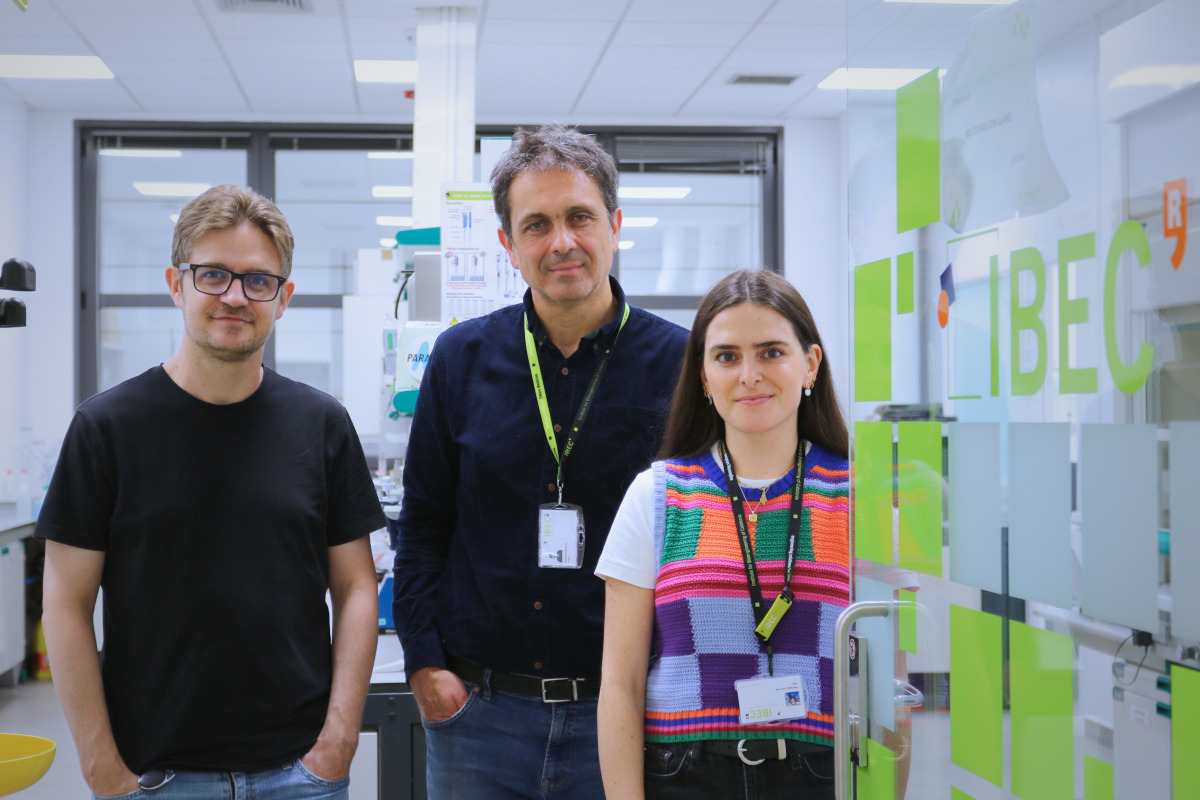
IBEC senior researcher Pere Roca-Cusachs has been awarded an ERC Proof of Concept Grant. This is a prestigious grant awarded by the European Research Council to explore the commercial and societal potential of research projects carried out at European institutions. Roca-Cusachs’ project, INTROPY, focuses on the inhibition of mechanotransduction as a potential therapy against cancer or fibrosis.

Viscosity of materials key to cell differentiation

An IBEC-led study has revealed how mesenchymal stem cells respond to the viscosity of their environment, a key aspect in their differentiation process. The research, published in Nature Communications, provides new insights that could revolutionise the design of biomaterials for regenerative medicine applications.

Pere Roca-Cusachs receives ICREA Acadèmia program distinction for the second time

IBEC researcher Pere Roca-Cusachs has been awarded the “ICREA Academia” distinction by the Catalan Institution for Research and Advanced Studies (ICREA). The leader of IBEC’s Cellular and Molecular Mechanobiology group received the award in the Life & Medical Sciences category.

Success at the conclusion of the 6th edition of the course “Mad for Bioengineering”

For the sixth consecutive year, IBEC has successfully hosted its ‘Mad for Bioengineering’ course with the support of the Catalunya La Pedrera Foundation. Geared towards 1st-year high school students interested in STEM careers, the program provides a unique immersion in the field of bioengineering, addressing health issues from a multidisciplinary perspective. The closing ceremony, attended by students and their families, featured presentations of final projects and the awarding of diplomas.

Preventing the tissue’s response to stiffness may be key to slowing the progression of breast tumors

A study led by the Institute of Bioengineering of Catalonia demonstrates that laminin, a protein present in breast tissues, prevents the effects of stiffening, protecting cells against tumor growth. While the mechanism has been demonstrated in vitro, persuasive indications suggest its potential applicability in vivo, as observed in patient samples.