Metrópoles: Vídeo: registro mostra implantação de embrião humano pela primeira vez
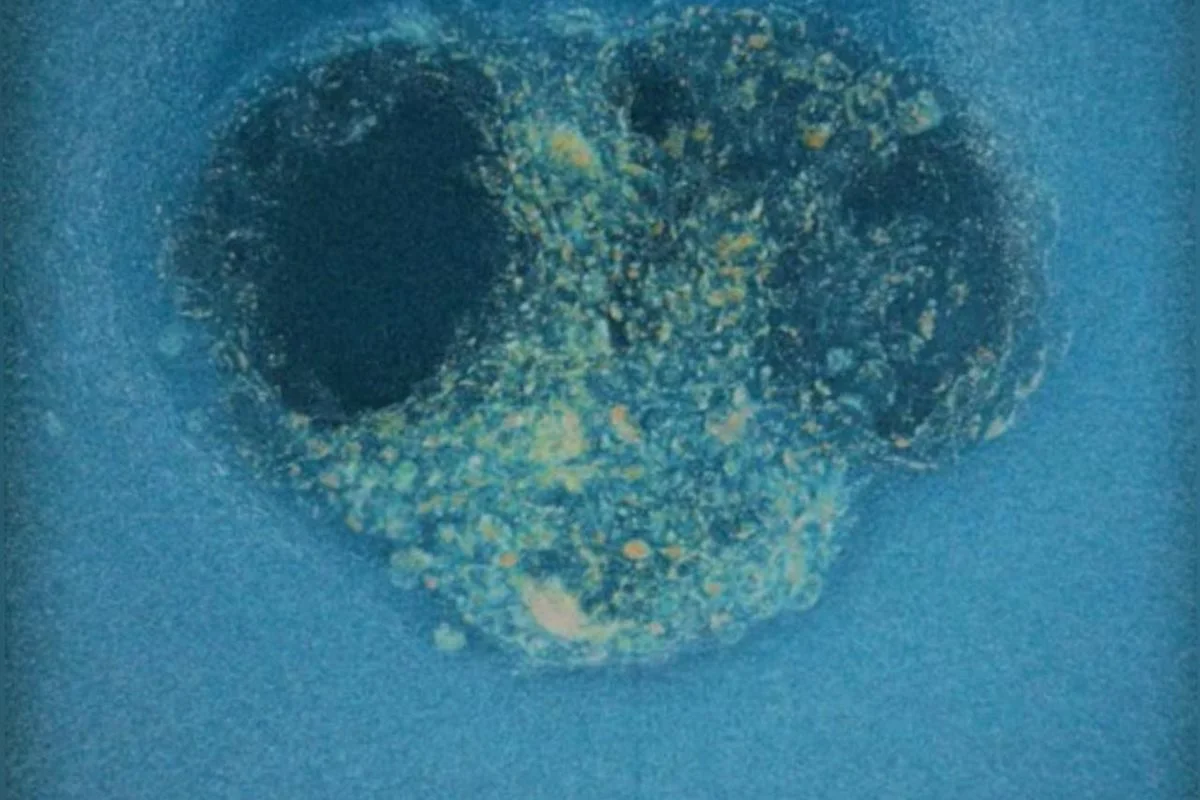
Imagens inéditas revelam como embriões humanos invadem o tecido uterino e explica causa comum de infertilidade

 Sarah Moreira
Imagens inéditas revelam como embriões humanos invadem o tecido uterino e explica causa comum de infertilidade
Investigadores españoles crean un sistema en el laboratorio que simula las capas externas del útero en 3D. “Ayudará a mejorar la tasa de fecundación in vitro”.
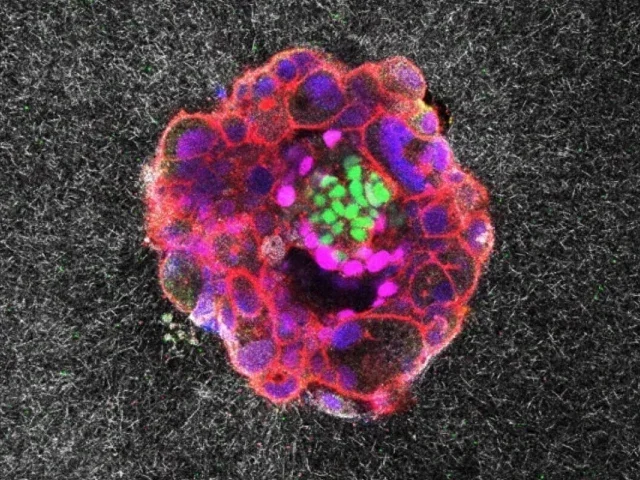
Scientists at the Institute for Bioengineering of Catalonia in Barcelona have recorded footage of a key stage of human development in real time, and in 3D, for the first time. In doing so, they witnessed a surprisingly invasive event that they hope could provide insights that may one day help treat infertility.
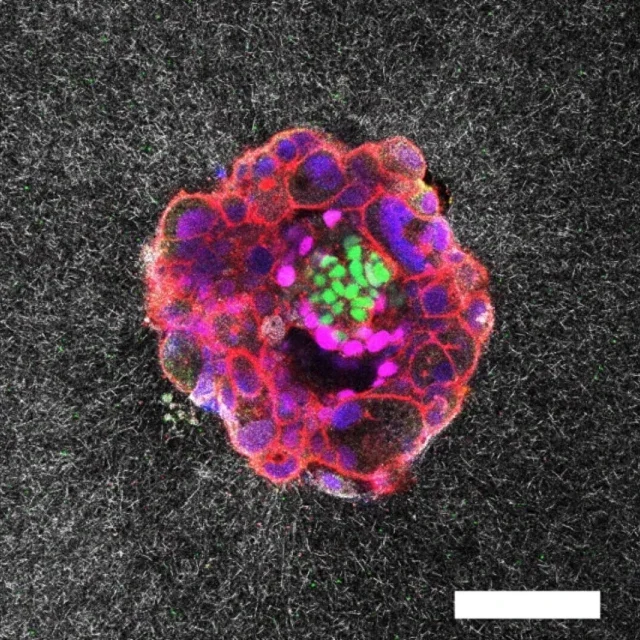
For the first time, scientists have recorded a human embryo implanting into a womb in real time, a feat the researchers hope will lead to new ways to treat infertility and prevent miscarriages.
Researchers at the Institute for Bioengineering of Catalonia (IBEC) have recorded human embryo implantation in real time for the first time, using an innovative system developed in the laboratory that simulates the outer layers of the uterus in 3D. Implantation failure is one of the main causes of infertility, accounting for 60% of miscarriages. The work, published in the journal Science Advances, may help to better understand the mechanisms underlying the implantation process, improving fertility rates and optimising assisted reproduction processes.
Investigadores del Instituto de Bioingeniería de Cataluña recrean un útero artificial y observan en directo y de forma inédita uno de los momentos clave en el desarrollo de una persona
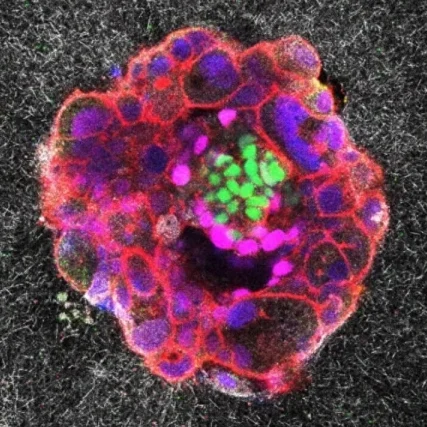
Groundbreaking footage shows ‘surprisingly invasive’ process and may help to improve infertility treatments
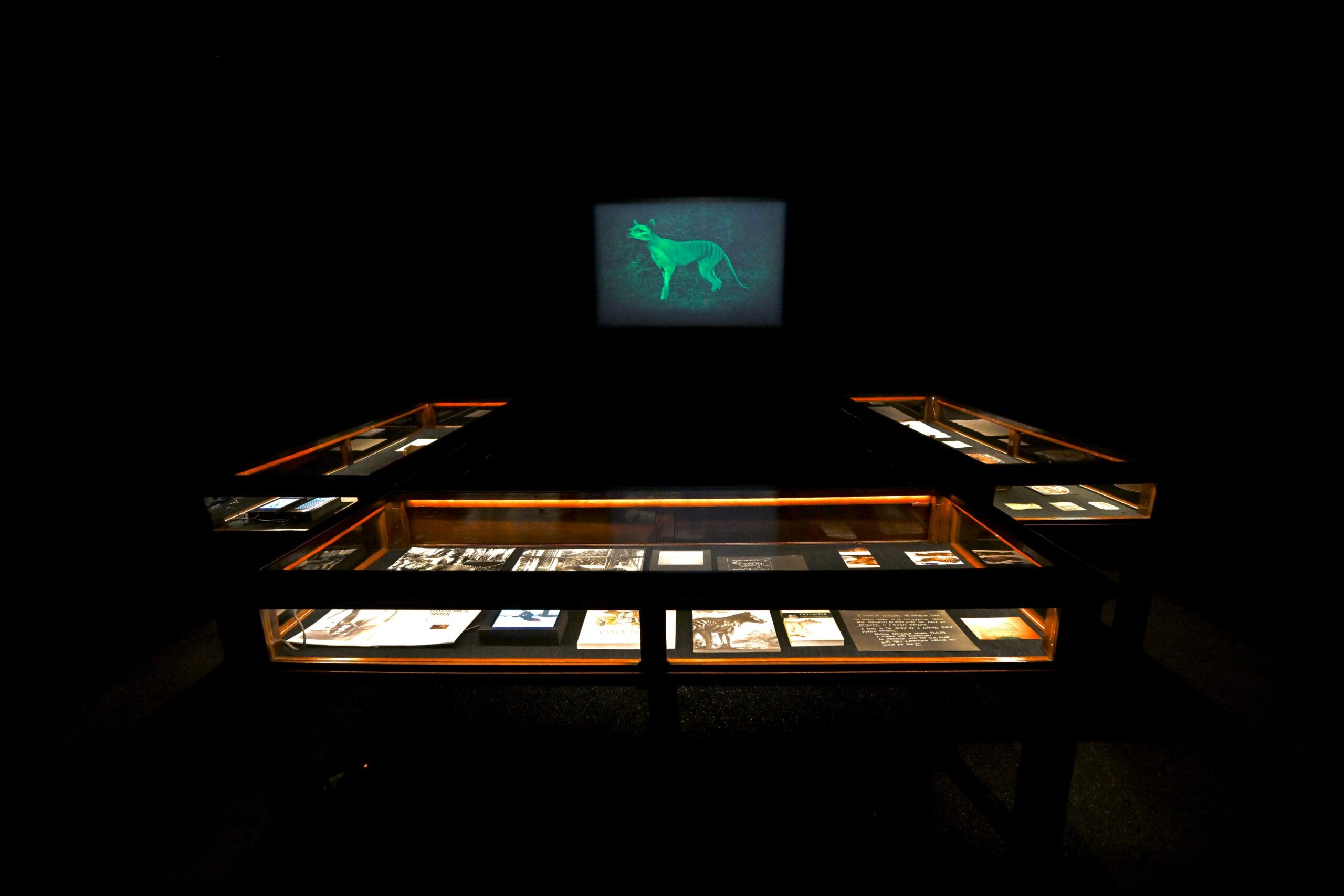
The Institute for Bioengineering of Catalonia (IBEC) attended the opening of the exhibition, which highlights extinct fauna that remains present in the collective imagination. The exhibition includes a section dedicated to the Tasmanian tiger featuring a piece by Antoni Muntadas, on which IBEC collaborated with Benedetta Bolognesi, a principal investigator at the institute.
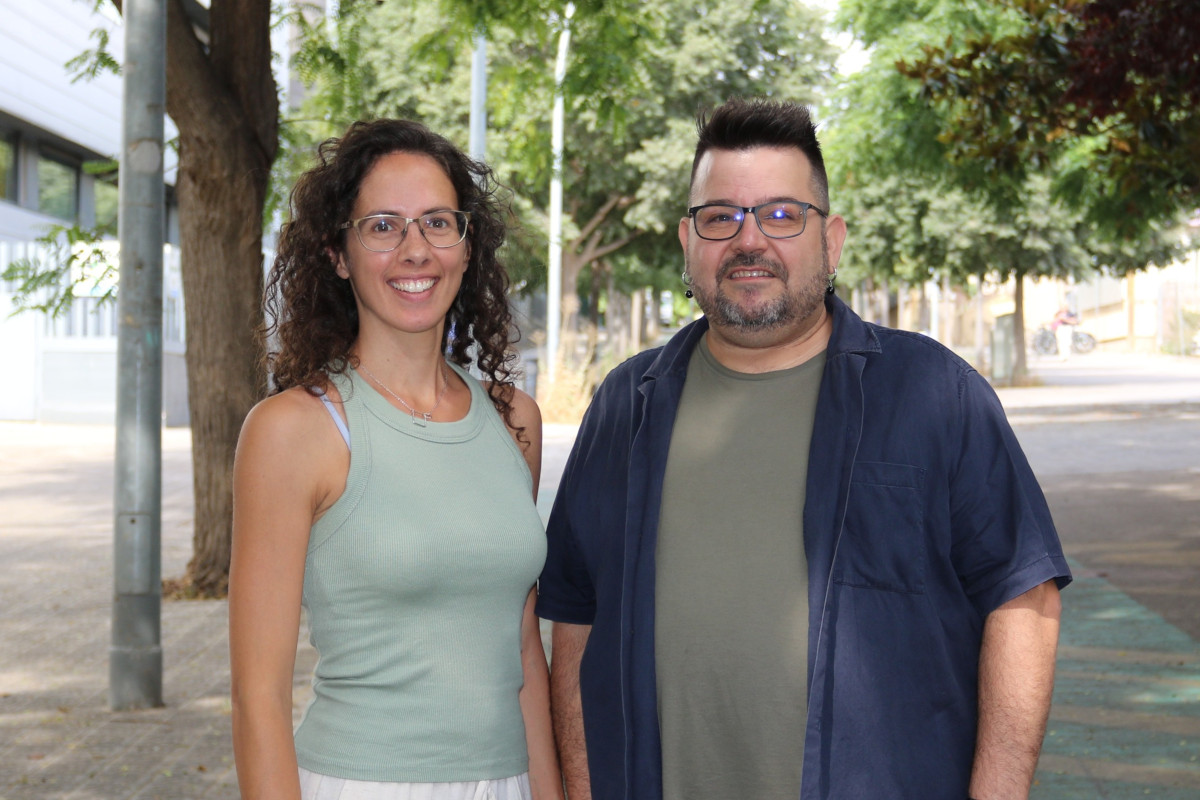
IBEC researcher Juanma Fernández recently has received funding from the French AFM-Telethon to carry out the project “Monitoring of fibrotic processes in 3D skeletal muscle co-cultures for Muscular Dystrophies using plasmonic biosensors”. The objective is to develop multiplexing sensor devices to achieve online, real-time sensing capability to monitor fibrosis markers and evaluate drug response in muscular dystrophy in vitro models.
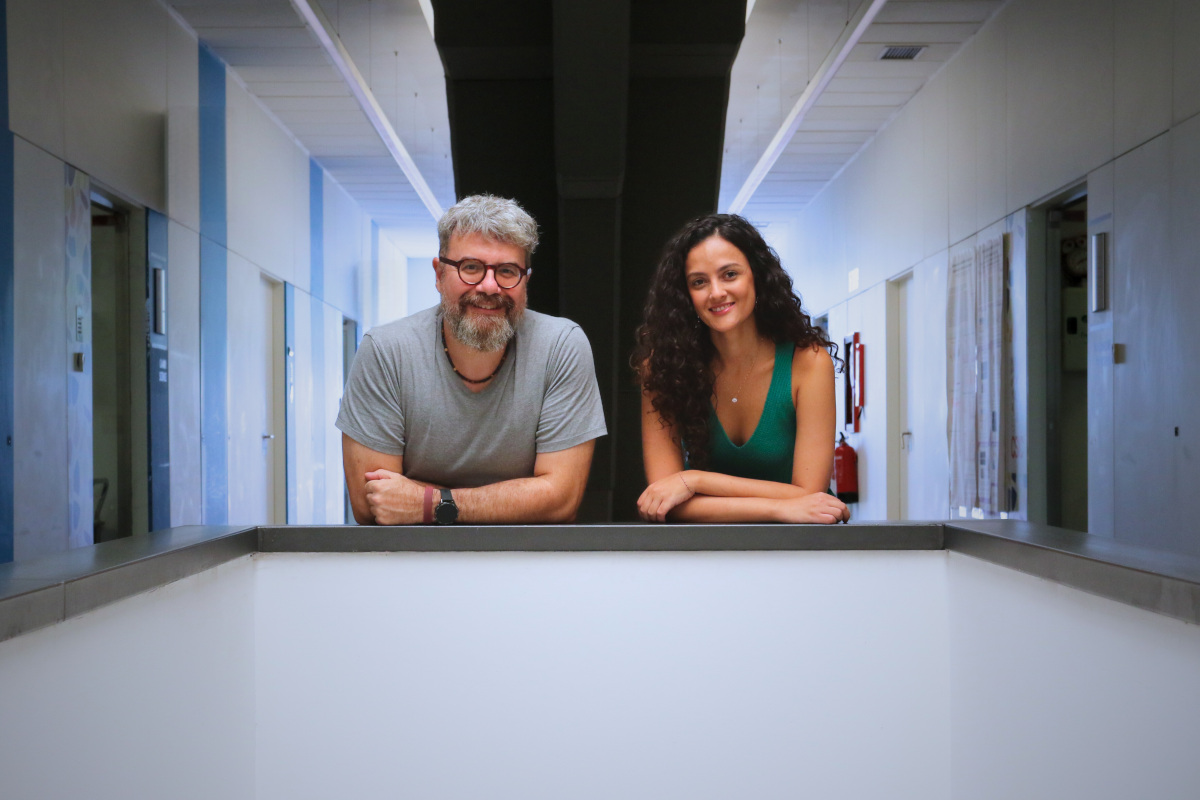
Researchers at the Institute for Bioengineering of Catalonia (IBEC) have created the world’s simplest artificial cell capable of chemical navigation, migrating toward specific substances like living cells do. This breakthrough, published in Science Advances, demonstrates how microscopic bubbles, called vesicles, can be programmed to follow chemical trails. This breakthrough reveals the bare essentials needed to make synthetic life move with purpose. Decoding how vesicles navigate reveals how cells communicate and transport cargo, and provides a blueprint for engineering targeted drug delivery systems