DONATE

An unprecedented mutation map reveals how amylin mutations influence type 2 diabetes

A study by the Institute for Bioengineering of Catalonia (IBEC) has created a mutational map of the hormone amylin, the aggregation of which can damage pancreatic cells and lead to type 2 diabetes. The team analysed 1,916 variants of the protein and compared the results of this mutational map with genetic and clinical data from 500,000 individuals. The study, published in Nature Communications, sheds new light on the role of genetics in diabetes and could lead to the development of safer and more effective drugs.

A new generation of therapeutic nanorobots set to transform the medicine of the future

Samuel Sánchez

Research carried out at IBEC by Samuel Sánchez and his team has led to the development of a new generation of therapeutic nanorobots. These nanorobots can move through the body, reach tumours and deliver drugs with great precision. These nanorobots have already reduced bladder tumours by up to 90% in preclinical models and are being investigated for use in treating other diseases. They were presented to the public at MWC26 through an immersive experience demonstrating how this technology could transform future treatments.

IBEC participates in the first Workplace Travel Plan launched by the Barcelona Science Park to promote more sustainable mobility

The University of Barcelona Science Park (PCB-UB) has launched its first Workplace Travel Plan (PDE), a joint initiative by the Institute for Bioengineering of Catalonia (IBEC), the Institute for Research in Biomedicine (IRB Barcelona), Biocat, the Scientific and Technological Centers of the UB (CCiTUB), and the PCB itself, aimed at improving commuting mobility and reducing the environmental impact of daily travel.

Barcelona hosts the fourth edition of the EMBL-IBEC Conference

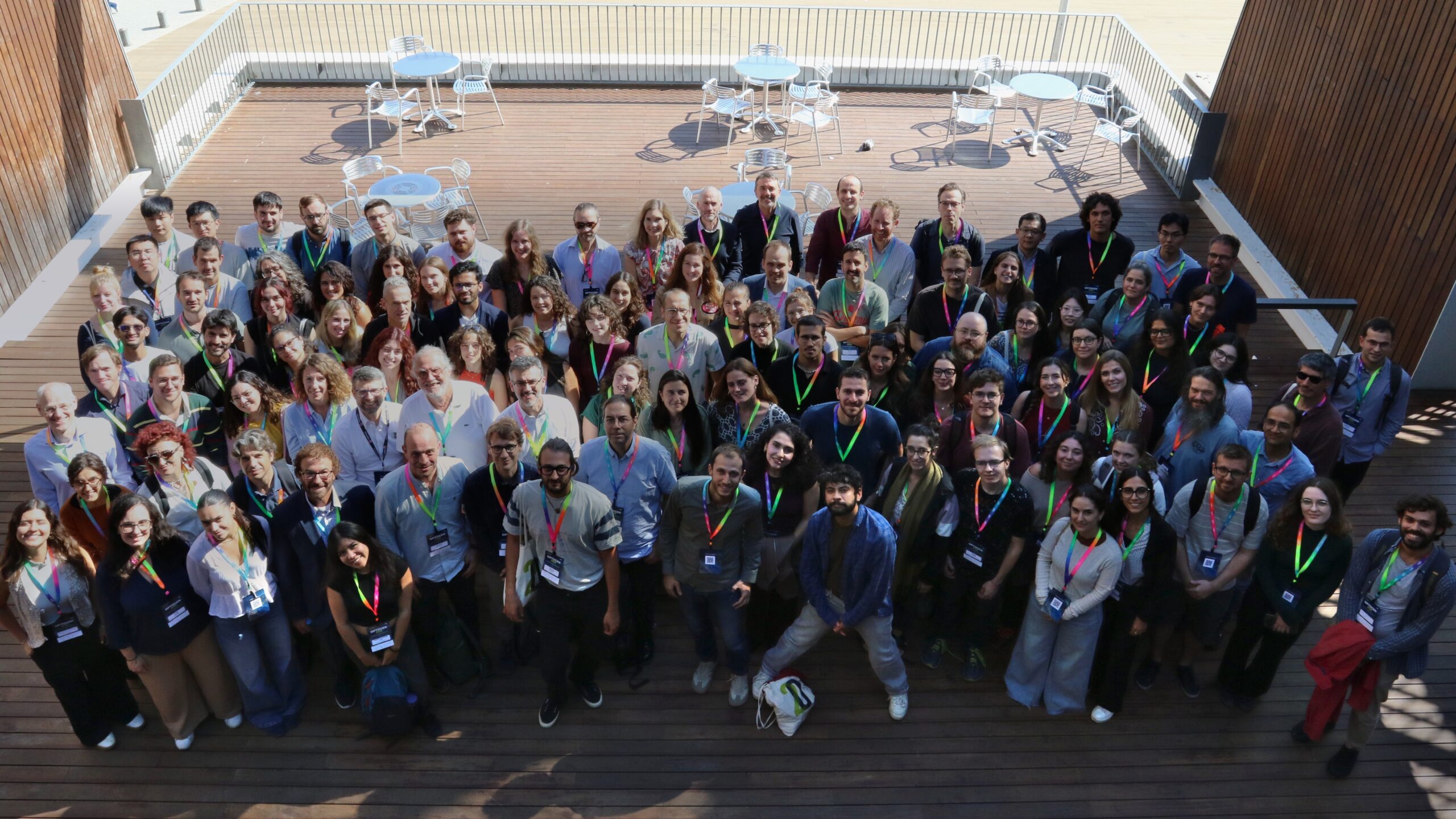
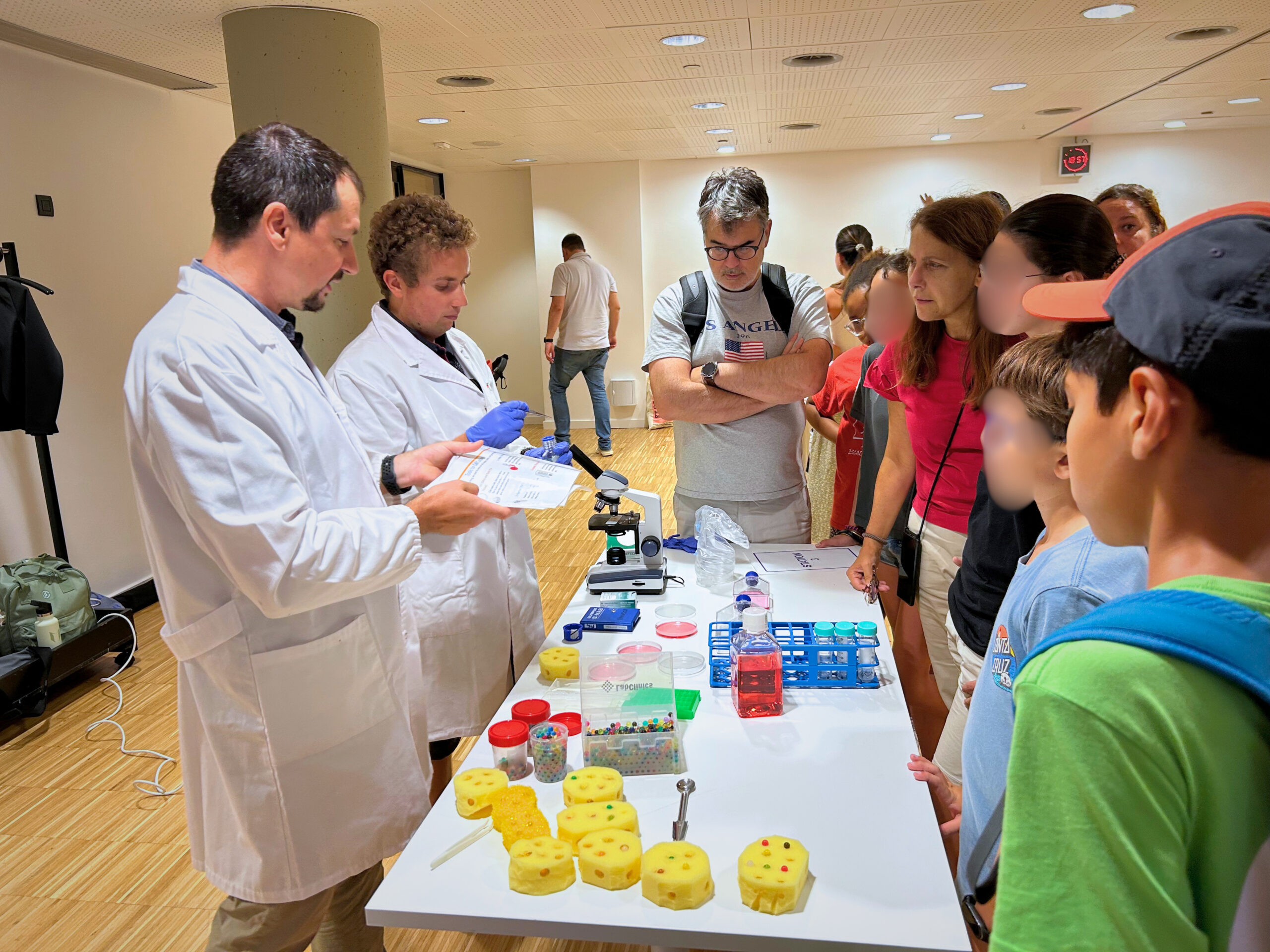
The fourth EMBL-IBEC Conference, organised by the Institute for Bioengineering of Catalonia (IBEC) and the European Molecular Biology Laboratory (EMBL), focused on disease modelling, developmental biology, and regenerative medicine. The event brought around 130 international bioengineering experts together at the PRBB in Barcelona this week.

IBEC welcomes a new international cohort of doctoral students in collaboration with hospitals and centres of excellence

The Institute for Bioengineering of Catalonia (IBEC) is pleased to welcome new international students to its PhD programme. This initiative offers excellent training and research opportunities in bioengineering, as well as strong collaboration with leading hospitals and institutions.

IBEC showcases its leadership in biomedical innovation at MWC26 with three disruptive projects

Last week, Barcelona played host to MWC26, the world’s premier technology and connectivity event. The Institute for Bioengineering of Catalonia was in attendance, showcasing some of its spin-offs and state-of-the-art biomedical technologies, including: Nanobots Therapeutics, Lumiris Spectral Solutions, and Drug4Sight.

BIST calls for reforms to turn scientific discoveries into European industry

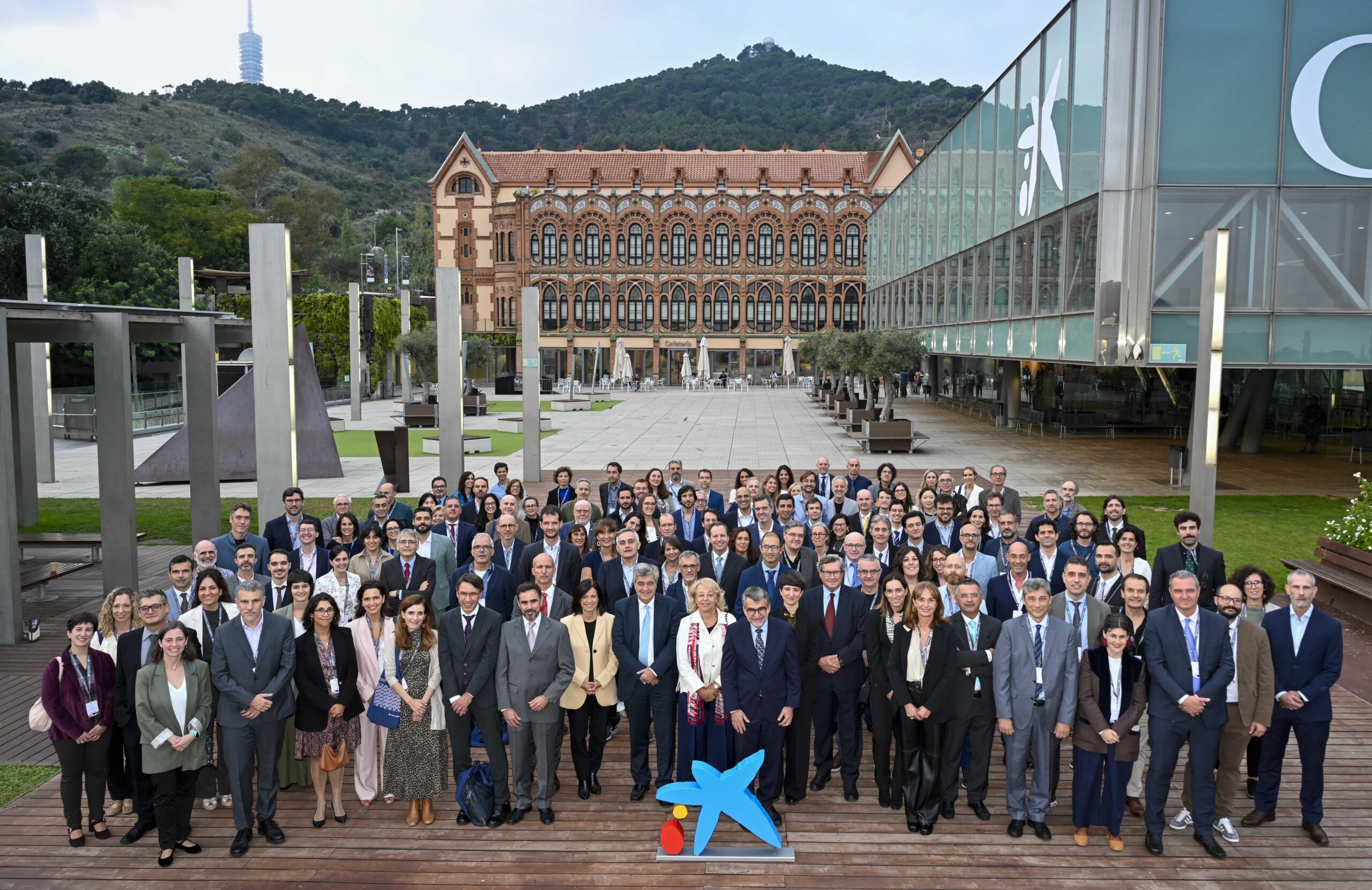
The BIST Forum 2026 brought together scientists and representatives from academic, economic and social institutions to discuss how frontier research can help build Europe’s industries of the future. The event also announced the recipients of the BIST To the Mothers of Science and Ignite programmes.

Three IBEC researchers receive grants from the Spanish Association Against Cancer

Three research projects led by IBEC researchers Xavier Rovira-Clavé, David Esporrín Ubieto and Aránzazu Villasante have been selected by the Spanish Association Against Cancer for its 2025 Grant Programme. The grant presentation ceremony, held in Barcelona today, recognised the momentum behind these initiatives, which range from advanced cell therapy platforms to smart nanomotors and innovative paediatric tumour treatment strategies.

New insights into how bacteria control DNA synthesis open the door to next‑generation antimicrobials 

A study led by the Institute for Bioengineering of Catalonia (IBEC) and the Molecular Biology Institute of Barcelona (IBMB) provides the most detailed picture to date of NrdR — the master regulator of ribonucleotide reductases (RNRs) in bacteria. Researchers obtained the first detailed images of the complete NrdR protein structure and showed how changes in the shape and grouping of this protein affect the way it controls key processes inside the cell. The findings, recently published in International Journal of Biological Macromolecules, increase our understanding of how bacteria regulate the production of the molecular building blocks of DNA, a crucial aspect for both fundamental microbiology and the development of new antimicrobial strategies.

A biological material that becomes stronger when wet could replace plastics 

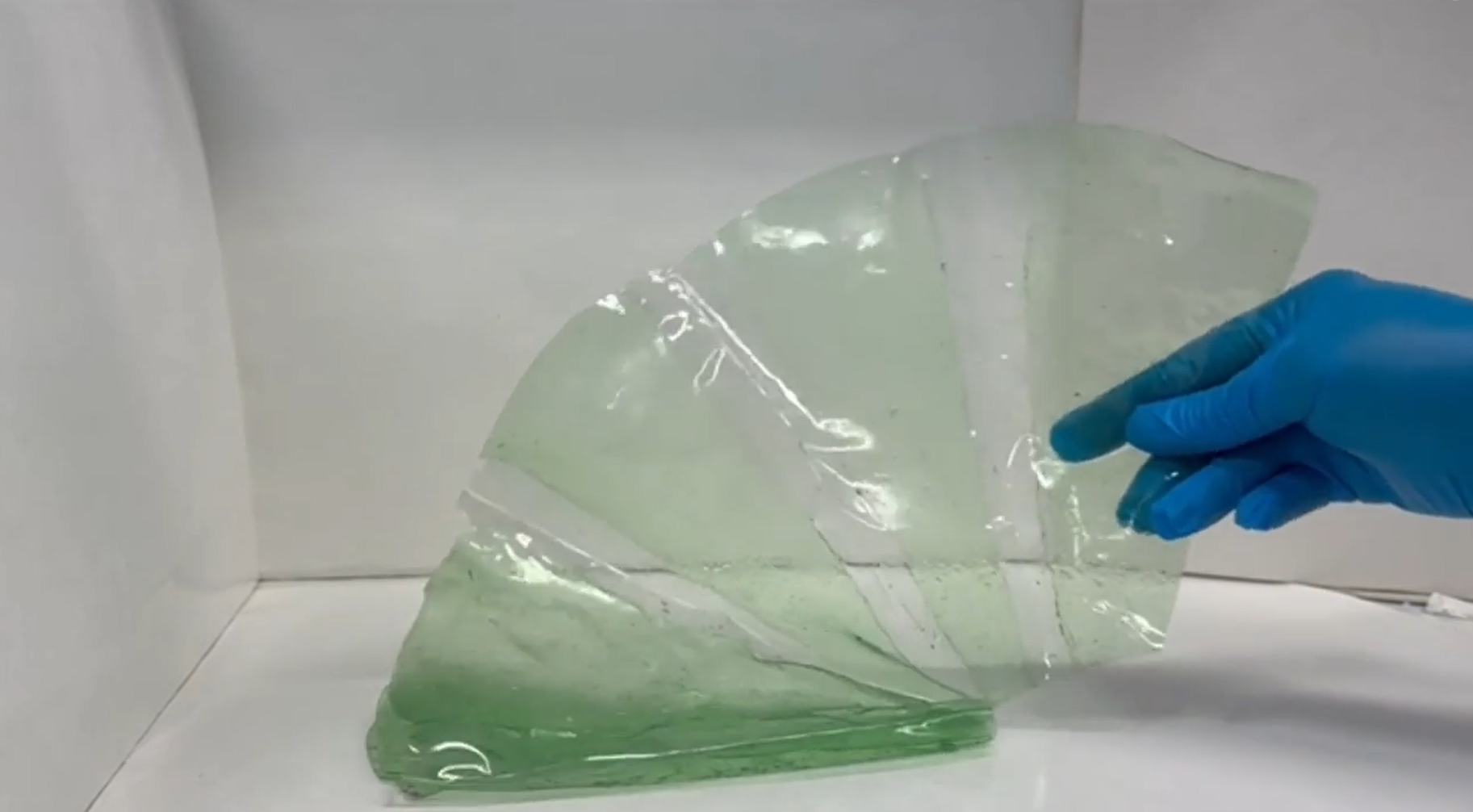
A new study led by the Institute for Bioengineering of Catalonia (IBEC) has unveiled the first biomaterial that is not only waterproof but actually becomes stronger in contact with water. The material is produced by the incorporation of nickel into the structure of chitosan, a chitinous polymer obtained from discarded shrimp shells. The development of this new biomaterial, published in Nature Communications, marks a departure from the plastic-age mindset of making materials that must isolate from their environment to perform well. Instead, it shows how sustainable materials can connect and leverage their environment, using their surrounding water to achieve mechanical performance that surpasses common plastics.