
Proteins can transfer electrons at a distance
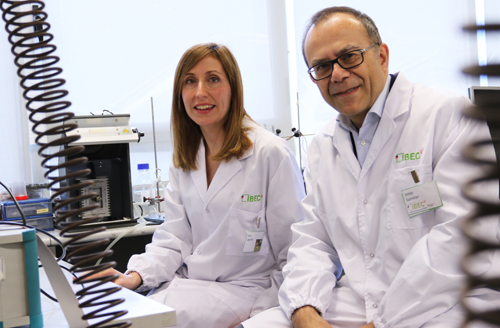
 Collaborating IBEC groups have published a study in Nature Communications that reveals that electron transfer can take place while a protein is approaching its partner site, and not only when the proteins are engaged, as was previously thought.
The results open up a new way of thinking about how proteins interact, and can have implications in a better understanding of many processes – such as photosynthesis, respiration and detoxification – in which electron transfer plays an important role.
The relocation of an electron from one chemical entity to another – electron transfer (ET) – doesn’t happen passively: electrons are carried individually by redox proteins.

 IBEC’s Biomedical Signal Processing and Interpretation (BIOSPIN) group have published a paper with King’s College London that offers new techniques to monitor COPD patients by non-invasive methods.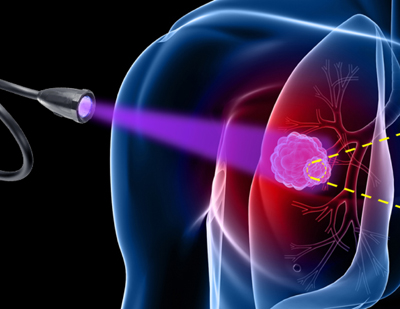
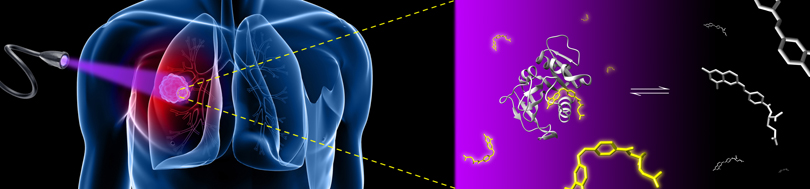 Researchers at IBEC and IDIBELL have developed a light-regulated molecule that could improve chemotherapy treatments by controlling the activity of anticancer agents.
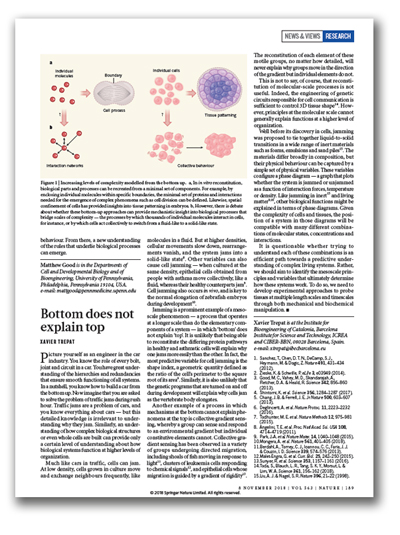
 One of the most enviable features of superheroes is their ability to stretch their bodies beyond imaginable limits. In a study published today in Nature, scientists have discovered that our cells can do just that.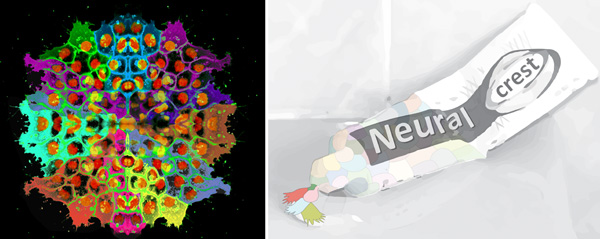
 The embryonic stem cells that form faces – neural crest cells – use an unexpected mechanism to develop our facial features, according to a new UCL-led study involving IBEC researchers.

 The Signal and Information Processing for Sensing Systems group have revealed a new analytical technique that can be used to measure cannabinoids in plants and tobacco.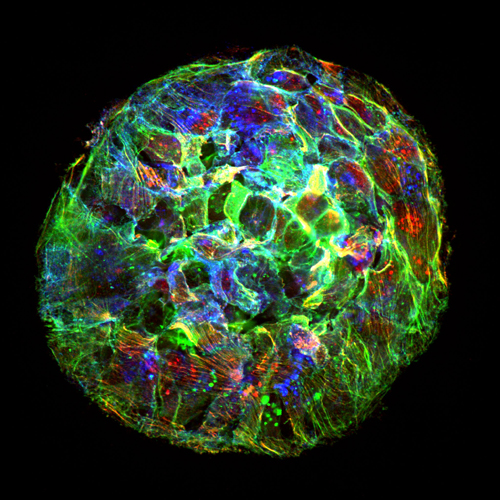
 Researchers from IBEC and UB have discovered that the way tumor cells expand defies the laws of physics.
 A study published in the American Journal of Respiratory and Critical Care Medicine has revealed that sleep apnea could promote the growth of lung cancer in younger individuals.
 IBEC’s