DONATE

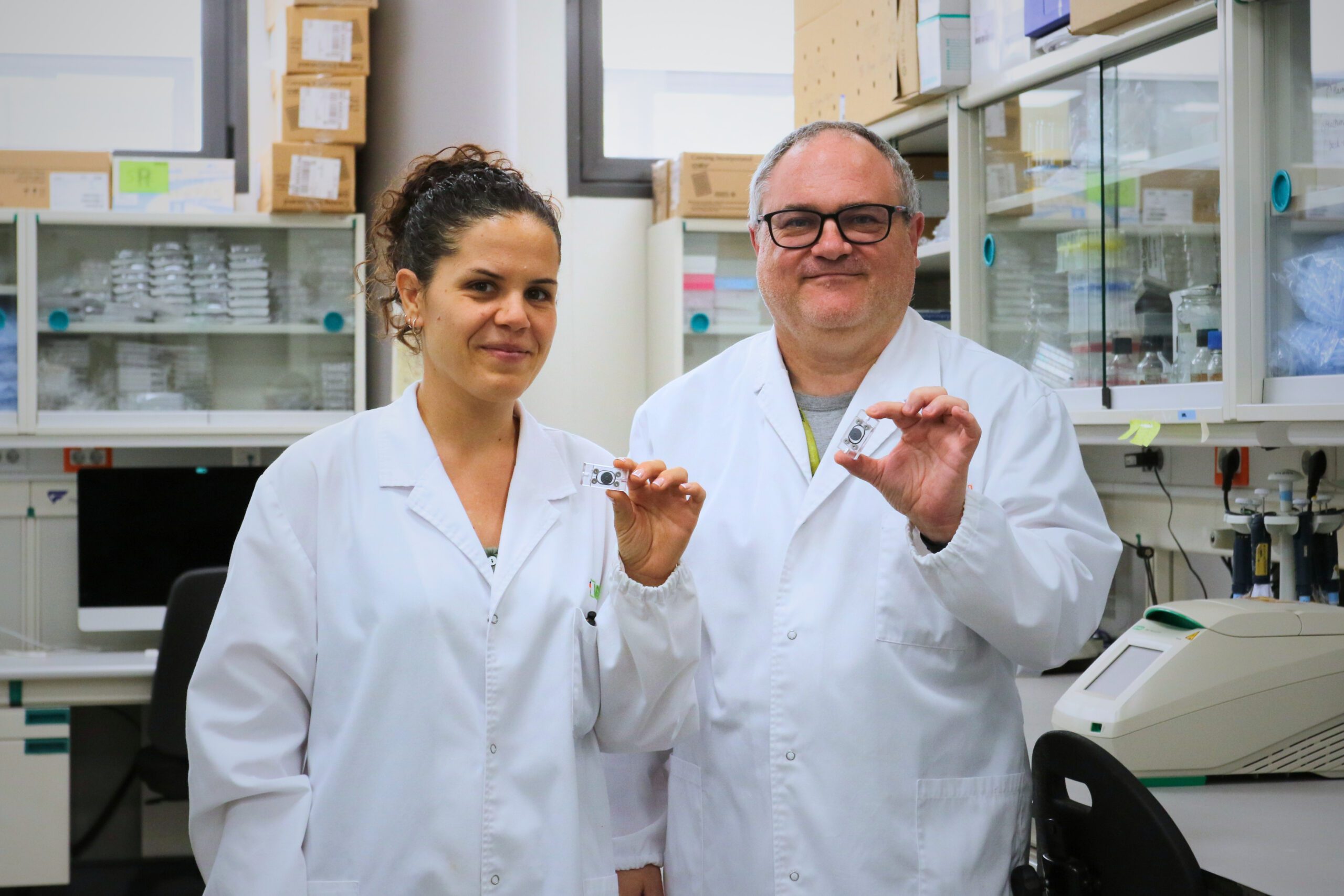
Lab-designed molecule reduces amyloid beta, the protein linked to Alzheimer’s disease, in mice

A study led by the Institute for Bioengineering of Catalonia (IBEC) identifies a molecule, P33, that partially modulates the enzyme that initiates amyloid beta formation. The results, obtained in cell cultures and in mice, open up a new avenue of chemical research into the disease.

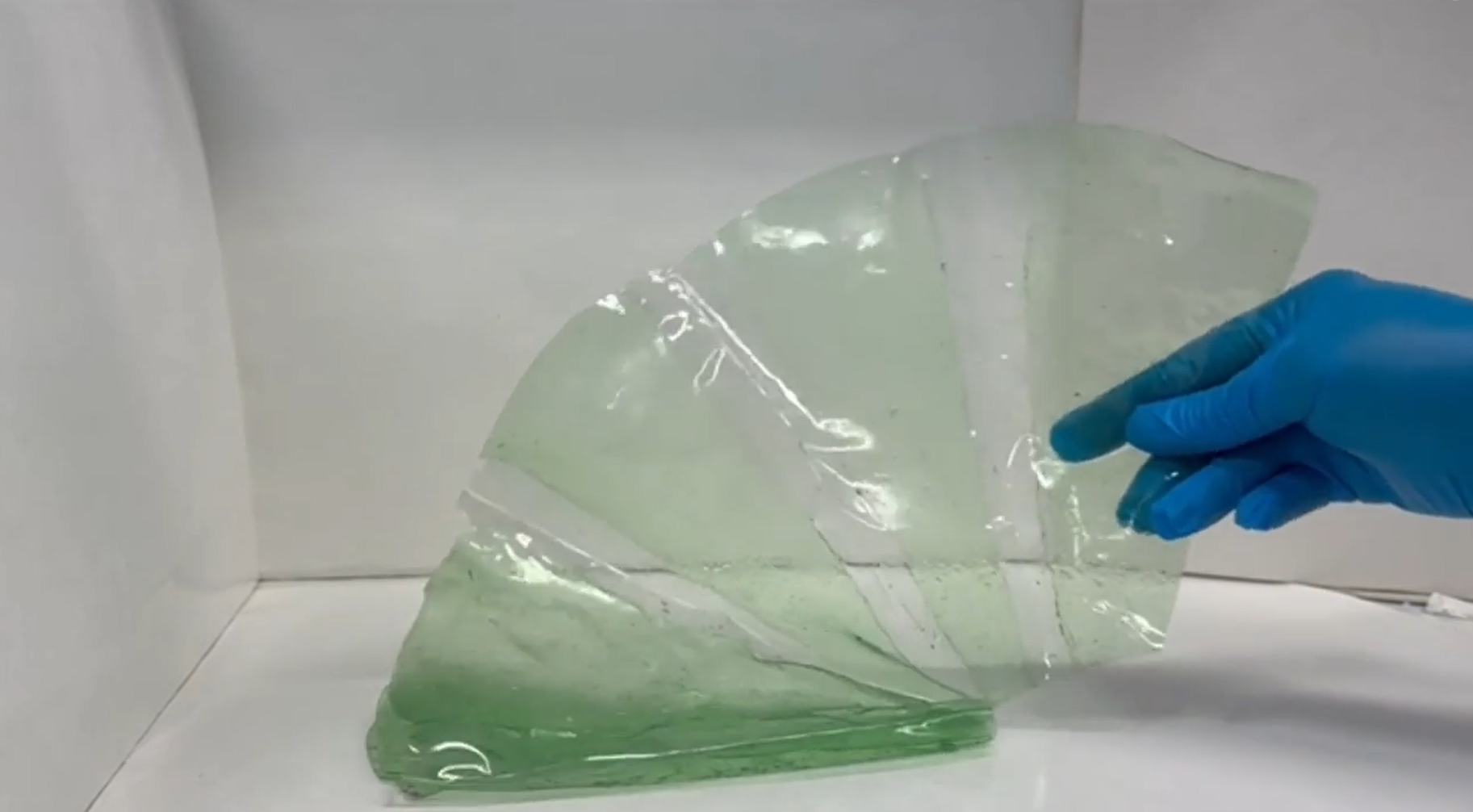
IBEC engineers a tunable material inspired by insect exoskeletons

A new study led by the Institute for Bioengineering of Catalonia (IBEC) shows that a single biomaterial can be locally “programmed” to be rigid in some areas and flexible in others, mimicking a strategy long used by insects and other arthropods. As a proof of concept, described in the Journal of Materials Chemistry A, the researchers built articulated structures combining rigid segments and flexible joints to enable controlled movement within a single continuous sheet. Inspired by how nature builds complex structures from a single material, the approach could simplify both manufacturing and recycling. Locally tuning one biodegradable material with trace amounts of metals avoids producing different materials for different functions and could allow the whole object to be recycled or composted together, eliminating the sorting and separate recovery that multi-material products require.

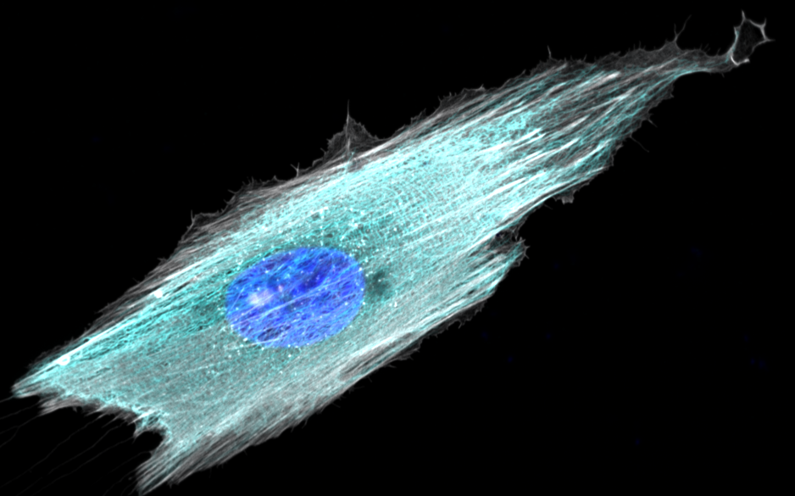
Under pressure: when tension builds up, the nucleus escapes

Researchers at IBEC have discovered that epithelial tissues adapt to prolonged stretching by slowly reorganising their keratin cytoskeleton into large multicellular networks. Using advanced live imaging, engineered tissue models and computational simulations, the team found that this process eventually pushes the cell nucleus out of its surrounding keratin cage. The findings reveal a previously unknown mechanism by which tissues respond to sustained mechanical stress, with potential implications for development, organ physiology and diseases linked to defective keratin organisation.

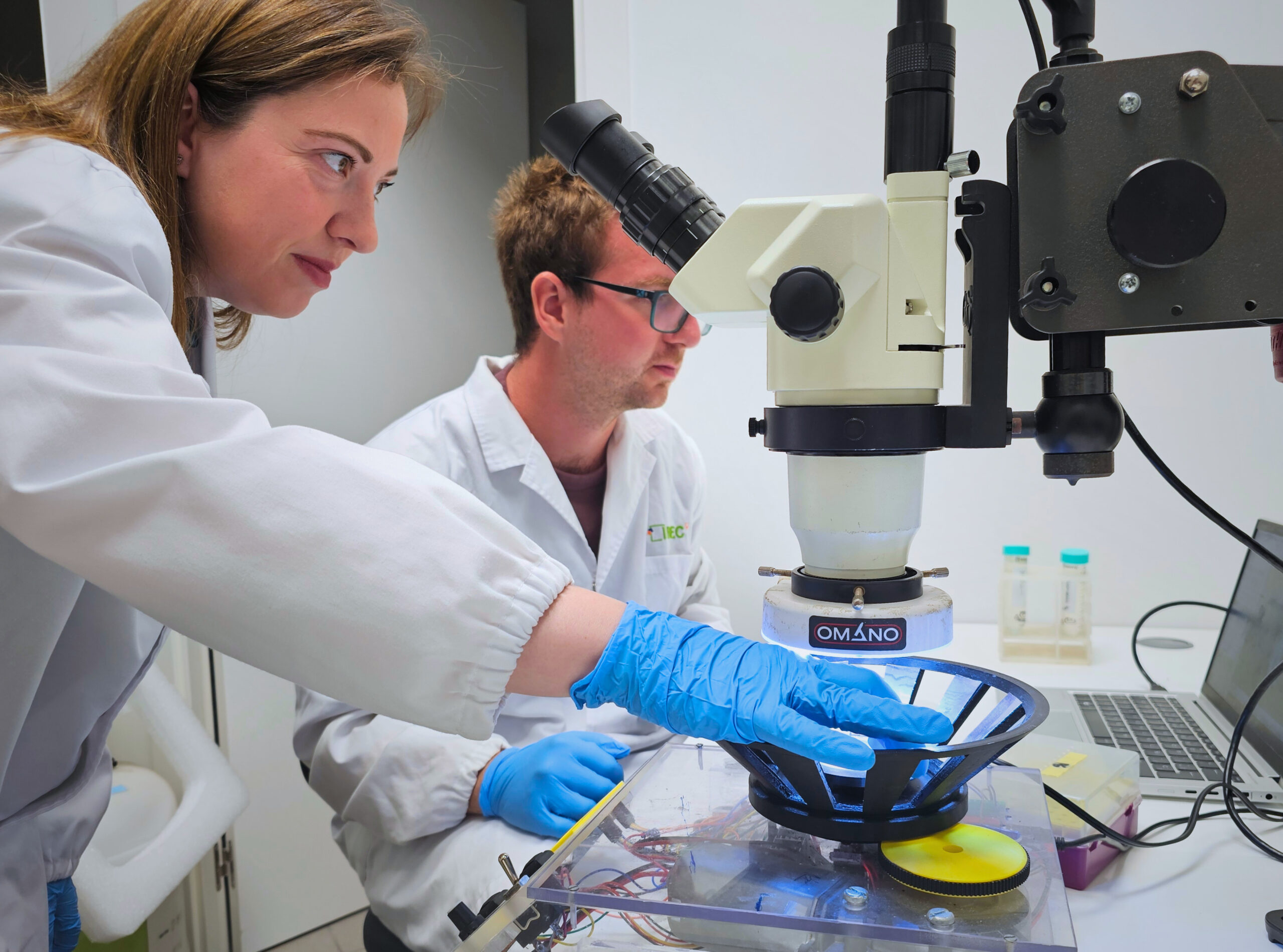
IBEC-led consortium develops light-activated drugs that restore sight in blind mice

A consortium led by the Institute for Bioengineering of Catalonia (IBEC) developed this approach based on photopharmacology, a technique to reversibly control drug activity with light. The newly developed compounds, called prosthe6, mimic the function of photoreceptor cells, which degenerate in blinding diseases such as age-related macular degeneration (AMD) and retinitis pigmentosa (RP). These photoswitchable molecules show preliminary safety profiles and represent potential drug candidates for restoring vision in patients with degenerative retinal diseases, without the need for genetic manipulation or implanted devices.

New study reveals how protein behaviour drives blood–brain barrier specialization

The research, led by the Institute for Bioengineering of Catalonia, reveals that the blood–brain barrier is defined not only by the proteins it expresses, but by how it uses them, through a dynamic property known as endocytic turnover rate (ETOR). This discovery shows that brain endothelial cells have a unique molecular behaviour that distinguishes them from other blood vessels and can be disrupted during inflammation. The results provide new insight into how the barrier functions and fails in disease which may help identify novel therapeutic strategies to restore neurovascular health.

How cells decide when to react could shape future treatments for cancer and fibrosis

Scientists from the Institute for Bioengineering of Catalonia (IBEC) and King’s College London have discovered that cells do not just sense mechanical forces but also measure how long those forces last before responding. The findings, published in Nature Materials, reveal a timing mechanism that allows cells to ignore brief mechanical noise while reacting to sustained changes, a process that is crucial in diseases such as cancer and fibrosis.

Scientists create living tissues capable of changing shape in a programmed manner

Researchers at the Institute for Bioengineering for Catalonia (IBEC), the Polytechnic University of Catalonia – BarcelonaTech (UPC) and the International Centre for Numerical Methods in Engineering (CIMNE) have developed a new strategy for ‘programming’ the shape of biological tissues in vitro. The study, published in the journal Science, is the first to demonstrate that it is possible to guide the forces and final shape of living tissue by controlling the orientation of its cells. The research opens the door to new applications in tissue engineering, biohybrid robotics, and the design of smart living materials.

An unprecedented mutation map reveals how amylin mutations influence type 2 diabetes

A study by the Institute for Bioengineering of Catalonia (IBEC) has created a mutational map of the hormone amylin, the aggregation of which can damage pancreatic cells and lead to type 2 diabetes. The team analysed 1,916 variants of the protein and compared the results of this mutational map with genetic and clinical data from 500,000 individuals. The study, published in Nature Communications, sheds new light on the role of genetics in diabetes and could lead to the development of safer and more effective drugs.