A MEDIA SESIÓN | RADIO INTERECONOMÍA: Ratones ciegos que recuperan la vista con un fármaco
Entrevista a la investigadora Rosalba Sortino, sobre los fármacos activados por luz que restauran la visión en ratones ciegos.
 Sarah Moreira
Entrevista a la investigadora Rosalba Sortino, sobre los fármacos activados por luz que restauran la visión en ratones ciegos.
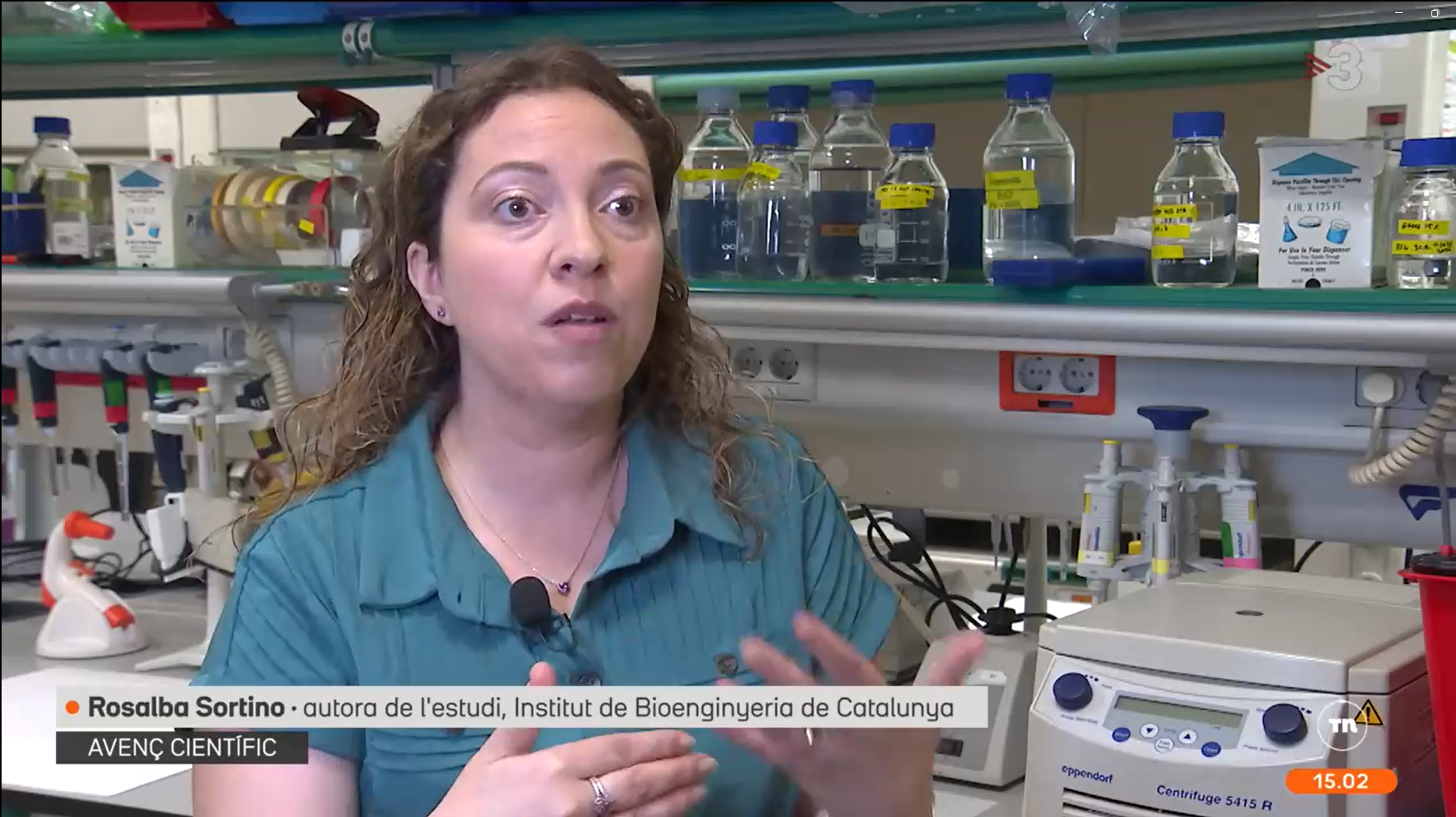
El Instituto de Biotecnología de Cataluña lidera una investigación que ha desarrollado un fármaco en forma de colirio que permite recuperar la visión en ratones ciegos, con ensayos clínicos previstos en humanos en cuatro años. Declaraciones de Rosalba Sortino, autora del estudio Instituto de bioingeniería de Cataluña.; Joaquín Martínez Tambella, coautor del estudio Instituto de Biotecnología de Cataluña.

Un farmaco attivato dalla luce ha ripristinato la vista nei topi: funziona come una sorta di ‘protesi molecolare’ che sostituisce i sensori della retina ormai degenerati a causa della malattia, riattivando il circuito che trasporta i segnali al cervello.
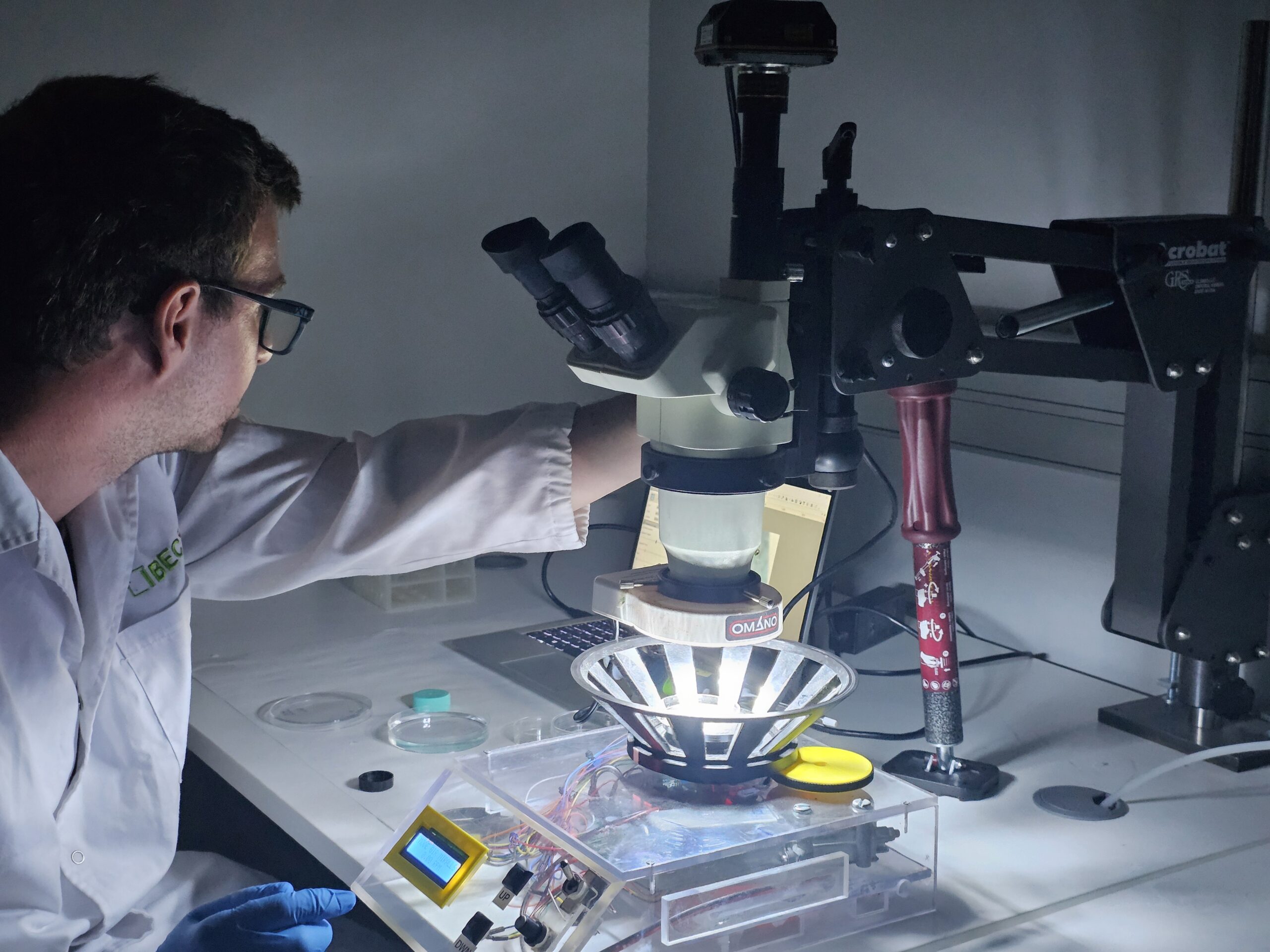
Un consorcio internacional liderado por el IBEC ha desarrollado unos compuestos inteligentes que imitan las células fotorreceptoras dañadas en algunas enfermedades degenerativas. El avance abre la puerta a futuros tratamientos no invasivos mediante colirios.
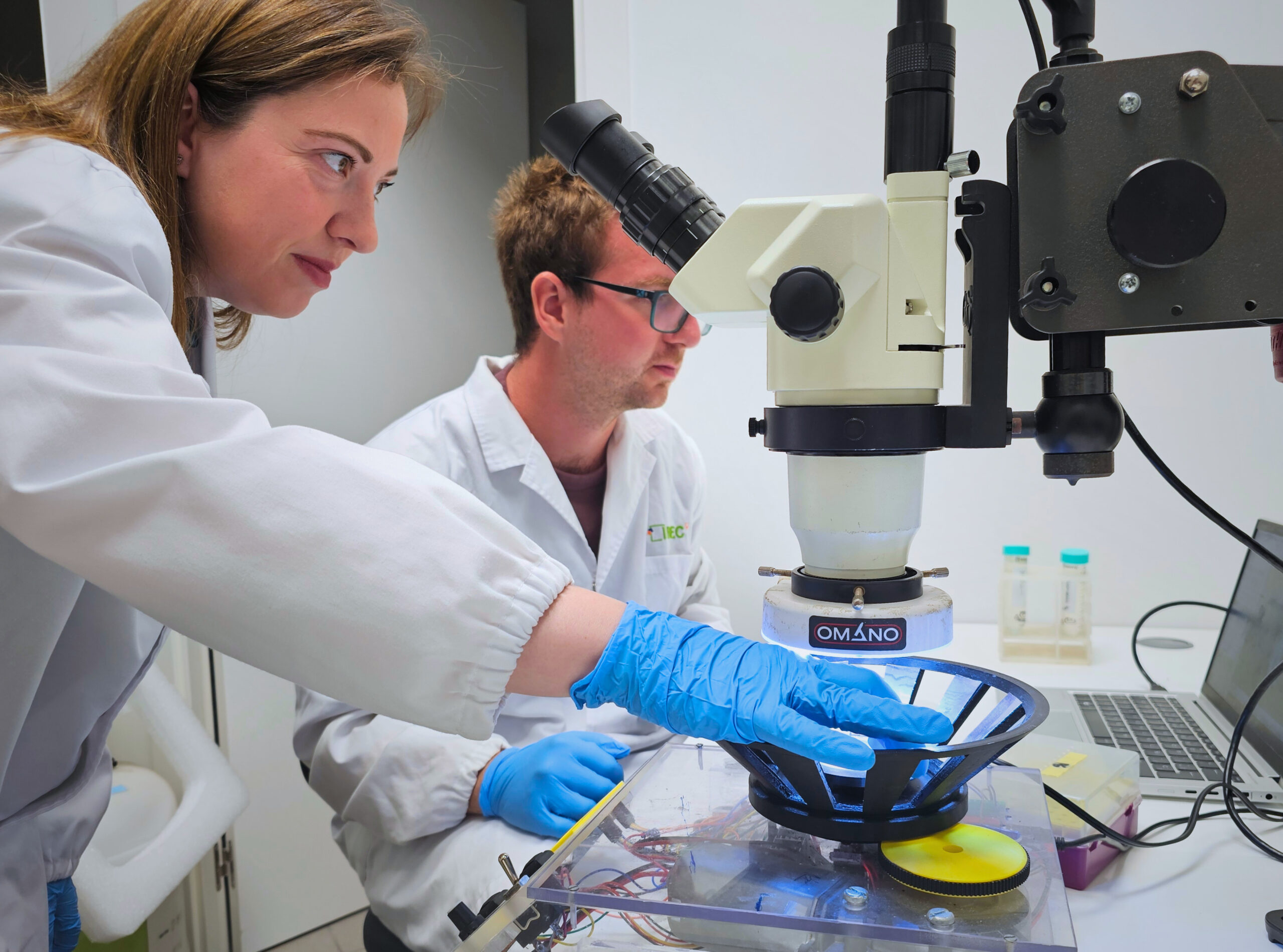
Actúa como una prótesis moleculares sin necesidad de implantes, tal y como se ha probado en una investigación dirigida por el Instituto de Bioingeniería de Cataluña, que espera iniciar los ensayos clínicos en humanos en dos o cuatro años
A consortium led by the Institute for Bioengineering of Catalonia (IBEC) developed this approach based on photopharmacology, a technique to reversibly control drug activity with light. The newly developed compounds, called prosthe6, mimic the function of photoreceptor cells, which degenerate in blinding diseases such as age-related macular degeneration (AMD) and retinitis pigmentosa (RP). These photoswitchable molecules show preliminary safety profiles and represent potential drug candidates for restoring vision in patients with degenerative retinal diseases, without the need for genetic manipulation or implanted devices.
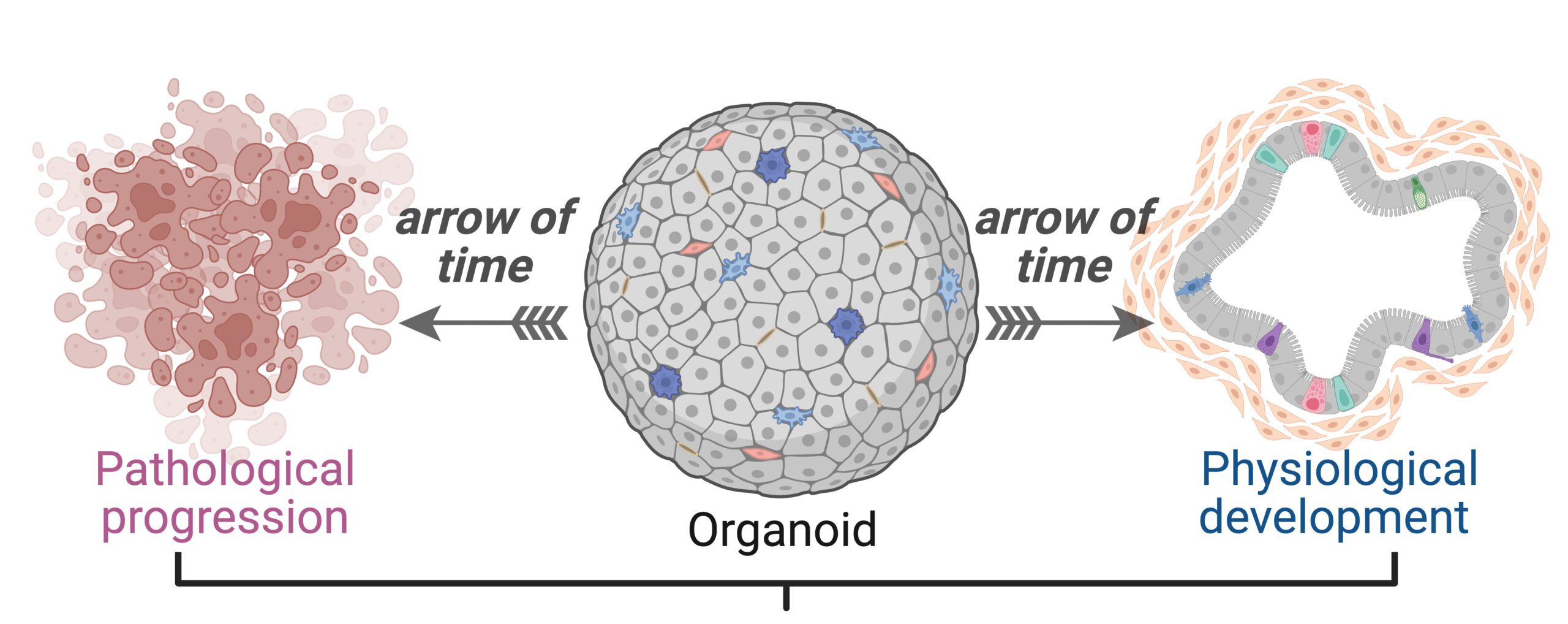
Xavier Trepat and his team at the Institute for Bioengineering of Catalonia (IBEC) are key partners in ALIVE: Active Living Matter — Information, Vitality, and Emergence, an international research programme selected for funding through the first European edition of the Novo Nordisk Foundation Challenge Programme. Coordinated by the Niels Bohr Institute in Copenhagen, the project will receive 75 million DKK (around €10 million) over six years to uncover how information flows drive the emergence, organisation and function of living tissues.
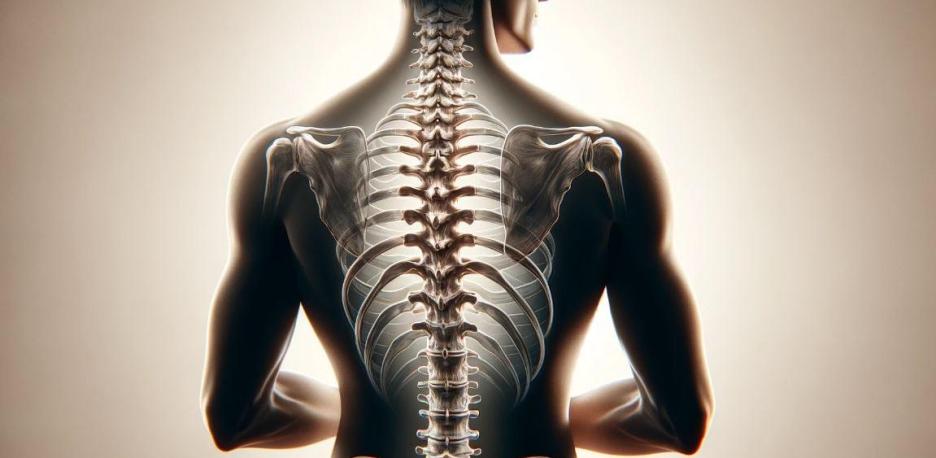
El proyecto utilizará organoides creados a partir de células madre para reproducir lesiones medulares en condiciones similares a las humanas.
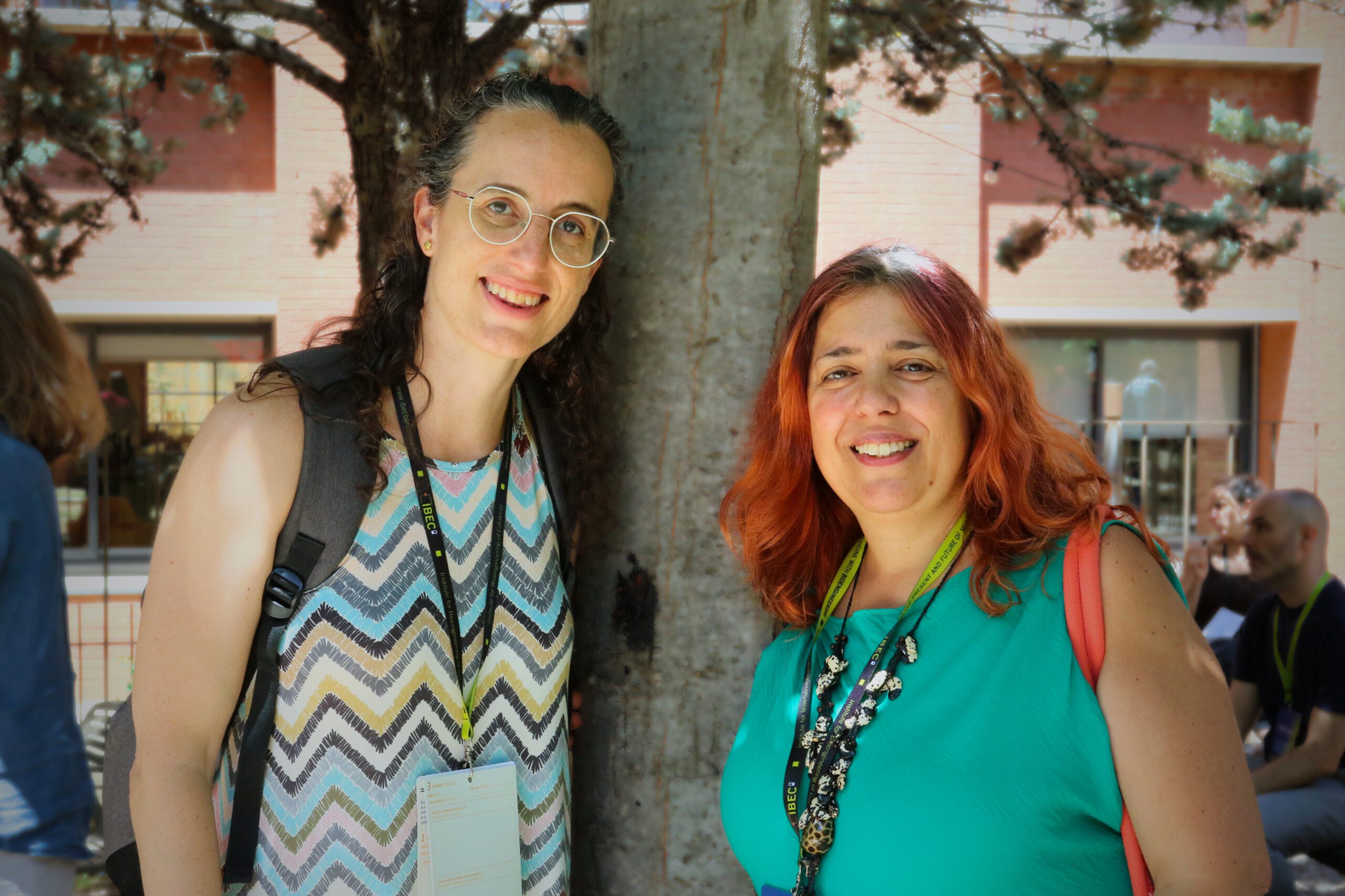
El Institut de Bioenginyeria de Catalunya, el primer centro español en obtener la certificación ‘laboratorio verde’, relata cómo ha transformado su actividad para reducir su gasto energético y mejorar su gestión de residuos. El centro fomenta la reflexión sobre la necesidad de los viajes científicos y propone alternativas virtuales o destinos accesibles para reducir la huella de carbono. Catalunya desplegará una iniciativa pionera para reducir la huella ambiental de todos sus centros de investigación.
Un estudio liderado por el Instituto de Bioingeniería de Cataluña (IBEC) ha descubierto que la barrera hematoencefálica, que protege el cerebro de sustancias dañinas, no se define solo por las proteínas que tiene, sino también por cómo las utiliza y renueva.