DONATE

IBEC showcases cutting-edge biomedical innovation at the Health Revolution Congress 2026

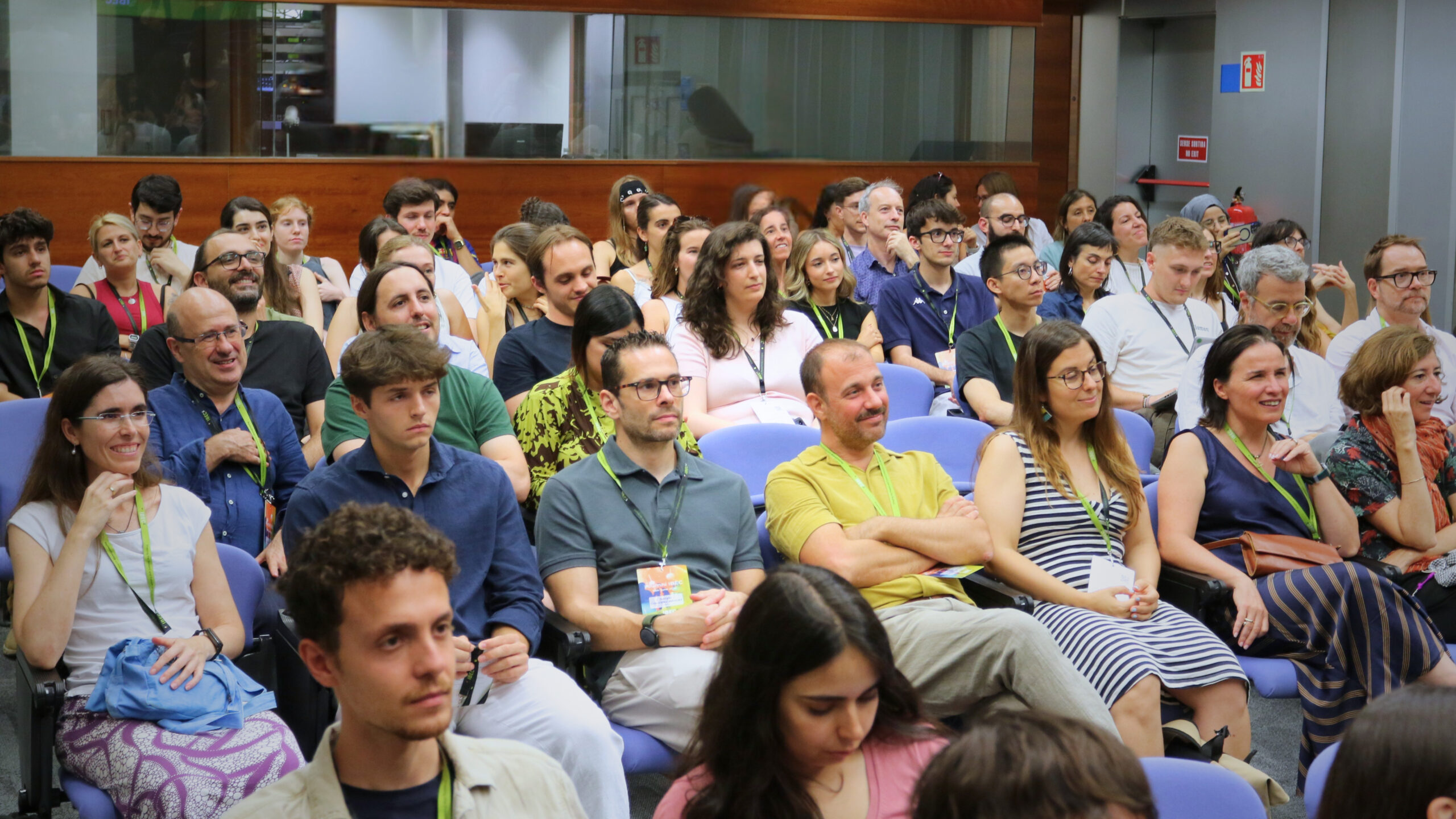
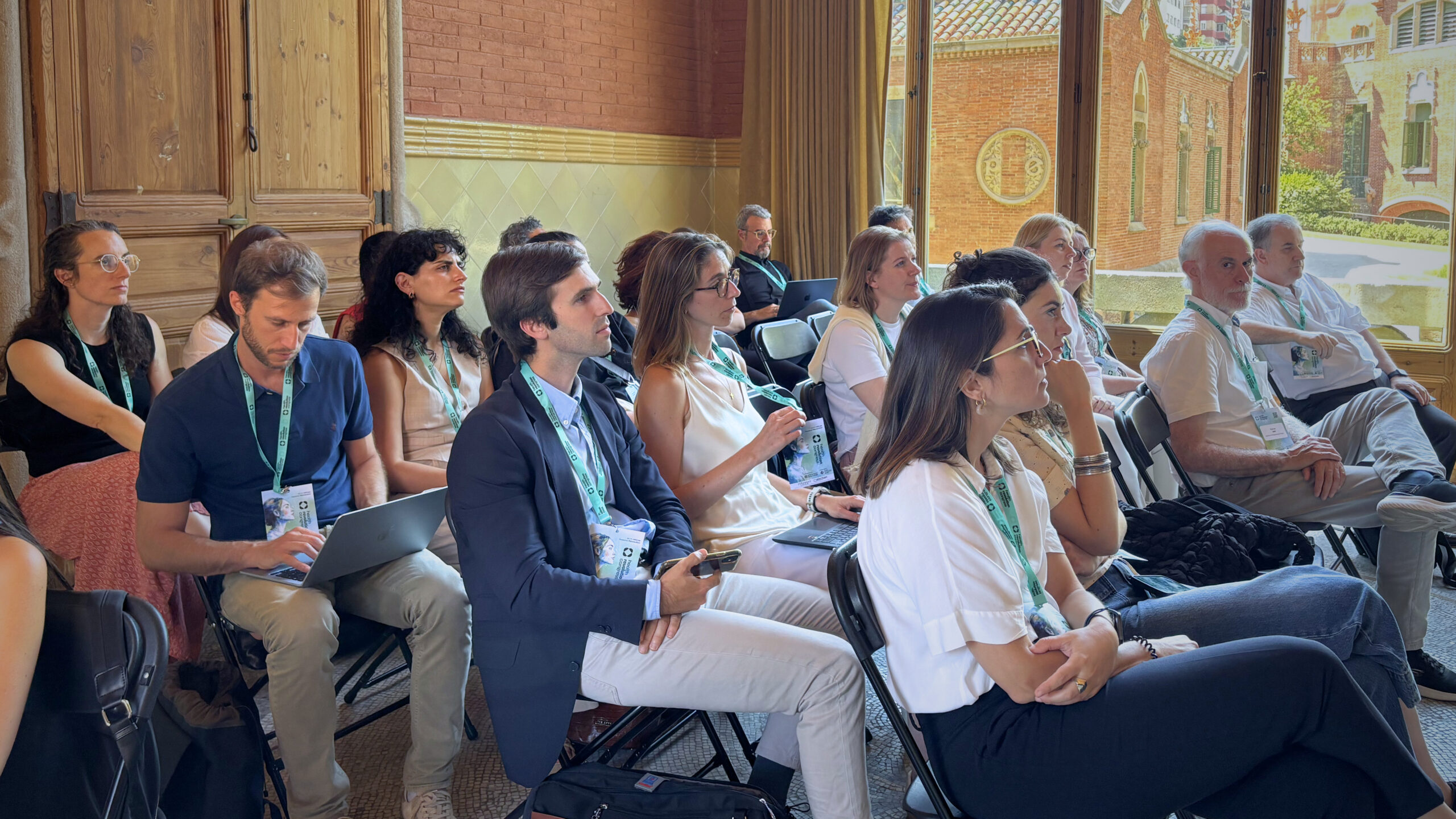
The Institute for Bioengineering of Catalonia brought together researchers, investors and industry leaders with its event “IBEC Health Revolution Day: Engineering the Future of Medicine”, as part of the Health Revolution Congress. Through expert panels, technology pitches and scientific talks, the event showcased cutting-edge biomedical technologies and discussed how to translate scientific discoveries into real-world healthcare solutions.

Students and artists explore the medicine of the future alongside IBEC as part of the CCCB’s ALIA project

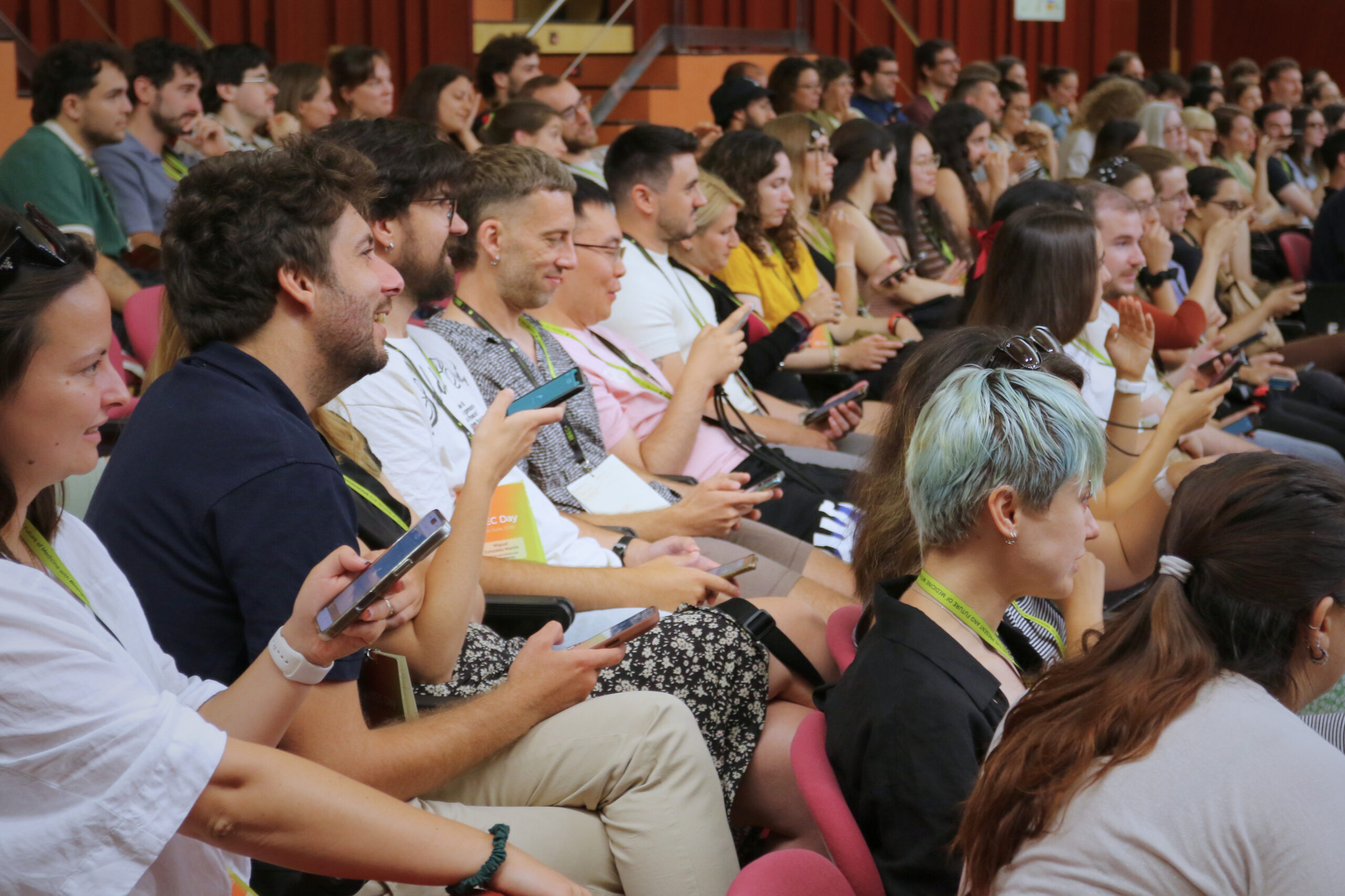
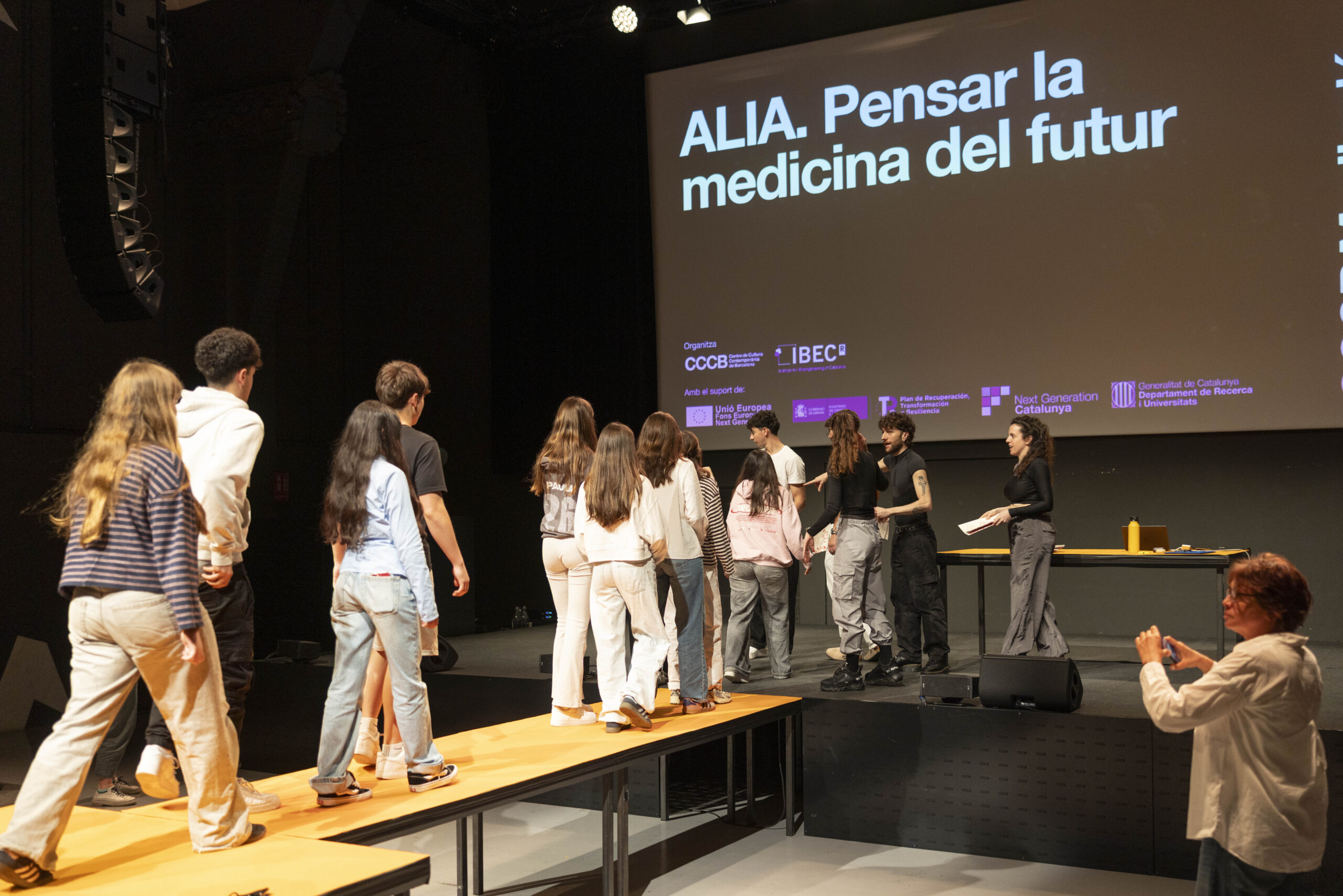
The Institute of Bioengineering of Catalonia took part in the 2025–2026 edition of the CCCB’s ALIA educational programme. This initiative brought around 170 secondary school students together with researchers and artists to explore the challenges facing future medicine through the lenses of bioengineering, bioethics, and artistic creation. The programme culminated in a closing ceremony held on 5 May.

IBEC launches the exhibition ‘Open Dialogues’ with three co-creation projects at the intersection of art and science

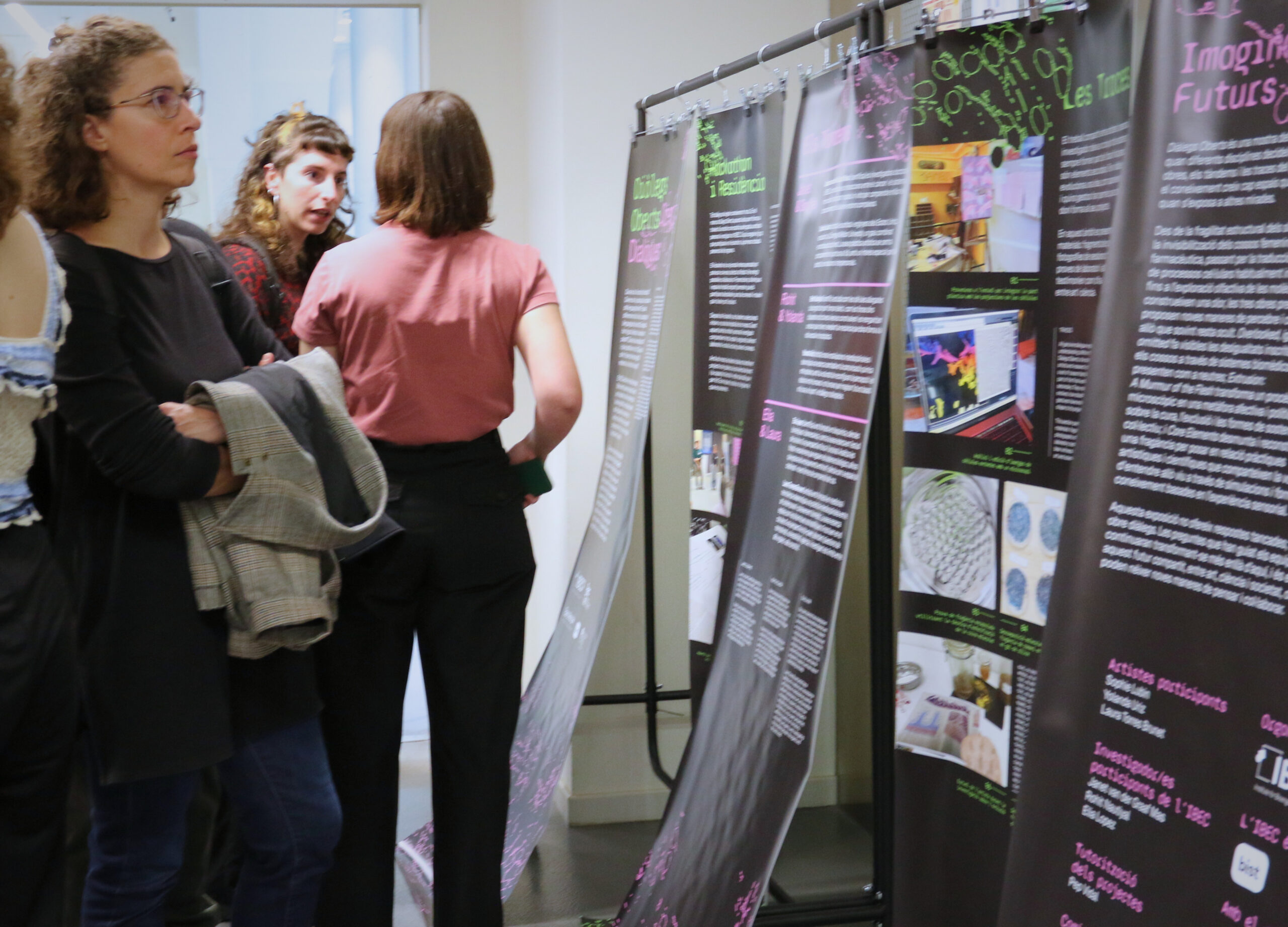
On 13 May, the Institute of Bioengineering of Catalonia opened an exhibition featuring three collaborative works created through the first edition of “Open Dialogues”, a programme that brings together artists and IBEC researchers. Addressing issues such as gender bias in healthcare, the sensory translation of cellular processes and the parallels between artistic and scientific practices based on the olfactory experience, the pieces were created through a dialogue between art and science.

Together with Patients with Duchenne, IBEC is developing a ‘heart-on-a-chip’ to halt the cardiac damage caused by the condition

Duchenne Parent Project Spain has invested €247,000 in the BEAT project, which will be carried out by the Institute for Bioengineering of Catalonia (IBEC).  Cardiomyopathy is the leading cause of death in patients with Duchenne muscular dystrophy (DMD). Around 20,000 new Duchenne cases are diagnosed globally each year.

TN – TELEMADRID: Pioneros en programar tejidos vivos

Un equipo internacional liderado por investigadores del Instituto de Bioingeniería de Cataluña ha conseguido algo que hasta ahora solo se había imaginado en la ciencia ficción, crear tejidos vivos que son capaces de cambiar de manera programada. La clave está en controlar la orientación de las células. Declaraciones de Xavier Trepat, Investigador del Instituto de Bioingeniería Cataluña; Pau Guillamat, investigador Instituto de Bioingenieria de Cataluña.

How cells decide when to react could shape future treatments for cancer and fibrosis

Scientists from the Institute for Bioengineering of Catalonia (IBEC) and King’s College London have discovered that cells do not just sense mechanical forces but also measure how long those forces last before responding. The findings, published in Nature Materials, reveal a timing mechanism that allows cells to ignore brief mechanical noise while reacting to sustained changes, a process that is crucial in diseases such as cancer and fibrosis.

IBEC makes its mark at TERMISEU 2026 with a strong scientific presence and a key role in the conference’s leadership

From 21 to 24 April 2026, IBEC had a significant presence at TERMISEU 2026, the leading European conference on tissue engineering and regenerative medicine. Held at the Palma Conference Centre in Mallorca, the event brought together more than 1,600 researchers.

Scientists create living tissues capable of changing shape in a programmed manner

Researchers at the Institute for Bioengineering for Catalonia (IBEC), the Polytechnic University of Catalonia – BarcelonaTech (UPC) and the International Centre for Numerical Methods in Engineering (CIMNE) have developed a new strategy for ‘programming’ the shape of biological tissues in vitro. The study, published in the journal Science, is the first to demonstrate that it is possible to guide the forces and final shape of living tissue by controlling the orientation of its cells. The research opens the door to new applications in tissue engineering, biohybrid robotics, and the design of smart living materials.