
How can we measure mechanical stress in living tissues?
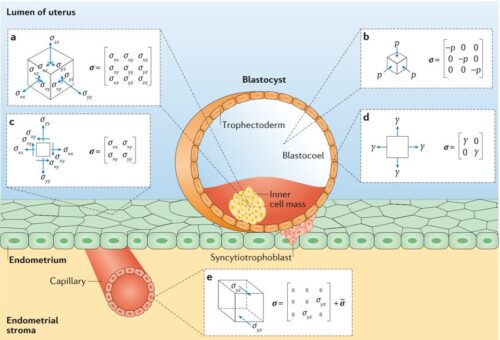
A team of experts from the Institute for Bioengineering of Catalonia (IBEC) has published a review in the journal Nature Reviews Physics detailing the different techniques used to calculate mechanical stress in tissues, both in cell cultures and in vivo. Determining these mechanisms of mechanical stress is crucial to study processes linked to morphogenesis, homeostasis, and diseases such as cancer.
In order to work properly, living tissues need to continuously move, divide, reshape and perceive their microenvironment. In other words, they need to withstand certain mechanical stress derived from contact.
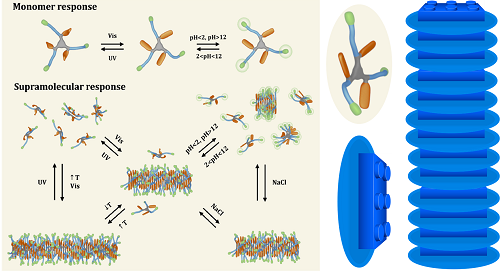
 IBEC researchers develop new multi-responsive molecules able to self-assemble in water forming fiber-like structures. The so-called discotic molecules show responsiveness to temperature, light, pH, and ionic strength and they might show great potential for medical applications such as drug delivery systems, diagnosis or tissue engineering.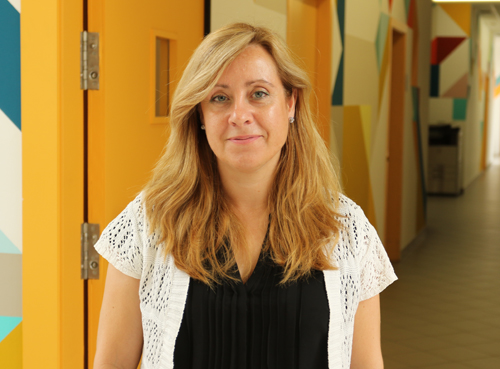
 An international group of researchers from the University of Maryland (United States) and the Institute for Bioengineering of Catalonia (IBEC) led by ICREA Research Professor Silvia Muro, has identified a new way of transporting drugs to the brain, one of the major challenges of the pharmaceutical science today, that could help to come up with new treatments for neurological diseases such as Parkinson’s or Alzheimer’s.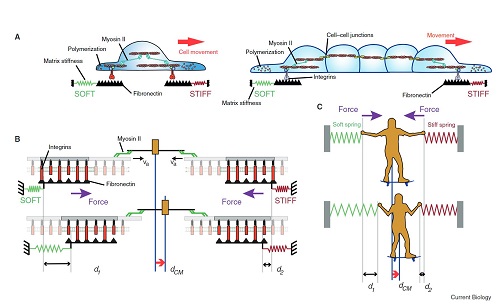
 Xavier Trepat, group leader of the “Integrative cell and tissue dynamics” at IBEC together with Raimon Sunyer, Senior researcher in Trepat’s lab, have written a Primer in Current Biology magazine on “Durotaxis”, a cell migration mechanism that might have a role in several disease states that include the stiffening of tissues.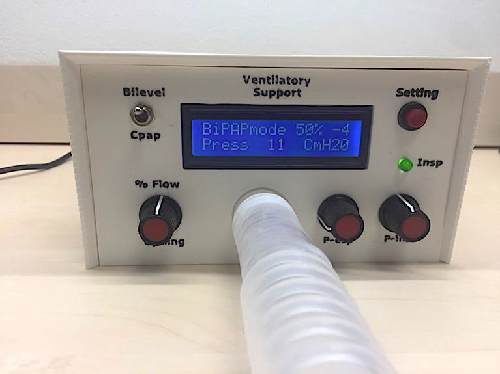
 A project led by the University of Barcelona to which IBEC Group Leader Daniel Navajas has contributed has created a non-invasive low-cost ventilator to support patients with respiratory diseases in areas with limited means.
 The journal “EBioMedicine” of “The Lancet” has just published the procedure that allowed the creation, last year, of the “PeriCord”, the first human cardiac bioimplant, in which development the Institute for Bioengineering of Catalonia (IBEC) played a key role.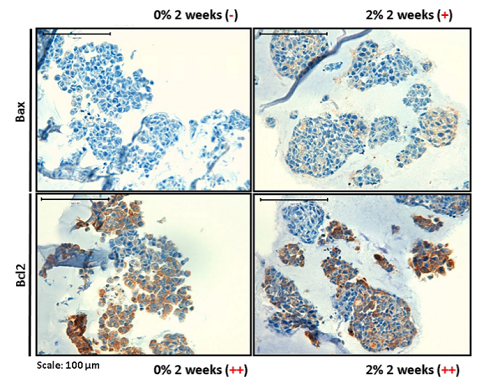
 IBEC contributes to elucidate how the rigidity of the tumor extracellular matrix affects the aggressiveness of neuroblastoma, a cancerous tumor that affects mainly children. This opens the door to generate more accurate models to predict tumor development in patients and to work in the design of new treatments.
 IBEC researchers led by ICREA Research Professor Núria Montserrat, together with international collaborators, have identified a drug capable of blocking the effects of the SARS-Co-V2 virus, the origin of the Coronavirus 2019 disease.
 Researchers at Institute for Bioengineering of Catalonia (IBEC) have proposed a model that gives important insights into how nanoparticles interact with cells, virus, bacteria or proteins, among others.