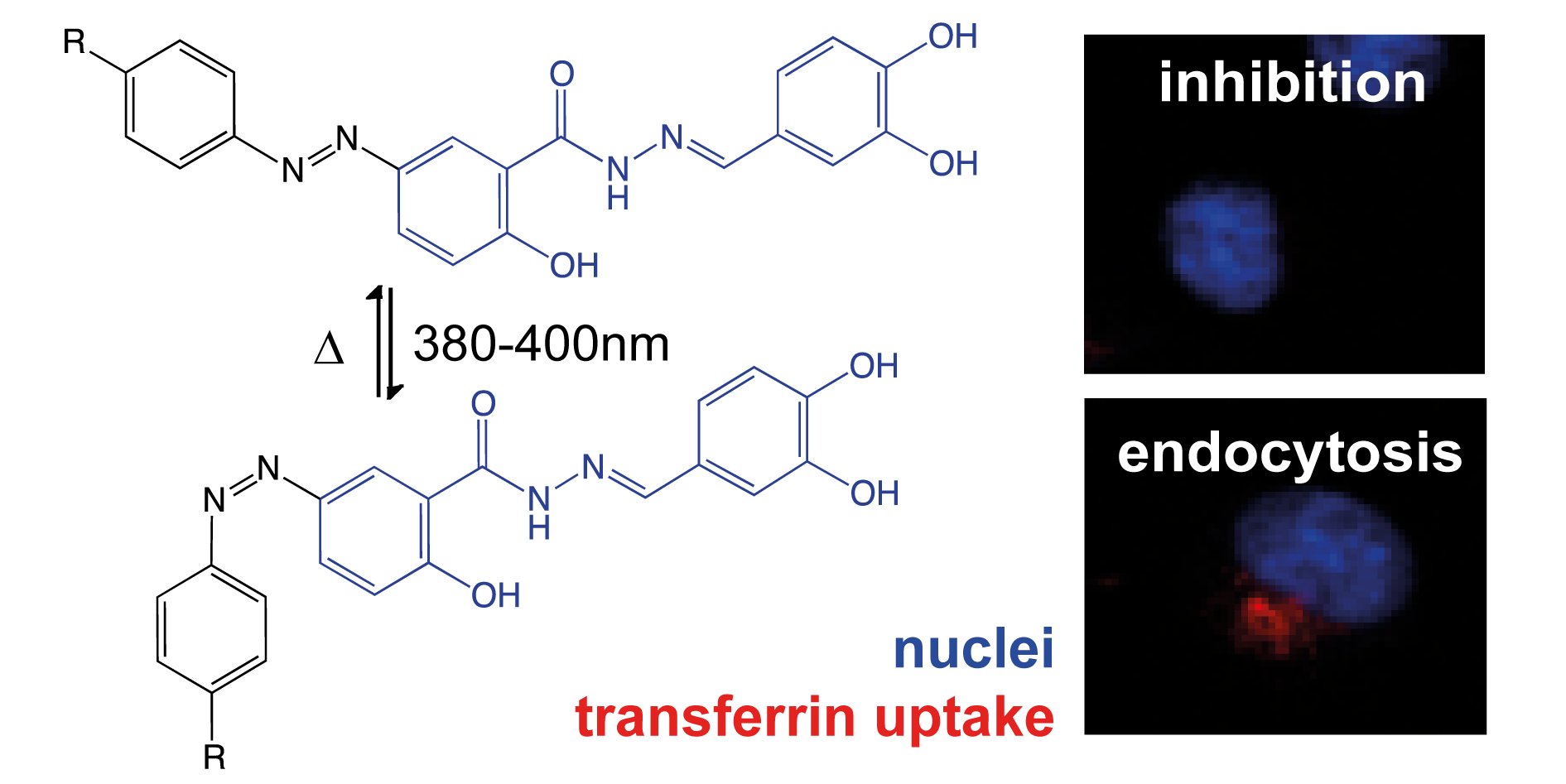
Lights, Cells, Action! IBEC develops small molecules able to control endocytosis with light


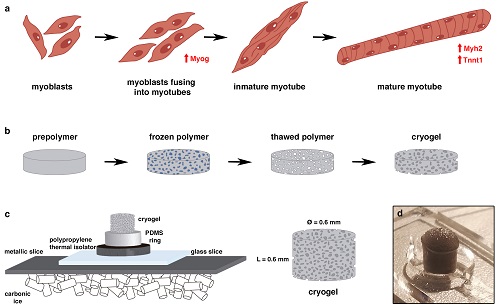
 Researchers from the Institute for Bioengineering of Catalonia (IBEC) have developed an innovative scaffold that allows muscle tissues growth at the millimetre scale in the laboratory.
This technology opens the door to potential applications in fields such as organ transplantation and engineering, drug screening and disease modelling.
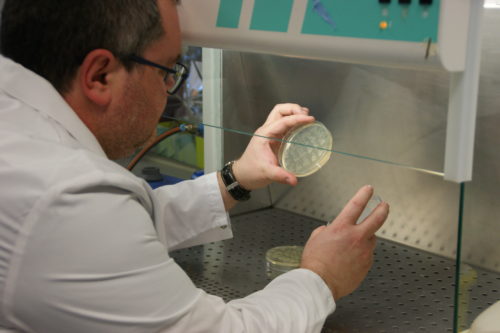
The study, published in the journal Virulence, finds that the class II ribonucleotide reductase enzyme (RNR) plays a key role in frequent lung infections, for example, those that occur in patients with cystic fibrosis.
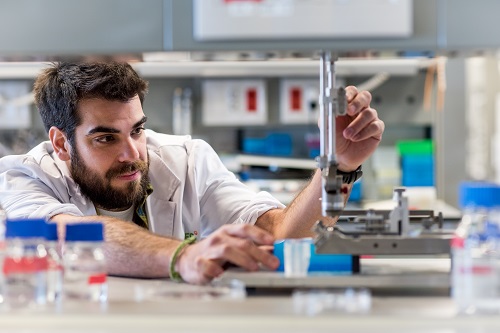
 Researchers from the Institute for Bioengineering of Catalonia (IBEC) have participated in a study led by Imperial College London in which the role of cyclin-dependent protein kinase 5 (CDKL5) in pain perception has been uncovered.
The defective version of the gene that produces this protein is behind CDKL5 deficiency disorder, a rare disease with no cure for which effective treatments will now be testable in mouse model, thanks to the results of this work.
The research was led by Jan van Hest and Laoi Abdelmohsen from the Institute of Complex Molecular Systems at TU/e in collaboration with Samuel Sánchez from the Institute for Bioengineering of Catalonia (IBEC) in Barcelona, as well as researchers based in China and the UK.
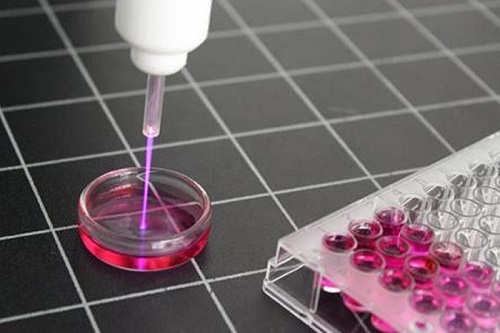
 Experts in bioengineering and informatics, including IBEC´s Associated Researcher Maria-Pau Ginebra, have published a paper where the researchers propose the creation of tools based on Artificial Intelligence for the development of biomaterials in Nature Reviews Materials.
Nature Reviews Materials journal has published an article signed by scientists from the Barcelona Supercomputing Center (BSC), the Universitat Politècnica de Catalunya (UPC) and the Institute for Bioengineering of Catalonia (IBEC) outlining the great possibilities that artificial intelligence offers towards the progress in the design and development of biomaterials.
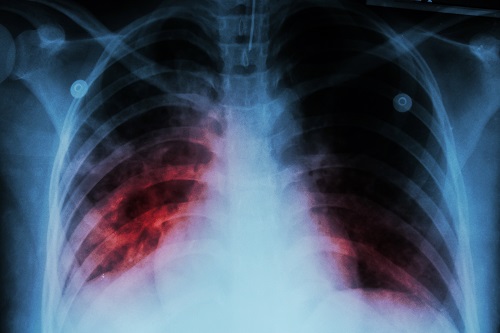
 An international team, led by Profs Giuseppe Battaglia and Loris Rizzello from the Institute for Bioengineering of Catalonia (IBEC), carried out out a study that opens the door to a new therapy capable of quickly and effectively eliminating infections caused by intracellular bacteria, the most resistant to immune defenses.
 This therapy, based on synthetic vesicles, could considerably reduce the dose and duration of antimicrobial treatments, thus reducing the danger of generating resistance to antibiotics of pathogens such as those leading to tuberculosis.
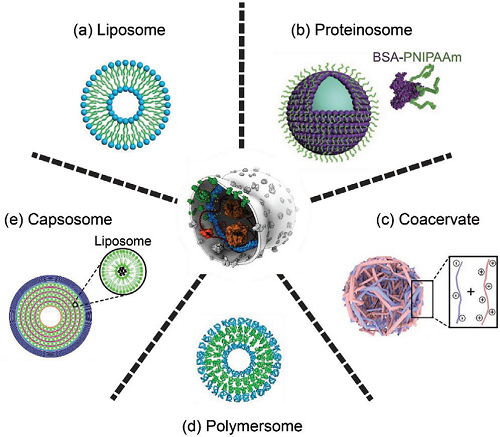
Samuel Sánchez, Group Leader at the Institute for Bioengineering of Catalonia (IBEC) co-authored this piece, alongside world-renowned experts in bioengineering and cell synthesis.
To carry out the investigation, they will be allowed to use the supercomputer installed in France.