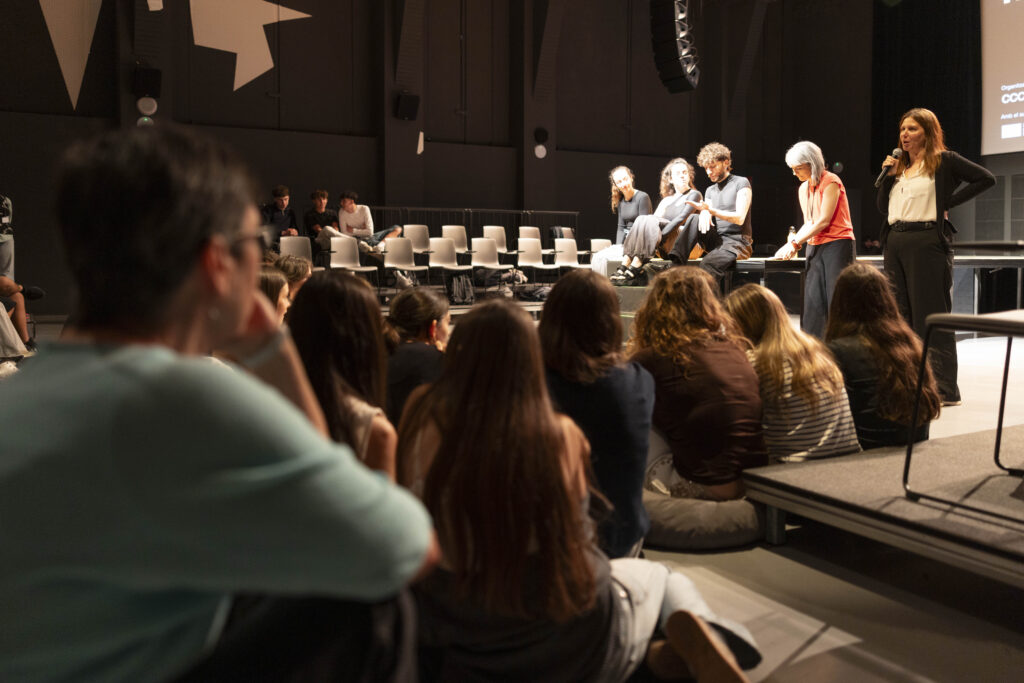
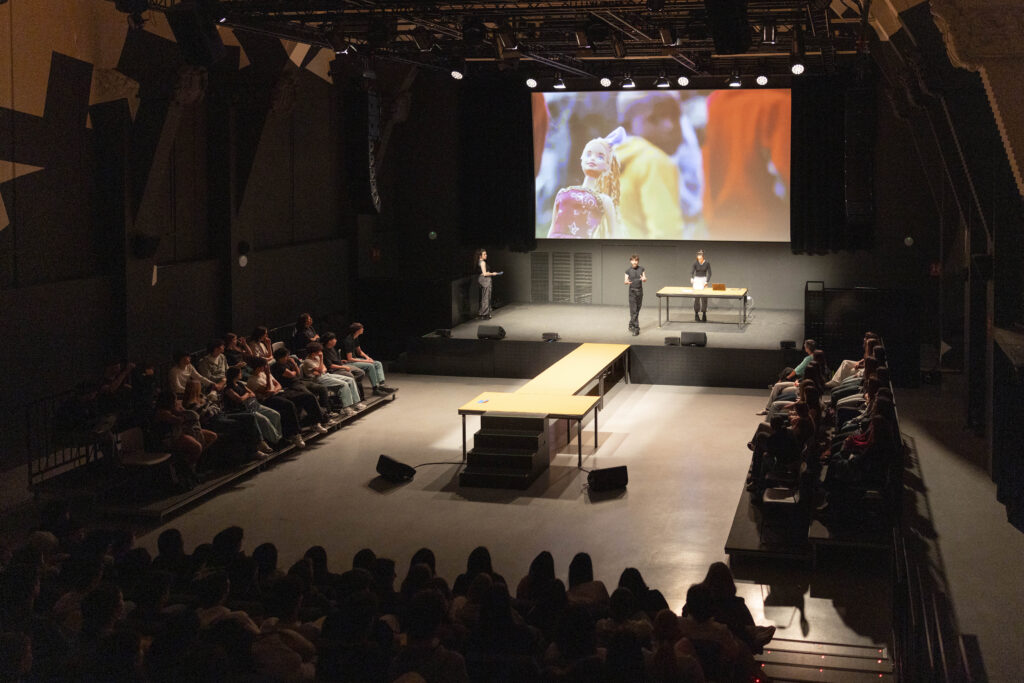
The Institute of Bioengineering of Catalonia took part in the 2025–2026 edition of the CCCB’s ALIA educational programme. This initiative brought around 170 secondary school students together with researchers and artists to explore the challenges facing future medicine through the lenses of bioengineering, bioethics, and artistic creation. The programme culminated in a closing ceremony held on 5 May.
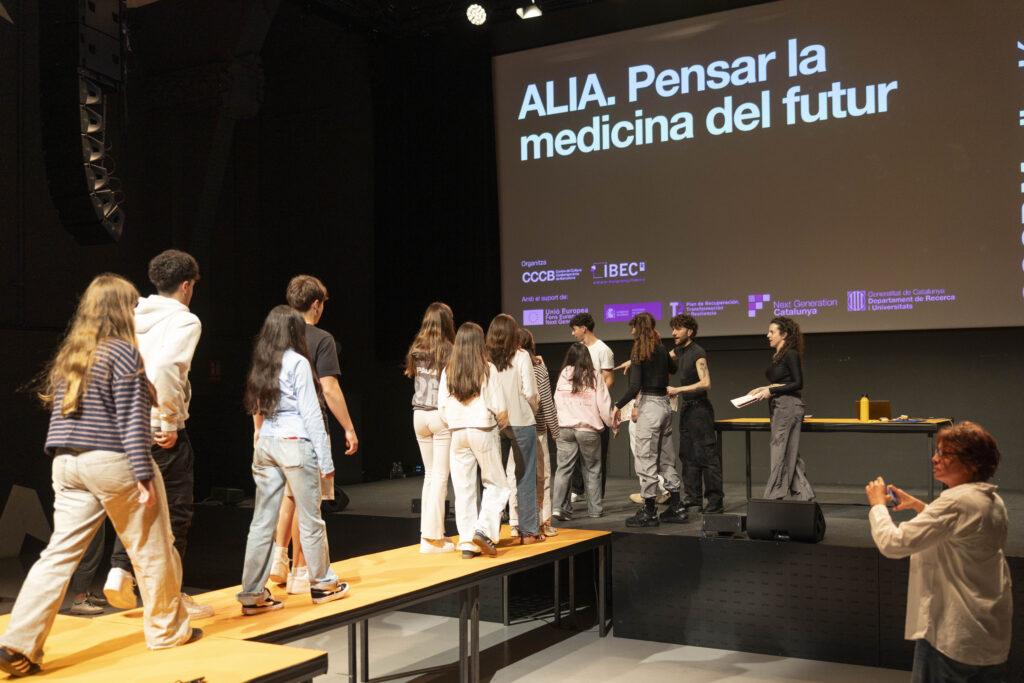
During the 2025–26 academic year, the Institute for Bioengineering of Catalonia (IBEC) participated in ALIA, the educational programme run by the Centre for Contemporary Culture of Barcelona (CCCB). ALIA offers secondary school students an interdisciplinary approach to the major challenges facing contemporary society.
This year’s edition, ‘ALIA: Envisioning the Medicine of the Future’, brought together around 170 high-school students from seven Barcelona-area schools. Over seven months, the pupils combined scientific research, ethical reflection, and artistic creation to envision the future of medicine.
Science, ethics and performing arts
Coordinated by the CCCB, the project has examined the impact of bioengineering on health, combining IBEC’s scientific expertise with ‘José y sus Hermanas’ creative approach. Students have explored key concepts such as tissue engineering and stem cell use, as well as the development of advanced technologies for regenerating and repairing the human body.
At the same time, the programme addressed the associated bioethical dilemmas, encouraging critical thinking and debate on issues such as the limits of medical intervention and the transformation of the human body.
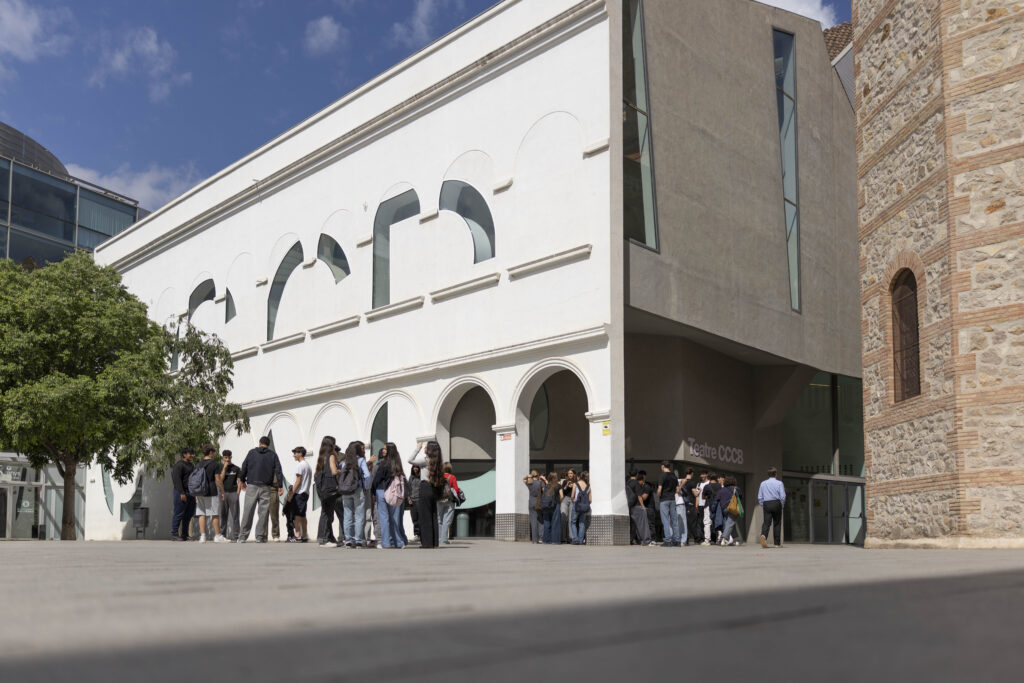
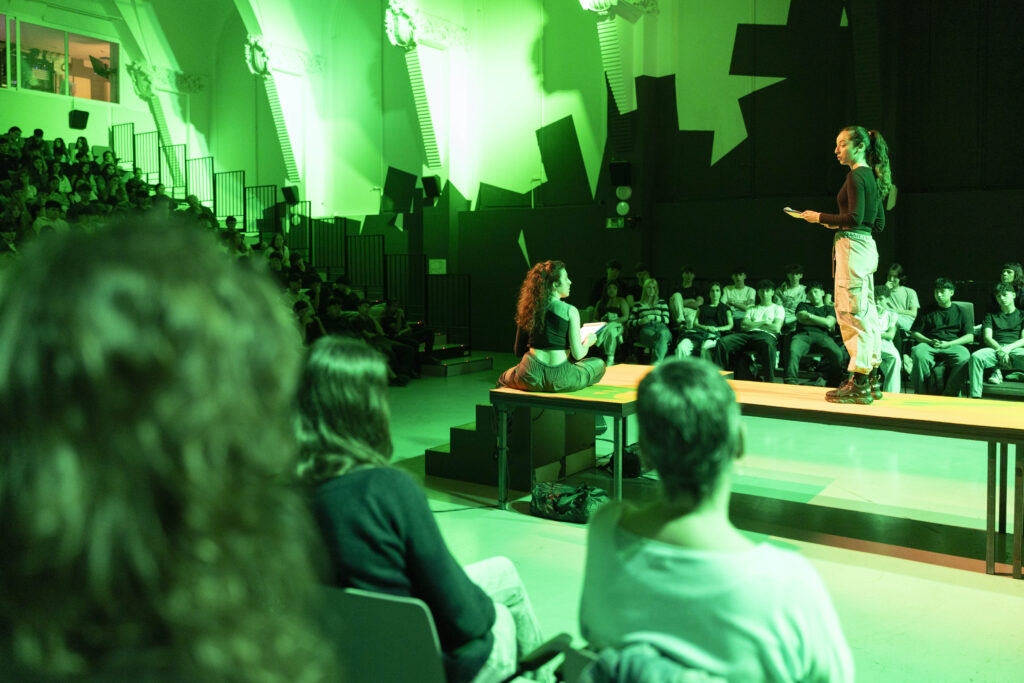
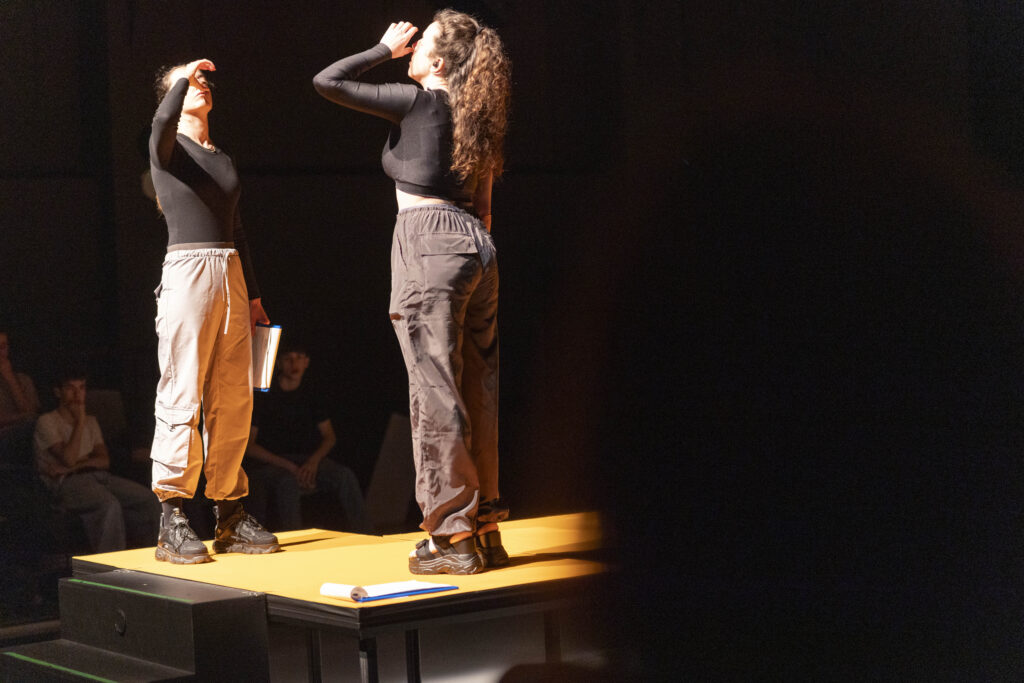
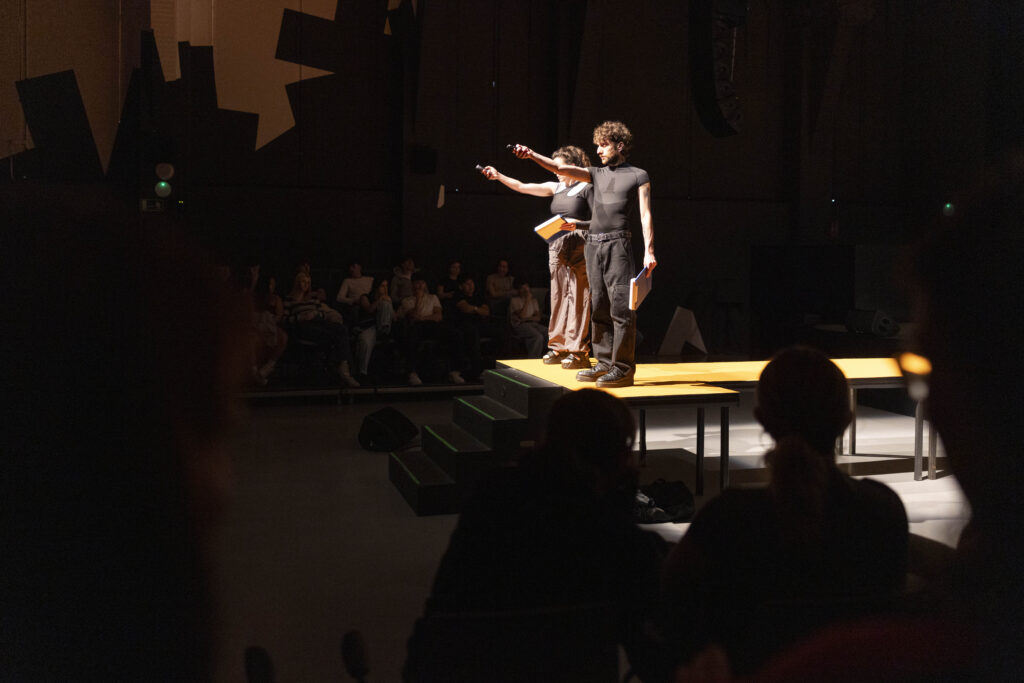
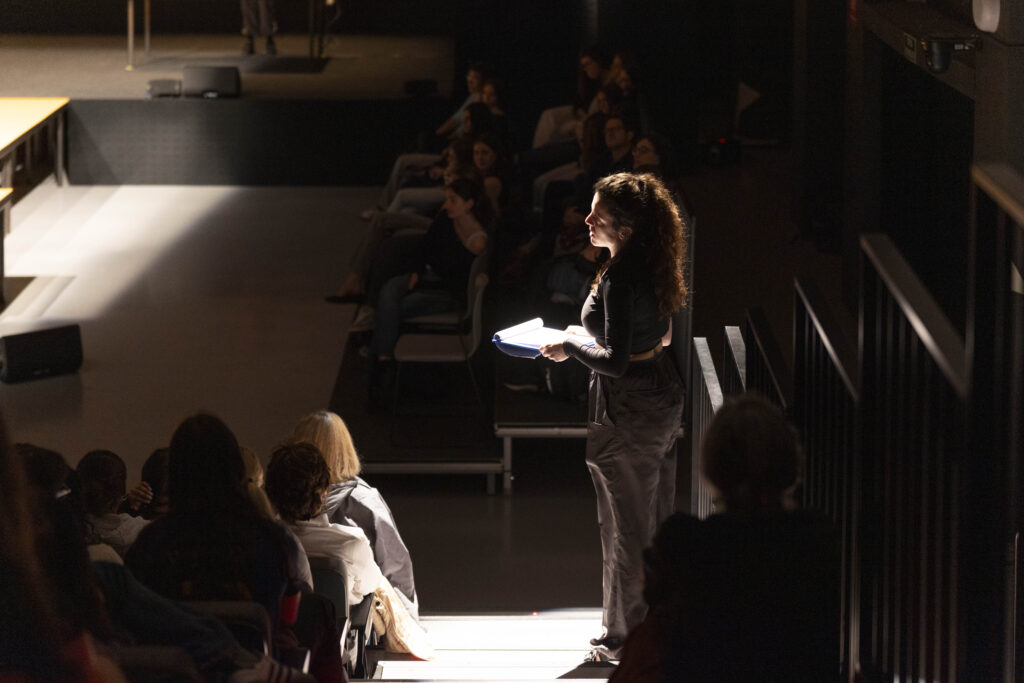
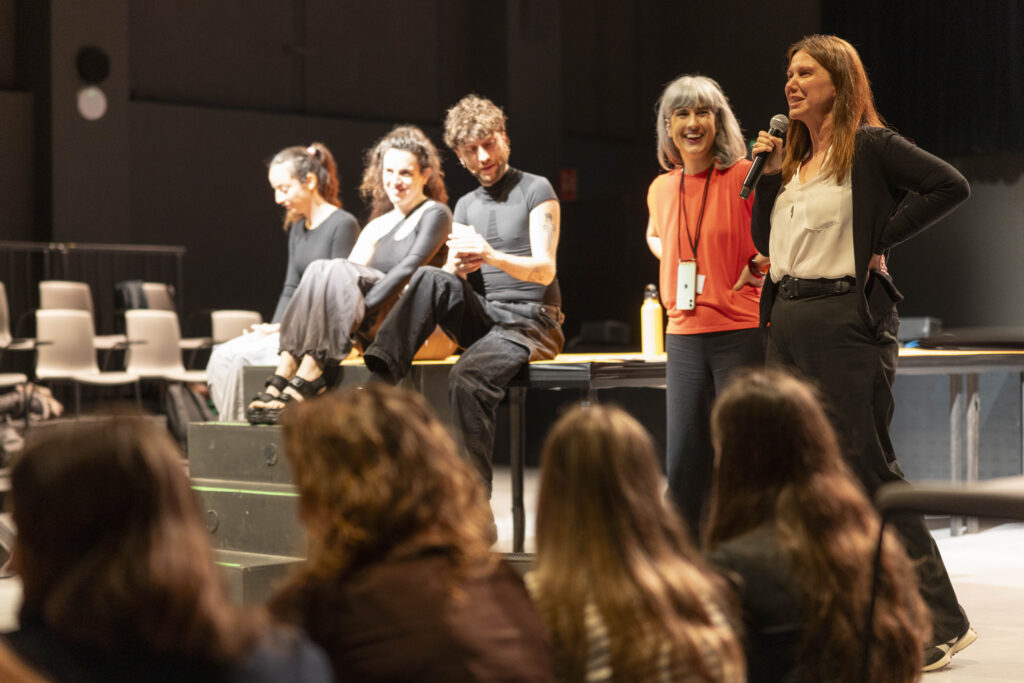
As a final step, the participants devised and wrote short plays, which were performed at the closing ceremony held at the CCCB on 5 May 2026. These plays offered different visions of the future of medicine and the relationship between technology and society.
These plays imagine possible — and often unsettling — futures surrounding medicine and bioengineering. Through stories ranging from the quest for immortality and the genetic modification of bodies to the elimination of emotions such as fear and the pressure to achieve perfection, the plays raise profound questions about what it means to be human. Adapted and staged by the theatre company José y sus Hermanas, these pieces demonstrate the students’ ability to connect science with ethics and personal experience, resulting in stories that combine critical reflection, creativity, and imagination.
IBEC’s contribution
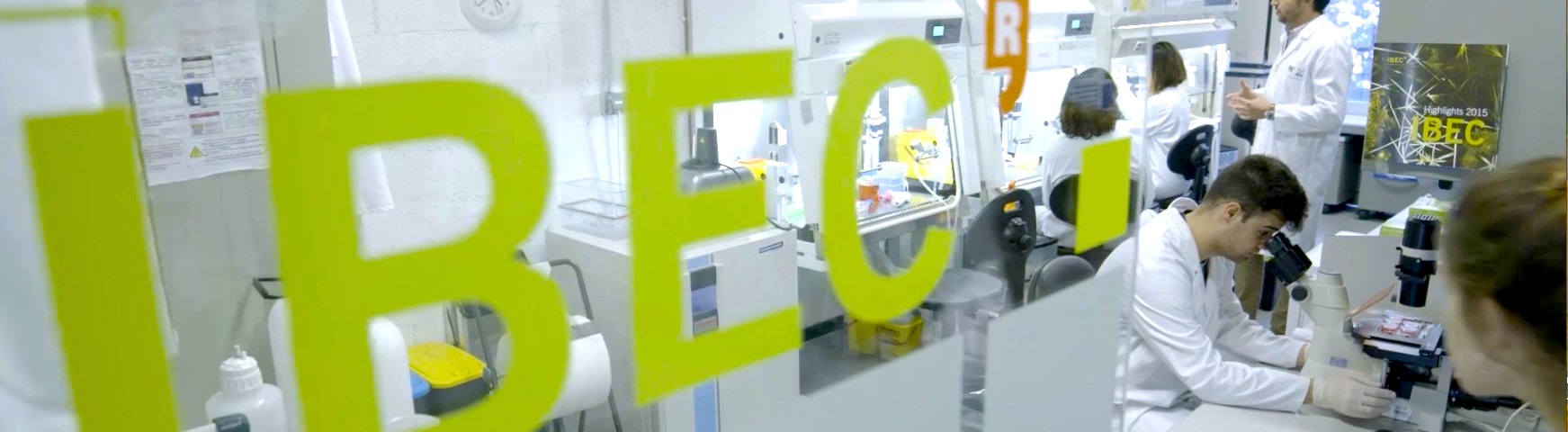
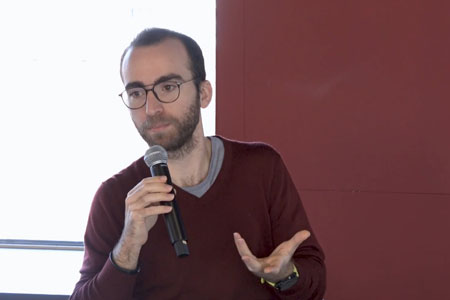
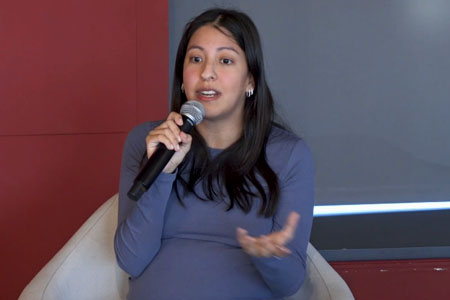
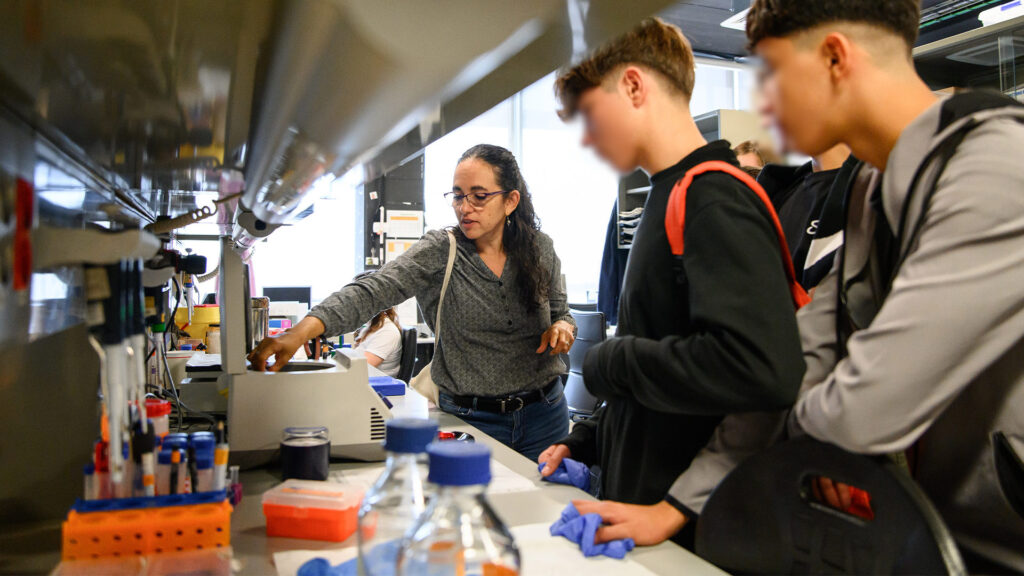
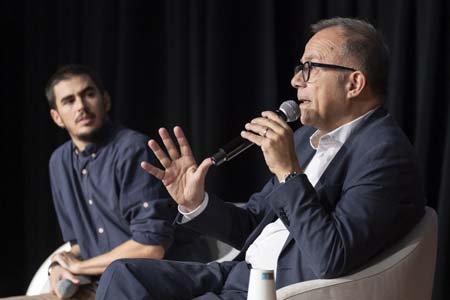
Within the ALIA framework, IBEC has played a key role as a leading scientific institution. Its researchers have actively participated in talks, meetings and tours of the centre’s facilities, providing students with an insight into cutting-edge bioengineering research.
These sessions have given students first-hand experience of research areas such as photopharmacology, organ-on-a-chip models, 3D bioprinting and tissue engineering, and have introduced them to real-world applications aimed at improving human health. Furthermore, direct contact with research staff inspires scientific vocations and conveys the value of research as a driver of social transformation.

A well-established educational programme
ALIA is a well-established initiative run by the CCCB. Each year, it opens applications and invites schools to explore current scientific topics from a cross-curricular perspective. During the 2025–26 academic year, participants followed a programme structured in three stages: research and documentation, creation, and a final presentation. This required a commitment of around 40 hours throughout the year.
Combining classroom work with activities at the CCCB and in research centres, the programme is supported by specialists in science communication and artistic creation.
By participating in ALIA, IBEC strengthens its dedication to science communication and education, making bioengineering research more accessible to young people and encouraging a more comprehensive understanding of science as a technical, social, and ethical phenomenon.
- More about ALIA: https://www.cccb.org/es/crea-aprende/escuelas/alia/pensar-la-medicina-del-futuro
- Watch the talks: https://www.cccb.org/es/w/proyectos/alia#section02