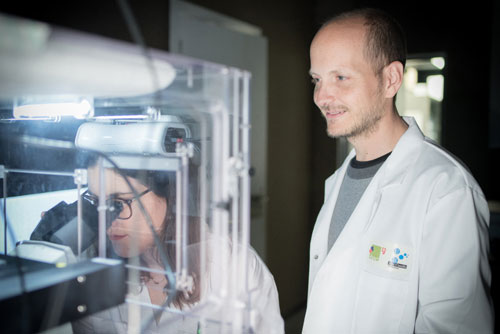
Olive oil offers two powerful weapons in the fight against antibiotic resistance

Researchers from the Institute for Bioengineering of Catalonia and the University of Granada have created two potent antimicrobials from oleanolic acid and maslinic acid, both of which are found in olive oil
The study, published in the journal ACS Infectious Diseases, has demonstrated the effect of these derivatives on the bacteria Staphylococcus aureus, one of the main causes of infections in catheters and prostheses.
Liquid gold. This is how all Mediterranean cultures have referred to olive oil throughout history. Its captivating flavour, its texture and its role in gastronomy have been some of the qualities that have contributed to this. But olive oil is also a great ally when it comes to health: from antiinflammatory properties to benefits for the cardiovascular system, and even recently discovered antitumor effects. Now, scientists from the Institute for Bioengineering of Catalonia (IBEC) and the University of Granada (UGR) have contributed new insights that increase the already well-known antimicrobial properties of olive oil.
To do this, they have synthesised two derivatives with enormous antimicrobial potential from two compounds present in olive oil—oleanolic acid and maslinic acid.
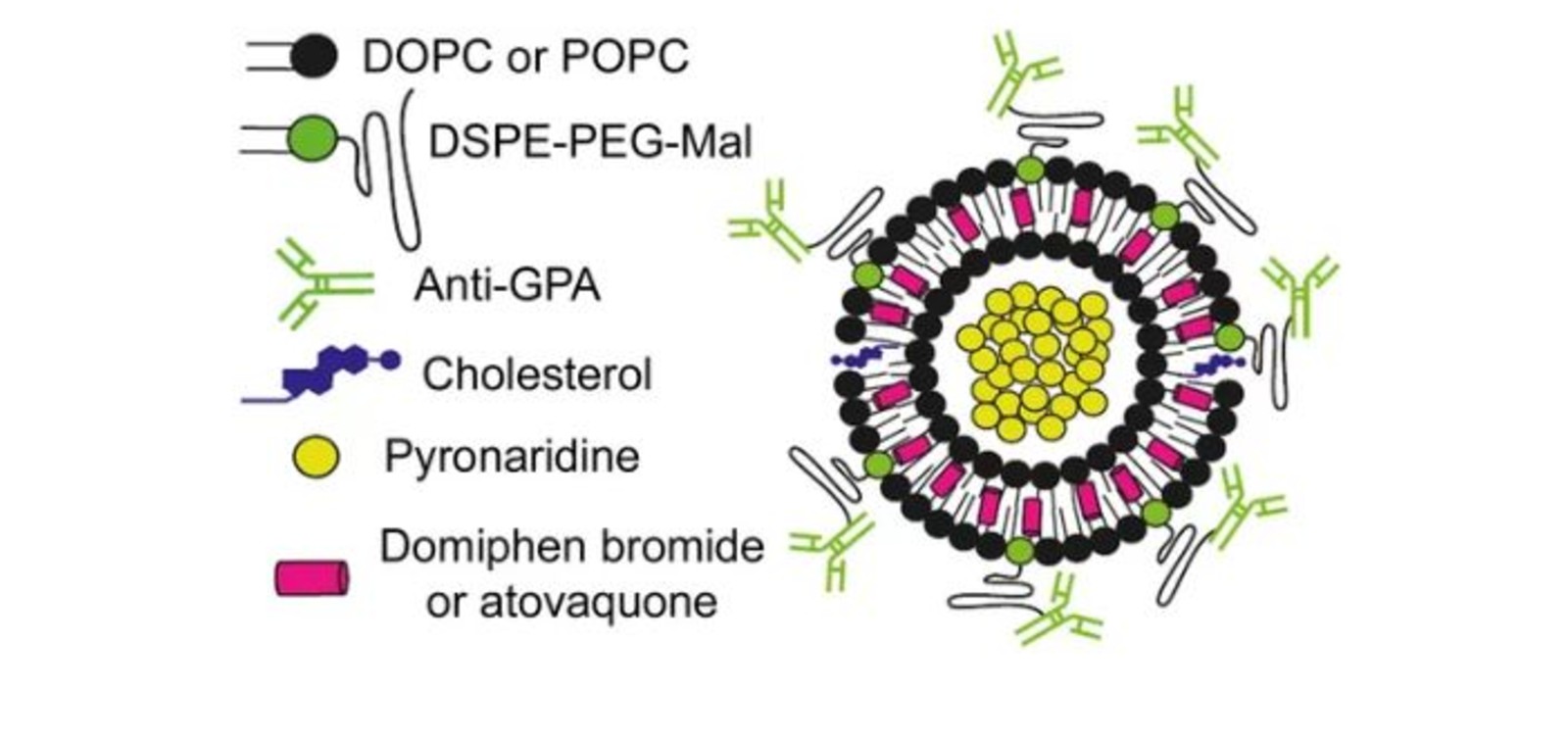
 According to the study, the strategy has the added advantage of targeting the transmissible phase of the parasite- the gametocyte. Encapsulating two drugs with different properties into nanovesicles surrounded by antibodies can greatly improve their delivery and efficacy, according to a study led by Xavier Fernández Busquets, director of the joint Nanomalaria unit at the Institute for Bionengineering of Catalonia (IBEC) and the Barcelona Institute for Global Health (ISGlobal), an institution supported by ”la Caixa”.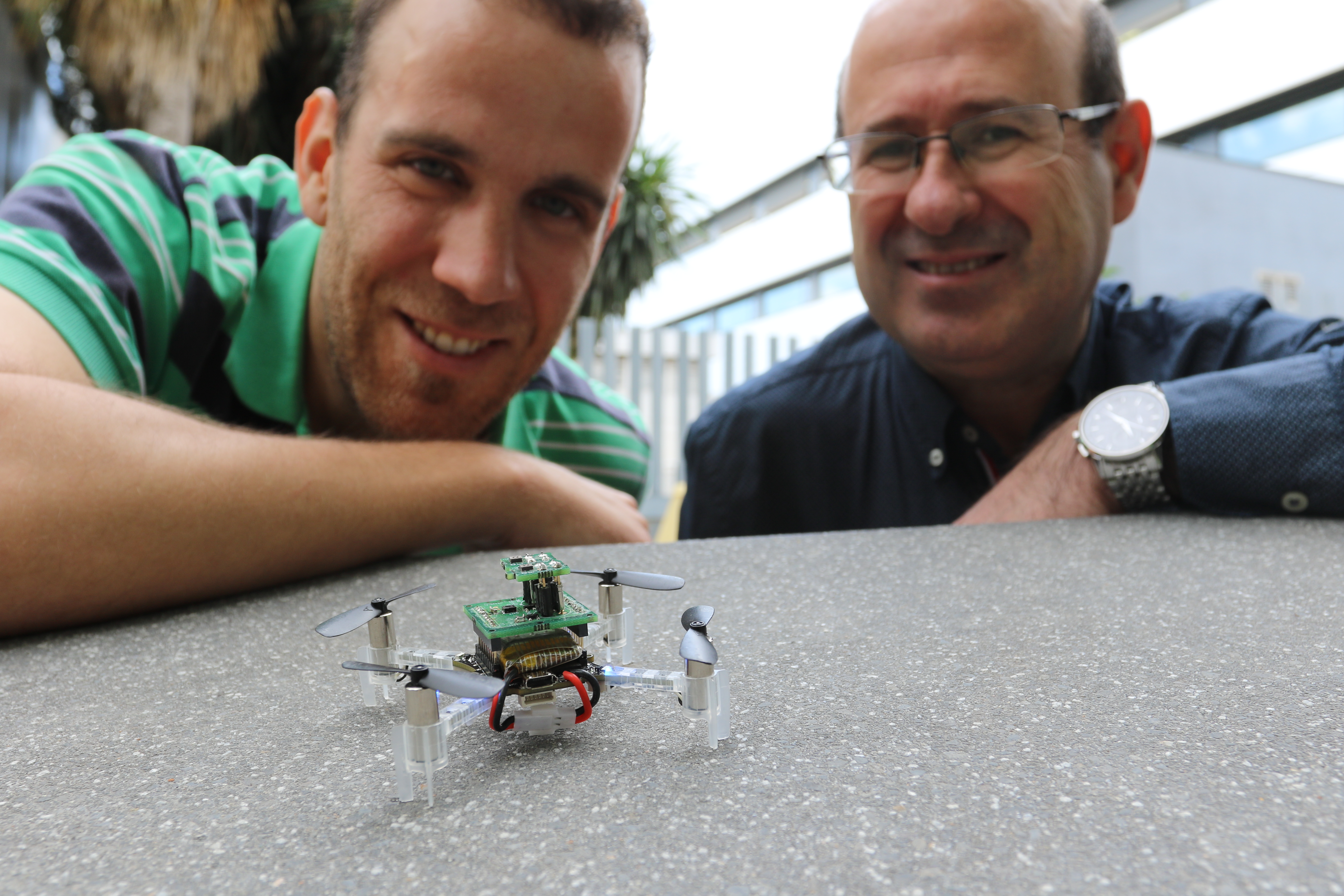
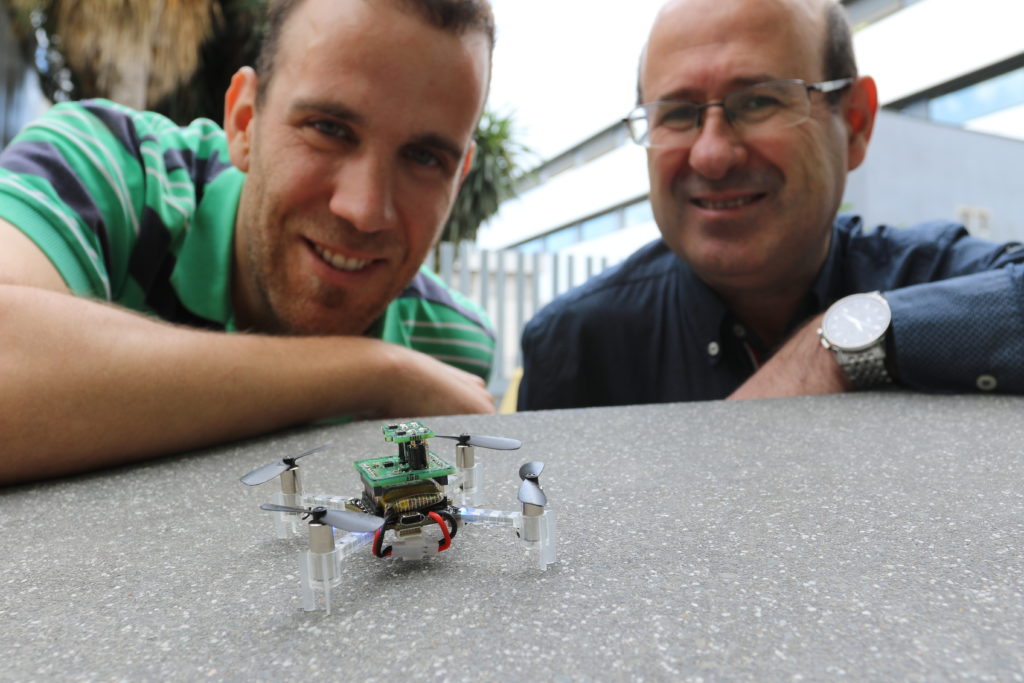 Researchers of the Signal and information processing for sensing systems research group at IBEC, led by Santiago Marco, have designed a nanodrone that could identify toxic gases in buildings that collapsed due the effects of earthquakes or explosions. The new gadget, which weights thirty-five grams, could be useful to detect the presence of victims in closed spaces which are hard to enter.
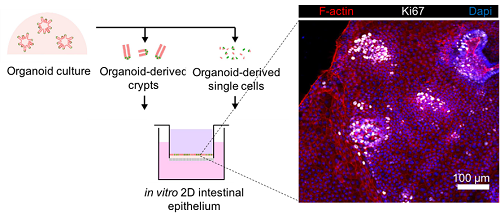
 During the last decade, intestinal organoids have emerged as a crucial tool to study intestinal biology in vitro. However, their sphere-like geometry limits the access to the organoid’s lumen hampering their use in many functional experiments where independent access to the different sides of the epithelium is required.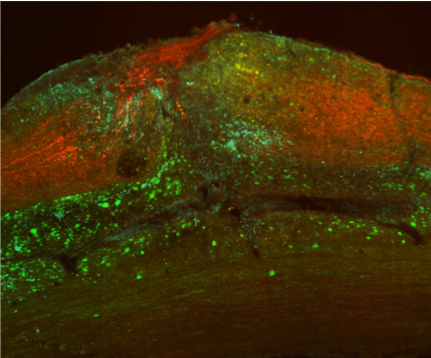
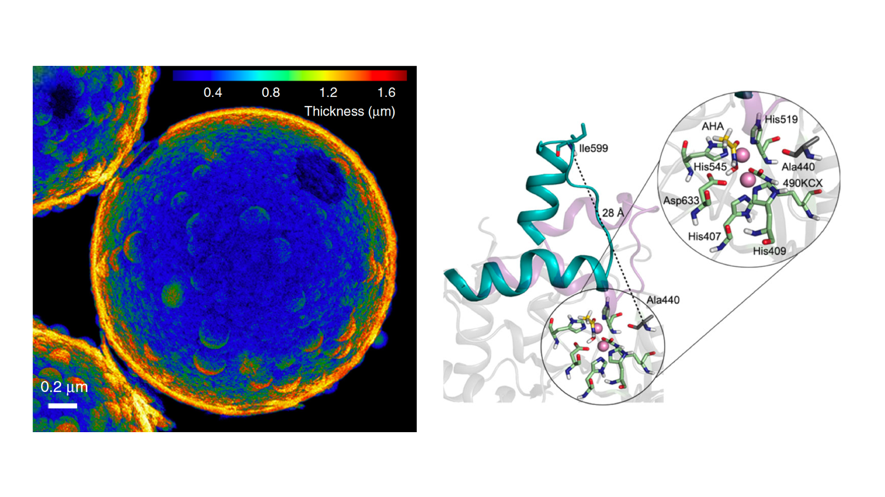 A study led by researchers at the Institute for Bioengineering of Catalonia (IBEC) opens the door to moving new microscopic objects using an entire library of enzymes According to experts, these microrobots will be able to be used in the near future for environmental and biomedical purposes.
 Scientists from the Institute for Bioengineering of Catalonia develop a technique that enables them to work out the specific function of a neuronal receptor according to its location in the brain. The study, published in PNAS, is based on the activation of photoswitchable drugs with micrometric precision and offers new opportunities in neurobiology.