DONATE

Cough sound analyzed to identify the severity of COVID-19 patients

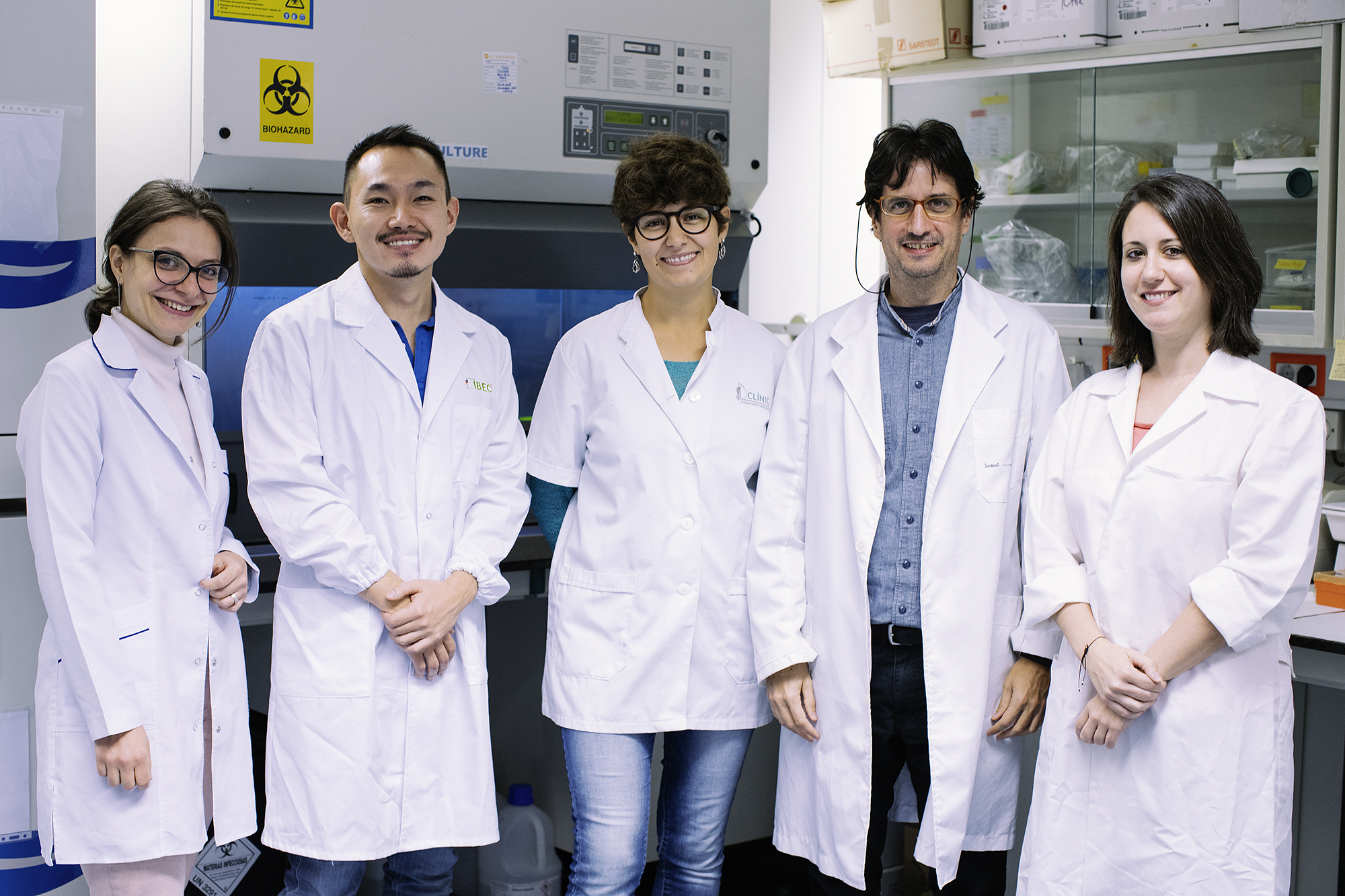
A research team led by IBEC and Hospital del Mar has conducted a study to analyze cough sounds recorded by smartphones in patients with COVID-19. The results reveal cough characteristics that could offer a quick, easy, and cost-effective method for identifying the severity of the disease in patients, whether at home or in any healthcare setting. This work also paves the way for utilizing this model in the ongoing monitoring of patients with persistent COVID-19 and other respiratory pathologies.
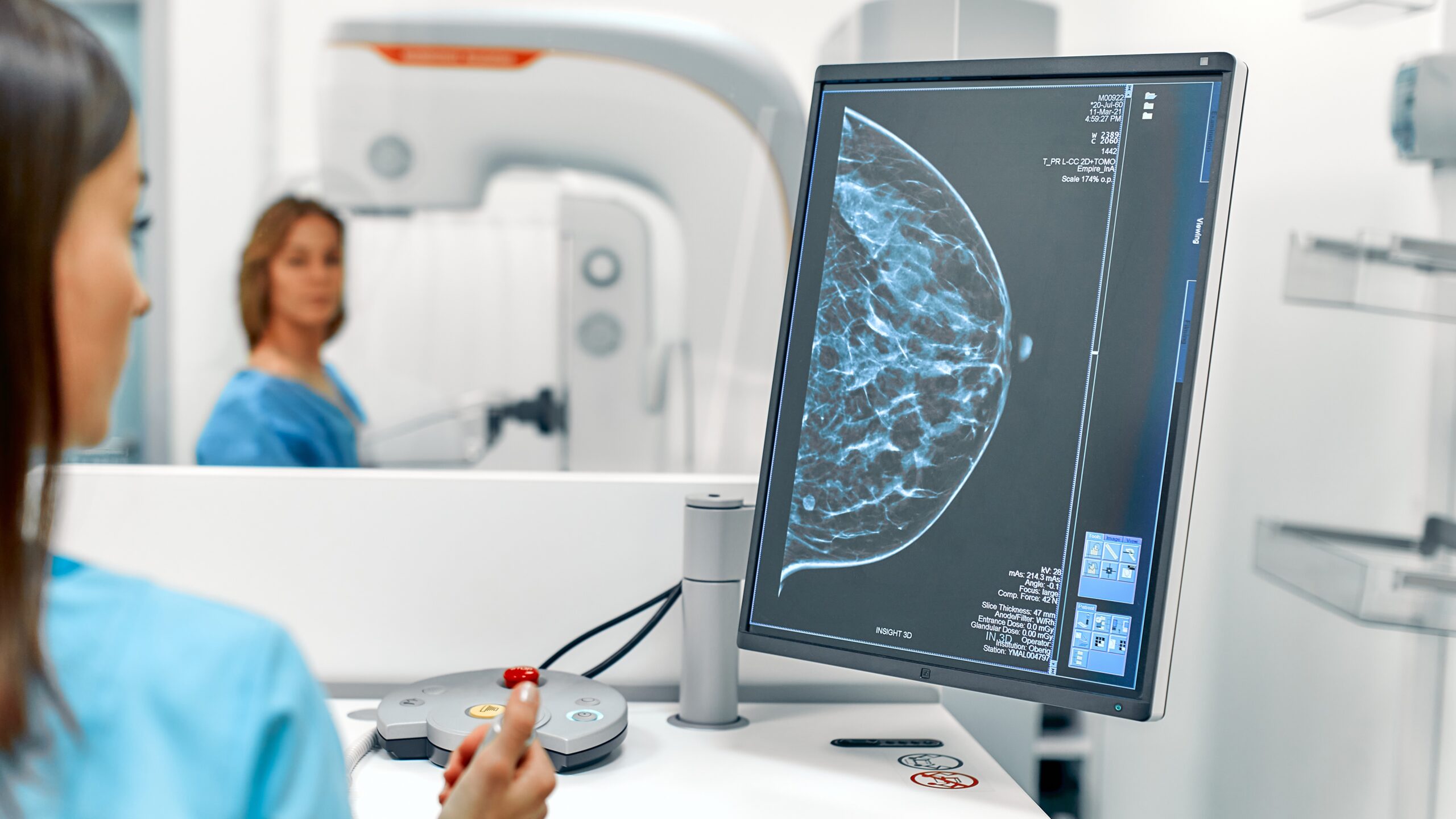
Preventing the tissue’s response to stiffness may be key to slowing the progression of breast tumors

A study led by the Institute of Bioengineering of Catalonia demonstrates that laminin, a protein present in breast tissues, prevents the effects of stiffening, protecting cells against tumor growth. While the mechanism has been demonstrated in vitro, persuasive indications suggest its potential applicability in vivo, as observed in patient samples.

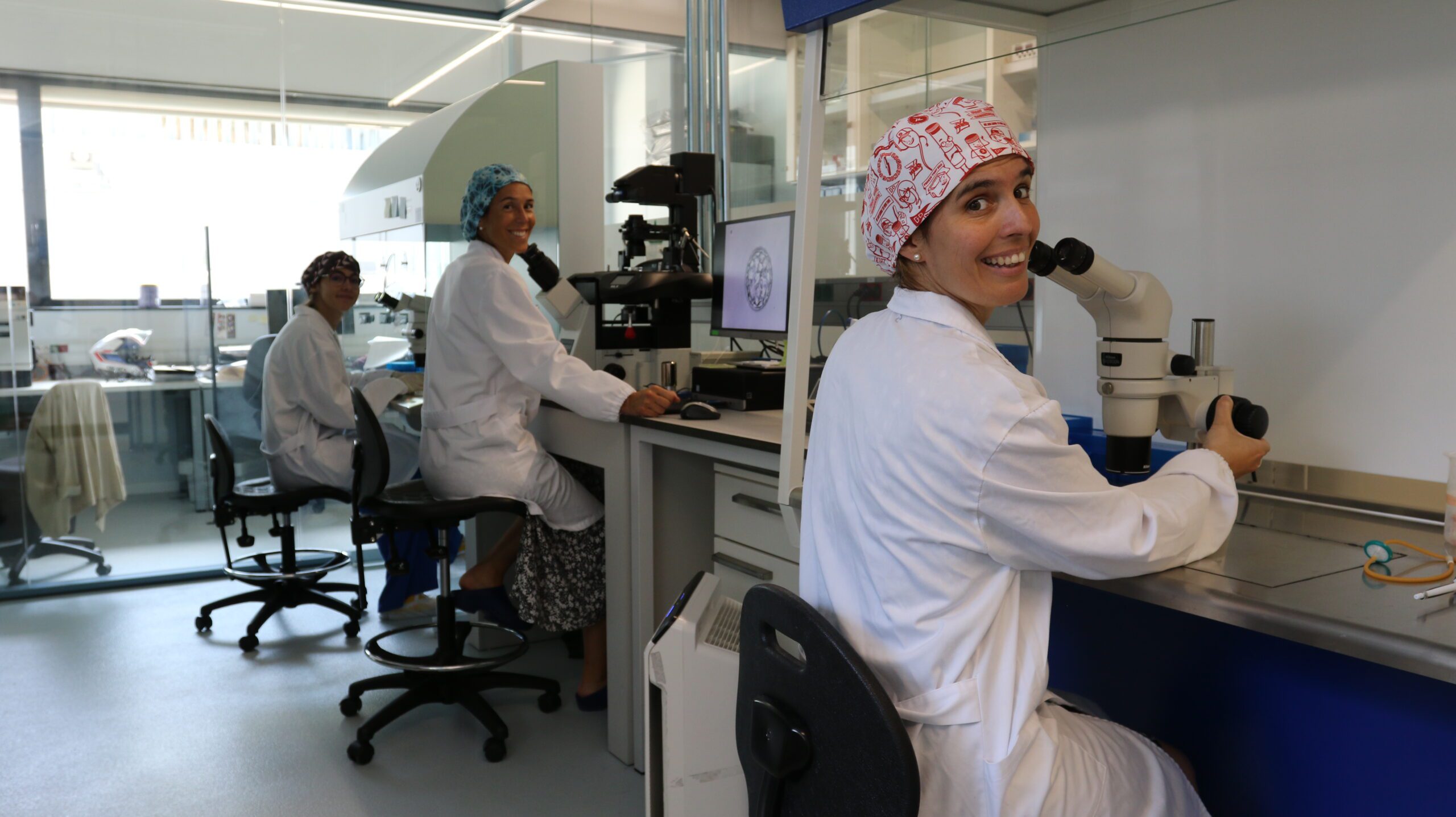
HYLIGHT, an innovative technology that will revolutionize in vitro fertilization techniques

On World Embryologist Day, the HYLIGHT project stands out as a powerful technology that will boost the field of In Vitro Fertilization (IVF) by facilitating the selection of embryos with greater implantation potential.  Louise Joy Brown was the first baby to be born through in vitro fertilization (IVF) method. This outstanding scientific landmark happened 45 … Read more

The internal clock of our cells is influenced by mechanical forces

A doctor in medical gloves holds an hourglass.

IBEC researchers uncover how mechanical forces disrupt the circadian clock in cells, the mechanism governing daily physiological changes. The finding may help to better understand aging and specific diseases, like certain types of cancer, characterized by impaired circadian regulation. Living organisms possess an internal biological cycle known as the circadian clock, enabling them to adapt … Read more

Researchers identify new biomarkers of the most frequent lung cancer

From left to right: Marselina Arshakyan (co-first author of the study), Rafael Ikemori, Paula Duch, Jordi Alcaraz and Marta Gabasa.

Researchers from the IBEC and the University of Barcelona (UB) have identified new biomarkers for non-small cell lung cancer, the most common lung cancer. The results, published in the journal Modern Pathology, were obtained thanks to a new technique that allows quantitative analysis of patient samples. It is a pioneering methodology that is cheaper and easier … Read more

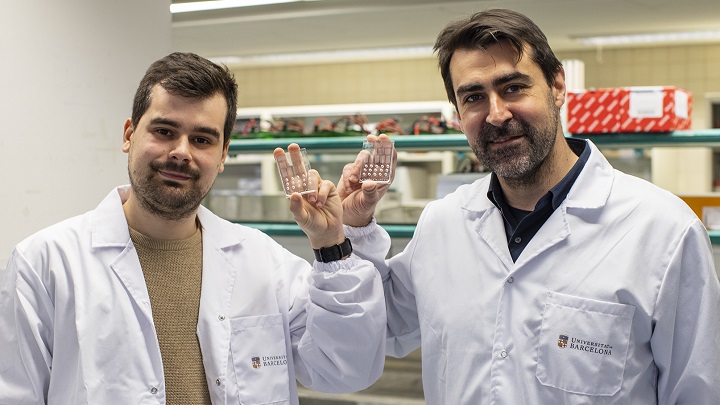
Researchers design a microfluidics device to predict cancer therapy response

One of the great challenges in the fight against cancer is to design new technologies for a personalized treatment for each patient. Depending on the molecular characteristics —DNA mutations for instance— of each tumour, precision medicine aims to make it easier for cancer patients, both adult and paediatric, to receive a personalized treatment that is appropriate to their pathology. But is it possible to know whether or not a patient can benefit from a treatment before starting therapy?

A blood-brain barrier on a chip to study drugs against Alzheimer’s

A study led by the Institute of Bioengineering of Catalonia (IBEC) describes the development of an organ-on-a-chip that mimics the human blood-brain barrier. With this system, researchers can study the barrier permeability to different drugs and screen the most effective ones, avoiding animal tests. The device could also incorporate cells from patients to make a personalized study of the disease.

The movement of cancer cells depends on the topography and stiffness of their environment

blue web network organic shapes background

A recent IBEC study has described how cells contact guidance is not only topography-dependent but also affected by the stiffness of the environment. The work highlights the importance of considering the stiffness of the substrate as another variable when studying and understanding in depth the process of cell migration inside the organism. This information is … Read more

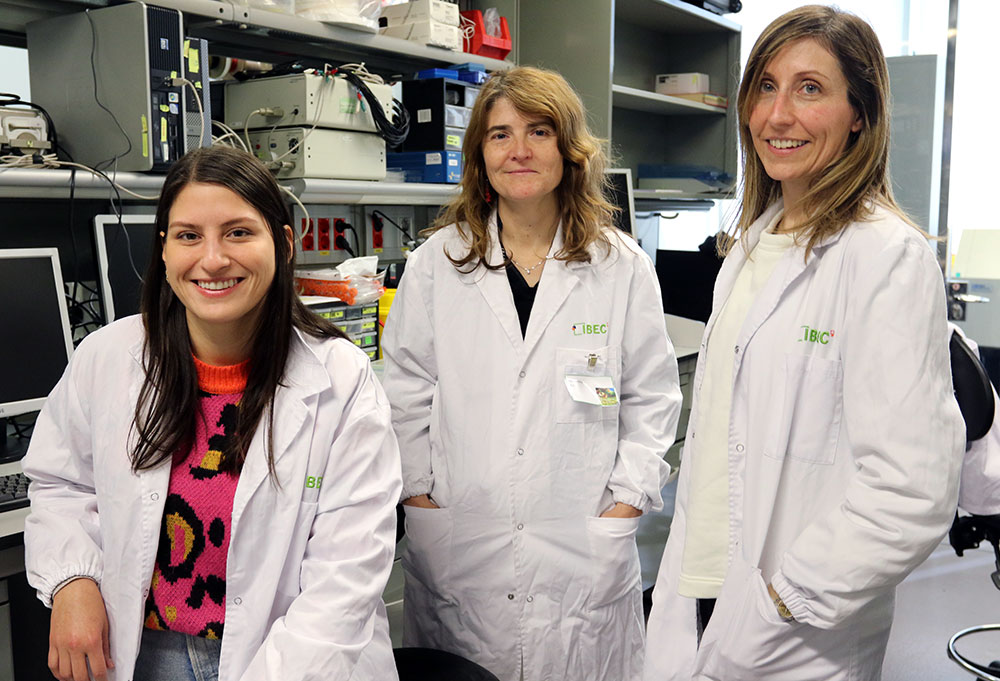
New strategy against chronic wound infections

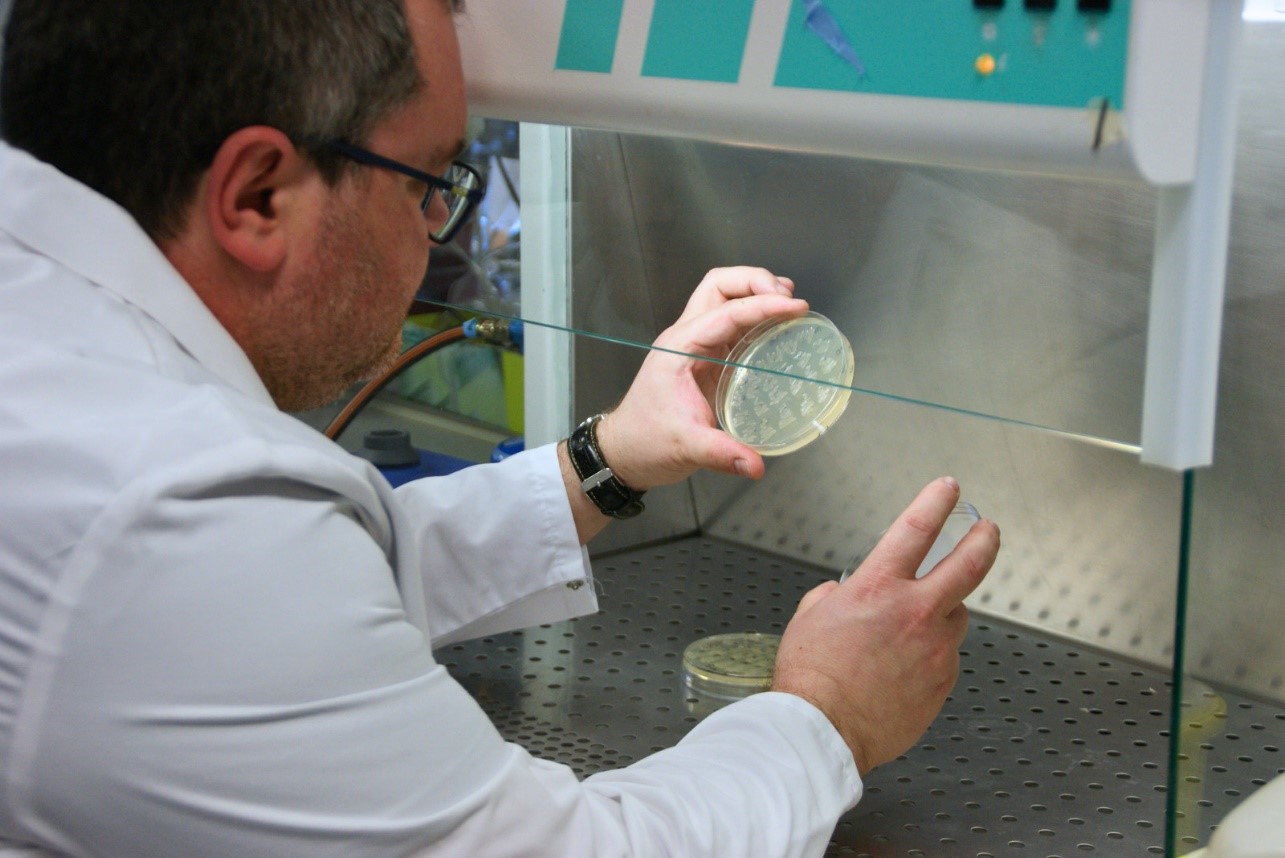
Chronic wounds are a challenge for microbiologists due to biofilms, complex structures where bacteria protect themselves from antibiotics, preventing infections from being treated effectively. A research team led by the Institute of Bioengineering of Catalonia (IBEC) has published in the journal Frontiers in Microbiology a study on how the use of specific enzymes and the … Read more

Cancer cells move to rigid environments like droplets 

Researchers from the Institute of Bioengineering of Catalonia (IBEC) and the University of Barcelona (UB) uncovered a similarity between liquid droplets and cell groups, revealing that surface tension helps cells to migrate towards stiffer environments. This new insight could help us to understand how cancer cells disseminate across tissues with different rigidity in our body.   Scientists … Read more