IBEC recieves funding for three projects thanks to la Marató 2018
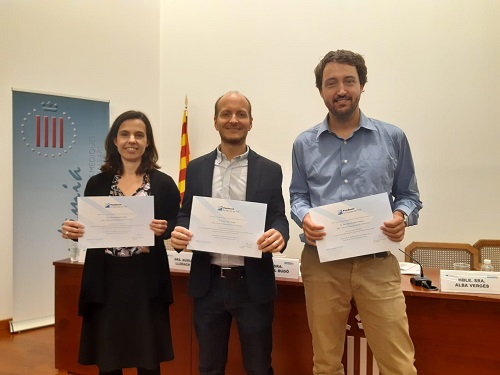
 Three IBEC projects have been selected to receive funding from “La Marató 2018: Against Cancer.” One of the projects is led by the researcher Pere Roca-Cusachs and the other two are co-led by the researchers Xavier Trepat and Núria Montserrat.
The awarding ceremony took place on October 30 in the Auditorium of the Academy of Medical and Health Sciences of Catalonia and the Balearic Islands. In this edition, over the 188 evaluated projects, 43 have been selected by an international committee of experts in cancer based on their excellence, methodology and relevance. La Marató de TV3, together with Catalunya Ràdio, broadcasts its annual telethon to raise funds for scientific research into various diseases with a different theme each year.
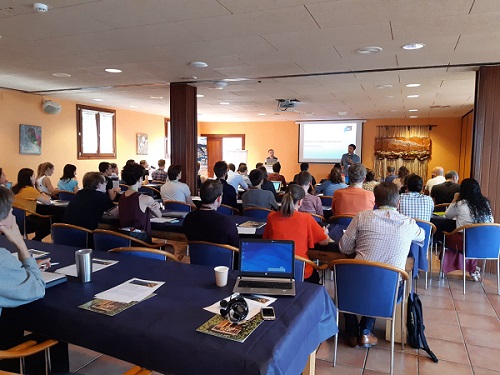
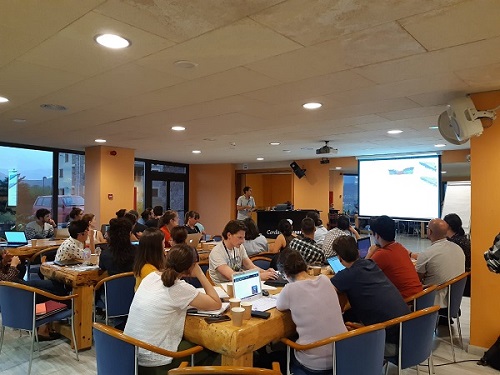 More than 60 people attended the “Mechanobiology of Cancer Summer School 2019” organised by IBEC as the center is in charge of coordinating the Mechano·contorl project. The summer school was held in Prullans, a tiny village located at the Catalan Pyrinees between 17 and 21 of September. The event was a great success both in participation and scientific level. The aim of the summer school was to provide training on mechanobiology, and specifically its application to breast cancer, and promote interactions between professionals of the field.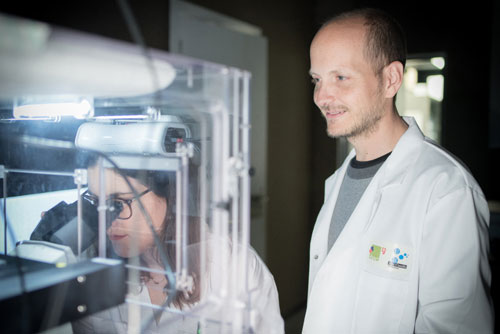
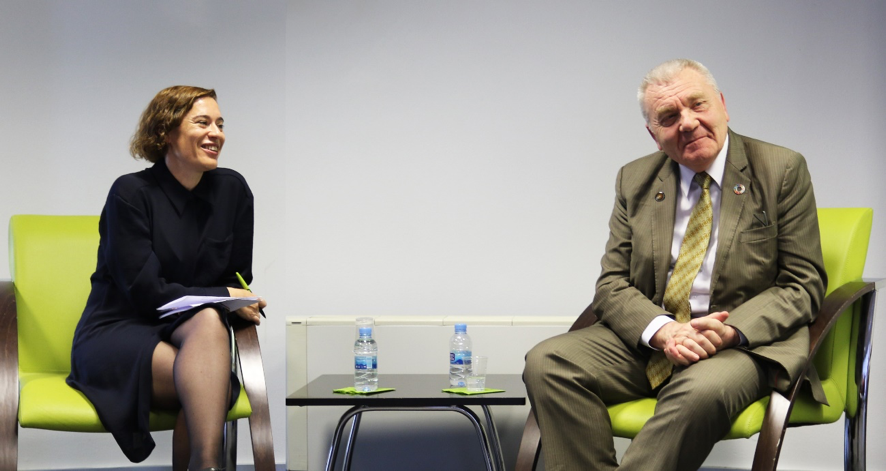
 The MECHANO·CONTROL consortium, led by several research institutions across Europe, is launching a Summer School that will be taking place between 17-20 of September 2019 at the Eco Resort in La Cerdanya. The aim of the summer school is to provide training on mechanobiology, and specifically its application to breast cancer.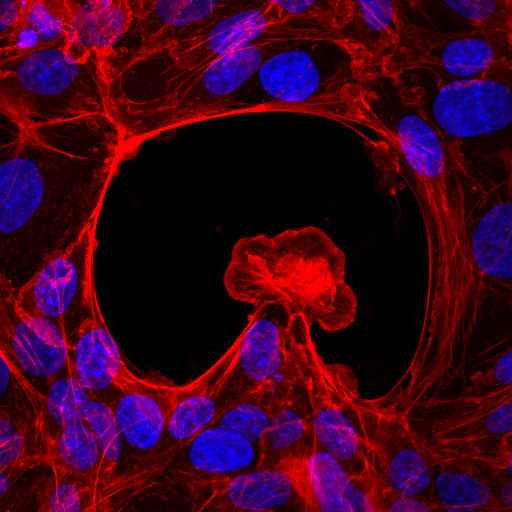
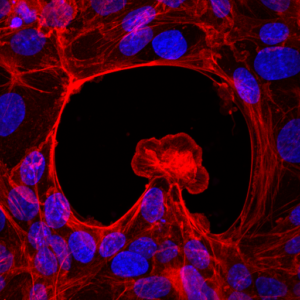
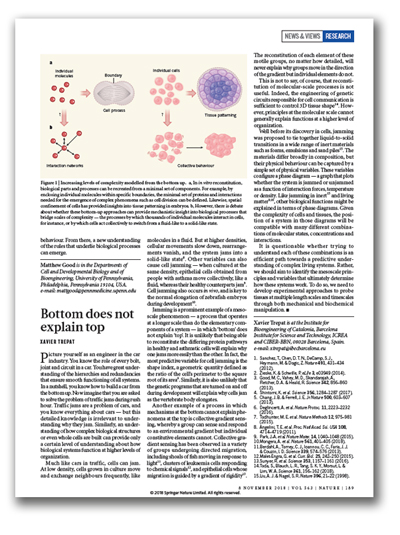
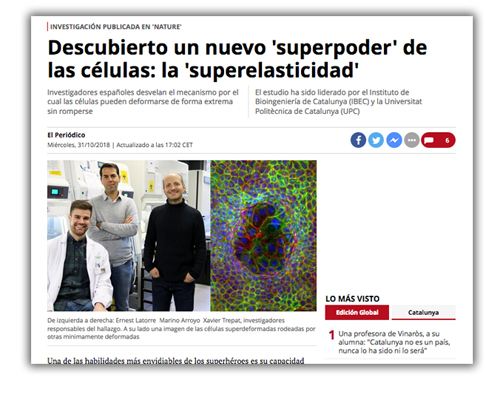
 Wednesday’s press release about the Nature paper published by IBEC and UPC researchers got a lot of press coverage.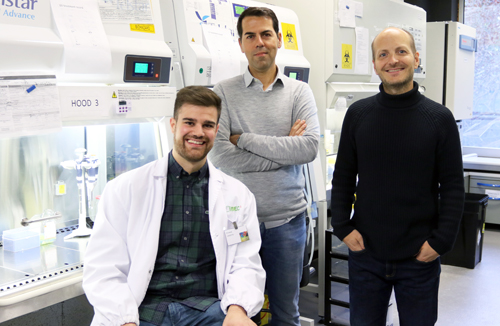
 One of the most enviable features of superheroes is their ability to stretch their bodies beyond imaginable limits. In a study published today in Nature, scientists have discovered that our cells can do just that.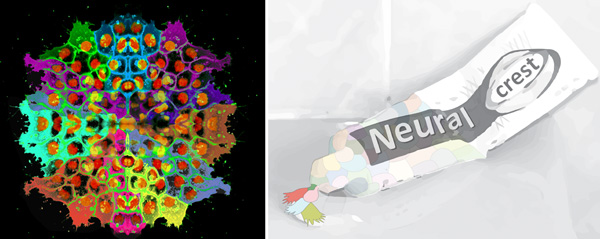
 The embryonic stem cells that form faces – neural crest cells – use an unexpected mechanism to develop our facial features, according to a new UCL-led study involving IBEC researchers.