Cell Migration Virtual Seminars: Xavier Trepat
Mechanobiology of epithelial folding and migration in intestinal organoids Xavier Trepat, Integrative cell and tissue dynamics group More information here Registration here

Group leader
Mechanobiology of epithelial folding and migration in intestinal organoids Xavier Trepat, Integrative cell and tissue dynamics group More information here Registration here
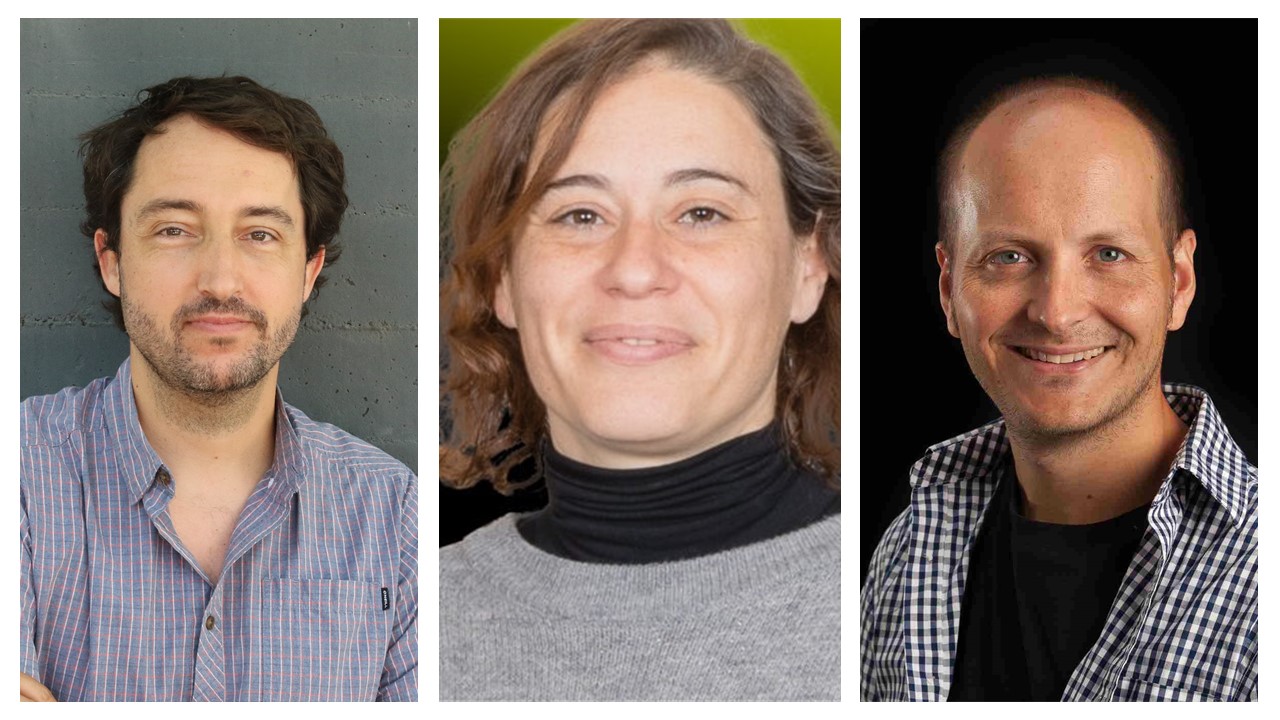
The results will be translated into a device that will recreate the tumor environment from cancer cells derived from patients, as well as a new technology that will allow to visualize how physical forces affect the nuclei of metastatic cells.
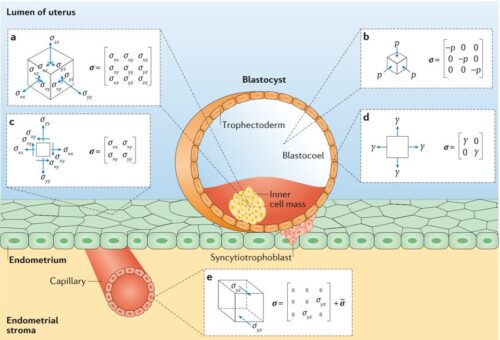
In order to work properly, living tissues need to continuously move, divide, reshape and perceive their microenvironment. In other words, they need to withstand certain mechanical stress derived from contact.
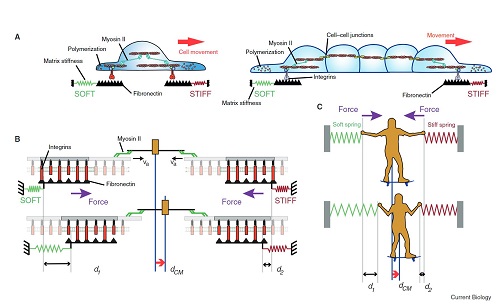
 Xavier Trepat, group leader of the “Integrative cell and tissue dynamics” at IBEC together with Raimon Sunyer, Senior researcher in Trepat’s lab, have written a Primer in Current Biology magazine on “Durotaxis”, a cell migration mechanism that might have a role in several disease states that include the stiffening of tissues.
Embryo development, tumour progression or the immune response against pathogens requires cell migration.
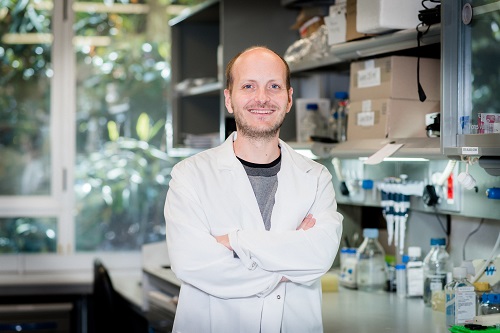
 Several media channels have reported this year’s European Research Council grants to various projects being undertaken in Catalonia. Among these projects is that of Xavier Trepat, group leader at IBEC.
The researcher at the Institute for Bioengineering of Catalonia (IBEC), Xavier Trepat, has received the prestigious ERC Advanced Grant awarded by the European Research Council (ERC) worth 2.5 million euros.
Several media channels have reported this year’s European Research Council grants to various projects being undertaken in Catalonia. Among these projects is that of Xavier Trepat, group leader at IBEC.
The researcher at the Institute for Bioengineering of Catalonia (IBEC), Xavier Trepat, has received the prestigious ERC Advanced Grant awarded by the European Research Council (ERC) worth 2.5 million euros. Thanks to this grant the expert and his group will be able to study the mechanical properties of the epithelium in 3D and to lay the foundations for a pioneering technology called “Epifluidics”, which will allow the design of biological robots.
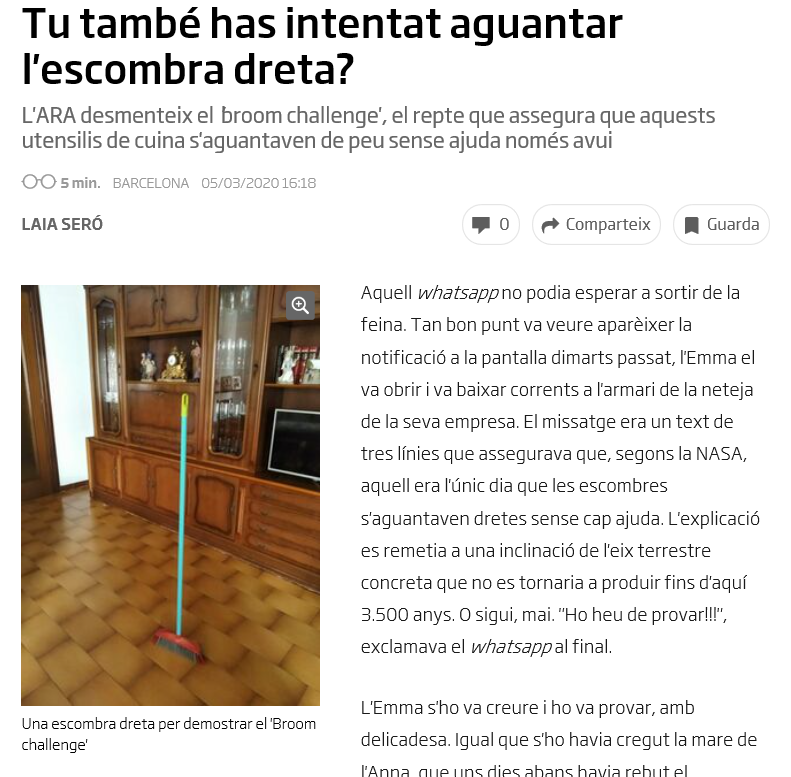
 Xavier Trepat reveals to the Ara journal the secret behind the famous boom challenge.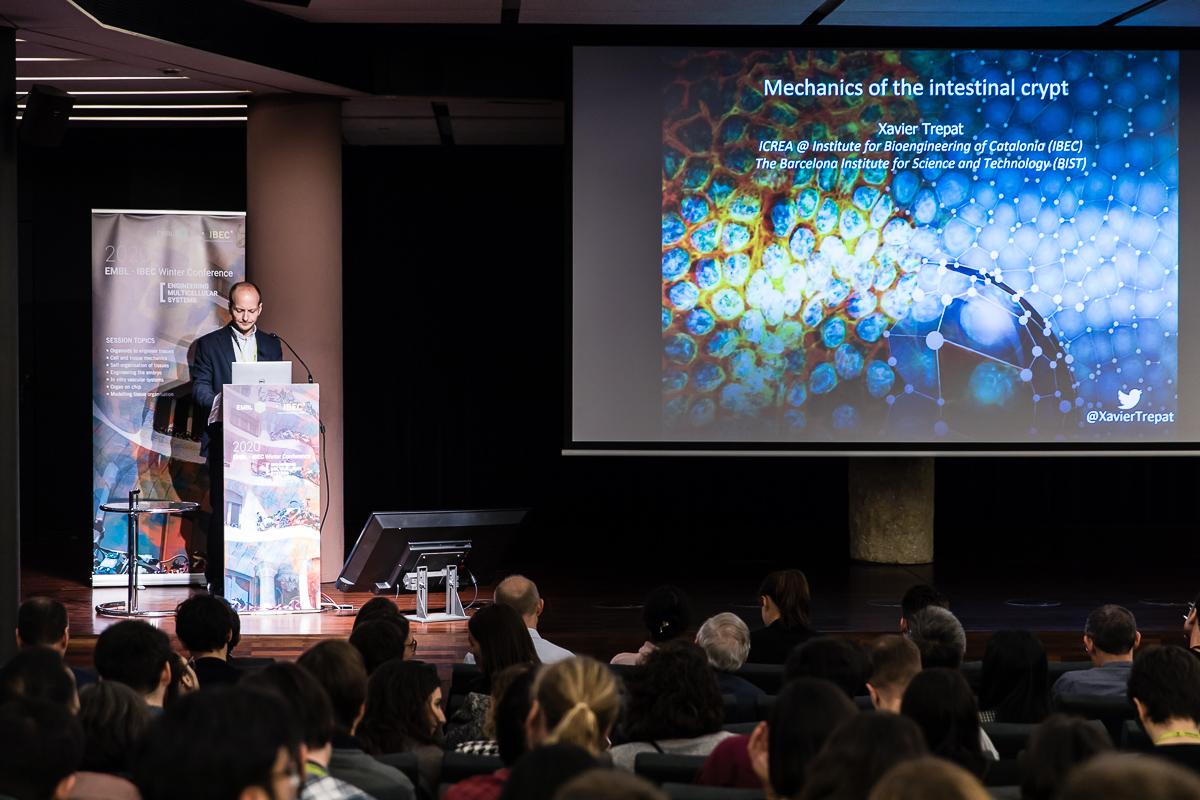
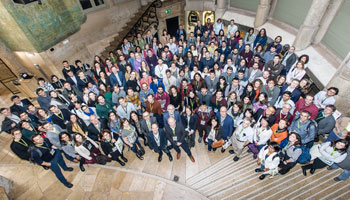
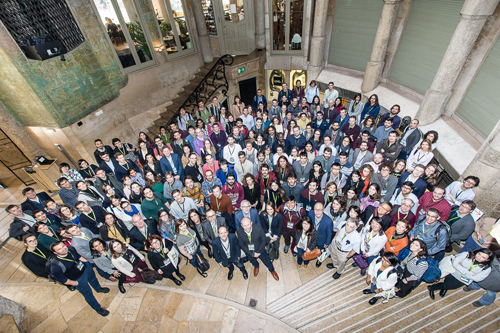
At the opening of the event, which was led by the mayor of Barcelona, Ada Colau, attention was drawn to Barcelona’s consolidation as an international centre of research and knowledge.