Description
This Thematic Network brings together IBEC researchers to explore cutting-edge developments in various aspects of the central nervous system (CNS), ranging from basic research to innovative therapeutic strategies. This network promotes interdisciplinary efforts to explore new therapeutic strategies and address CNS diseases and conditions. Through a series of focused workshops, participants will explore neurodegenerative disease pathways, regeneration after CNS injury, advanced in vitro CNS modelling, overcoming therapeutic barriers such as drug delivery across the blood-brain barrier, and cutting-edge neuroengineering technologies such as soft electronics and robotic assistive devices. The network/program will culminate in a final retreat where members will discuss workshop findings, propose collaborative projects for evaluation, and assess potential innovations for future development. These collaborative efforts aim to integrate diverse knowledge, accelerate therapeutic innovation, and establish new collaborations between IBEC members interested in neuroscience.
NET-CNS counts on the participation of the following IBEC research groups:
- Biomaterials for Neural Regeneration
- Biosensors for Bioengineering
- Cellular and Molecular Mechanobiology
- Molecular and Cellular Neurobiotechnology
- Molecular Bionics
- Nanobioengineering
- Nanoprobes & Nanoswitches
- Phase transitions in Health and Disease
Contact us:
Main contact: zalvarez@ibecbarcelona.eu
Other contact: joliver@ibecbarcelona.eu
Network Members
Network Coordinator:
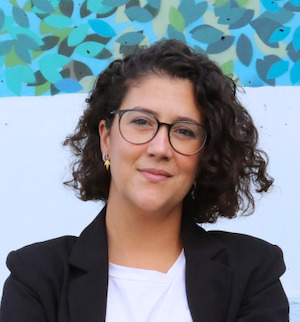
Zaida Álvarez
Junior Group Leader
She works on the development of tailored biomaterial strategies to reverse paralysis, the creatin of human spinal cord organoids and 3D-printed spinal cord constructs for in vitro injury studies and treatment evaluation.
Network Representatives:
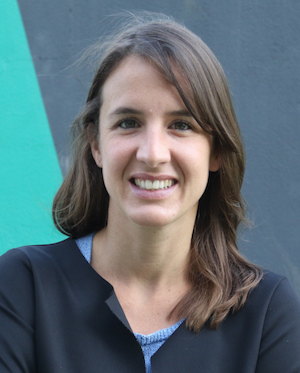
Benedetta Bolognesi
Group Leader
She works on the development of deep mutational scanning strategies to study protein induced toxicity and protein aggregation.
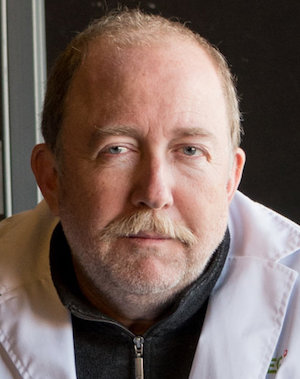
José Antonio del Río
Group Leader
He works on different tauopathies and on the development of in vitro models using microfluidics, and neurons derived from hiPSCs.
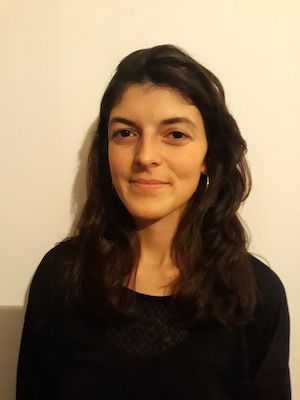
Carolina Rodríguez-Gallo
Postdoctoral Researcher
She works on the development of new tools for organ-on-a-chip devices.
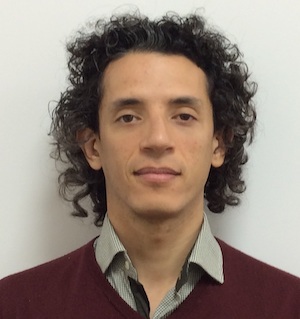
Daniel Gonzalez-Carter
Ramón y Cajal Researcher
He works on developing systems to achieve brain-specific therapeutic effects and on the generation of artificial targets to guide therapies to the brain.

Silvia Pittolo
Ramón y Cajal Researcher
She works on the development of personalized therapies for neuropsychiatry.
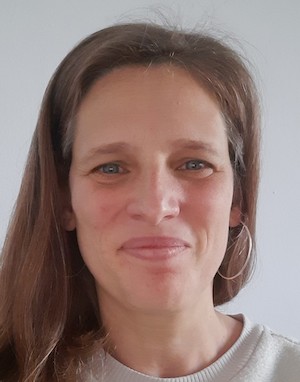
Amayra Hernández-Vega
Ramón y Cajal Researcher at IBEC
She works on in live-cell imaging studies, Tau phase separation, and Tau solid transition.
Jorge Oliver-De La Cruz
Postdoctoral Researcher
He works on the impact of mechanical cues in neurodegenerative diseases.
Mònica Mir
Sènior Researcher
He works on developing bioengineered models of organ on a chip with integrated monitoring systems
Network Programme
NET-CNS will organize 4 half-day workshops and a final retreat, each focusing on key topics in the central nervous system (CNS).
Each workshop will feature a seminar led by an IBEC speaker, followed by two distinguished experts, one external and one local. A final roundtable will foster a dialogue around the issues discussed during the workshop.
Workshop information.
Workshop 1: Neurodegenerative Diseases: Unraveling Molecular and Cellular Mechanisms to Advance Prevention and Treatment
Date and Venue
Friday 09/05/2025 · 09:00h – 16:00 h
Sala Baobab, Tower I, Floor 11 (PCB)
The first workshop on May 9th will focus on will focus on exploring the molecular and cellular mechanisms of neurodegeneration and CNS pathology, as well as emerging therapies and prevention strategies. The event will feature two plenary lectures by leading external experts, along with a series of presentations by IBEC researchers.
Amaia Arranz (Achucarro Basque Center for Neuroscience) – Investigating how APOE variants influence astrocyte function in Alzheimer’s disease using humanized in vitro models and chimeric mice.
Salvador Ventura (Institut de Biotecnologia i Biomedicina, Universitat Autònoma de Barcelona) – Exploring protein folding, misfolding, and aggregation in Parkinson’s and other neurodegenerative diseases.
We will also have three presentations from IBEC researchers working in the field and a final roundtable discussion on how these novel concepts and approaches can drive new therapeutic strategies and prevention for CNS disorders.
Schedule programme:
9:00 – Registration
9:20 – Welcome from Network Coordinator
9:30 – Mariano Martín, IBEC, “Amyloids ‘at the border’: deep mutagenesis and random sequence extension reveal an incomplete amyloid-forming motif in Bri2 that turns amyloidogenic upon C-terminal extension”
10:00 – Invited speaker: Salvador Ventura, Institut de Biotecnologia i Biomedicina, Universitat Autònoma de Barcelona, “A structure-based approach to tackle protein aggregation in Parkinson’s disease”
11:00 – Coffee Break and Networking
11:30 – Invited speaker: Amaia Arranz, Achucarro Basque Center for Neuroscience, “Divergent Effects of APOE3 and APOE4 Human Astrocytes on Key Alzheimer’s Disease Hallmarks in Chimeric Mice”
12:30 – Roundtable moderated by network chairs to debate the issues discussed
13:30 – Lunch break
14:30 – Amayra Hernández, IBEC, “Dynamics of Axonal Degeneration in Alzheimer’s Disease Induced by Tau or Amyloid Beta Aggregation”
15:00 – Karolina Zimkowska, IBEC, “Neuronal Activity and p-Tau: Lessons from Primary Cultures to Cortical Organoids Modeling FTLD-17”
15:30 – Closing remarks and end of the workshop
Plenary talks details:
Amaia Arranz (Achucarro Basque Center for Neuroscience)
Divergent Effects of APOE3 and APOE4 Human Astrocytes on Key Alzheimer’s Disease Hallmarks in Chimeric Mice
Despite strong evidence supporting that both astrocytes and apolipoprotein E (APOE) play crucial roles in the pathogenesis and progression of Alzheimer’s disease (AD), the impact of astrocytes carrying different APOE variants on key AD pathological hallmarks remains largely unknown. To explore such effects in a human relevant context, we generated a chimeric model of AD. We transplanted isogenic APOE3 or APOE4 human induced pluripotent stem cell (hiPSC)-derived astrocyte progenitors into neonatal brains of AD model mice. We show that at five to six months after transplantation, transplanted cells have differentiated into mature astrocytes (h-astrocytes) that often integrate in upper layers of one cortical hemisphere. APOE3 and APOE4 h-astrocytes differentially express and secrete the APOE protein, which binds to Aβ plaques with an isoform-dependent affinity. Remarkably, APOE3 h-astrocytes ameliorate Aβ pathology, Tau pathology and neuritic dystrophy. In contrast, APOE4 h-astrocytes aggravate these AD processes. Moreover, APOE3 and APOE4 h-astrocytes modulate microglia responses to Aβ pathology in opposite ways. APOE4 h-astrocytes enhance microglia clustering around Aβ plaques and exacerbate DAM state whereas APOE3 h-astrocytes reduce microglia clustering and induce a more homeostatic state on plaque-associated microglia. These findings highlight a critical contribution of h-astrocytes not only to Aβ pathology but also to other key AD hallmarks in chimeric mice. In addition, our findings reveal that h-astrocytes with different APOE variants and the different forms of APOE they secrete have a crucial role in AD progression.
Salvador Ventura (Institut de Biotecnologia i Biomedicina, Universitat Autònoma de Barcelona)
A Structure-Based Approach to Tackle Protein Aggregation in Parkinson’s Disease
α-Synuclein aggregation drives neurodegeneration in Parkinson’s disease (PD). We identified peptides that selectively bind to toxic α-synuclein oligomers and fibrils with high affinity while sparing the functional monomer. These peptides effectively inhibit aggregation and prevent oligomer-induced cell damage. Human peptide candidates with strong anti-aggregation and detoxifying properties were discovered, and the best in vitro candidate alleviated motor symptoms in a PD animal model. Structural studies mapped their binding region, showing that mutations or deletions in this site eliminate α-synuclein aggregation and toxicity. This insight led to the development of conformation-specific nanobodies and monoclonal antibodies that block amyloid formation, providing a novel therapeutic and diagnostic strategy for PD.
Workshop 2: Neuroengineering: Input-Output Interfaces and Interventions
Date and Venue
Friday 23/10/2025 · 09:00h – 16:00 h
Baobab room, Torre I, Floor 11, Parc Científic de Barcelona (PCB)
This second workshop on October 23th will focus on emerging neurotechnologies to interface with the CNS, including innovative strategies to record, stimulate, and modulate neural activity for both fundamental research and therapeutic interventions. The event will feature three lectures by leading experts:
John Rogers (Northwestern University, Chicago) developing flexible and bio-integrated electronic devices to monitor health, interface with the nervous system, and advance medical therapies.
Josep Maria Font Llagunes (Institute for Research and Innovation in Health (IRIS-UPC), Barcelona) developing computational methods for the analysis and prediction of human movement, innovative robotic exoskeletons and wearable monitoring technology.
Aureli Soria-Frisch (Starlab, Barcelona), Director of Neuroscience at Starlab, a deep tech company that develops wireless platforms and AI tools to find biomarkers to diagnose and treat brain disorders, with applications ranging from neurodevelopment to cognitive decline in aging.
Programme
09:00 – Registration
09:20 – Welcome from Network Coordinator
09:30 – IBEC speaker: Nicolò Accanto, Nonlinear Photonics for Neuroscience Group, ” Advanced Two-Photon Microscopy for Decoding Neuronal Circuits “
10:00 – Invited speaker: John Rogers, Northwestern University, Chicago, “Bioelectronic Systems as Neural Interfaces”
11:00 – Coffee Break and Networking
11:30 – Invited Speaker: Aureli Soria-Frisch, Starlab, Barcelona, “From Starlab to Neuroelectrics, a neurotechnology transfer success case”
12:30 – IBEC speaker: Mònica Mir, Nanobioengineering Group, “Integrated sensors in humanized models on a chip to study neurodegeneration”
13:00 – Lunch Break
14:15 – Invited speaker: Josep M. Font-Llagunes, Institute for Research and Innovation in Health (IRIS-UPC), “From Biomechanics to Clinical Impact: Exoskeleton and Monitoring Technologies in Neurorehabilitation”
15:15 – IBEC speaker: Silvia Pittolo, Nanoprobes and Nanoswitches group, “Exploiting new technologies to read and control brain cells and circuits in real time”
15:45 – End of the Workshop
Plenary talks details:
Bioelectronic Systems as Neural Interfaces
John Rogers, Northwestern University, Chicago
Advanced electronic/optoelectronic systems constructed in classes of materials that enable intimate integration with soft tissues of the brain and the peripheral nervous system will accelerate progress in neuroscience research; they will also serve as the foundations for new approaches in regenerative medicine and in the treatment of neurodegenerative disease. Specifically, capabilities for injecting miniaturized electronic elements, light sources, photodetectors, multiplexed sensors, programmable microfluidic networks and other components into precise locations of the deep brain or for softly laminating them onto the surfaces of the spinal cord or peripheral nerves will open up unique and important opportunities in stimulating, inhibiting and monitoring neural circuit behaviors. This presentation will describe concepts in materials science and assembly processes that underpin these types of technologies, in 1D, 2D and 3D architectures. Examples include ‘cellular-scale’ optofluidic neural probes for small animal model research, 3D mesoscale networks for study of neural signal propagation in organoids and bioresorbable electrical stimulators for neuroregeneration.
From Biomechanics to Clinical Impact: Exoskeleton and Monitoring Technologies in Neurorehabilitation
Josep M. Font-Llagunes is Full Professor of Mechanical Engineering at Universitat Politècnica de Catalunya (UPC) and director of the BIOMEC Lab at the Institute for Research and Innovation in Health (IRIS-UPC)
Exoskeletons and other assistive devices are becoming key technologies in advanced therapies for neurorehabilitation. Their development and clinical use require a solid understanding of human movement and its interaction with wearable devices, which can be explored through biomechanical simulation. This lecture will discuss how personalized biomechanical models can support the design and control of exoskeletons, enabling more effective and individualized therapies. Recent clinical investigations on bilateral and monoarticular lower-limb exoskeletons for gait rehabilitation in individuals with spinal cord injury and stroke will be presented. In addition, results from a clinical study using an IMU-based wearable system to monitor arm kinematics in pediatric patients with muscular dystrophy will be discussed. Together, these examples illustrate how neurorehabilitation technologies, informed by biomechanical simulation, can help clinicians improve therapy personalization, monitor rehabilitation outcomes, and maximize functional recovery.
Workshop 3: Overcoming Therapeutic Barriers in CNS
Friday 27/02/2026 · 09:00h – 13:00 h
Baobab room, Torre I, Floor 11, Parc Científic de Barcelona (PCB)
This third NET-CNS workshop, taking place on February 27th, will focus on overcoming therapeutic barriers in CNS disorders, with particular emphasis on delivery strategies, biological interfaces, and translational challenges.
The event will feature three lectures by leading experts in the field:
- Cristina Fornaguera, Professor of Bioengineering at the NanoTherapies Lab, Institut Químic de Sarrià (IQS), Universitat Ramon Llull (URL) — her research focuses on nanotechnology-based therapeutic systems and advanced drug delivery strategies across biological barriers.
- Eloi Montañez, Associate Professor, Department of Physiological Sciences, Faculty of Medicine and Health Sciences, University of Barcelona (UB) — an expert in cell signaling, vascular biology, and endothelial function relevant to CNS and neurovascular interfaces.
- Meritxell Teixidó, CEO & CSO, Gate2Brain SL, a Barcelona-based biotech developing peptide-based delivery technologies to transport therapeutics across the blood–brain barrier for CNS and oncology applications
Programme
9:00 – Registration
09:20 – Welcome from Network Coordinator
09:30 – IBEC speaker: Daniel Gonzalez-Carter, Molecular Bionics group Group. “Exploiting the physiology of the BBB to target therapies to the brain.”
10:00 – Invited speaker: Cristina Fornaguera, NanoTherapies Lab, Institut Químic de Sarrià (IQS), Universitat Ramon Llull (URL). “From Bench to Brain: Polymeric Nanoparticles for Controlled Brain Delivery”
10:40 – Coffee Break and Networking
11:10 – Invited Speaker: Meritxell Teixidó, Gate2bBrain. “Gate2Brain blood-brain barrier shuttle peptides: From discovery to applications and going beyond small molecules.”
11:50 – Invited Speaker: Eloi Montañez, IDIBELL Department of Physiological Sciences
Faculty of Medicine and Health Sciences, University of Barcelona. “Linking TDP-43 to Vascular Degeneration and Neuroinflammation”
12:30 – IBEC speaker: Anna Lagunas, Nanobioengineering group. “A BBB-on-a-chip (BBB-oC) with integrated micro-TEER to evaluate brain drug delivery”.
13:00 – End of Workshop
Plenary talk details
Cristina Fornaguera (NanoTherapies Lab, Institut Químic de Sarrià (IQS), Universitat Ramon Llull (URL)
“From Bench to Brain: Polymeric Nanoparticles for Controlled Brain Delivery”
Delivering therapeutics to the brain remains one of the major challenges in nanomedicine due to the presence of highly selective biological barriers, particularly the blood–brain barrier (BBB). Over the past decade, my research has focused on the rational design of polymeric nanocarriers capable of navigating these barriers to enable controlled and targeted delivery of both small-molecule drugs and nucleic acid–based therapeutics to the central nervous system.
In this talk, I will present a journey from polymer chemistry and nanoparticle engineering at the bench to preclinical brain delivery applications. I will discuss how polymer composition, nanoparticle architecture, surface functionalization, and manufacturing strategies critically determine nanoparticle stability, biological identity, and interaction with physiological barriers. Particular emphasis will be placed on polymeric nanoparticles prepared by nano-emulsion templating and on poly(β-amino ester)–based systems as versatile platforms for brain-targeted delivery.
Using selected examples, I will illustrate how these nanocarriers can be engineered to cross the BBB after systemic administration, achieve controlled drug release, and deliver RNA cargos—such as mRNA or other therapeutic nucleic acids—while preserving bioactivity and minimizing off-target effects. Advanced in vitro and in vivo models are used to unravel structure–function relationships and to bridge the gap between formulation design and biological performance.
Overall, this presentation highlights how a deep understanding of nanoparticle–barrier interactions enables the translation of polymeric nanomedicines from bench to brain, opening new opportunities for the treatment of neurological and neurodegenerative diseases.
Meritxell Teixidó (Gate2bBrain).
“Gate2Brain blood-brain barrier shuttle peptides: From discovery to applications and going beyond small molecules.”
Gate2Brain shuttle peptides represent salvage for new or previously rejected CNS drug candidates by providing a way to cross the blood-brain barrier (BBB).
Gate2Brain technology consist on a toolbox of peptides able to cross the BBB and carry compounds covalently attached (including small molecules, peptides, proteins, antibodies, plasmids, siRNA or mRNA loaded nanoparticles, etc…) that cannot cross this barrier unaided. They have proofed to carry these cargoes in vitro and in vivo. These peptide shuttles use the existing transport mechanisms at the BBB without affecting the normal functioning of these mechanisms and preserving brain homeostasis.
By improving the delivery of therapeutic candidate to the CNS, we will ensure immediate impact in many CNS diseases patients. In addition, in a broader perspective, Gate2Brain technology may help to repurpose existing therapies previously rejected because of difficulty to reach the brain, accelerating the translation towards clinical development. Gate2Brain will also result in the application of lower concentrations of therapeutic agent, thereby significantly lowering systemic side effects and reducing the cost of the treatment.
Gate2Brain peptides combine protease resistance, capacity to carry a wide range of cargoes thanks to their versatility, low production costs, and low immunogenic risk. They provide a non-invasive, non-antigenic, permeable, stable, soluble and receptor-specific way to transport drugs across the BBB and into the CNS.
Eloi Montañez (IDIBELL Department of Physiological Sciences Faculty of Medicine and Health Sciences, University of Barcelona)
“Linking TDP-43 to Vascular Degeneration and Neuroinflammation”
Defective vascular growth and loss of vessel stability are increasingly recognized as contributors to neurodegenerative disease. TAR DNA-binding protein 43 (TDP-43), a central regulator of gene expression, is well known for its pathogenic role in neurons; however, its contribution to vascular degeneration and neuroinflammation remains poorly defined.
Here, we investigate the role of TDP-43 in endothelial cells using inducible, cell type-specific knockout mouse models. We show that endothelial TDP-43 is essential for sprouting angiogenesis, vascular barrier integrity, and blood vessel stability. Postnatal endothelial-specific deletion of TDP-43 resulted in retinal hypovascularization due to impaired endothelial proliferation and migration, while loss of TDP-43 in mature vessels disrupted the blood-brain barrier and triggered vascular degeneration. Notably, these vascular defects were accompanied by a robust neuroinflammatory response, characterized by activation of microglia and astrocytes.
Mechanistically, TDP-43 deficiency disrupted the fibronectin matrix surrounding sprouting vessels and reduced β-catenin signaling in endothelial cells. Together, these findings establish TDP-43 as a critical molecular link between vascular degeneration and neuroinflammation, providing new insight into neurovascular mechanisms that may contribute to neurodegenerative disease
Workshop 4: Innovation in CNS Modeling: Cutting-edge in Vitro Systems
Friday 10/04/2026 · 09:30h – 15:45 h
Baobab room, Torre I, Floor 11, Parc Científic de Barcelona (PCB)
This fourth NET-CNS workshop will focus on innovative experimental platforms and technologies to model central nervous system (CNS) processes and diseases. Particular emphasis will be placed on advanced in vitro systems, translational research tools, and emerging technologies that enable more physiologically relevant models for studying CNS biology and developing therapeutic strategies.
The event will bring together experts from academia, clinical research institutions, and industry to discuss new approaches for understanding CNS function and pathology and for advancing biomedical innovation in neuroscience.
Speakers
Teresa Botta Orfila – Head of the HCB-IDIBAPS Biobank (Barcelona). She leads initiatives in human biobanking, biological sample management, and translational infrastructures supporting biomedical research, precision medicine, and clinical studies.
Víctor Borrell – Research Professor at the Instituto de Neurociencias (CSIC-UMH), Alicante. His research focuses on brain development and evolution, particularly the cellular and molecular mechanisms that control neuronal migration, cortical expansion, and the formation of neural circuits.
Rosa Monge – Scientist at Beonchip (Zaragoza), a biotechnology company developing organ-on-chip technologies. Her work focuses on microphysiological systems and organ-on-chip platforms that enable the creation of advanced in vitro models for drug discovery and biomedical research.
Maria Bernabeu – Group Leader at EMBL Barcelona. Her research integrates computational and experimental approaches to study tissue architecture and cellular organization, using quantitative biology and advanced imaging to understand multicellular systems in health and disease.
Sandra Acosta – Professor at the University of Barcelona (UB) and researcher at Hospital Sant Joan de Déu and the Pasqual Maragall Foundation. Her research focuses on neurodegeneration and Alzheimer’s disease, particularly on early pathological mechanisms, neuroinflammation, and translational strategies to identify biomarkers and therapeutic targets.
Programme
09:30 – Registration
09:50 – Welcome from Network Coordinator
10:00 – IBEC Speaker: Jorge Oliver de la Cruz – Cellular and Molecular Mechanobiologygroup, IBEC. “Mechanical cues regulate Tau axonal localization through microtubule stabilization”
10:40 – Invited Speaker: Teresa Botta Orfila – Head of HCB-IDIBAPS Biobank, Barcelona. “Biobanks as essential hubs for research”.
11:20 – Coffee Break and Networking
11:50 – Invited Speaker: Víctor Borrell – Instituto de Neurociencias (CSIC-UMH), Alicante. “Evolution of neural stem cells and lineages in the cerebral cortex of amniotes”
12:30 – Industry Speaker: Rosa Monge – Beonchip, Zaragoza.
13:15 – Lunch Break
14:15 – Invited Speaker: Maria Bernabeu – EMBL Barcelona. “Building and breaking barriers: bioengineered 3D brain microvascular models for malaria research”
15:00 – Invited Speaker: Sandra Acosta – University of Barcelona, Hospital Sant Joan de Déu & Pasqual Maragall Foundation, Barcelona. “Modeling Neurological Disease Progression in vitro: The Promise and Pitfalls of Brain Organoids in Alzheimer’s and COVID-19”
15:45 – End of the Workshop
Plenary talk details
Biobanks as essential hubs for research
Teresa Botta Orfila, Hospital Clínic-IDIBAPS
The HCB-IDIBAPS Biobank supports high-quality translational research by providing human biological samples and curated associated data. This presentation will outline the biobank’s structure, mission, and the regulatory and ethical framework governing sample use. It will summarize workflows for sample collection, processing, storage and provision, as well as data management strategies ensuring traceability, quality control and secure integration of clinical information. A specific section will focus on the Neurological Tissue Bank, including its organization, donor acceptance criteria, donor programme and tissue processing procedures. The session will conclude with an overview of sample and data release processes and the available sample catalogue.
Teresa Botta-Orfila, PhD in Biomedicine, has extensive experience in translational research and biobanking, with professional background at Hospital del Mar in Barcelona and Hôpital de la Pitié-Salpêtrière in Paris. She completed her doctoral work at the Neurological Tissue Bank (Hospital Clínic-IDIBAPS Biobank) and later conducted postdoctoral research in neurodegeneration at the Hospital Clínic de Barcelona and the Centre for Genomic Regulation. She led the Biological Fluids Bank for five years and currently heads the Hospital Clínic-IDIBAPS Biobank, overseeing its three biobanks. She is part of the coordination team of the Spanish Neurological Tissue Banks and the Catalan Network of Tumor Banks, and participates in citizen science initiatives and quality and innovation working groups within BBMRI, the European Research Infrastructure for biobanking and biomolecular resources.
Evolution of neural stem cells and lineages in the cerebral cortex of amniotes
Víctor Borrell, Institute of Neuroscience, CSIC-UMH
One of the most prominent features of the human brain is the fabulous size of the cerebral cortex and its intricate folding, both of which emerge during development. Over the last few years, work from my lab has shown that specific cellular and genetic mechanisms play central roles in the evolution of cortical development, particularly linked to neural stem and progenitor cells. I will present recent work from our team revealing novel cellular mechanisms involved in the expansion and folding of the mammalian cerebral cortex, and extending to non-mammalian amniotes. We have used massive single-cell RNA sequencing in ferret to define the molecular diversity of progenitor cells, and trace their lineage trajectories. We identify an unprecedented palette of Radial Glia Cell classes with distinct transcriptomic signatures that initiate multiple parallel lineages, converging onto a common profile of newborn neurons. We find that parallel RGC classes and lineages are conserved in ferret and human, but not mouse. Our work reveals the existence of progenitor cell lineage multiplicity and its phylogenic conservation in mammals, as a central mechanism that contributes to cerebral cortex expansion and folding. In search for the evolutionary origin of such diversity of cortical progenitor cells and lineages, we have performed similar detailed analyses to compare the cerebral cortex of ferret and mouse with the dorsal pallium of chick and house snake. Our results reveal an unsuspected diversity of progenitor cell types in non-mammals at the levels of morphology, behavior and molecular profile, consistent with a complex origin and evolution of cortical development strategies.
Building and breaking barriers: bioengineered 3D brain microvascular models for malaria research
Maria Bernabeu, EMBL Barcelona
Understanding the mechanisms underlying microvascular dysfunction in malaria remains a major challenge. Our group aims to develop and establish bioengineered 3D brain microvascular models to dissect interactions between the malaria parasite and the human microvasculature. For example, we have recently shown that malaria parasites exhibit increased binding to brain microvessels at fever-like temperatures as a consequence of temperature-mediated glycocalyx degradation.
Another central achievement of our work has been the development of advanced 3D blood-brain barrier models that recapitulate key features of human cerebral malaria, the most lethal complication of infection. By integrating bioengineering, high-resolution imaging, and computational modeling, we have identified both parasite-derived factors and host immune responses as critical drivers of vascular pathology. Overall, our results demonstrate that endothelial cells are not merely passive barriers but active regulators of disease progression. We have defined endothelial signaling networks that orchestrate pathogenic outcomes and identified JAK-STAT signaling as a convergent disruptive pathway. Ruxolitinib, a JAK-STAT inhibitor, prevented parasite- and immune-mediated microvascular barrier disruption, highlighting its potential as a therapeutic strategy to prevent mortality and long-term neurological sequelae in malaria patients.
Modeling Neurological Disease Progression in vitro: The Promise and Pitfalls of Brain Organoids in Alzheimer’s and COVID-19
Sandra Acosta, Hospital Sant Joan de Déu and Pasqual Maragall Foundation
Human brain organoids are emerging as powerful platforms to investigate mechanisms of neurological disease in a human-relevant context. In this talk, I will present how we use brain organoids combined with transcriptomic profiling to dissect molecular pathways associated with neuronal vulnerability and neurodegeneration. Our analyses reveal gene expression programs linked to cellular stress and neuroinflammatory responses that overlap with pathways implicated in Alzheimer’s disease progression. These findings highlight how brain organoid-based transcriptomics can capture early molecular signatures of brain pathology and provide new insights into mechanisms underlying neurological dysfunction. Moreover, I will explain the scalability of the use of brain organoids by using an in-house developed AI-based automated platfor
All IBEC groups are welcome to join the network and actively participate by sharing their insights.