Postdoc researcher at the Biosensing for Bioengineering Research Group

Application Deadline: 22/08/2019
Ref: PD-JR
The Biosensors for bioengineering group at the Institute for Bioengineering of Catalonia (IBEC) lead by Dr. Javier Ramon is looking for a Postdoctoral Researcher to develop work in the project Diabetes Approach by Multi-Organ-on-a-Chip (DAMOC).
The contract will be within the framework of the “ERC Starting Grant” from the European Research Council (ERC) whose objective Diabetes Approach by Multi-Organ-on-a-Chip.
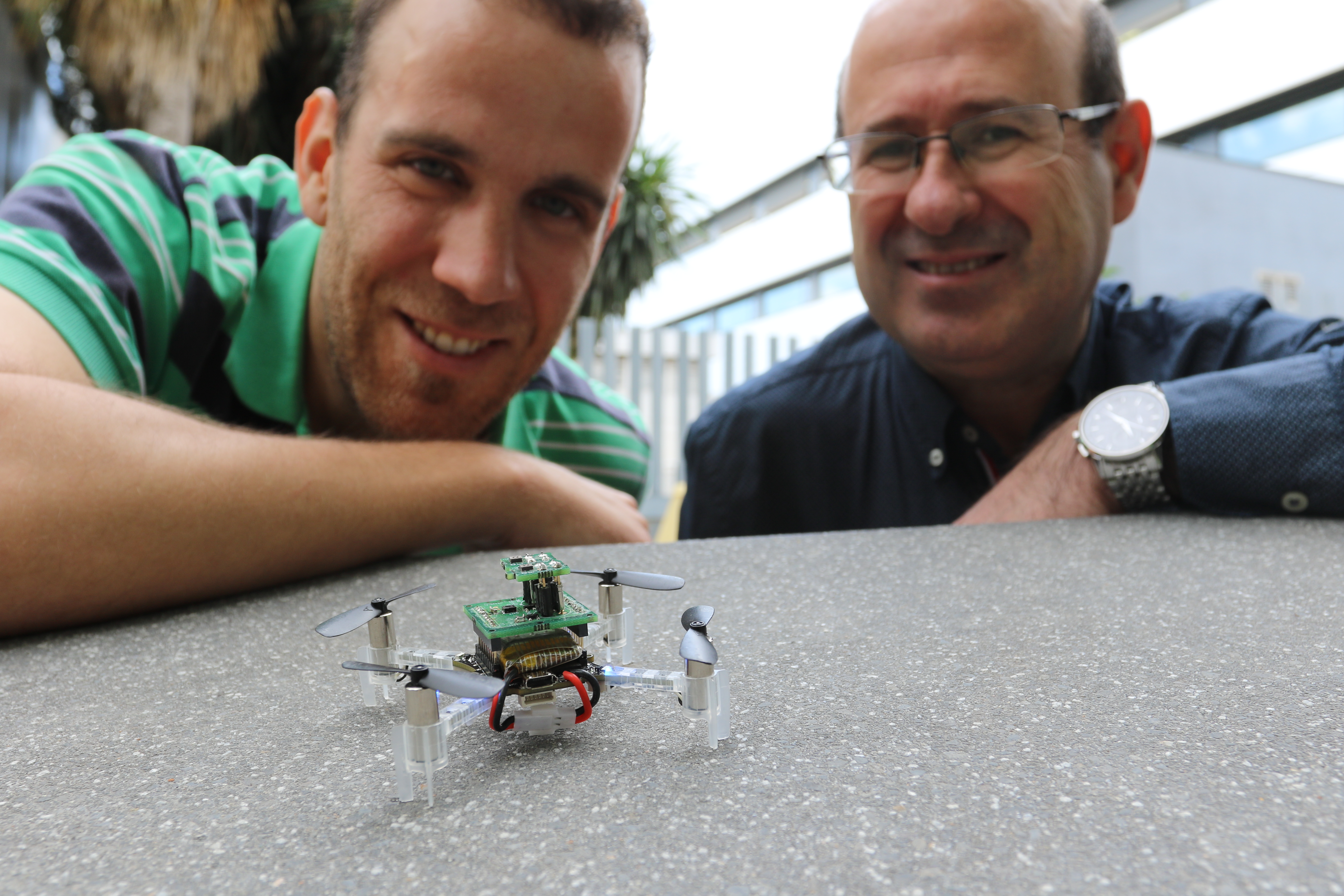
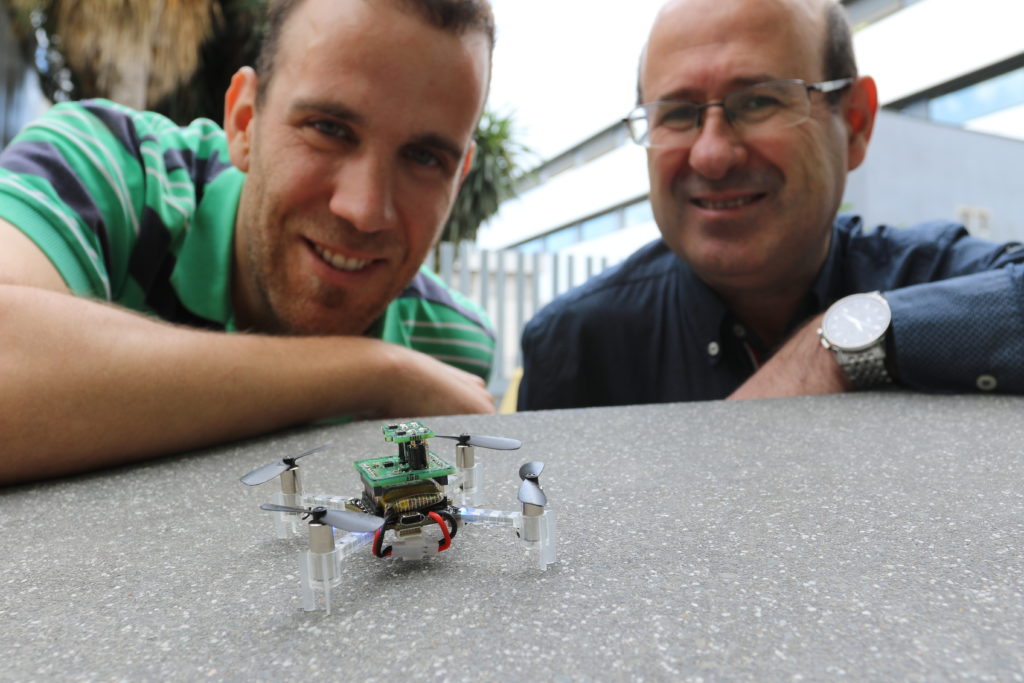 Researchers of the Signal and information processing for sensing systems research group at IBEC, led by Santiago Marco, have designed a nanodrone that could identify toxic gases in buildings that collapsed due the effects of earthquakes or explosions. The new gadget, which weights thirty-five grams, could be useful to detect the presence of victims in closed spaces which are hard to enter.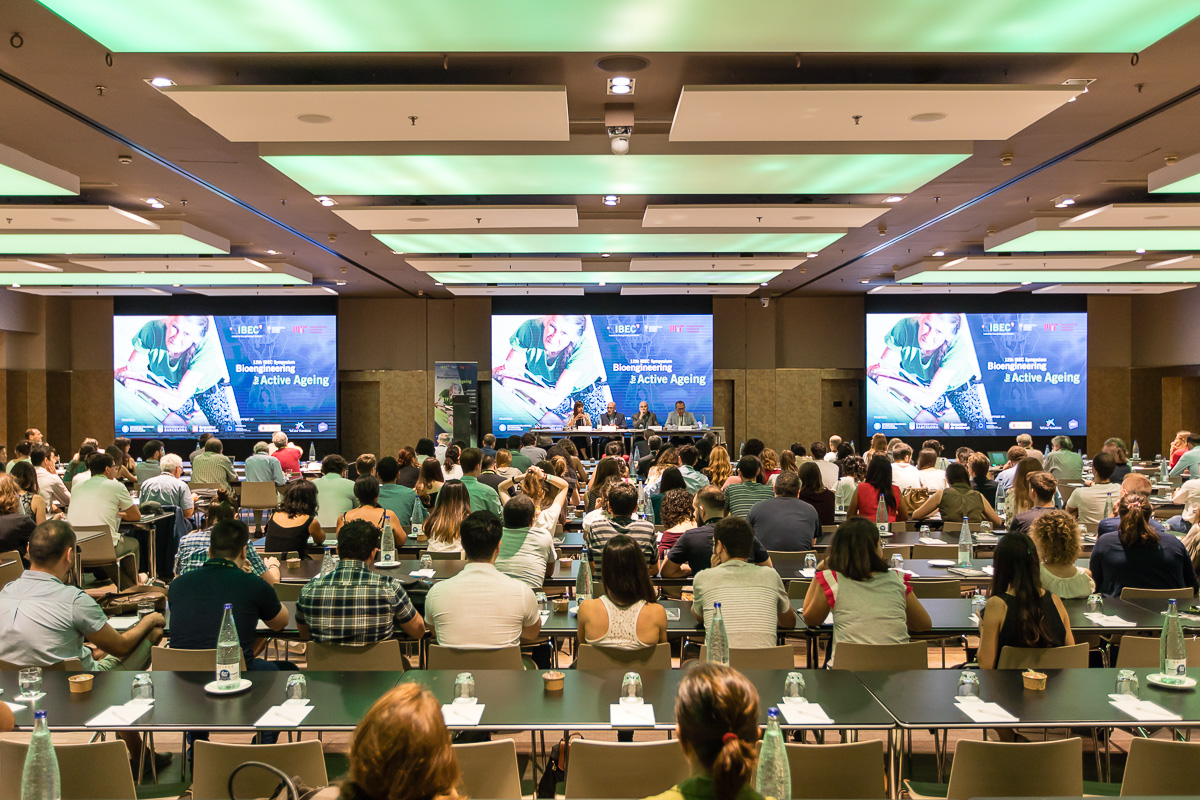
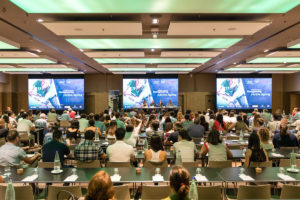 On Wednesday July 17th, the 12th IBEC Annual Symposium was held at the Hotel Catalonia Plaza in Barcelona. With the participation of more than 300 assistants and the exhibition of more than 102 scientific posters, this year, the event focused on Bioengineering for active aging – one of the three main research areas of IBEC- and had the participation of three MIT speakers (Massachusets Institute of Technology), among others.
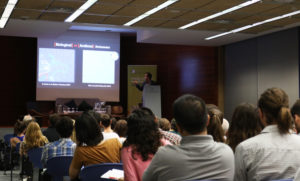 Three members of the ICMS have participated at the second IBEC-ICMS symposium, celebrated last 16th July at the Barcelona Science Park. The event aimed to identify synergies and potential for collaboration between IBEC groups and the researchers of the Institute for Complex Molecular Systems (ICMS), a research institute of the Eindhoven University of Technology (TU/e).