
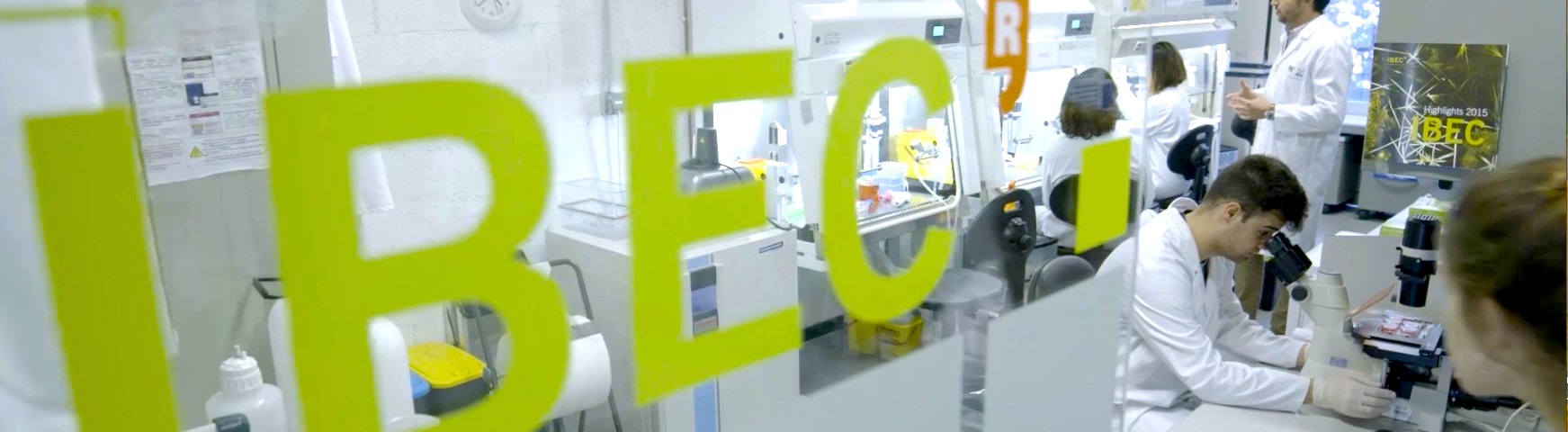
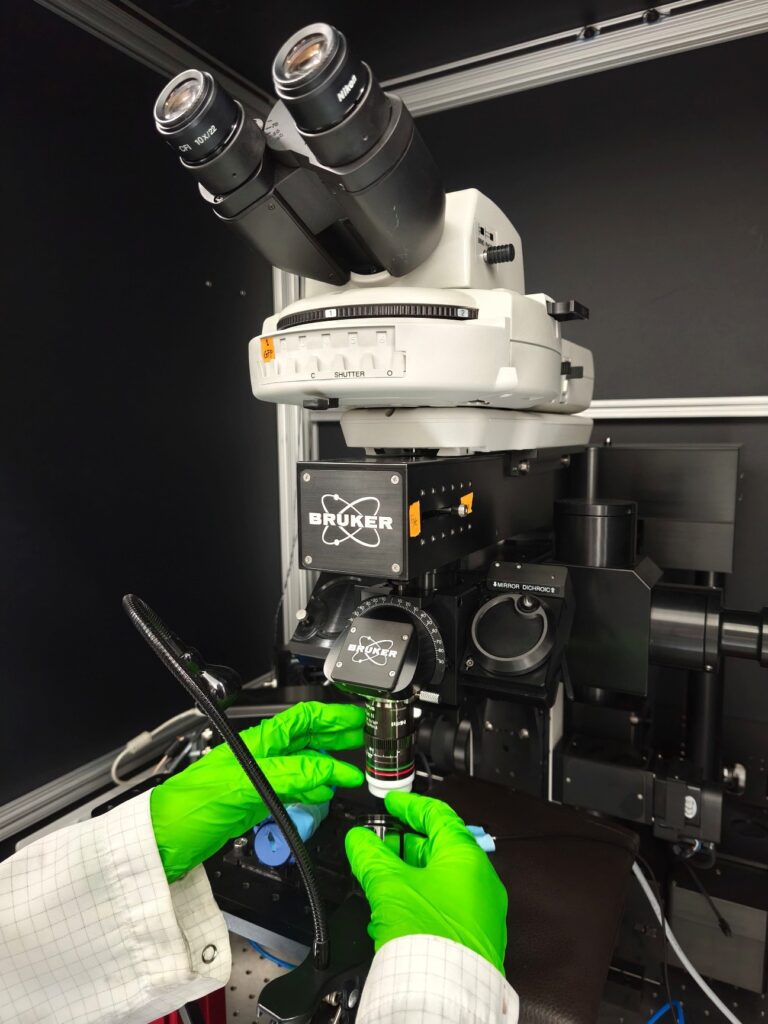
The Institute for Bioengineering of Catalonia has launched a unique service within its BioImaging Facility: a vertical multiphoton microscope for intravital fluorescence stimulation and imaging, now available to the entire research community.
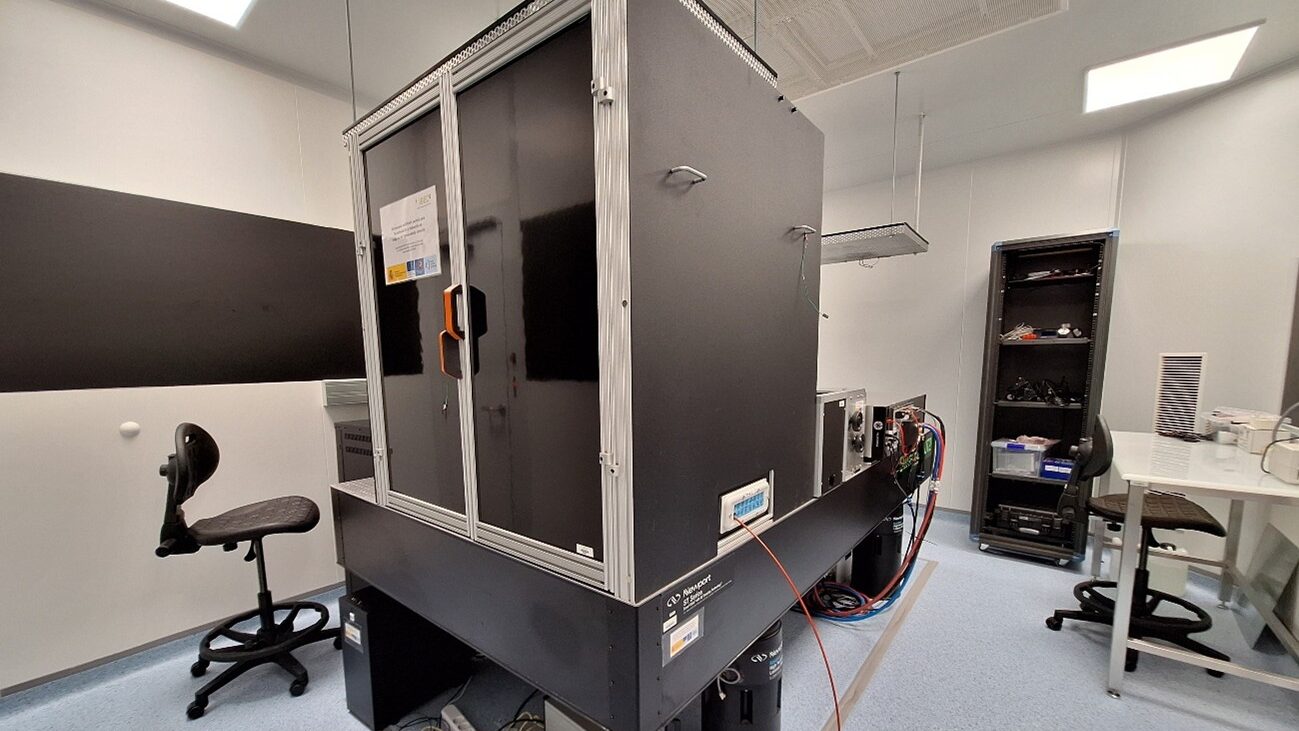
The Institute for Bioengineering of Catalonia (IBEC) is pleased to announce the launch of a unique service within its BioImaging Facility: a vertical multiphoton microscope for intravital fluorescence stimulation and imaging, now available to the entire research community.
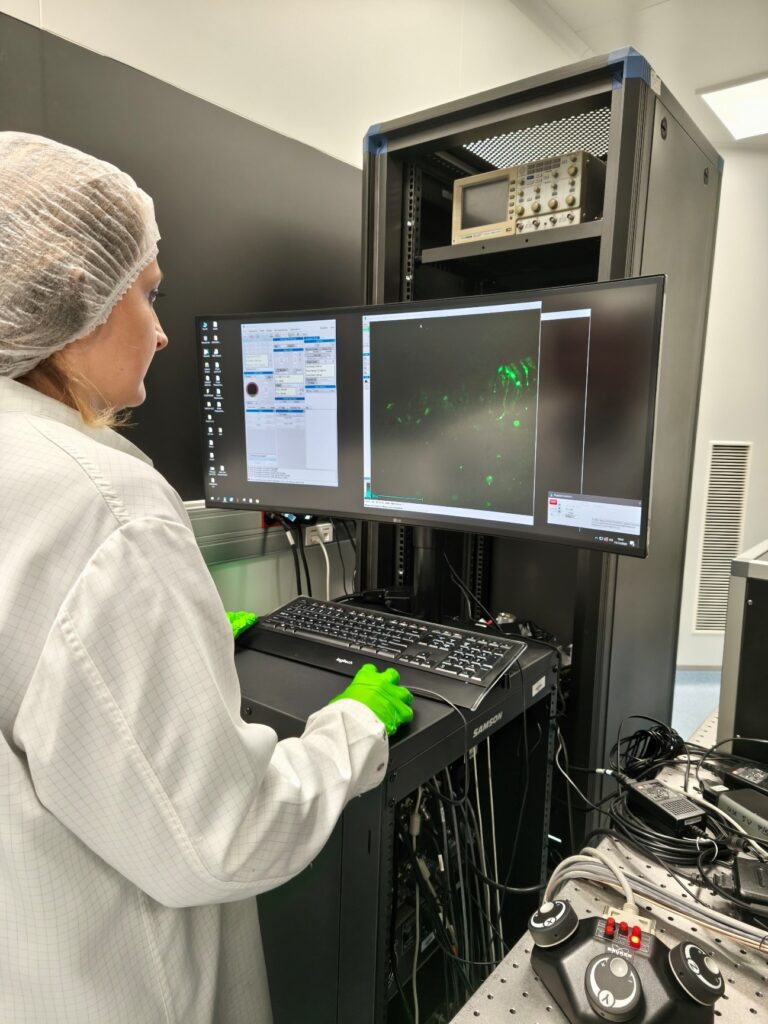
Multiphoton microscopy enables the exploration of a wide range of biochemical processes, from brain activity to cancer progression, infections, and therapeutic responses, at millimeter depths under strictly physiological conditions. In addition to its powerful in vivo capabilities, the system also supports in vitro experiments, including studies on brain slices, other tissues, primary neuronal cultures, dissociated cells, cell lines, spheroids, and organoids. Likewise, it can be used to visualize microfluidic chips, sensor surfaces, and other preparations such as chemical compounds (chromophores, nanoparticles), polymeric materials, or translucent solids whose properties can be investigated through multiphoton absorption processes.
The new intravital microscopy service is located just a few meters from the conventional animal facility area at the Barcelona Science Park (PCB), enabling longitudinal studies with small animals without the need for sacrifice.
How to become a user
The new service operates under an open-access model. Researchers interested in using the BioImaging Facility must follow the steps outlined on our website, including submitting a short project proposal that will be evaluated and prioritized by the Facility’s Advisory Board.
This cutting-edge imaging platform strengthens IBEC’s scientific and technical infrastructure and will support projects across diverse fields such as chemistry, pharmacology, cell biology, neuroscience, microbiology, virology, and phototherapy.
Grant EQC2021-007313-P funded by MICIU/AEI /10.13039/501100011033 and by the European Union NextGenerationEU/PRTR



