DONATE

PhD Thesis defense: Martina Maier

The principles of advanced virtual reality-based neurorehabilitation Martina Maier, SPECS group How the training in virtual reality and based on principles can support the recovery and diagnosis of disabilities after … Read more
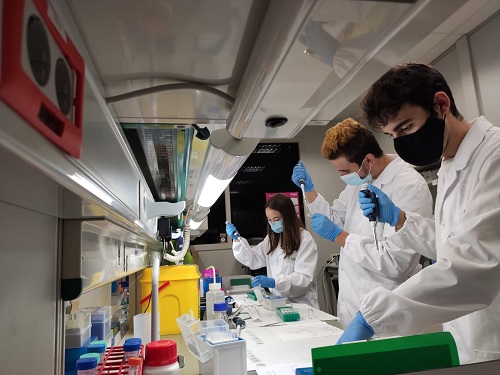
Back to school, back to the lab!

The holidays are over and it’s time to go back to work, also for our youngest and curious minds of the students that visit us every year. Despite the situation we are experiencing due to the coronavirus outbreak, at the Institute for Bioengineering of Catalonia (IBEC) we are making an effort to resume some of our outreach activities in person.
In this sense, the IBEC laboratories have reopened the doors for the students participating in the “Bojos per la Bioenginyeria” and the “Batx2Lab” programs, adapting to this “new normality”.

A new method to find the best treatment for pediatric cancer

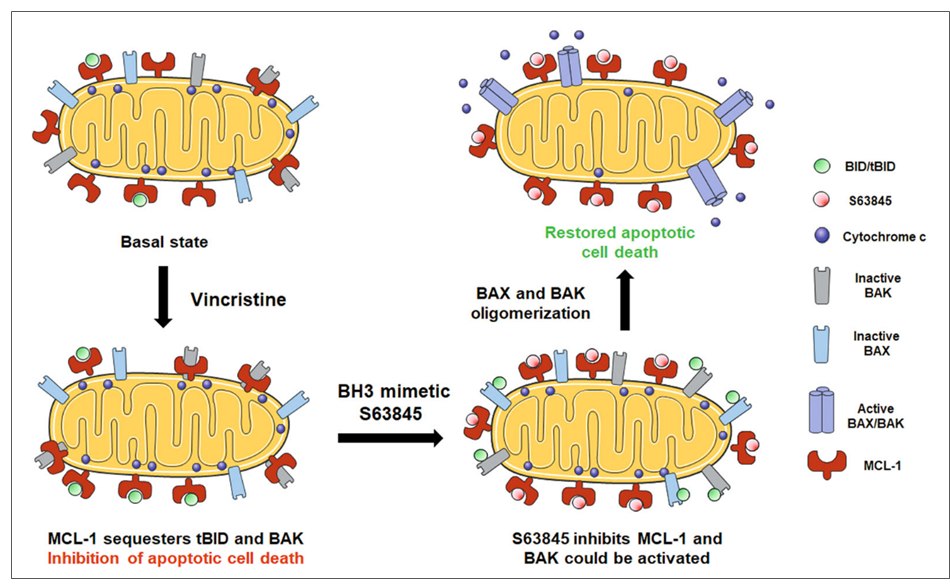
A study led by researchers from the Nanobioengineering Group at IBEC, in collaboration with other research centers and hospitals in Barcelona, ​​uses a predictive biomarker to anticipate the success of drugs against rhabdomyosarcoma, which represents around 5 percent of childhood tumors . This advance can help in predicting treatment efficiency thus, avoiding tumor resistance and decreasing undesired secondary effects.

New method could help to find the best treatment for a pediatric cancer

A study led by IBEC researchers from the Nanobioengineering group, uses a functional predictive biomarker to anticipate the effect of treatments against rhabdomyosarcoma, the most common soft-tissue cancer affecting childhood and adolescence.

This advance can help in predicting treatment efficiency thus, avoiding tumor resistance and decreasing undesired secondary effects.

Bioengineering against cancer: IBEC researchers receive funding from La Caixa

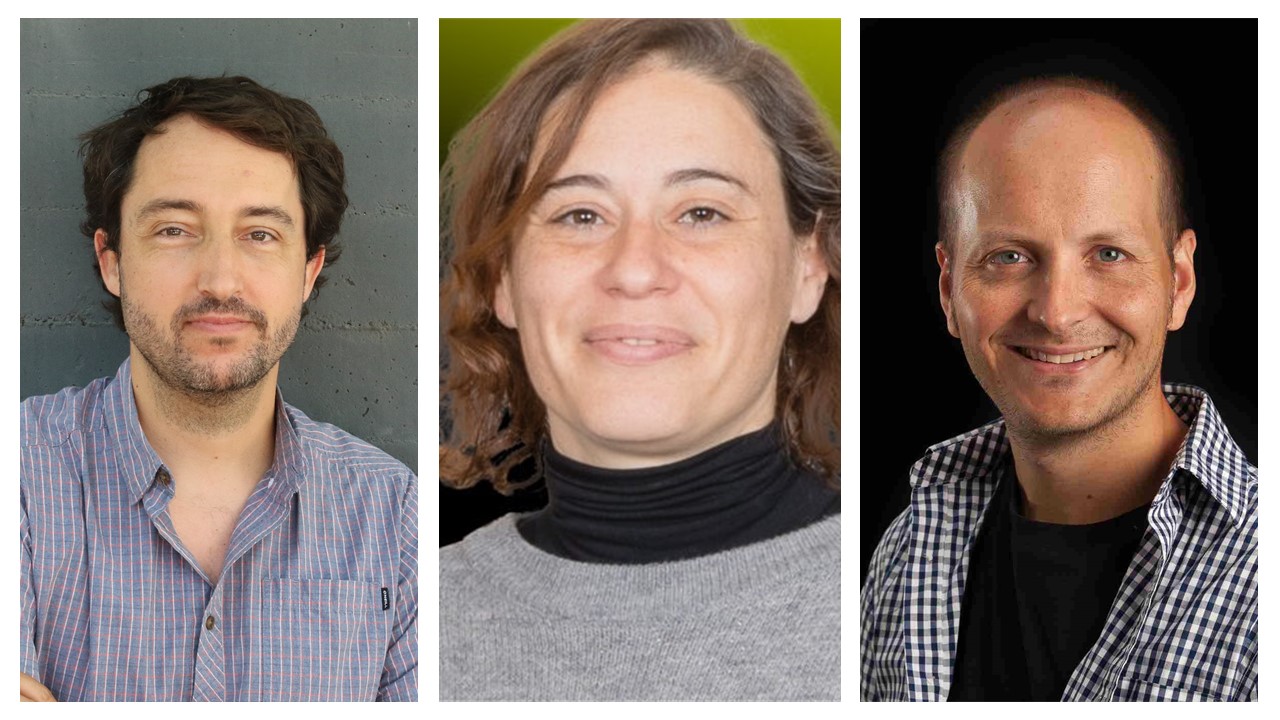
IBEC researchers Elena Martínez, Xavier Trepat and Pere Roca-Cusachs aim to understand the processes that promote metastasis in colorectal cancer using innovative bioengineering tools, such as bioprinting and microscopy capable of revealing forces at the cellular level.

The results will be translated into a device that will recreate the tumor environment from cancer cells derived from patients, as well as a new technology that will allow to visualize how physical forces affect the nuclei of metastatic cells.

3D printed hydrogels for cancer immunotherapy T-cell growth

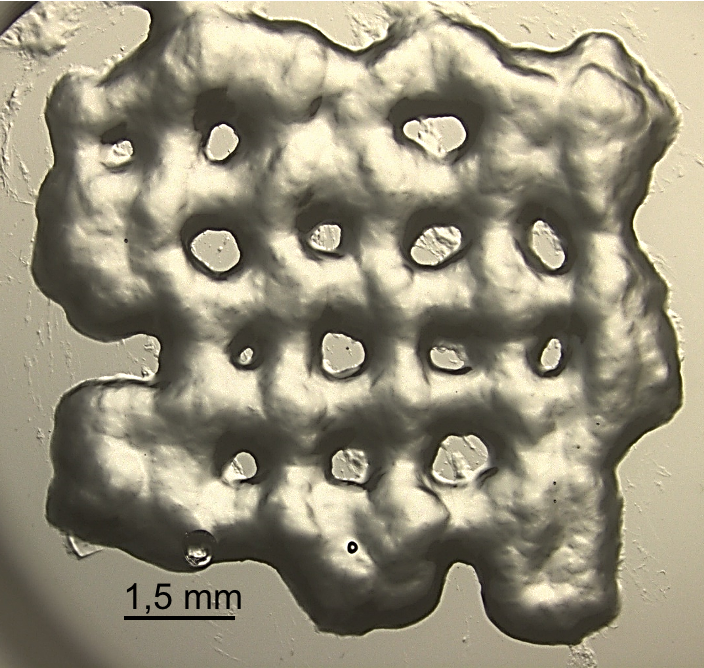
The new 3D hydrogels provide high rates of cell proliferation, as they mimic lymph nodes, where T-cells reproduce in vivo. A new project, led by researchers from ICMAB and IBEC, and with the collaboration of VHIO and UIC, wants to transfer this technology to hospitals.

Cancer immunotherapy is based on using and strengthening the patient’s own immune system to recognize and fight tumor cells, without damaging healthy tissues.

Where are STEM women in the pandemic?

International studies reveal that in the global health crisis women are doing less research, also in the coronavirus itself. Some of the reasons are the inequality in the housework distribution and the leadership distribution.
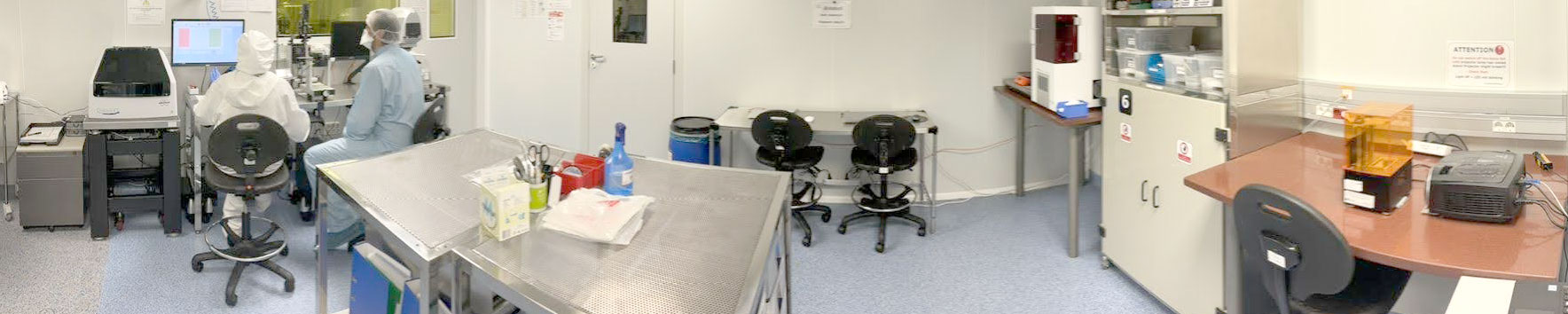
Core Facilities

IBEC provides its researchers with extensive research facilities and a scientific–technical infrastructure distributed over interdisciplinary open lab spaces. IBEC’s Core Facilities are designed and managed to facilitate research and promote … Read more