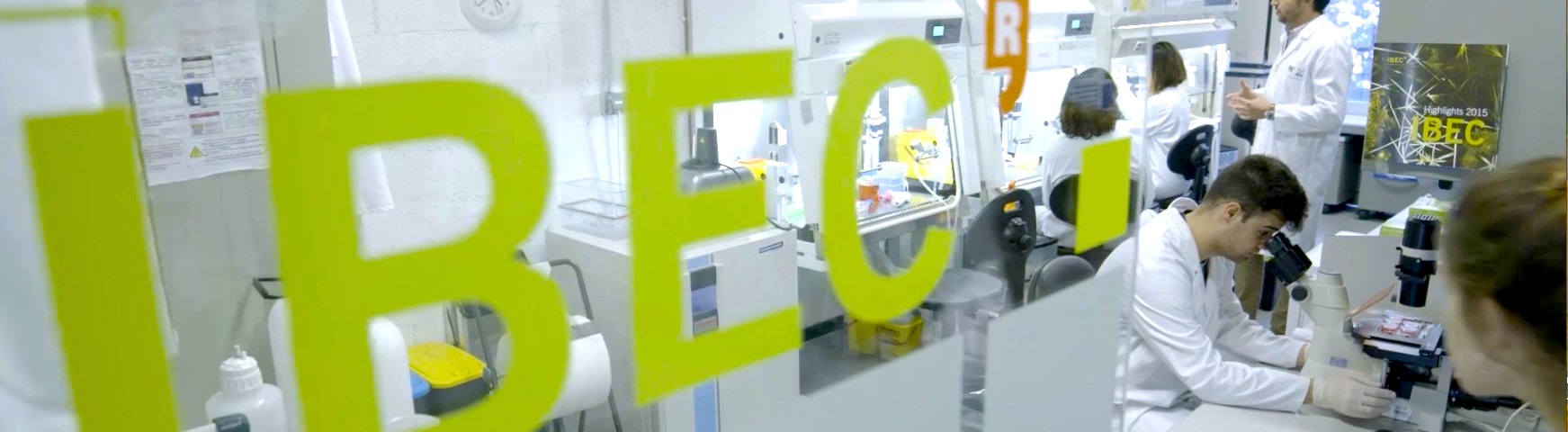
Duchenne Parent Project Spain has invested €247,000 in the BEAT project, which will be carried out by the Institute for Bioengineering of Catalonia (IBEC). Cardiomyopathy is the leading cause of death in patients with Duchenne muscular dystrophy (DMD). Around 20,000 new Duchenne cases are diagnosed globally each year.
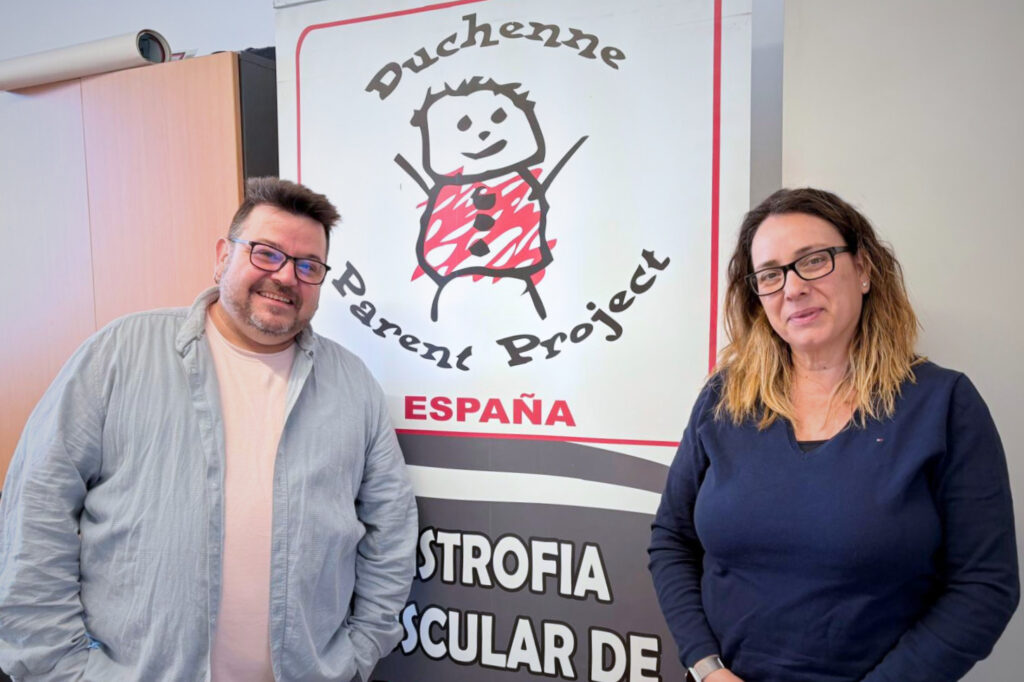
Duchenne Parent Project Spain (DPPE) has launched the BEAT Project, a research initiative focused on one of the key challenges associated with Duchenne and Becker muscular dystrophies: progressive heart damage. Cardiomyopathy is the leading cause of death in patients with DMD.
We will study cardiac pathology in mice and patients to build a 3D cardiac model that mimics the human disease. The heart-on-a-chip platform includes sensors that track damage and fibrosis in real time, helping us to identify and test promising treatments.
Juan Manuel Fernández
In this project, which has received an investment of €247,000 from DPPE, a ‘heart-on-a-chip’ platform will be developed. “This breakthrough will save vital time by reducing the number of animals required, enabling us to reproduce human heart tissue affected by the disease in a laboratory setting, monitor fibrosis (scar tissue) in real time, and test drug candidates,” explains Dr Marisol Montolio, Director of the Research Department at Duchenne Parent Project Spain.
The lack of dystrophin — a protein that is absent or defective in these diseases — affects more than just skeletal muscle. It also compromises the heart muscle, promoting the development of fibrosis — a process whereby healthy tissue is replaced by scar tissue — which progressively weakens heart function. This leads to cell death and replacement by fibrotic tissue.
The project will be led from the Institute for Bioengineering of Catalonia (IBEC) by Dr Juan Manuel Fernández, a senior researcher in the Biosensors for Bioengineering group at IBEC and principal investigator of BEAT. The project will also involve collaboration with the Duchenne Parent Project Spain Patient Registry, the University of Jaén, SJD Barcelona Children’s Hospital, and Newcastle University.
“We will study cardiac pathology in mice and patients to build a 3D cardiac model that mimics the human disease. The heart-on-a-chip platform includes sensors that track damage and fibrosis in real time, helping us to identify and test promising treatments. This platform could also be used to study other heart diseases, accelerating drug discovery,’ explains Dr Fernández.
Research driven by families
For the Duchenne Parent Project in Spain, BEAT is a commitment to research that focuses on the real needs of patients and their families. One of the main concerns in the progression of the disease is cardiac involvement, which is why developing tools to better understand it and speed up the evaluation of treatments is a priority. “BEAT is the pulse of our fight. It means heartbeat, but it also means to defeat. And that’s exactly what we’re going to do with the cardiomyopathy associated with Duchenne and Becker muscular dystrophies,” says Silvia Ávila, president of Duchenne Parent Project Spain.
The project also involves families through an advisory committee to ensure that research remains aligned with the priorities of the Duchenne and Becker community. Through this initiative, Duchenne Parent Project Spain is strengthening its commitment to biomedical innovation and improving access to new therapeutic solutions, with the ultimate goal of enhancing the quality of life for those affected by Duchenne and Becker muscular dystrophies. Furthermore, to increase the funds allocated to this research, they have launched a crowdfunding campaign via the iHelp platform.
Duchenne muscular dystrophy (DMD) is a genetic, degenerative and incurable condition affecting around 1,100 people in Spain. Worldwide, it affects approximately 1 in every 5,000 children, with around 20,000 new cases diagnosed each year. It is characterised by the absence of dystrophin, a protein essential for muscle stability and function. This deficiency triggers a continuous cycle of damage and inflammation that accelerates muscle deterioration. Progression of the disease leads to a gradual loss of mobility, necessitating life support and round-the-clock home care, typically provided by family members from an early age.