
Search Results for:
Senior Researcher at the Bioinspired Interactive Materials and Protocellular Systems Research Group

Ref: SR-CR-E //Deadline: 16/11/2025
Postdoctoral Researcher position at the Cellular and Molecular Mechanobiology and Microenvironments for Medicine Research Groups
Ref: PR-PR // Deadline: 23/10/2025
Ibec Seminar. Anne de Poulpiquet
CHARACTERIZATION OF ENZYMATIC BIOELECTRODES BY IN SITU FLUORESCENCE MICROSCOPY A. de Poulpiquet,1 A. Guessab, 1 H. M. Man,1 I. Mazurenko,1 L. Bouffier,2 E. Lojou1 1Aix-Marseille Univ., CNRS, Bioenergetics and Protein … Read more
Laboratory Assistant position at the Biosensors for Bioengineering Research Group
Ref: LA-JR // Deadline: 22/10/2025
Research assistant at the Nanoprobes and Nanoswitches Research Group
Ref: RA-PG // Deadline: 25/10/2025
The Catalan and Spanish governments, Barcelona City Council and the Fraunhofer-Gesellschaft officially launch the Fraunhofer CAT project
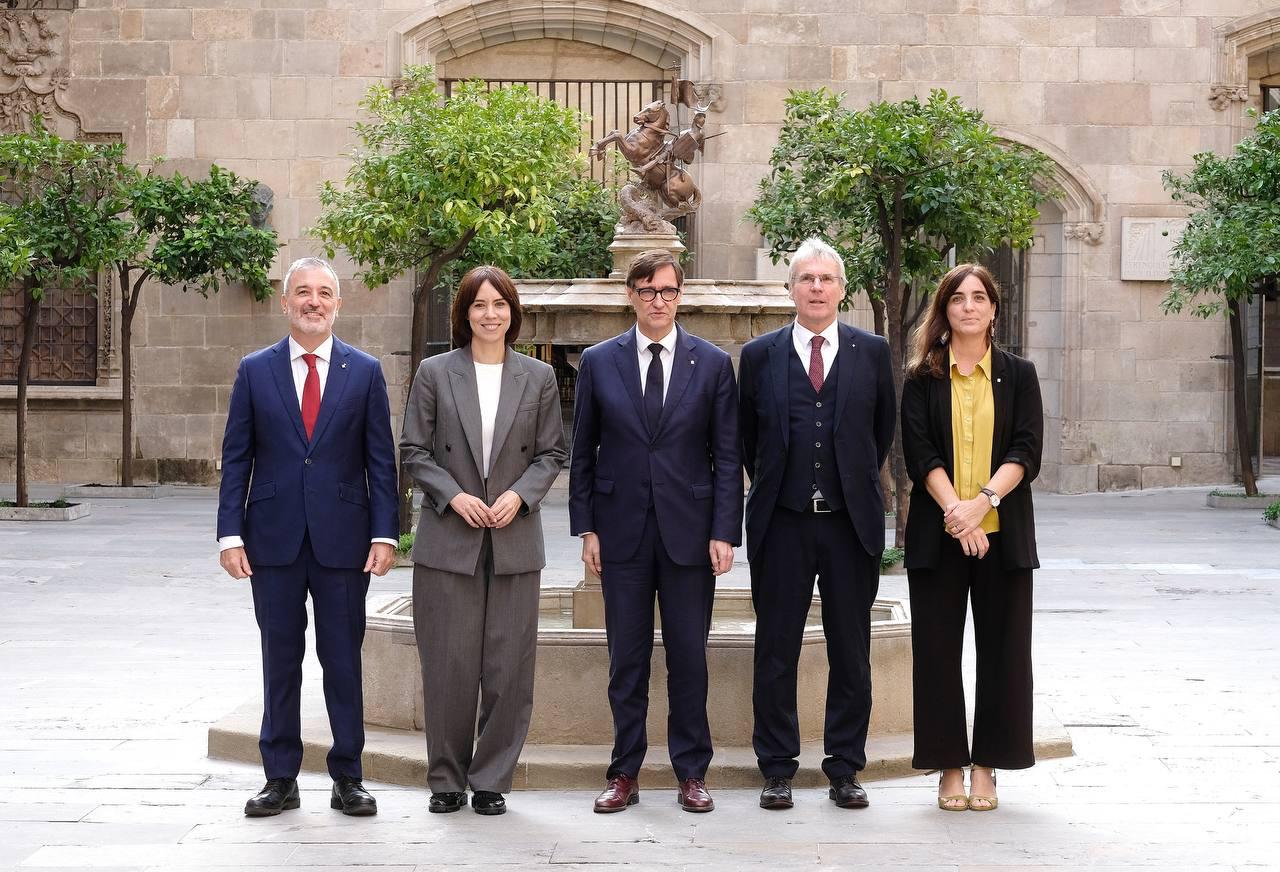
Today, Friday 10 October, the Fraunhofer Spain Research was officially inaugurated at the Barcelona Science Park (PCB), the result of a strategic collaboration with the Institute for Bioengineering of Catalonia … Read more
Predoctoral Researcher at the The Biomaterials for Regenerative Therapies Research Group
Ref: PhD-EE // Deadline: 23/10/2025
Research assistant at the Integrative Cell and Tissue Dynamics Research Group
Ref: RA-XT // Deadline: 17/10/2025